Close

Northern Ireland: A Contested History

It is nearly 25 years since the Good Friday Agreement came into effect, which officially marked the end of ‘The Troubles’, which lasted 30 years (1968 – 1998). It was a period of deadly conflict between those who were advocating Irish unity (the Nationalists/Republicans) and those who wished for the six counties of Northern Ireland to remain part of the United Kingdom (the Unionists/Loyalists). During that period, it is fair to say that Northern Ireland was not considered a significant tourist destination, not least because it was often perceived as unsafe. For example, the Europa Hotel, Belfast’s most prestigious hotel, was bombed 36 times during ‘The Troubles’.

Northern Ireland is now enjoying a mini tourist boom, stimulated in part by its natural beauty (e.g. the Giants Causeway) which featured prominently in the hugely popular television series, Game of Thrones, and also via significant investment in tourism infrastructure and attractions, not least the Titanic Museum in Belfast.
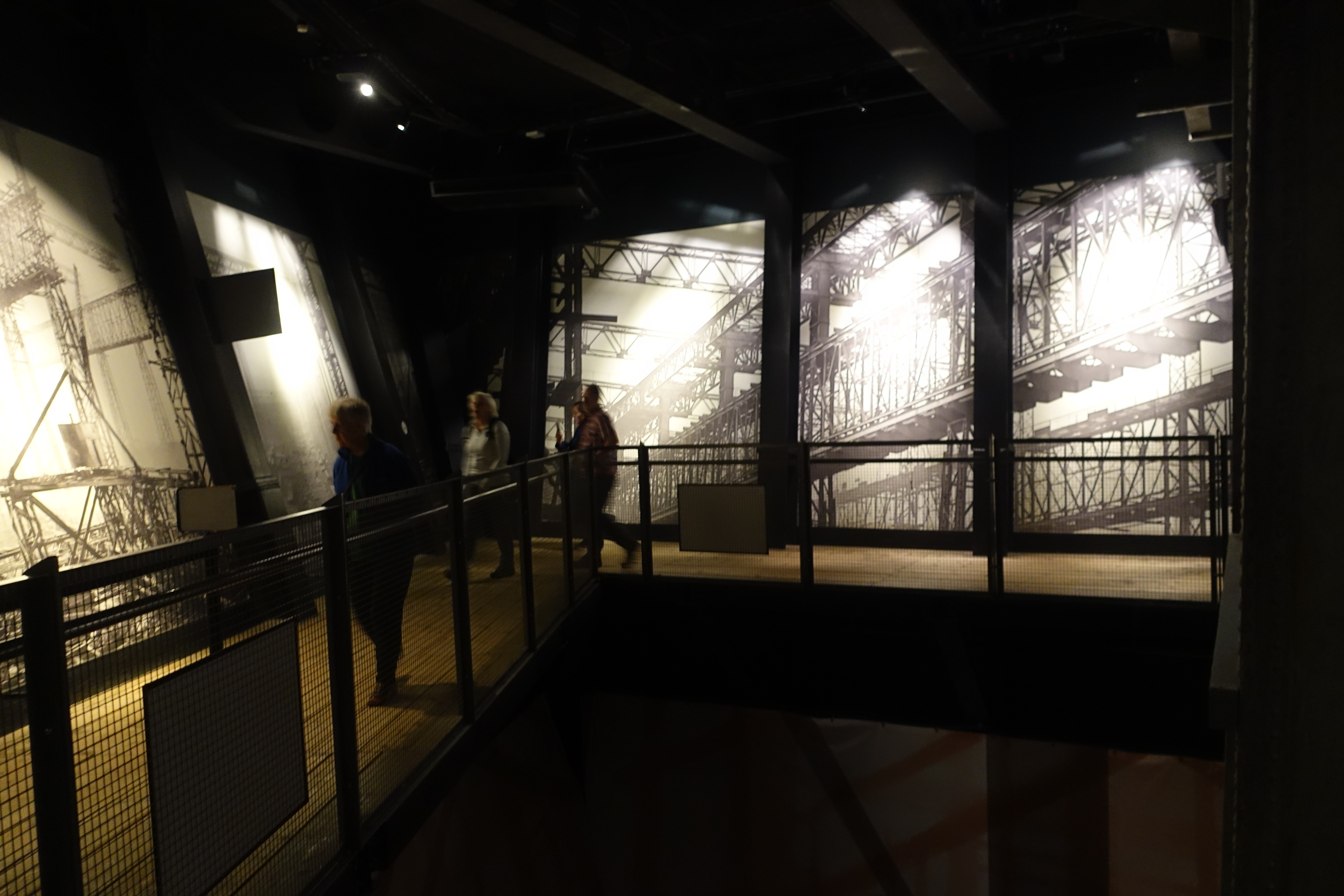
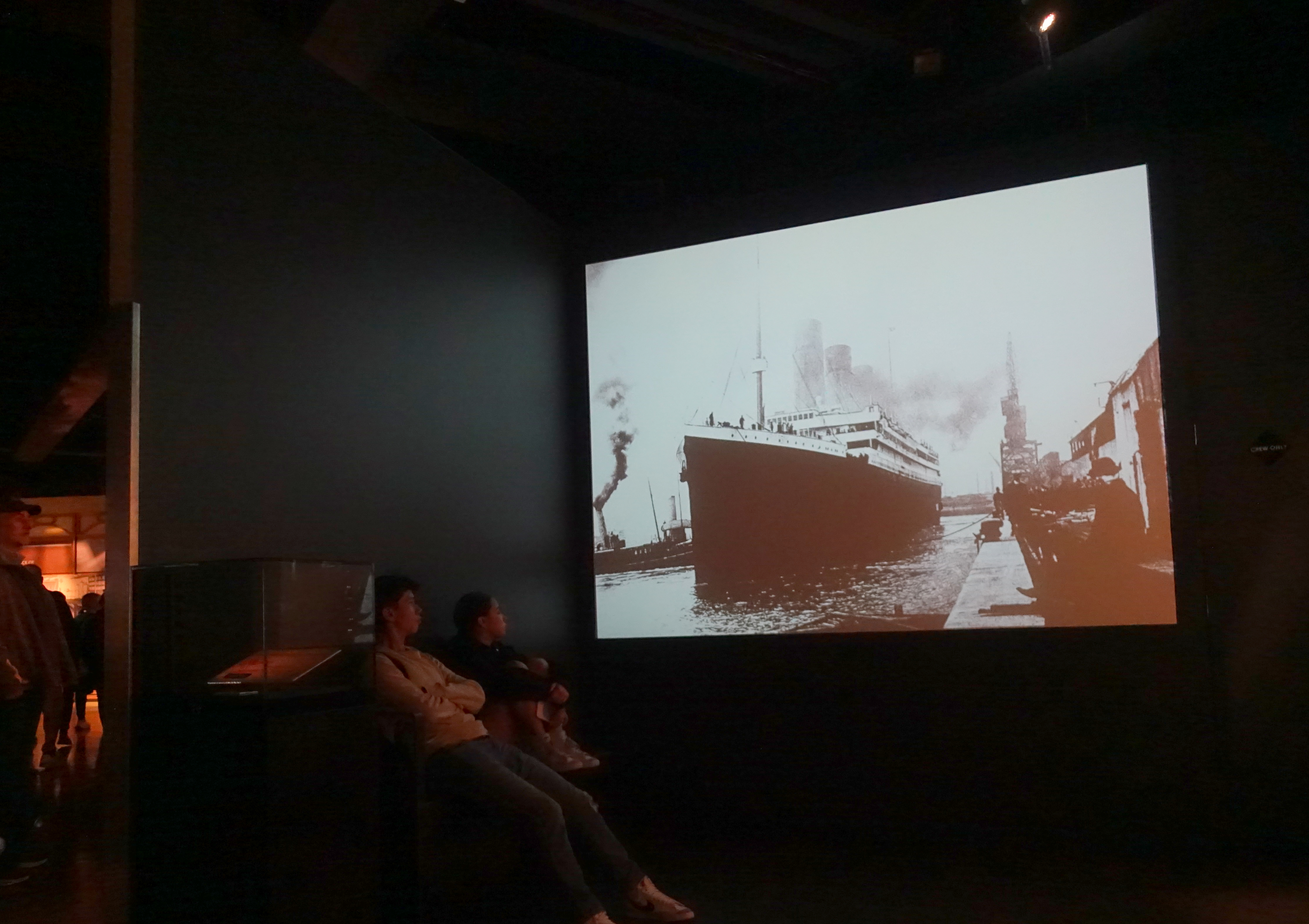
It is an impressive immersive museum providing excellent social and historical context, although some might feel its fate is symbolic of the British shipbuilding industry. Just in sight of the museum is Harland and Wolff, one of the last active shipyards in Britain, and the company which built the Titanic. Unfortunately, its days look numbered. Its huge yellow gantries dominate the Belfast harbour area.
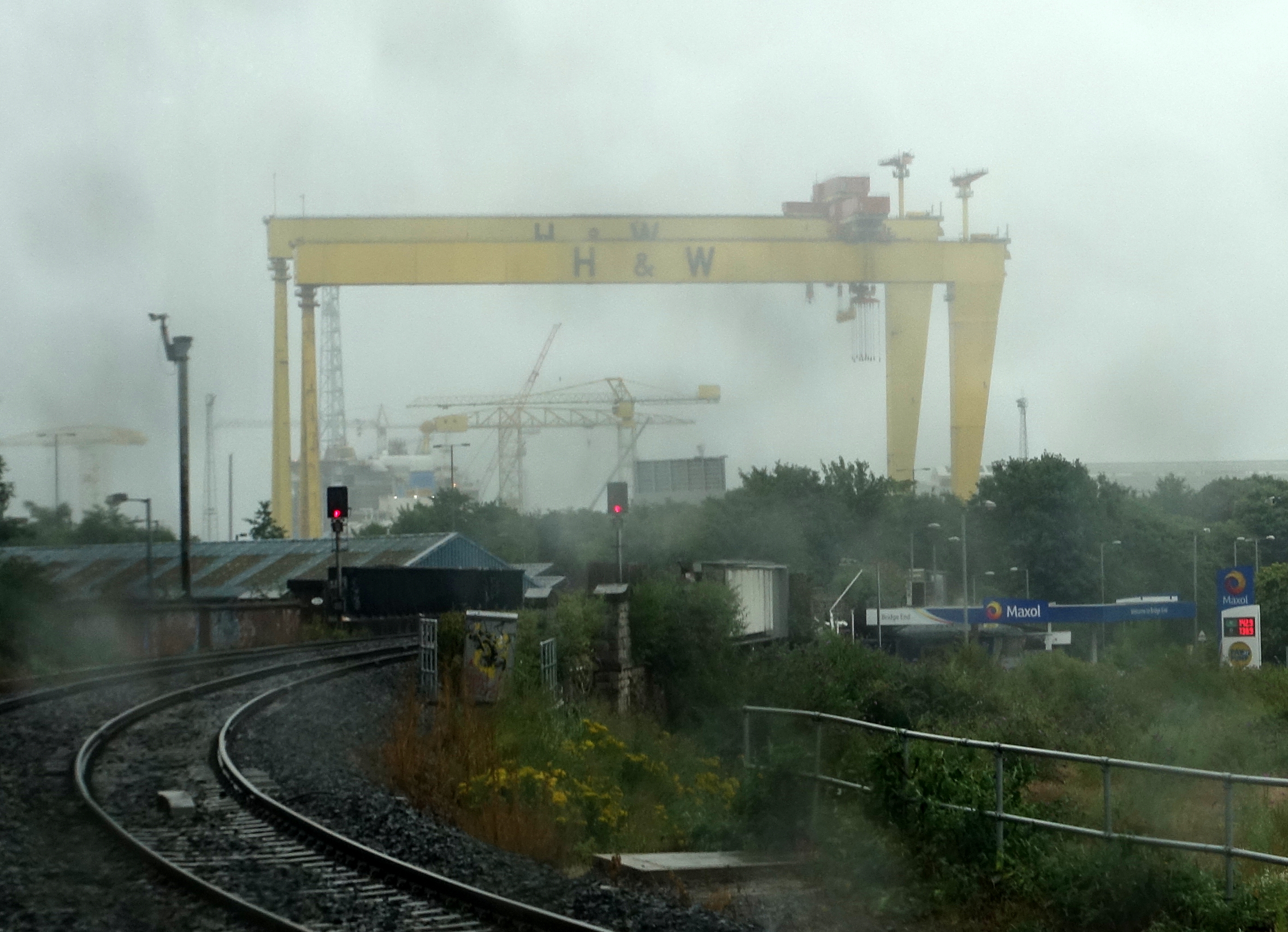
In visiting Belfast and Derry, what was particularly intriguing was the (dark) tourism relating to the city landmarks and neighbourhoods which were the site of many of the confrontations and violent incidents during ‘The Troubles’.

Belfast Murals

The conflict in Northern Ireland during the early phase of the late 1960s – early 1970s tended to cause minority groups in mixed working class areas of Belfast to flee their houses – an example of what nowadays might be called ‘ethnic cleansing’. This often led to almost homogeneous Protestant and Catholic neighbourhoods, which were kept apart initially by barriers, and then walls, many of which still exist today. Perhaps the most well known is the so called ‘Peace Wall’ which divides the largely Protestant Shanklin Road area from the largely Catholic Falls Road area.

Each of the two areas contain numerous striking murals which reflect not only the political views and historical experiences of the local people, but also often address current issues and grievances

The Falls Road

Probably the most famous mural here is that depicting Bobby Sands, the IRA hunger striker who starved himself to death in 1981

A month before he died, he had been elected to the British Parliament in a by-election whilst standing as a ‘political prisoner’. His electoral success helped pave the way for a new political strategy of victory via the ballot box through Sinn Fein, the political wing of the IRA. In the most recent UK General Election of 2024, Sinn Fein became Northern Ireland’s largest party in Westminster, having already become the biggest party in the Northern Ireland Assembly in Stormont.

Given the rise in the number of tourists/visitors to the area, it is not surprising that some of the murals are aimed at providing some historical context from the Republican perspective.

It’s also possible to take away some souvenirs and mementos

However, it would be a mistake to think there is not some lingering tension and mistrust. We witnessed first hand the presence of a member of the Police Service of Northern Ireland (PSNI) creeping along side an anti-police poster
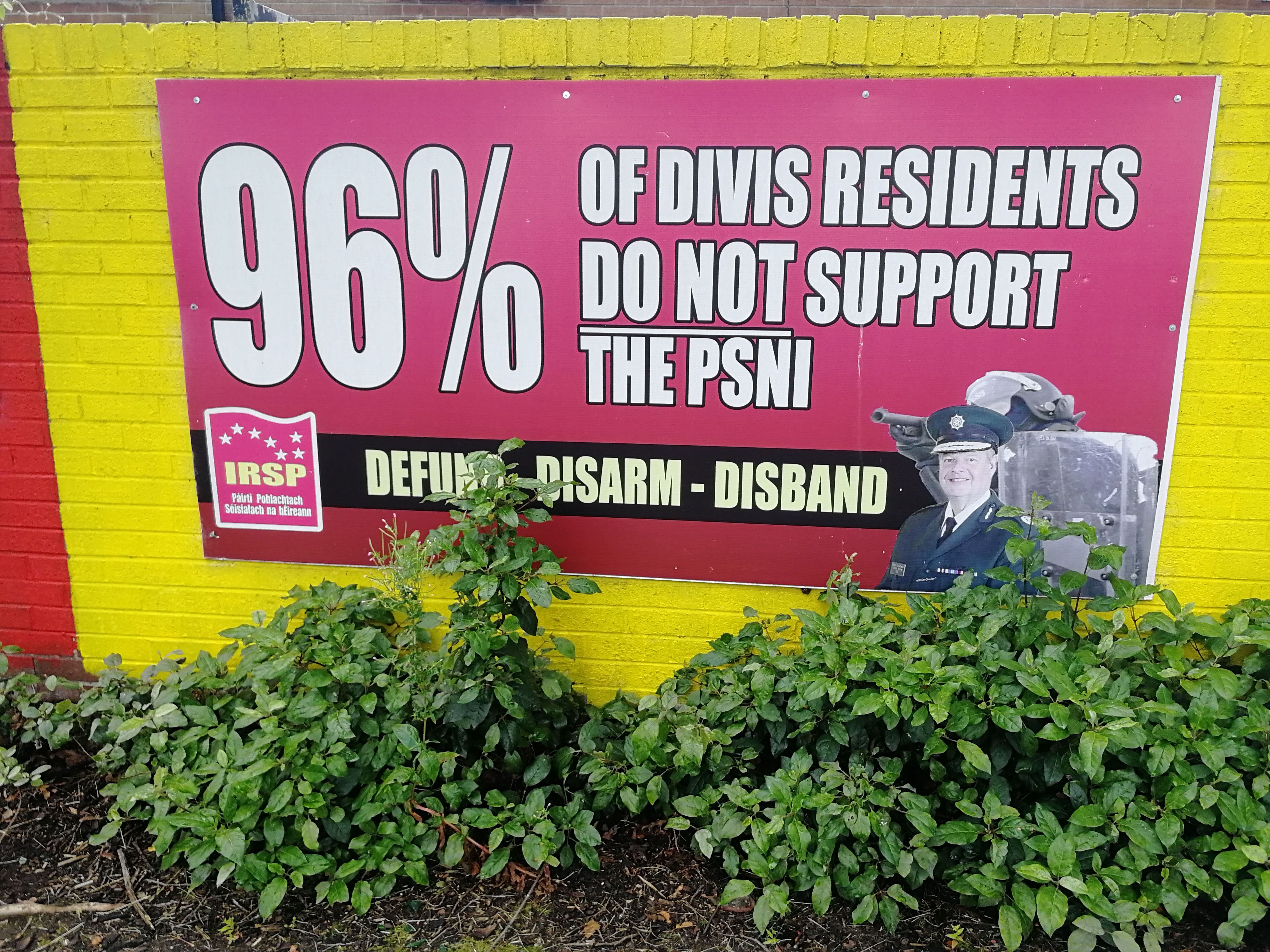
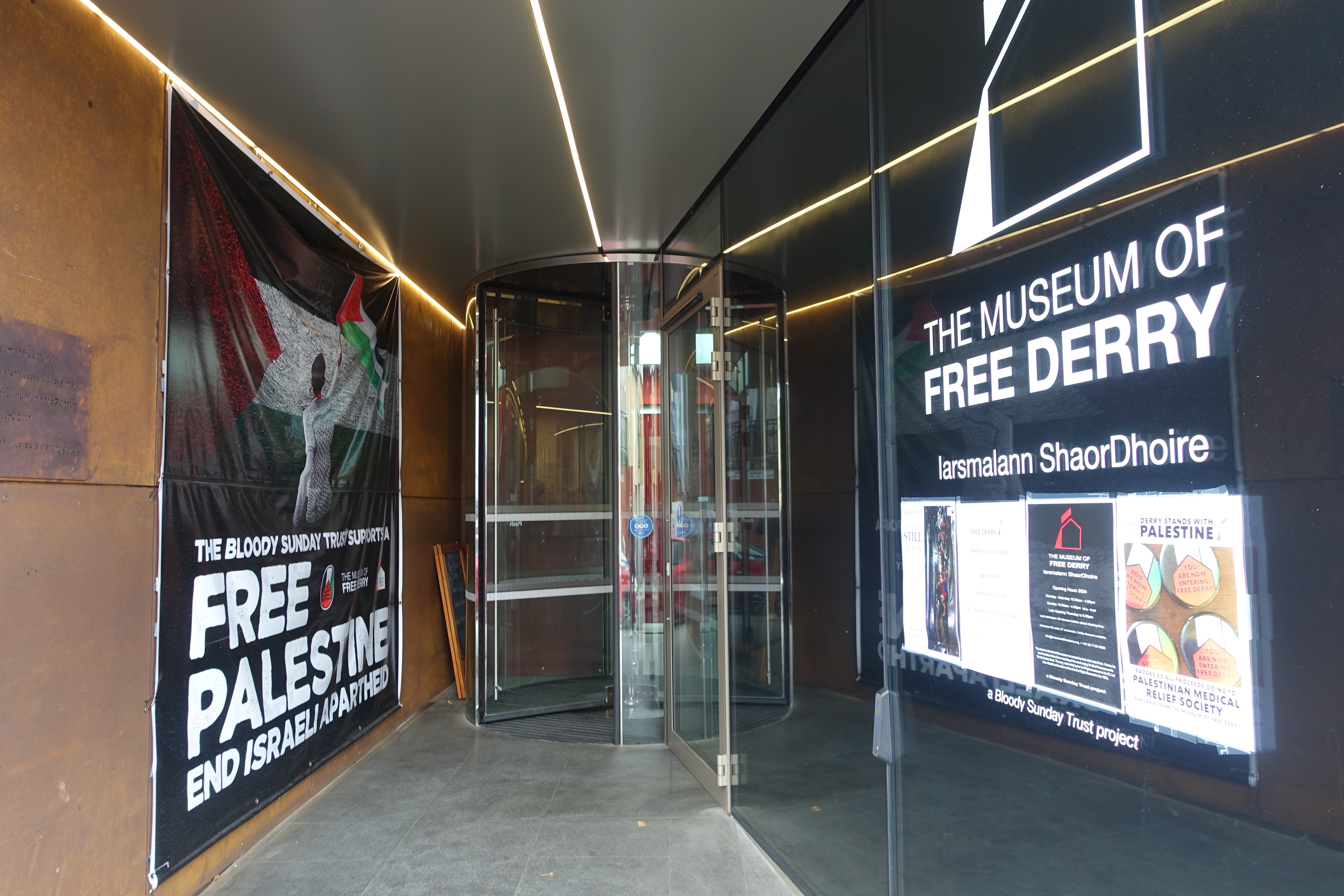
At the time of our visit, the Israeli-Palestinian conflict was very intense, and there was considerable evidence that the Northern Irish Republicans very much identify with the plight of the Palestinians, especially in occupied Gaza

Shankill Road

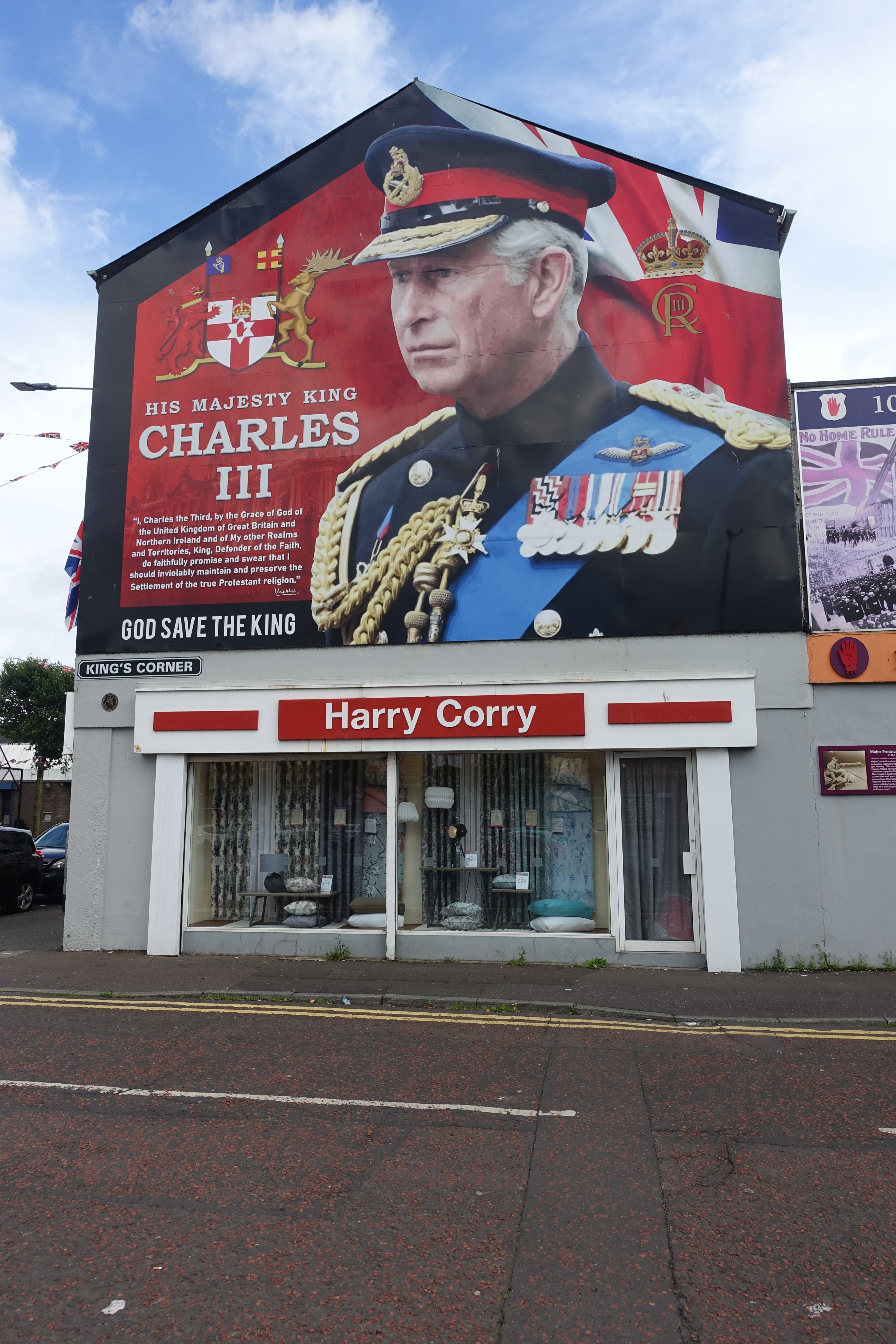
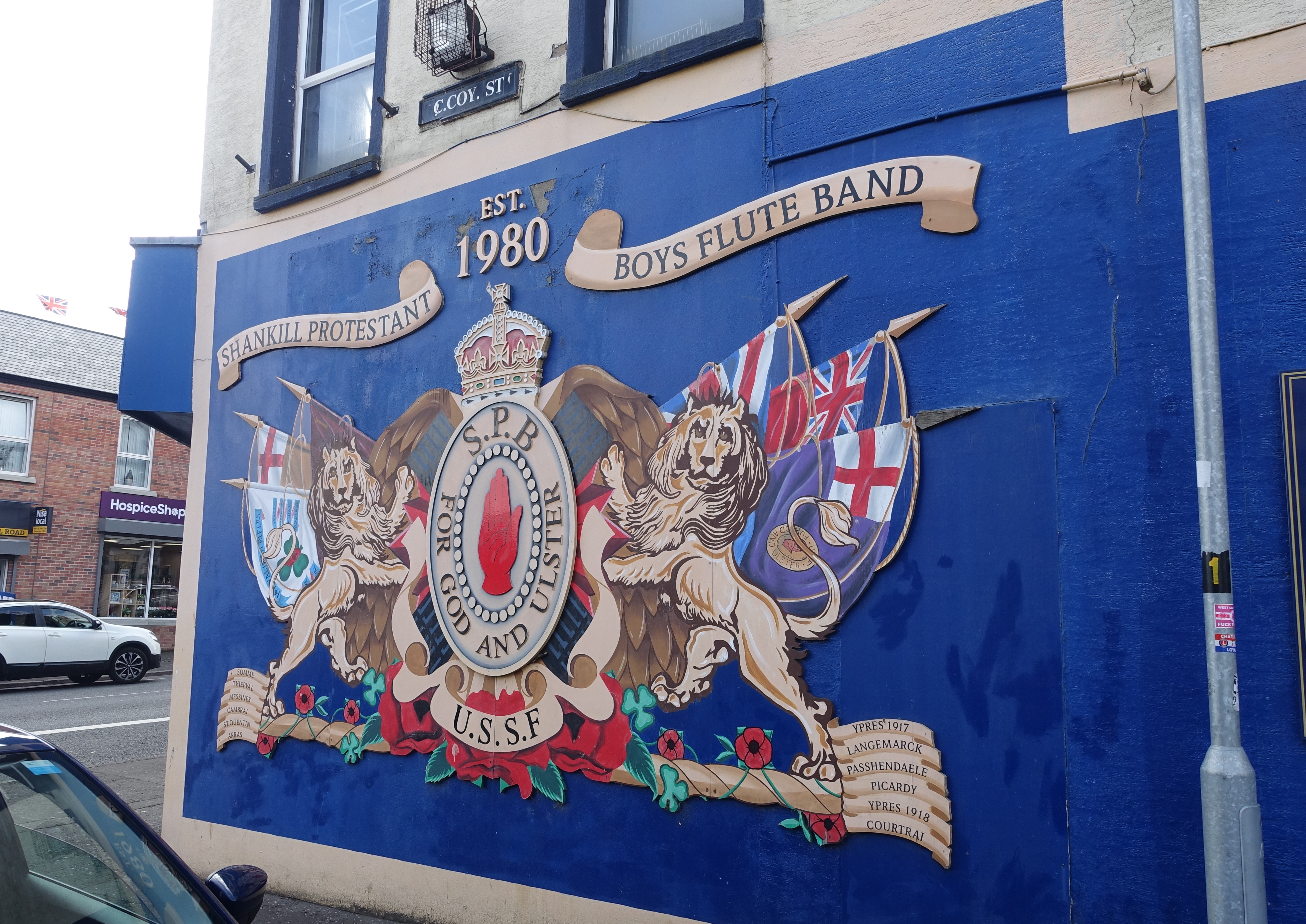
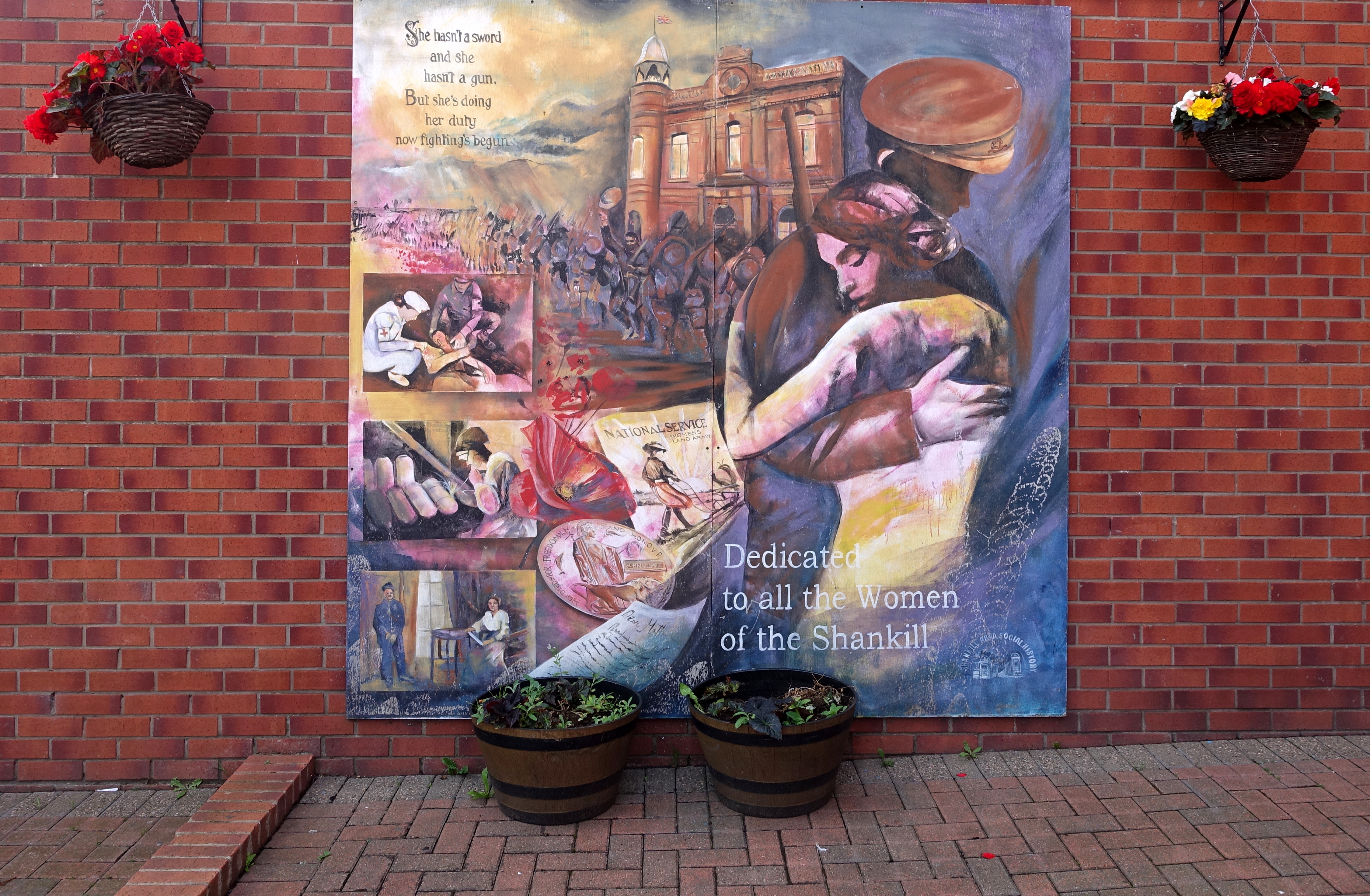
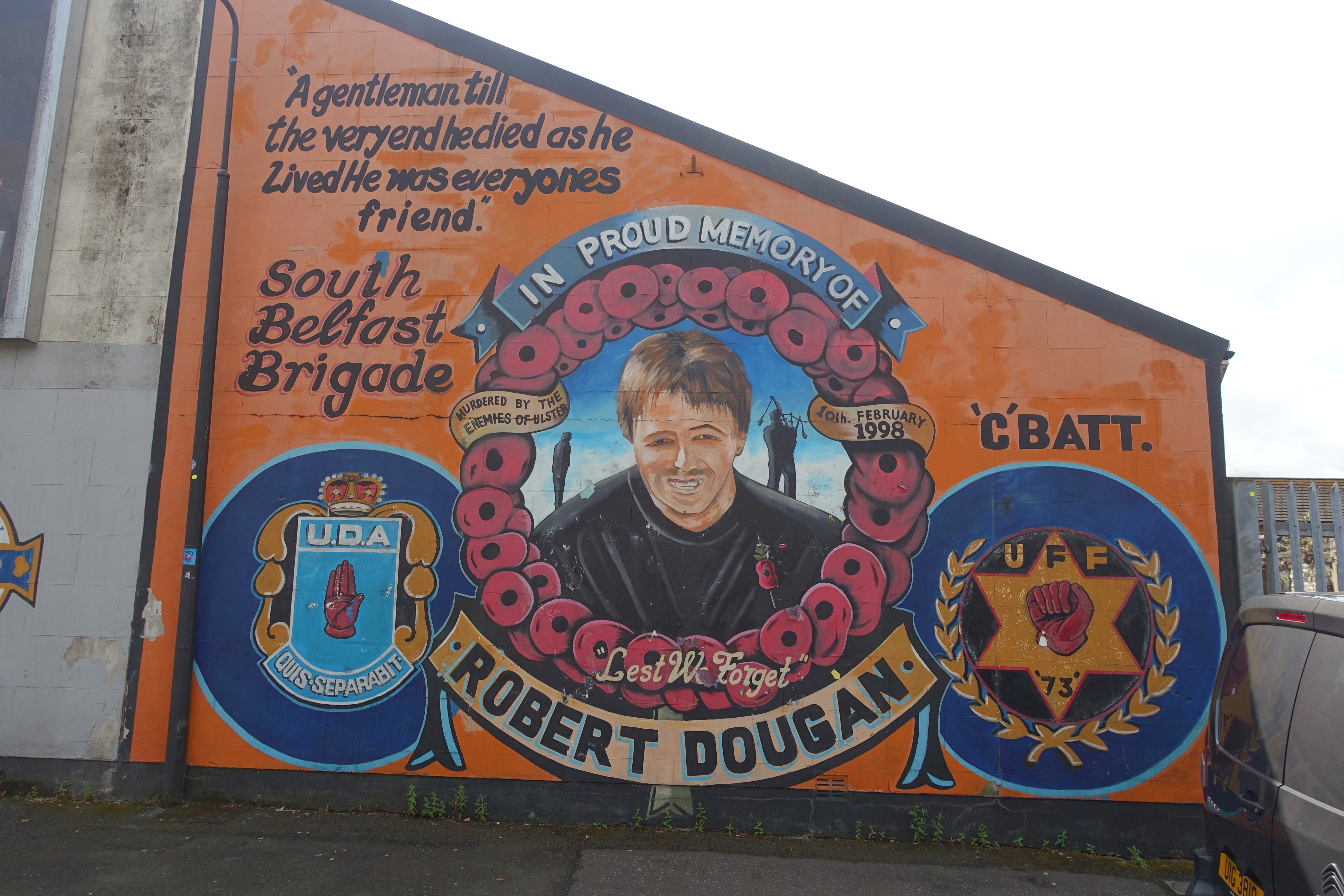
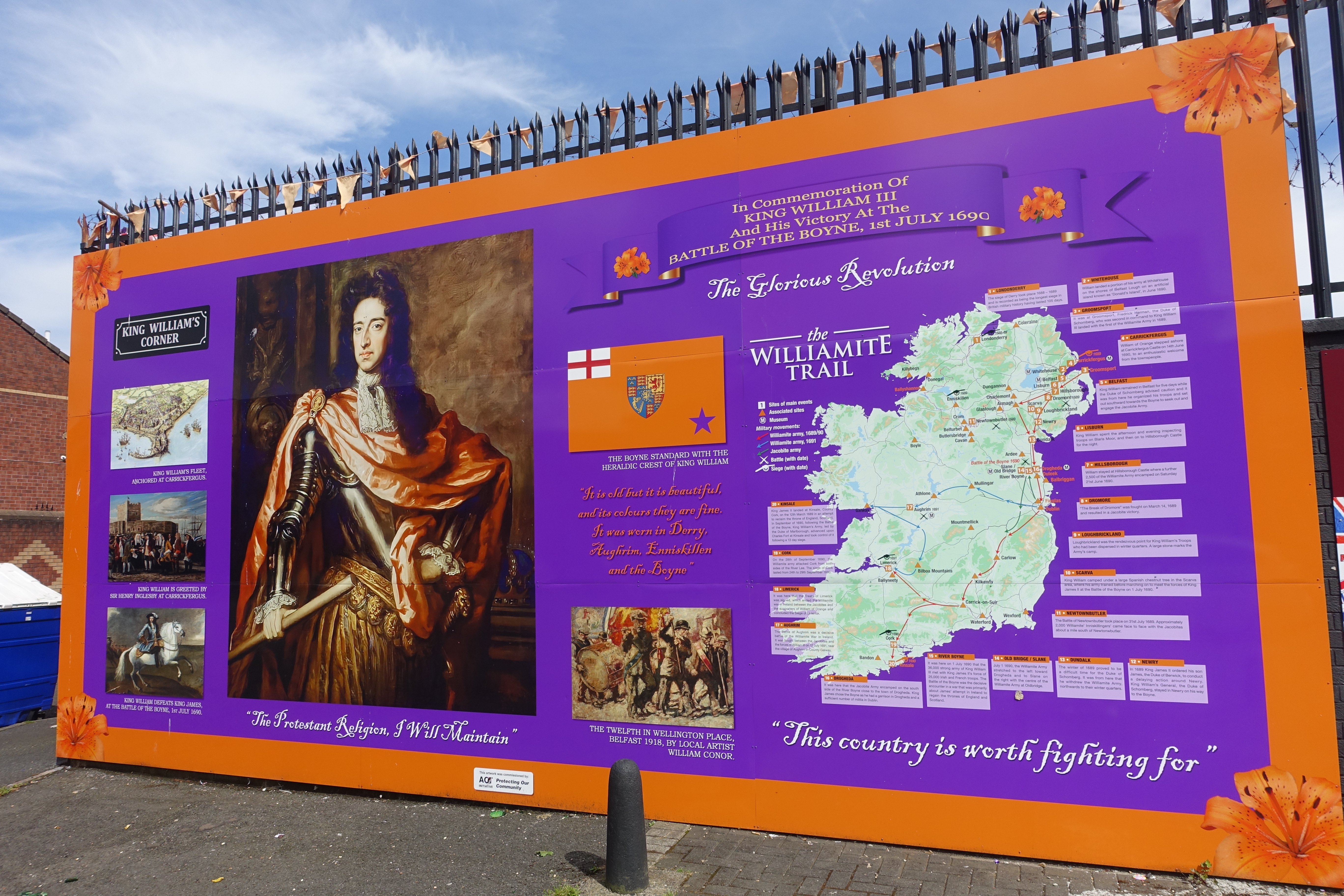
The Shankhill is the most renowned Loyalist area of Belfast. Both the Ulster Volunteer Force (UVF) and the Ulster Defence Association (UDA), the leading loyalist para-military organisations during The Troubles, originated in the area. At its heart is the Shankhill Road. Along its route can be seen numerous murals which celebrate the Union between Northern Ireland and the rest of the United Kingdom, as well as the associated loyalty to the Crown.
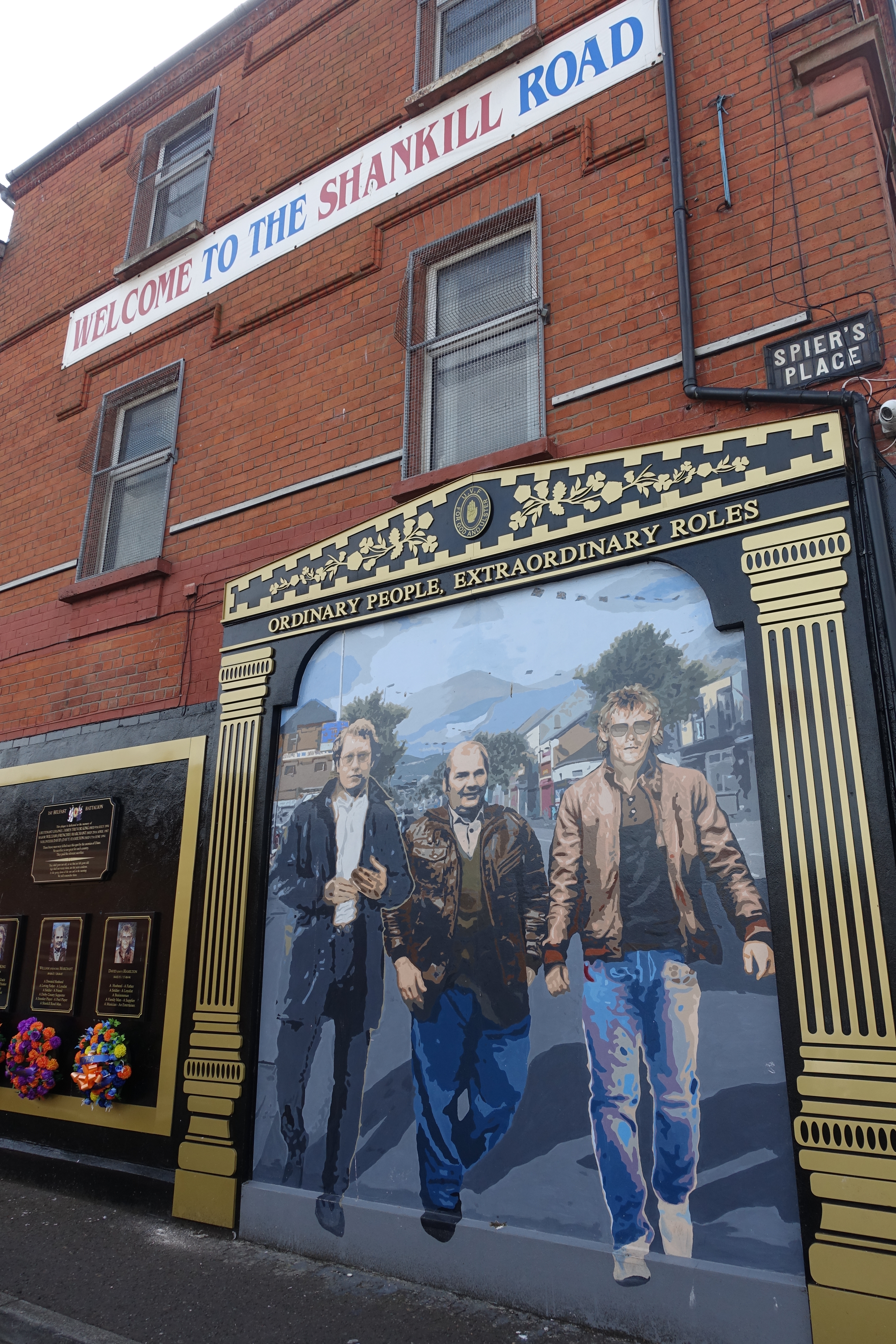
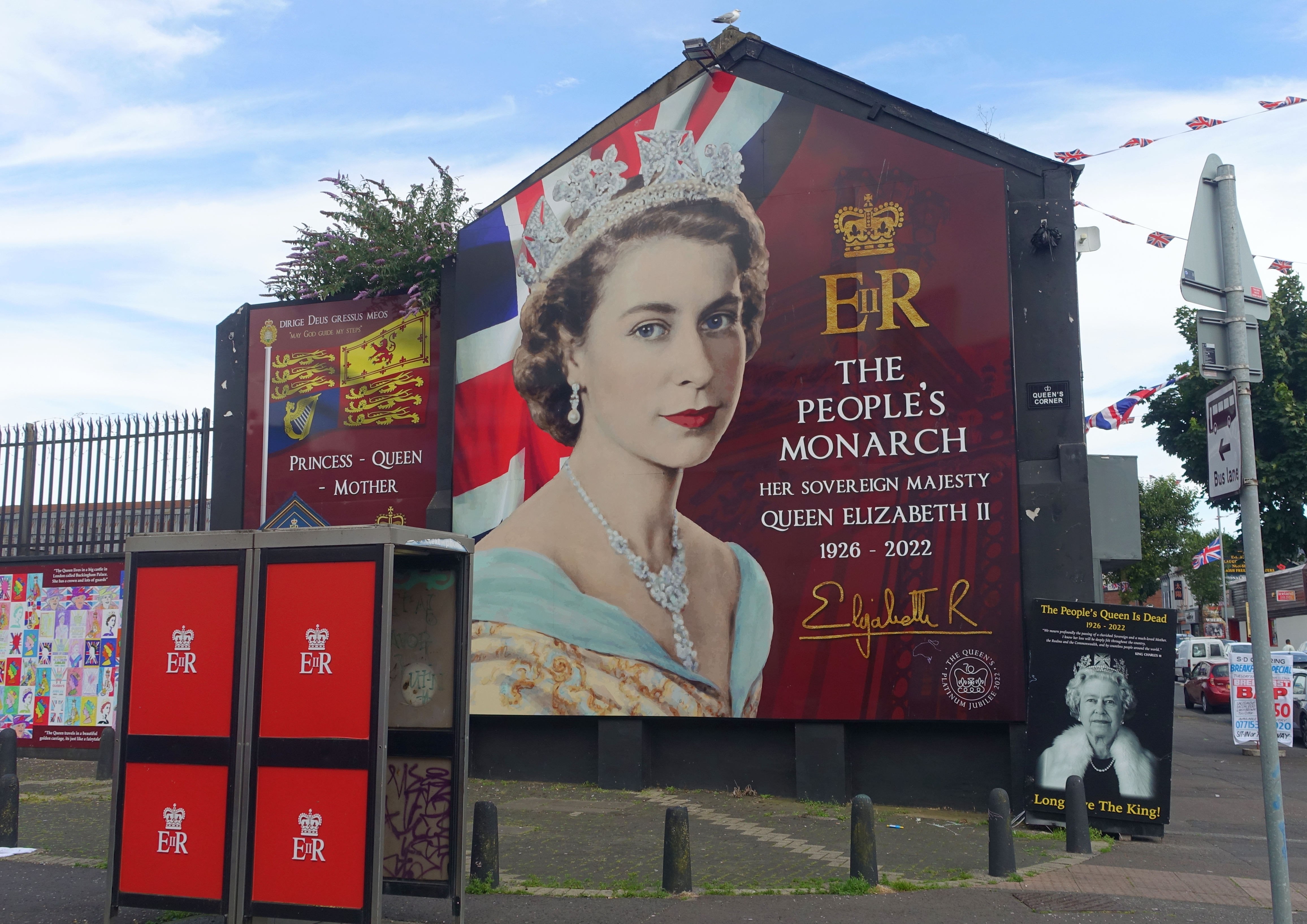
Many of the murals celebrate specific historical landmarks and cultural traditions which are still honored today, such as the Orange Order parade which occurs during the ‘marching season’ between April and August.
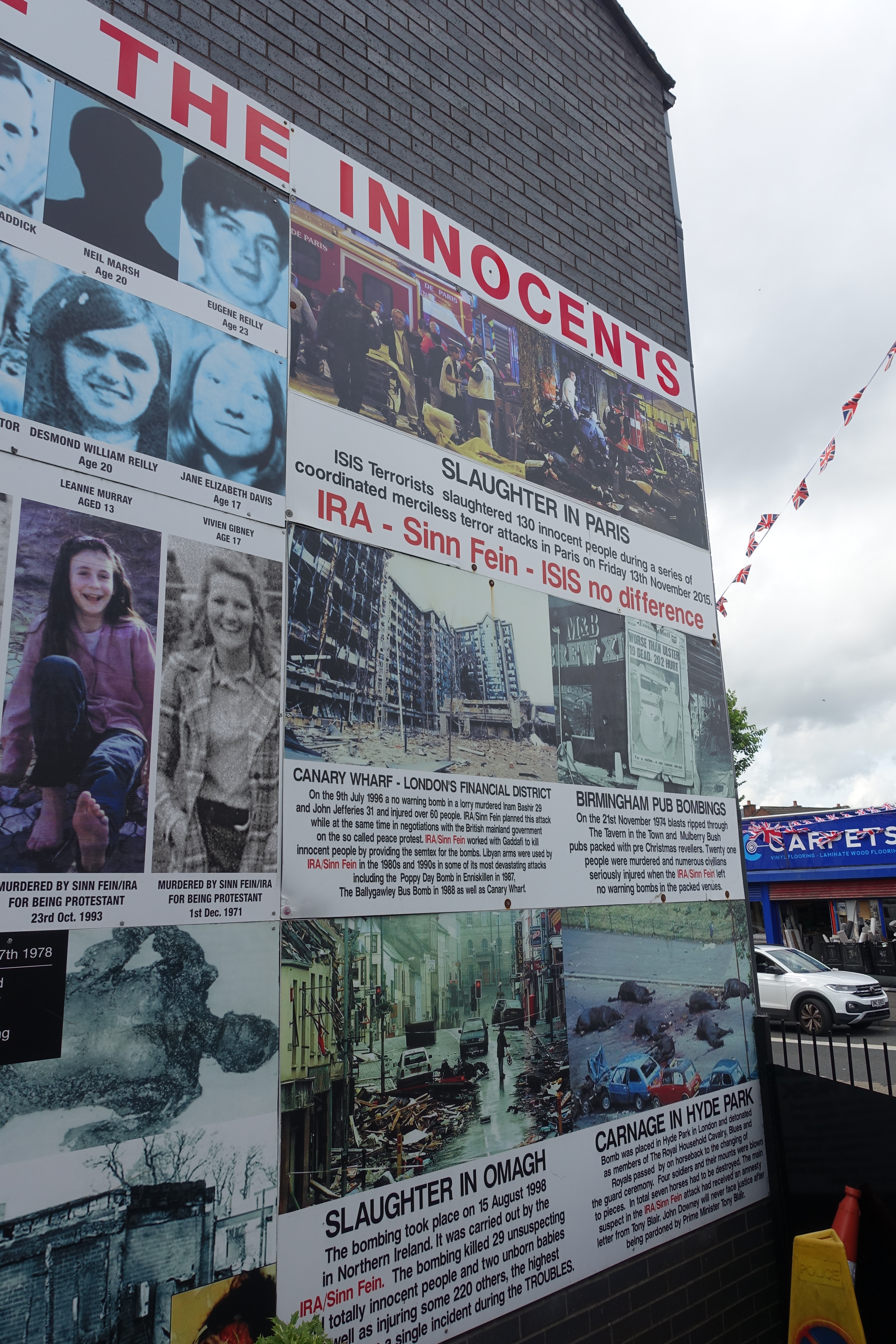
As in the Falls Road, there is an attempt to provide a Unionist interpretation of some of the more controversial episodes of the Troubles, which includes making comparisons between IRA ‘atrocities’ and those of ISIS and Islamic terrorism.
The Shankill Road now forms part of the Belfast tourist bus route, a far cry from during ‘The Troubles’ when it was considered a dangerous place for outsiders to visit.

Whilst the old terraced housing has been largely replaced by new estates, the Shankhill is still one of the most deprived areas of Northern Ireland, and has suffered a sharp decline in population in recent decades.
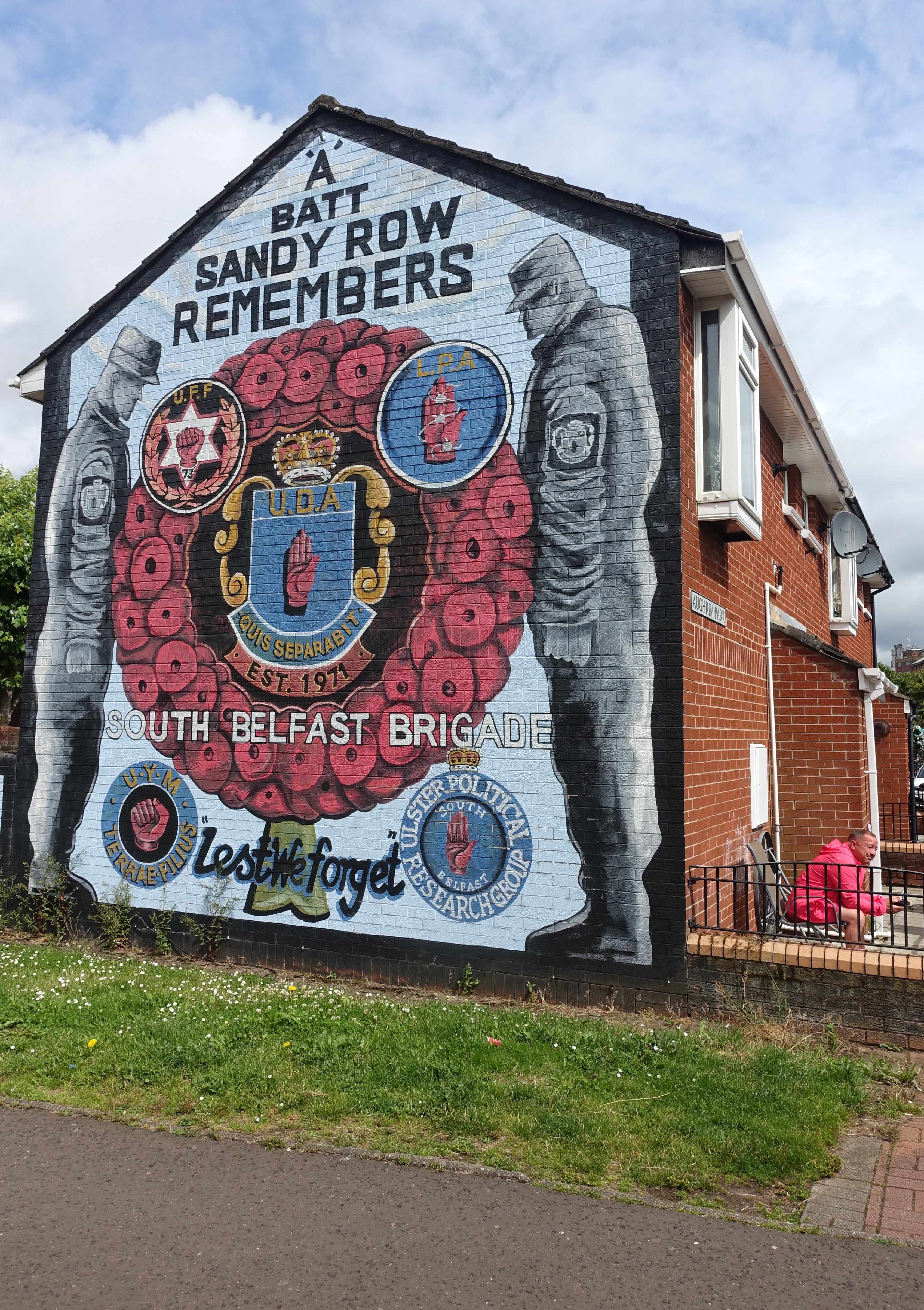
Unionist loyalties can be seen in other areas of the city such as South Belfast
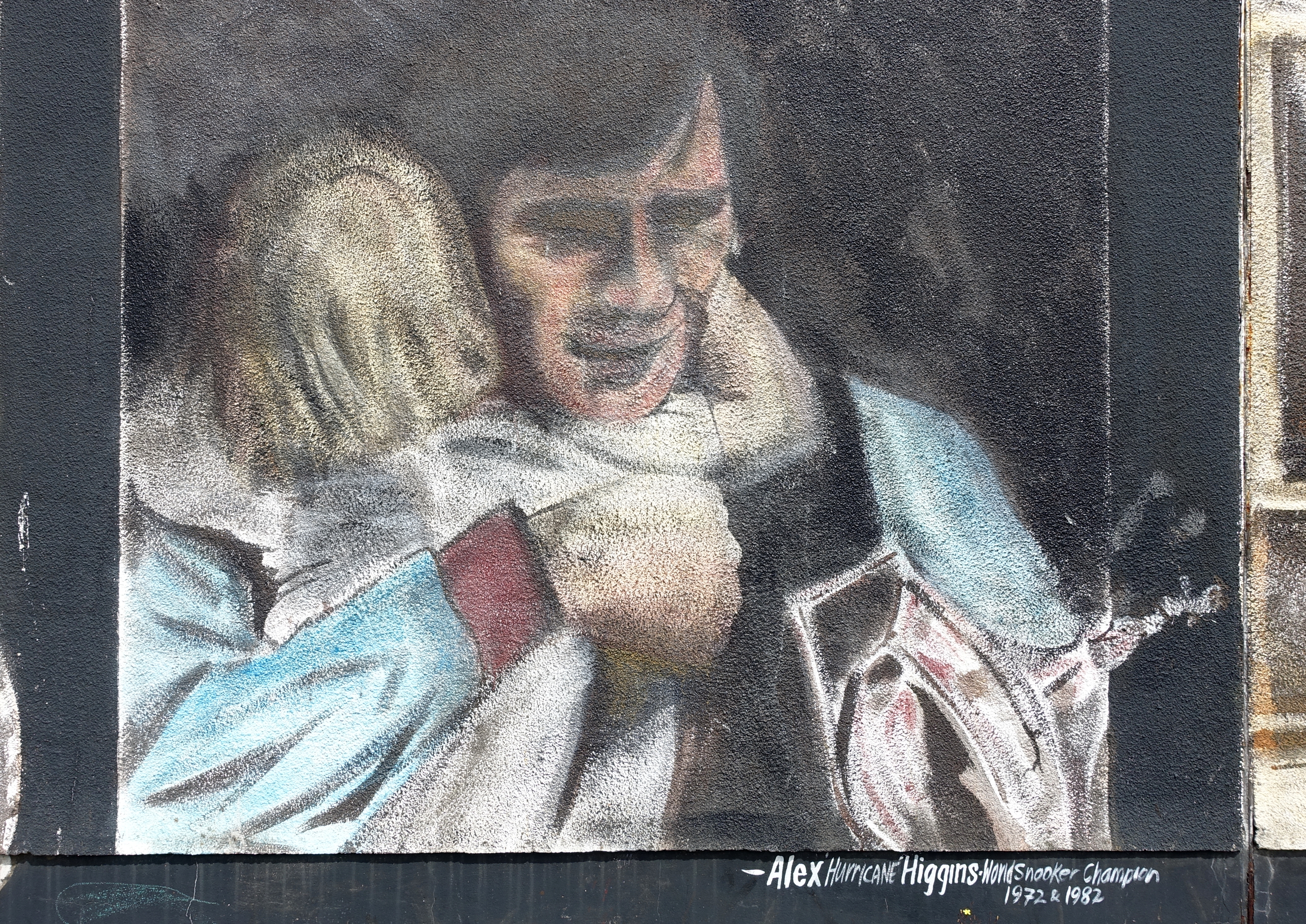
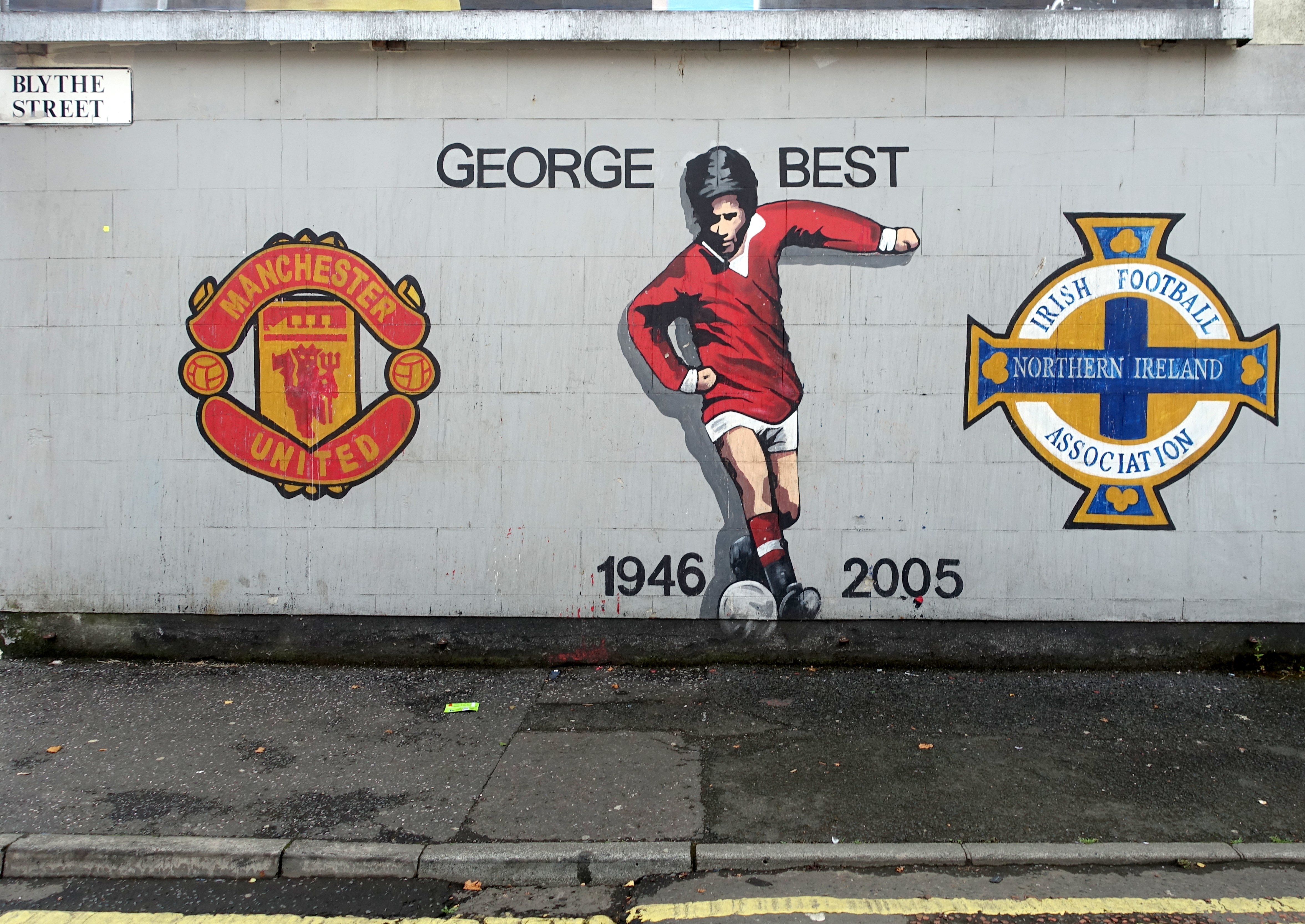
Other murals pay homage to local sporting heroes such as snooker star Alex Higgins and footballing legend George Best (who was born in East Belfast)
Derry/Londonderry

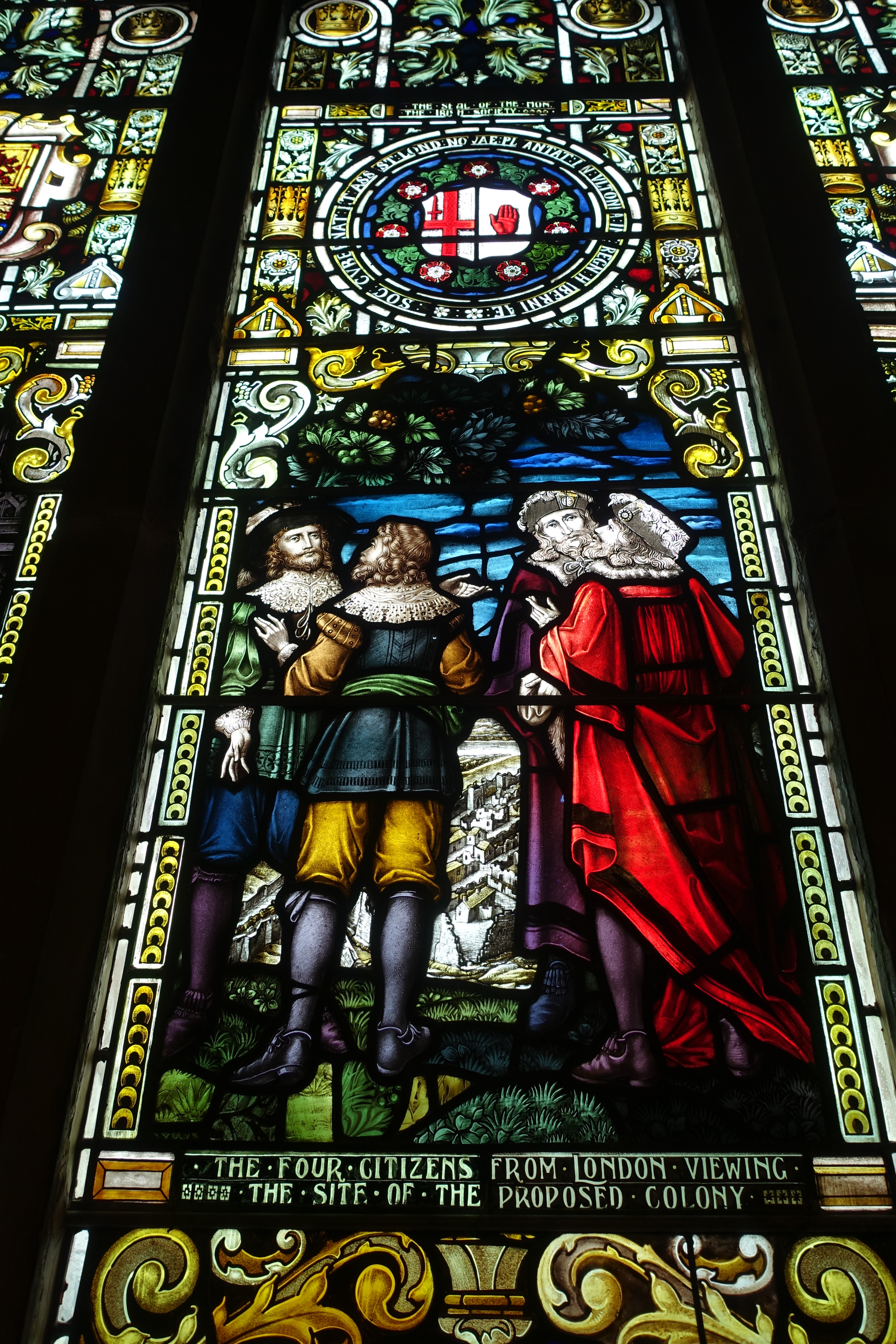
The two differing names for the same city amply symbolise the historical divide between Republican and Unionist political allegiances in Northern Ireland. At the beginning of the 17th century, settlers began arriving, largely from Scotland and Northern England, a colonial episode known as the Plantation. The process was overseen by London guilds, as reflected in the stained glass windows of Derry’s Guild Hall.

It was in Derry, Northern Ireland’s second largest city, that arguably ‘The Troubles’ began in the late 1960s during and after the Civil Rights marches. These protests were aimed at challenging the social and political discrimination against the city’s (majority) Catholic citizens by the minority (Protestant controlled) institutions of local government and law enforcement. In August 1969, violence broke out between residents of Derry’s Bogside district and Unionist participants in the Apprentice Boys march. The deployment and heavy handed tactics of the notorious Protestant dominated Ulster Special Constabulary (USC), known as the B Specials, contributed to what became known as the ‘Battle of the Bogside‘.

The Bogside as seen from Derry’s historic city walls

Later in 1969, the British Army took over from the USC (who were disbanded a year later). Whilst initially welcomed by the local population, relations quickly turned sour and reached their nadir in 1972 following ‘Bloody Sunday’, probably the most infamous incident during the whole of the ‘the Troubles’
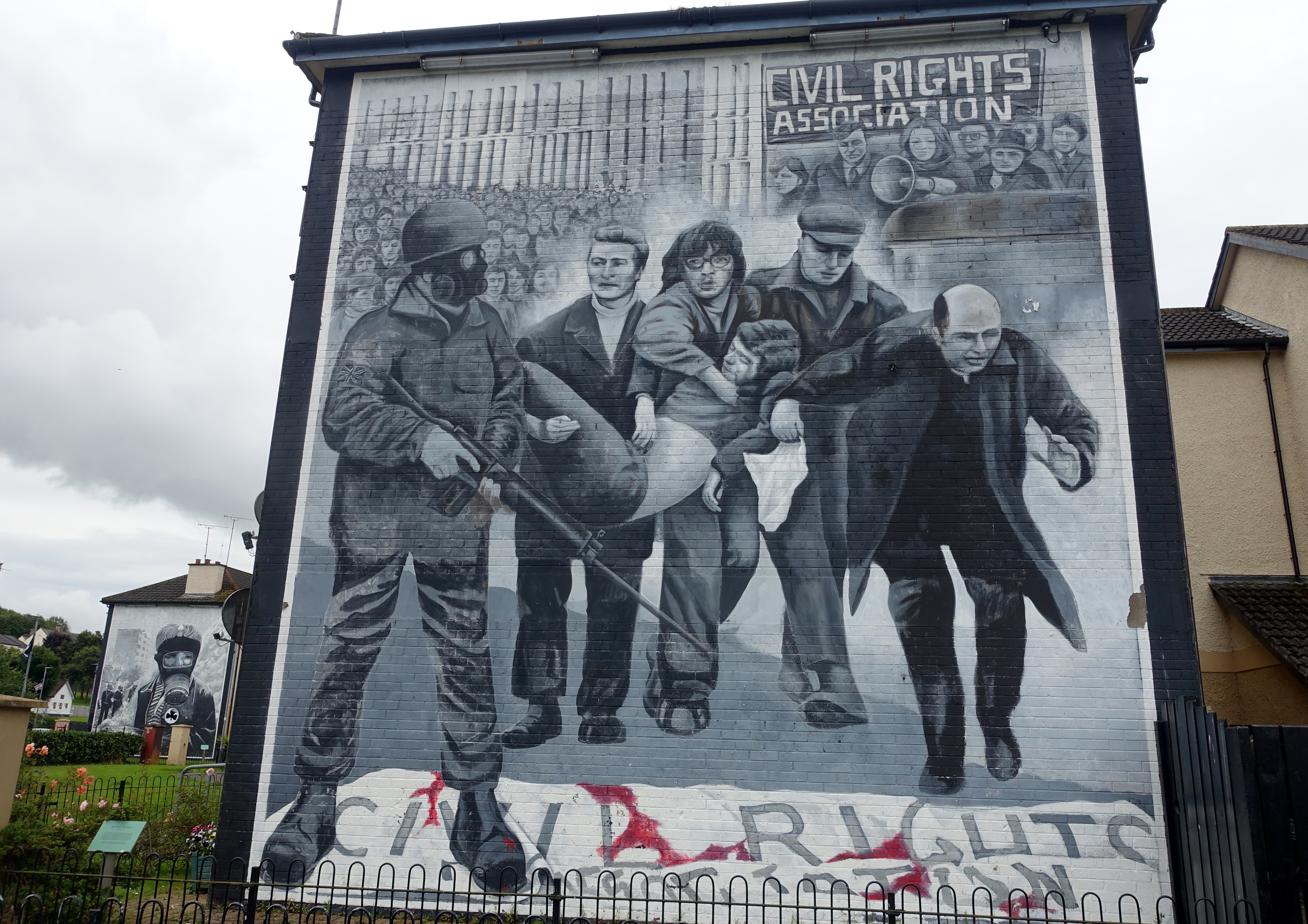
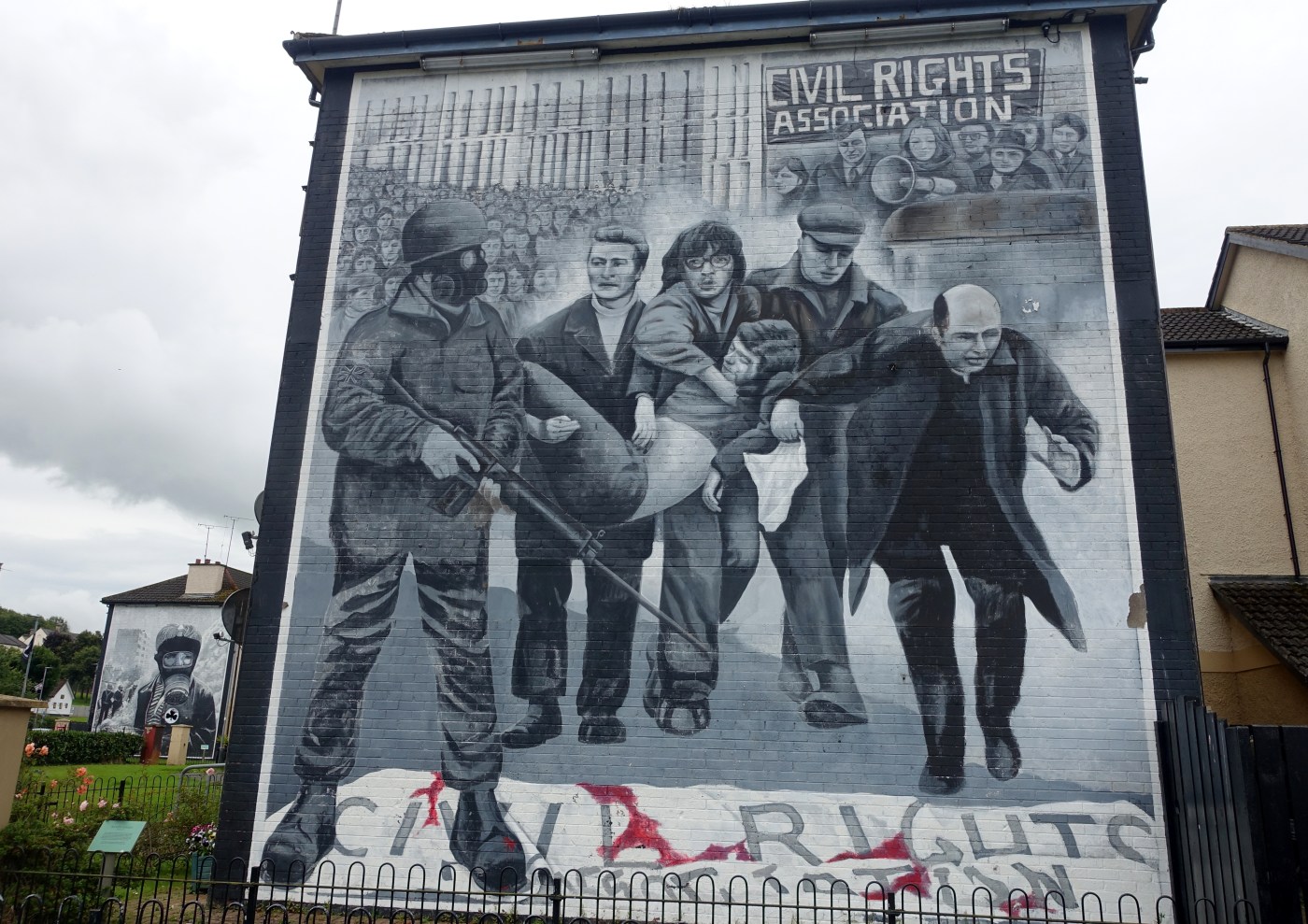
A Bogside mural depicting Bloody Sunday

Nowadays, the Bogside is home to numerous striking political murals as well as the Museum of Free Derry
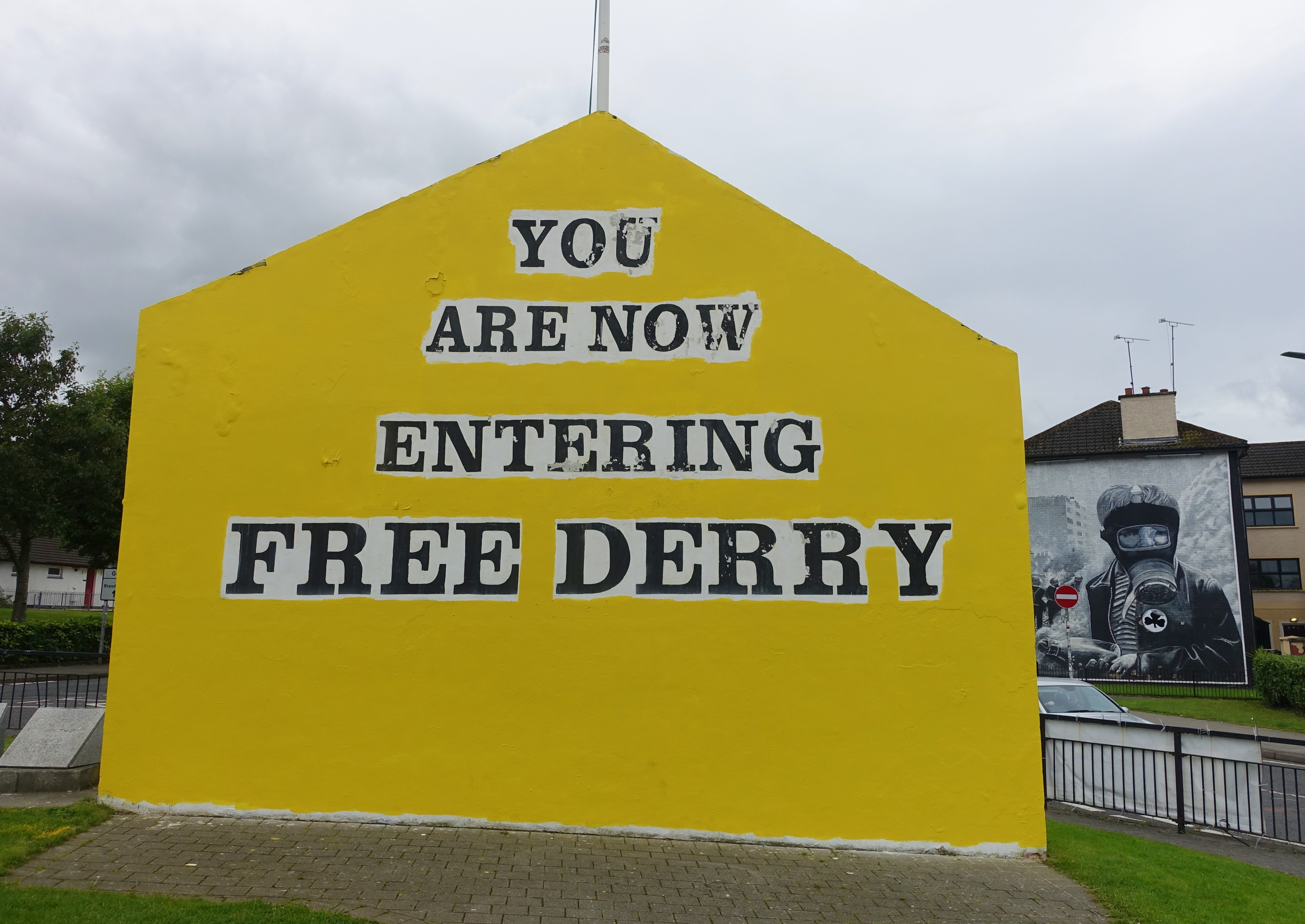
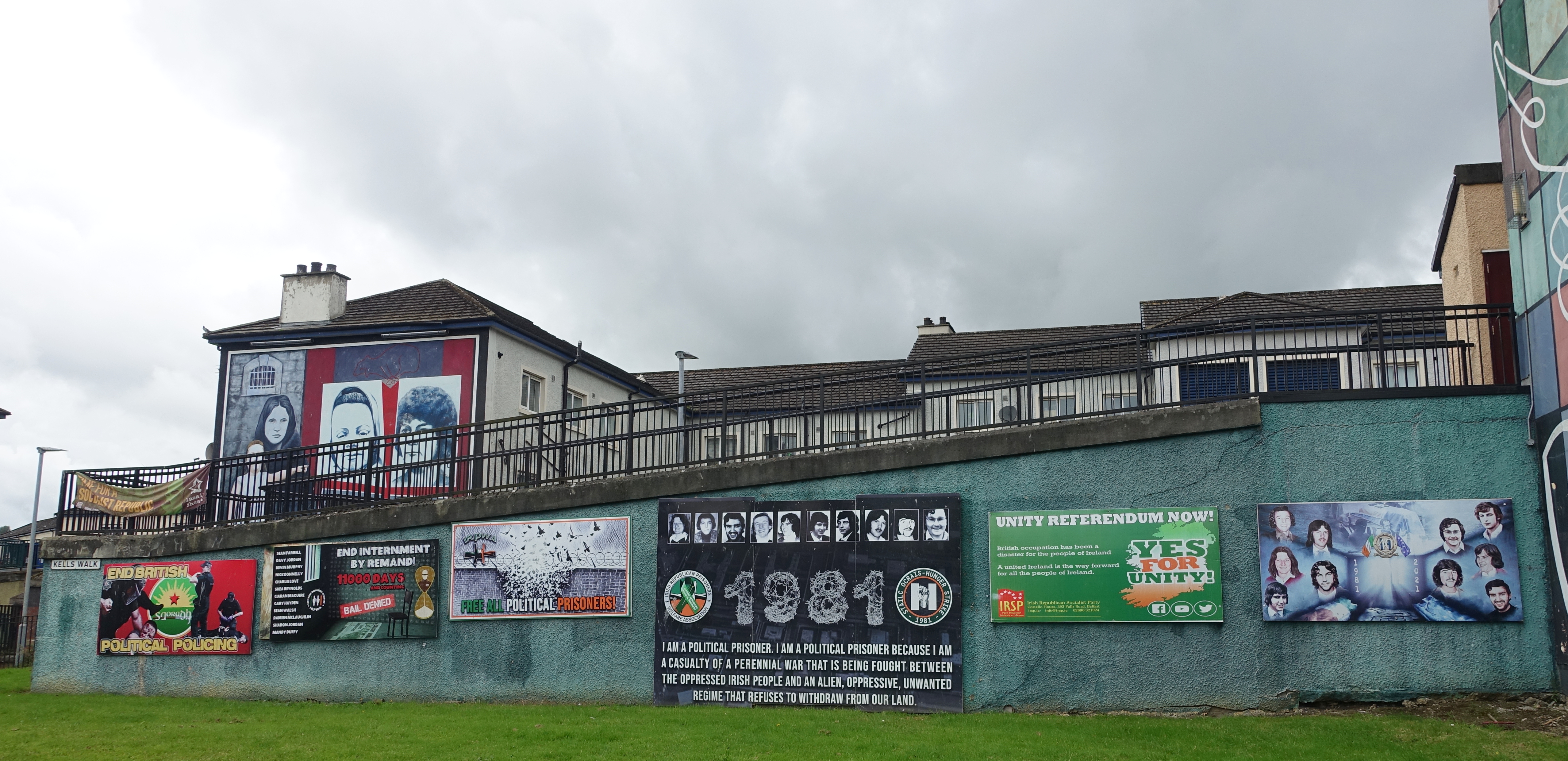
A modern update of the mural which first appeared during the Battle of the Bogside

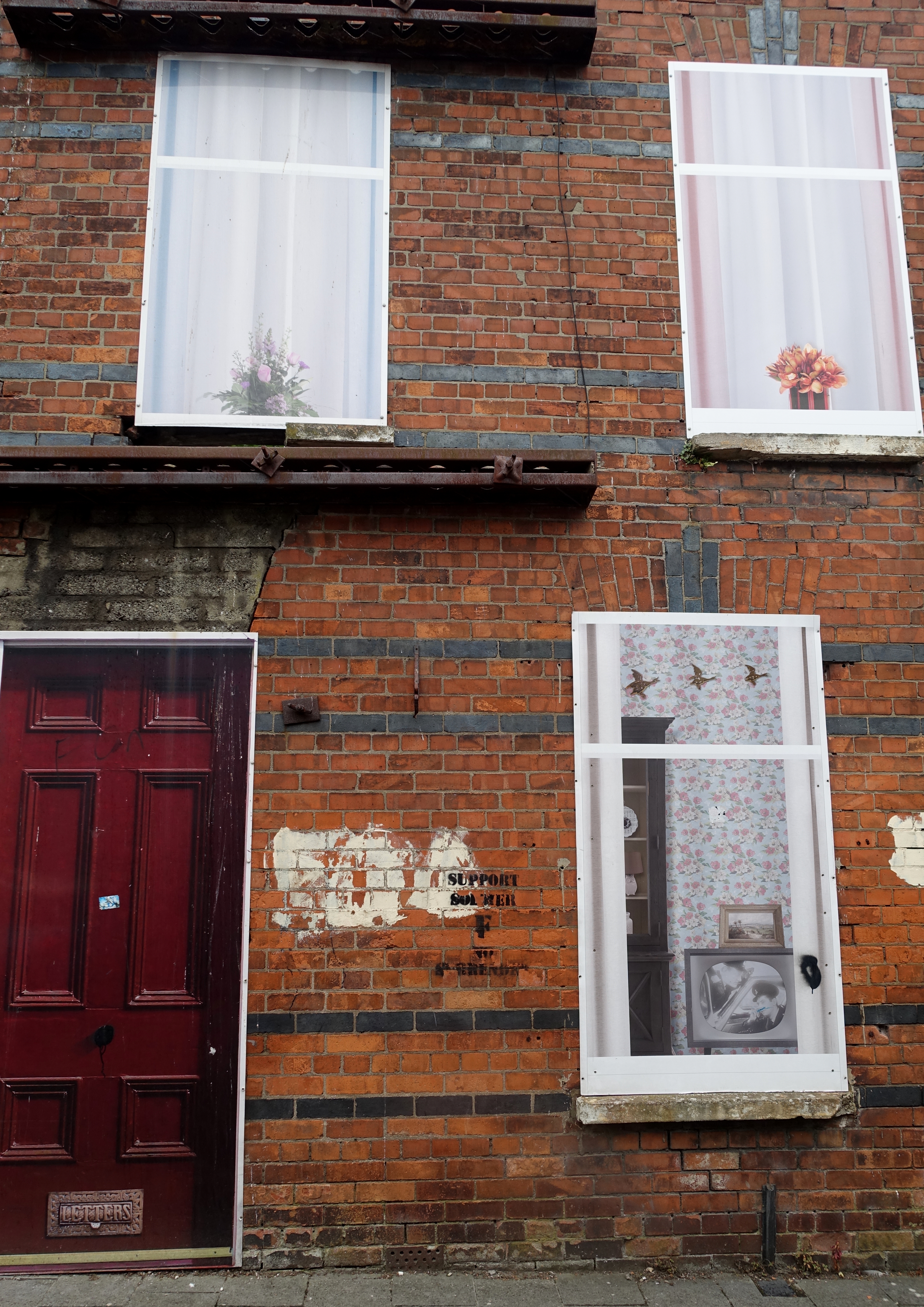
Whist the Protestant population in Derry has steadily declined in number, there are still areas of the city where you can see its Unionist allegiances.
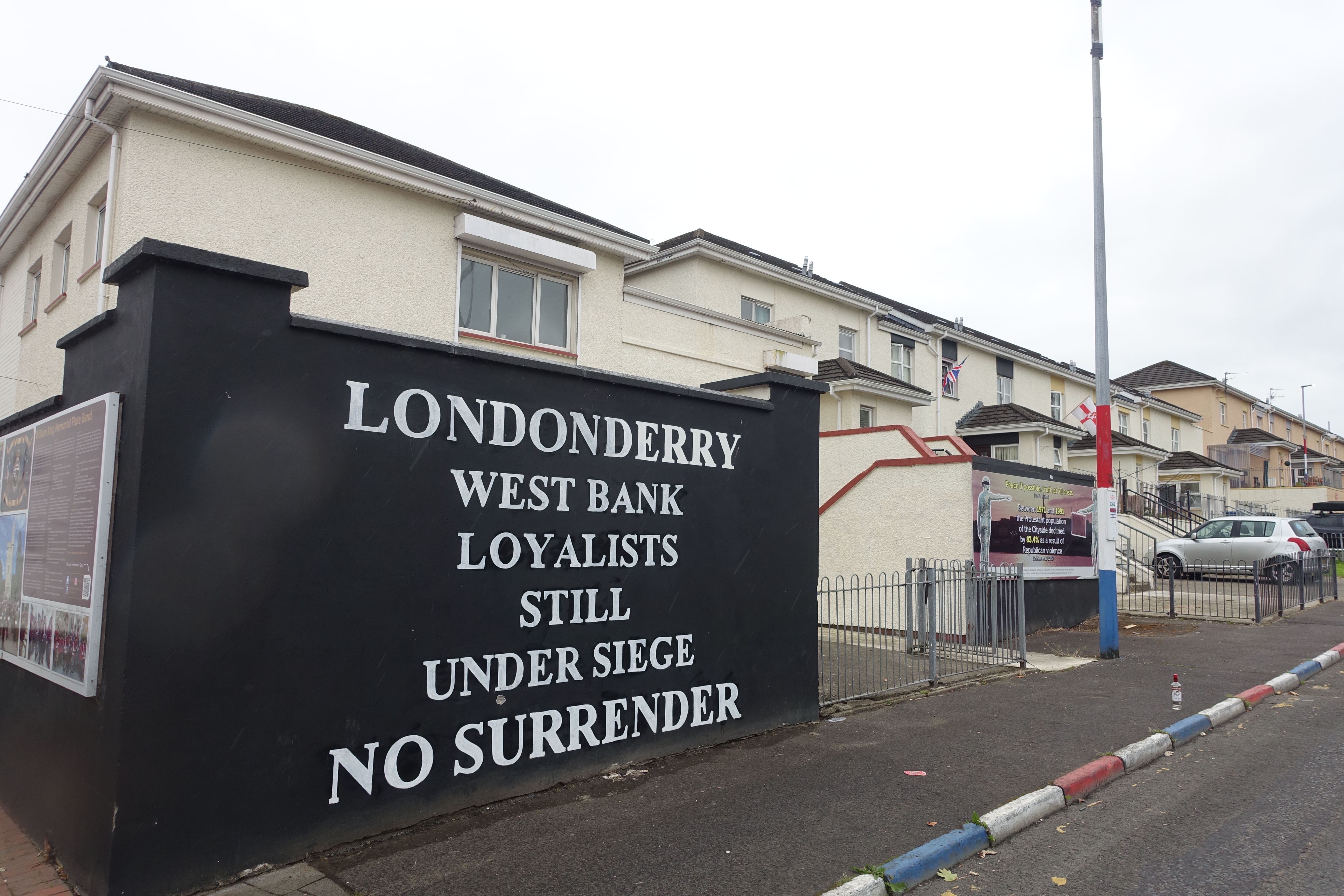
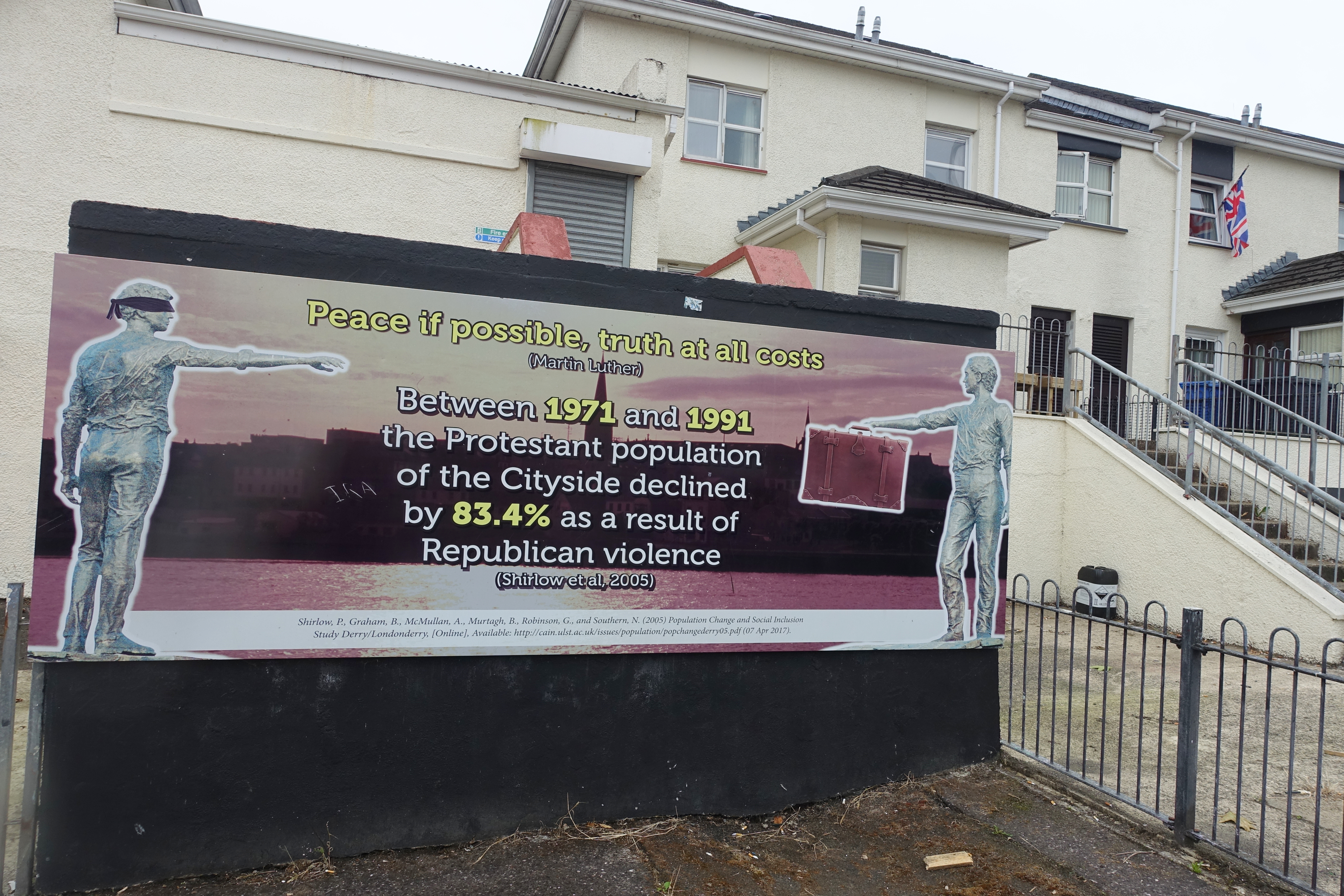
In small black print, someone has written ‘Support Soldier F’. This refers to the one British soldier who has been charged with two of the Bloody Sunday killings, and who finally appeared in court in June 2024, over 52 years after the incident occurred.

Two murals from the Waterside area of Derry near the Erbington Barracks where the British Army was based during the Troubles.

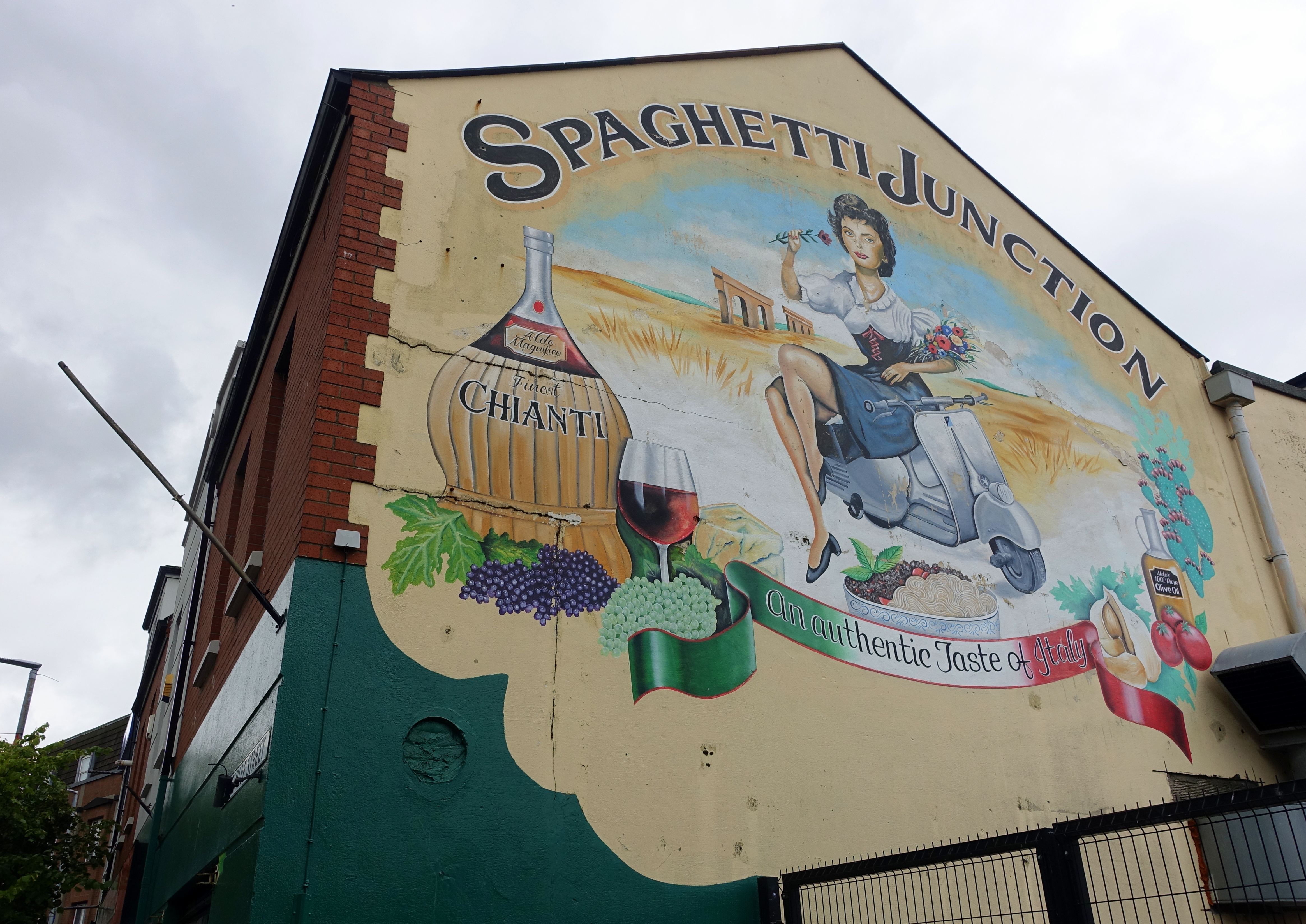
Notwithstanding its troubled political history and continuing problems of poverty and deprivation, we found Derry to be an extremely friendly and attractive city – not least its circuit of historic walls. One of the city’s newer murals pays tribute to Derry Girls, the successful tv comedy series, whilst another highlights a popular long standing Italian restaurant

Ten of Europe’s most beautiful train stations

One of the great pleasures of travelling across Europe by train is spending time in some very beautiful, and often quite historic, railway stations. Apart from being examples of magnificent architectural design, many of the best stations are reminders of an era when train travel enabled passengers to explore new countries and cultures. With good reason they were often seen as railway ‘temples’ or ‘cathedrals’.

Below are ten of the most beautiful railway stations selected we have enjoyed on our recent travels.

1. London St Pancras.

The Midland Hotel

As the home of Eurostar, the commencement of many of our European adventures, but principally because of its magnificent splendour, it seems appropriate to begin with St Pancras.

Many of the major termini of railways built in the 19th and early 20th century featured a showpiece hotel adjacent to the main station. St Pancras is fronted by the splendid gothic Midland Grand Hotel, designed by George Gilbert Scott and first opened in 1873. Having closed for hotel guests in 1935 and fallen into disrepair, the hotel was threatened with demolition until being protected by being given a Grade 1 listing in 1967 . Eventually, the hotel re-opened in 2011, after an extensive programme of restoration.

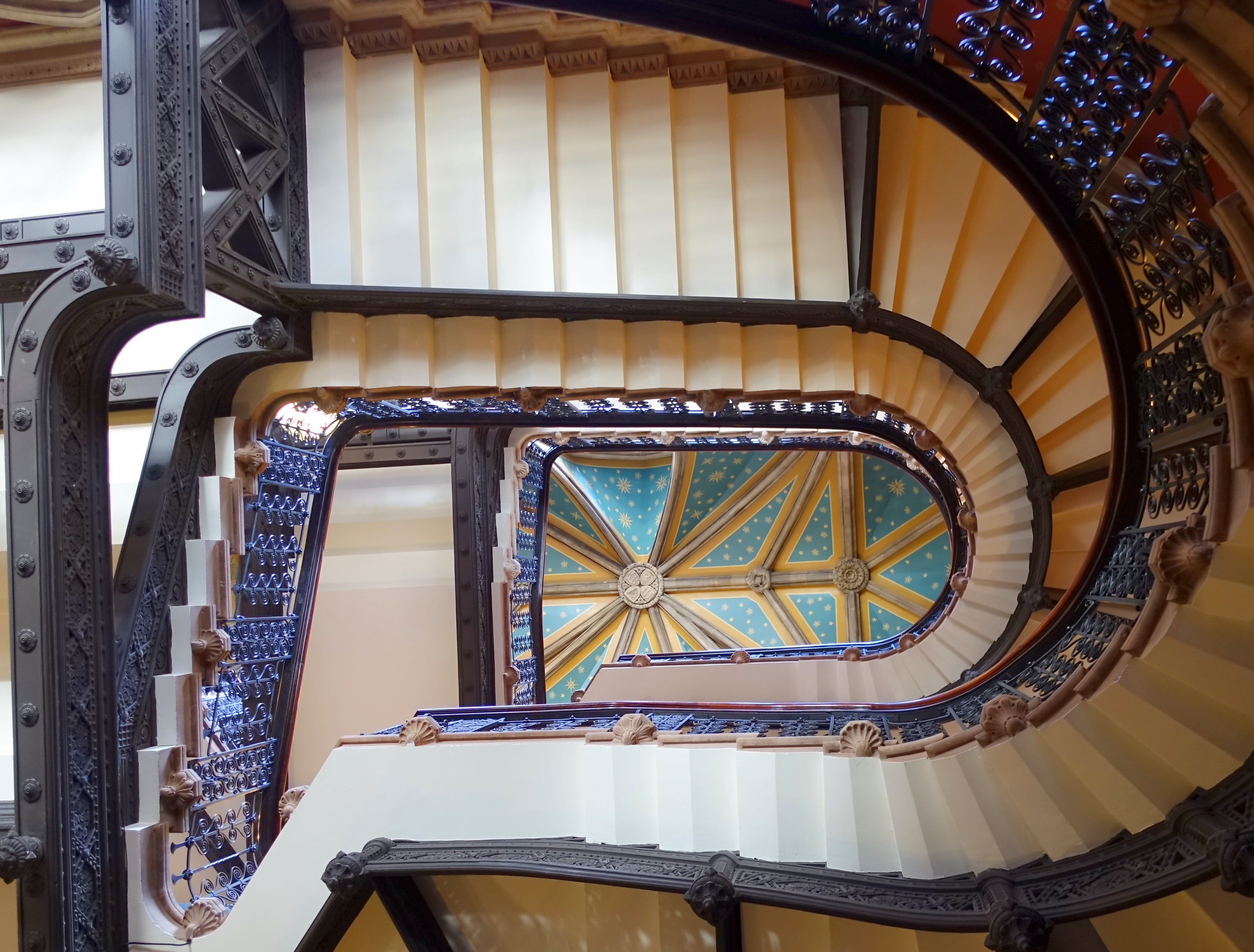
One of the hotel’s stylish spiral staircases

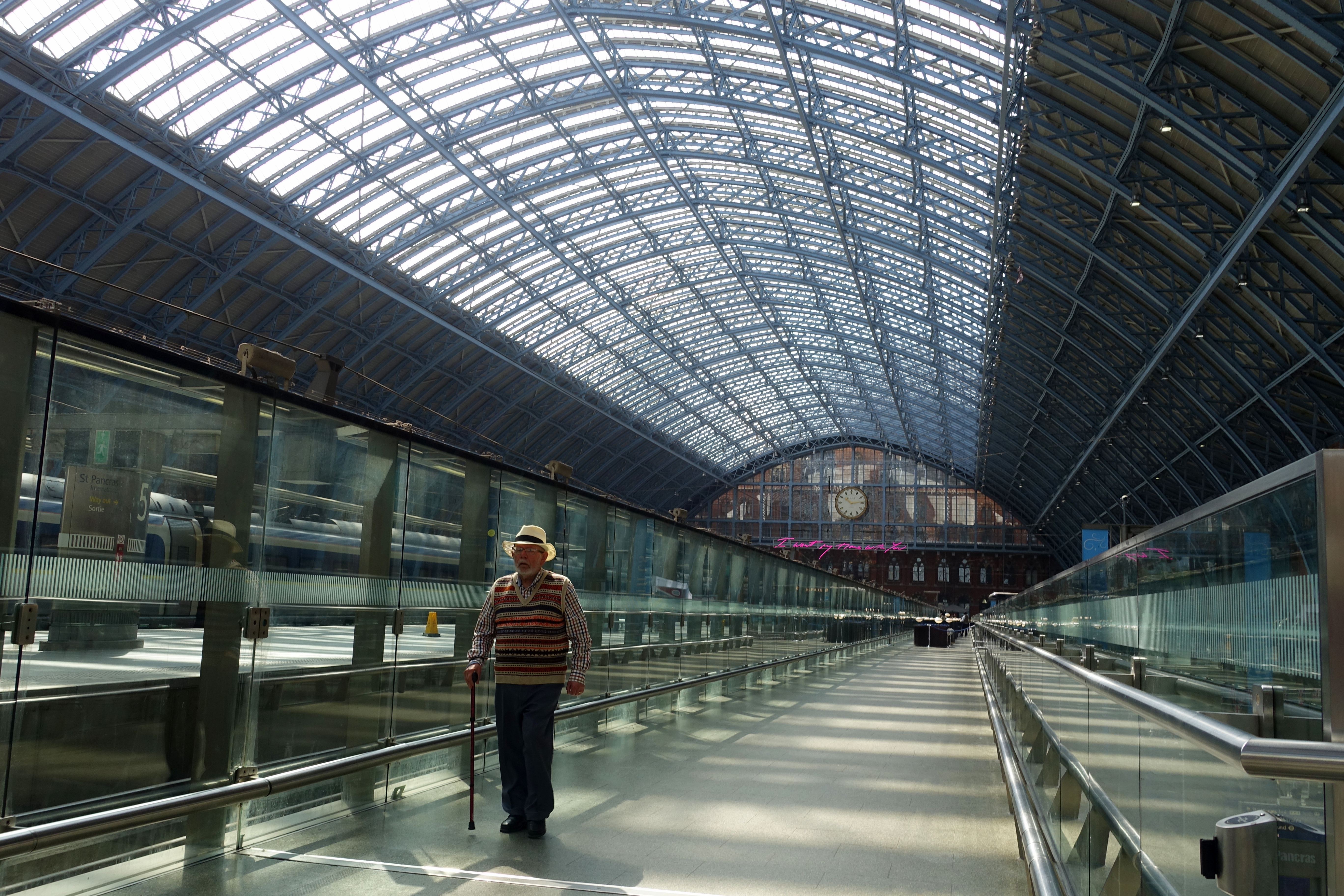
The main station also survived demolition, and was restored to its former glory in 2007 to coincide with it succeeding Waterloo as the Eurostar terminal. St Pancras boasts a superb roof which spans five tracks and when it opened in 1868, was the largest single span roof in the world. The station’s striking red walls contain over 60 million bricks (see https://stpancras.com/history/creating-an-icon for an historical overview), which indicates the huge effort which went into its construction. As part of its restoration programme a range of interesting works of art have been installed which provide a more contemporary edge.

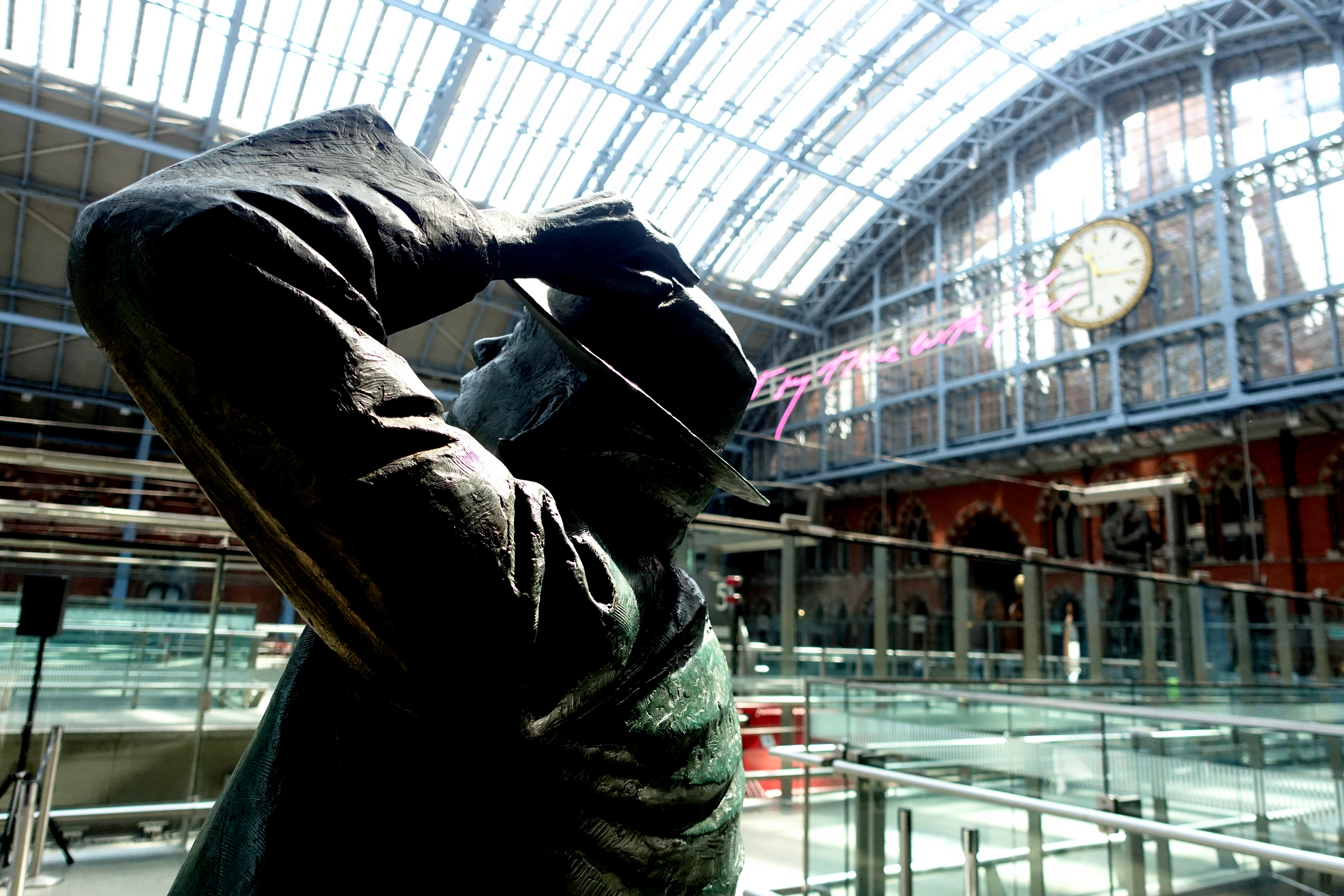
At the far end of the platform can be seen Tracey Emin’s light installation ‘I want my time with you
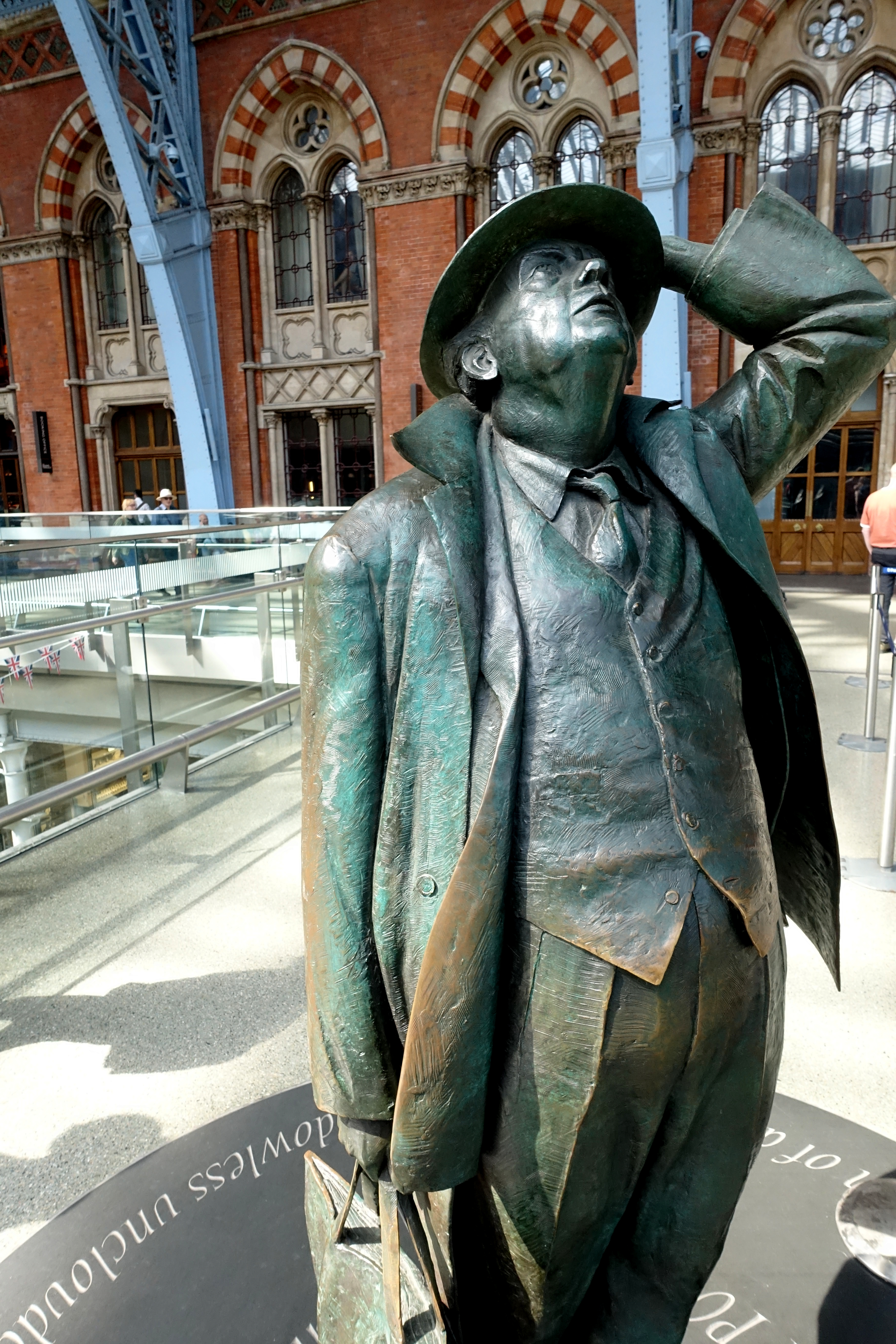
John Betjeman, the poet, who led a campaign to save the station from demolition in the 1960s
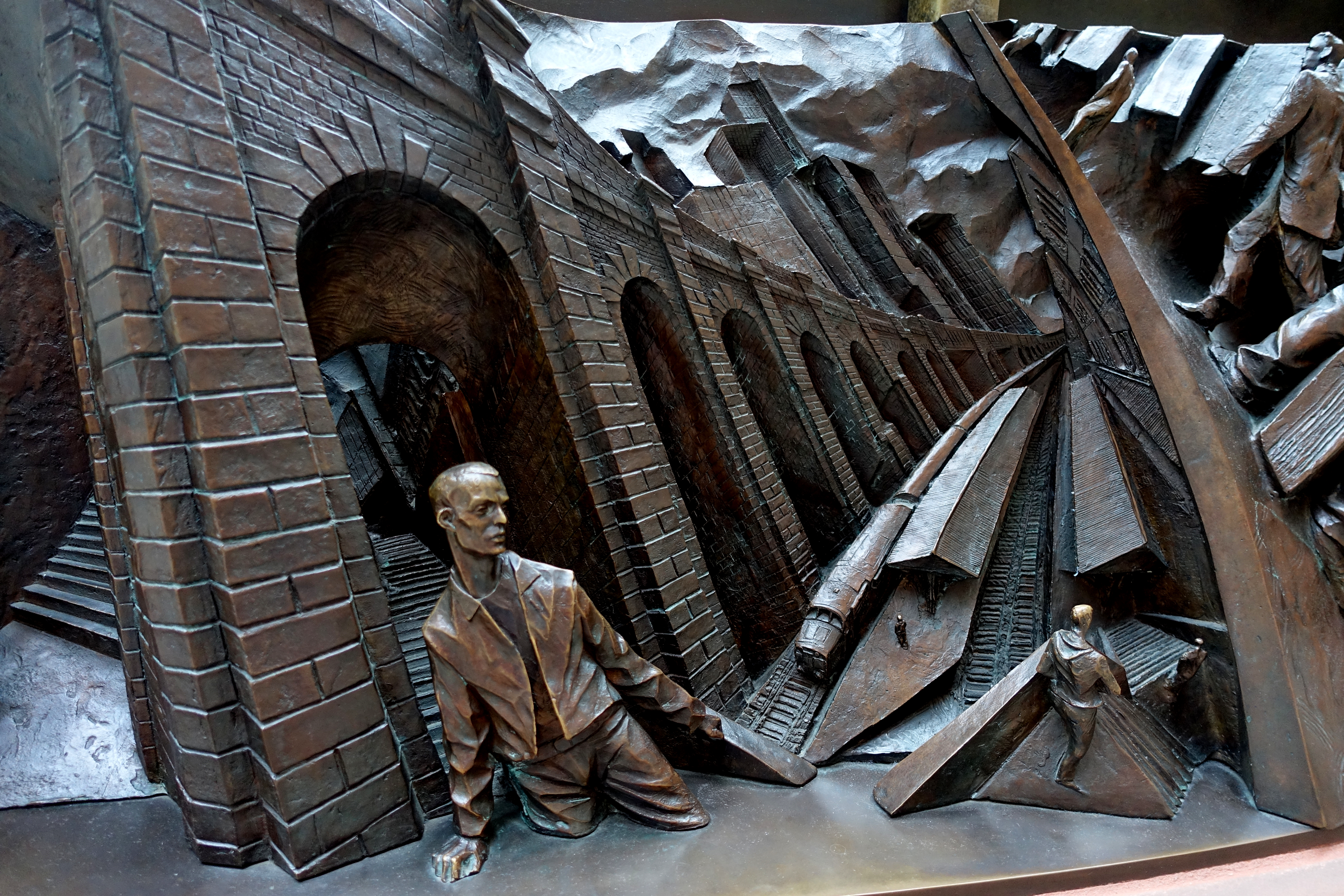
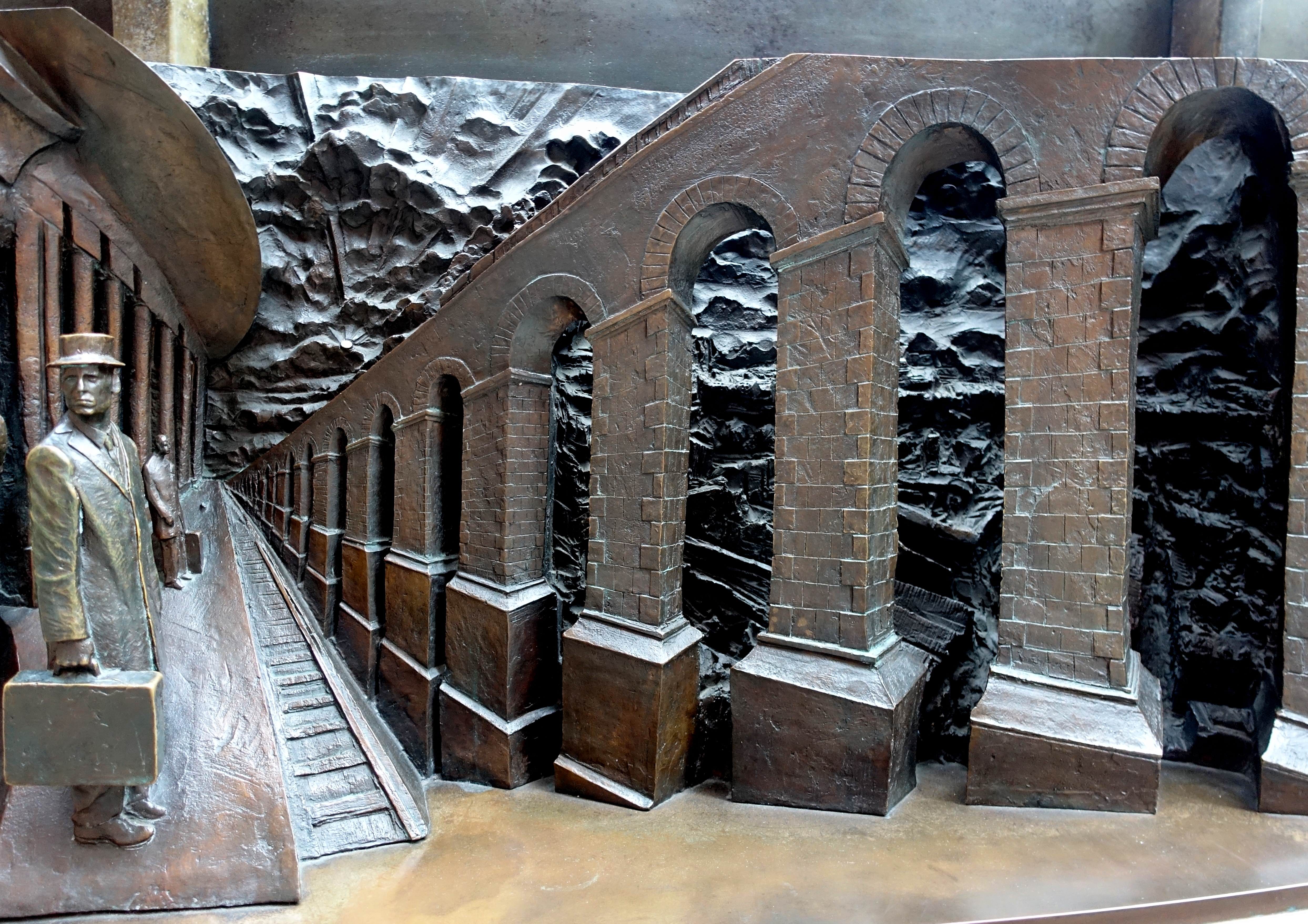
Below Paul Day’s sculpture, The Meeting Place, which is not universally popular, is an impressive frieze inspired by railway themes.

2. Sao Bento, Porto

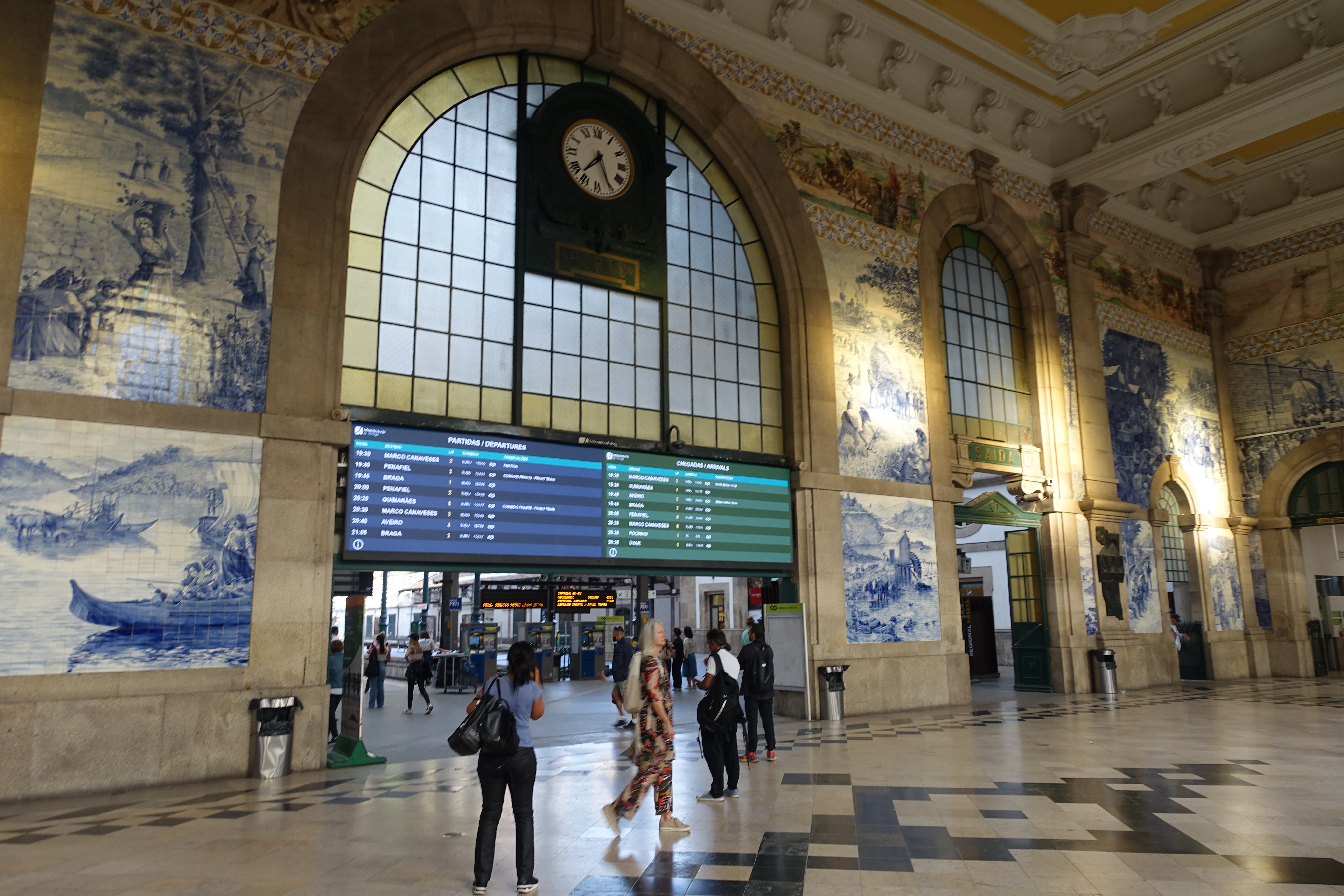
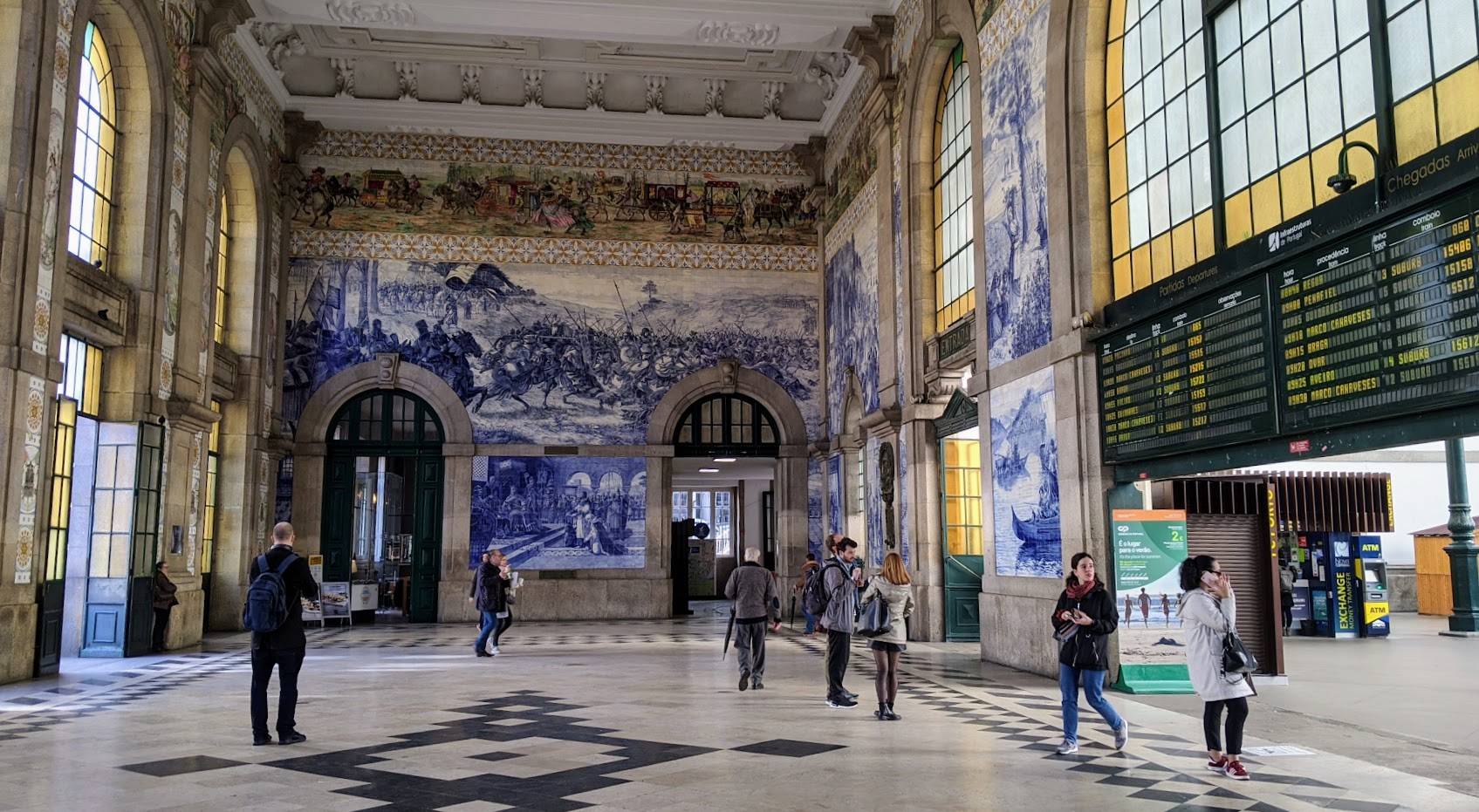
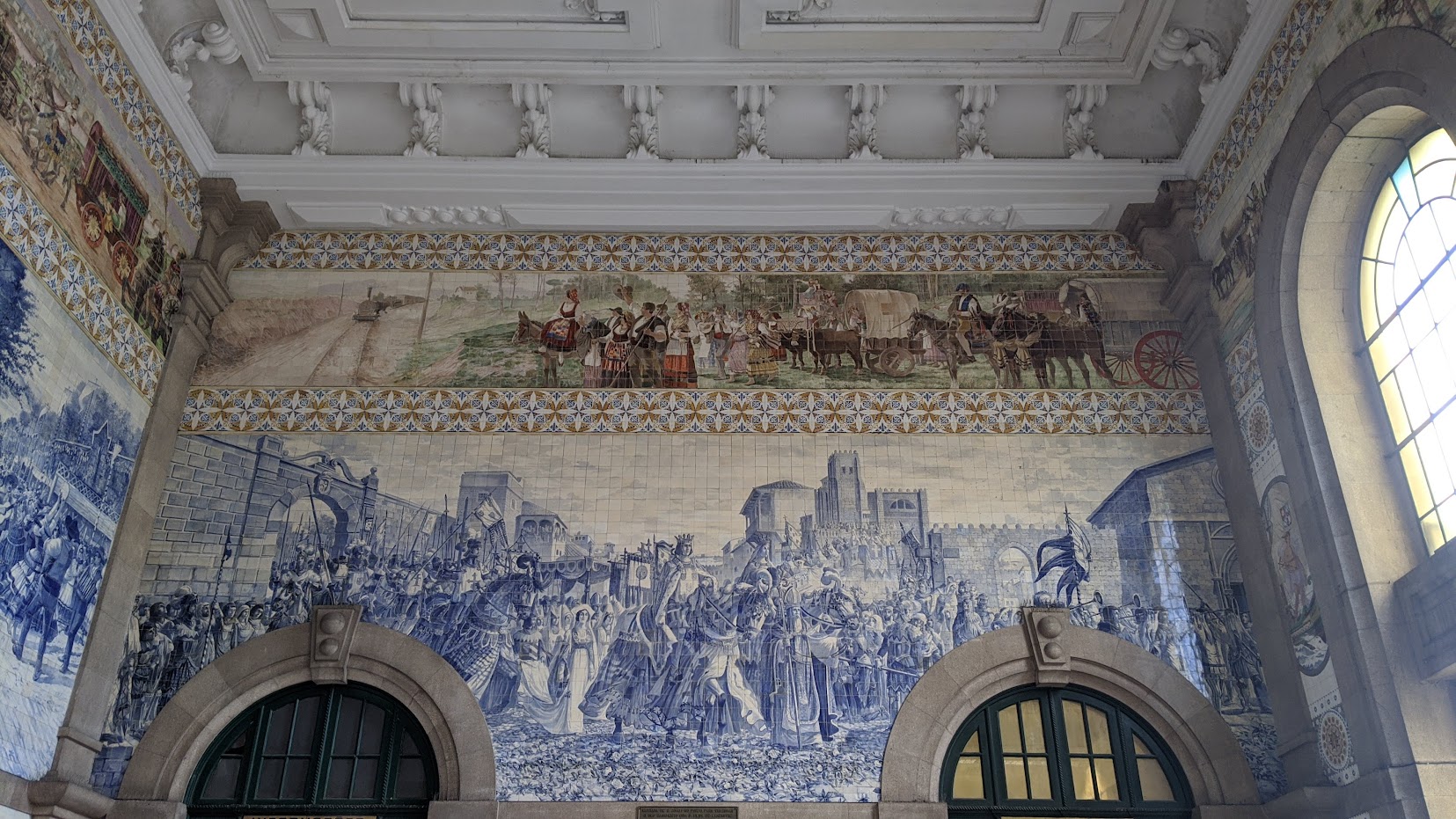
Opened in 1916 on the site of a former convent, and inspired by French architectural style, the station is renowned for its display of 22000 Azulejo tiles which are a distinctive feature of the Porto landscape. They depict notable scenes form Portuguese history.

King John I and Philippa of Lancaster arrive for their wedding in 1387. 

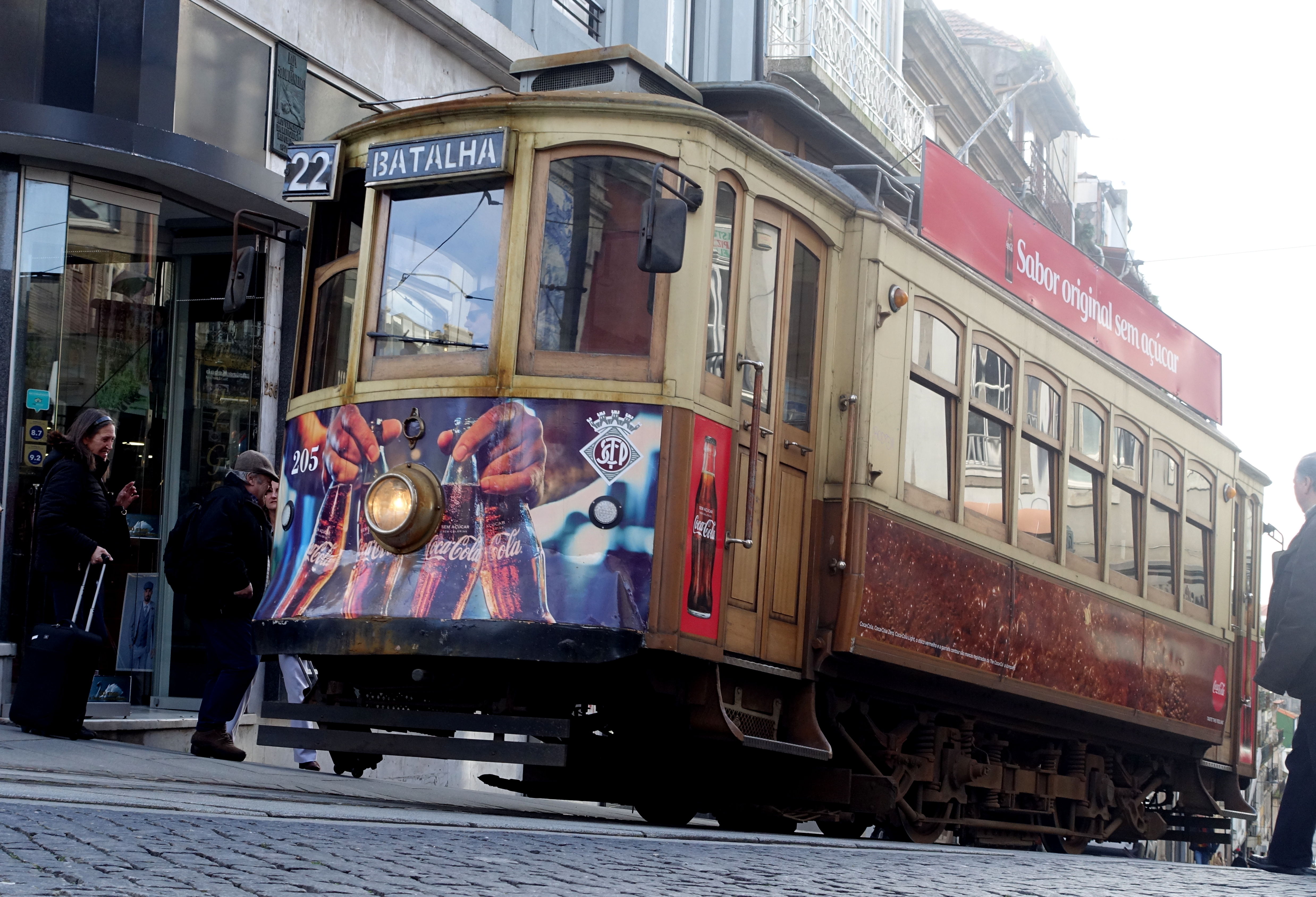
The station is situated in the heart of Porto’s historic urban centre, alongside old dwellings which cascade down its hilly streets. The completion of the station was delayed by several years because of a landslide at the opening to the tunnel leading to the station. To add to the historic flavour, vintage trams still haul passengers up the steep neighbouring streets.

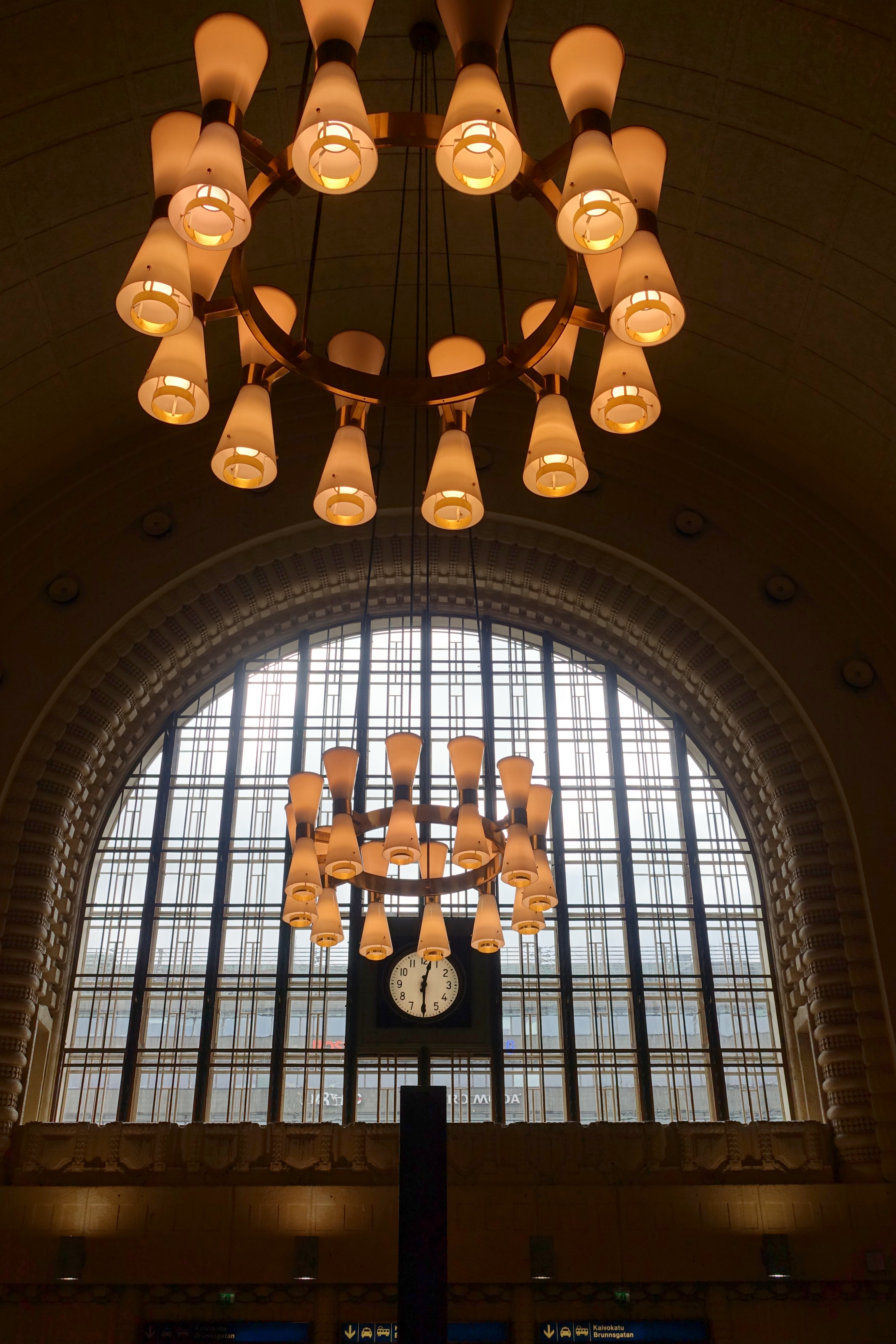
3. Helsinki

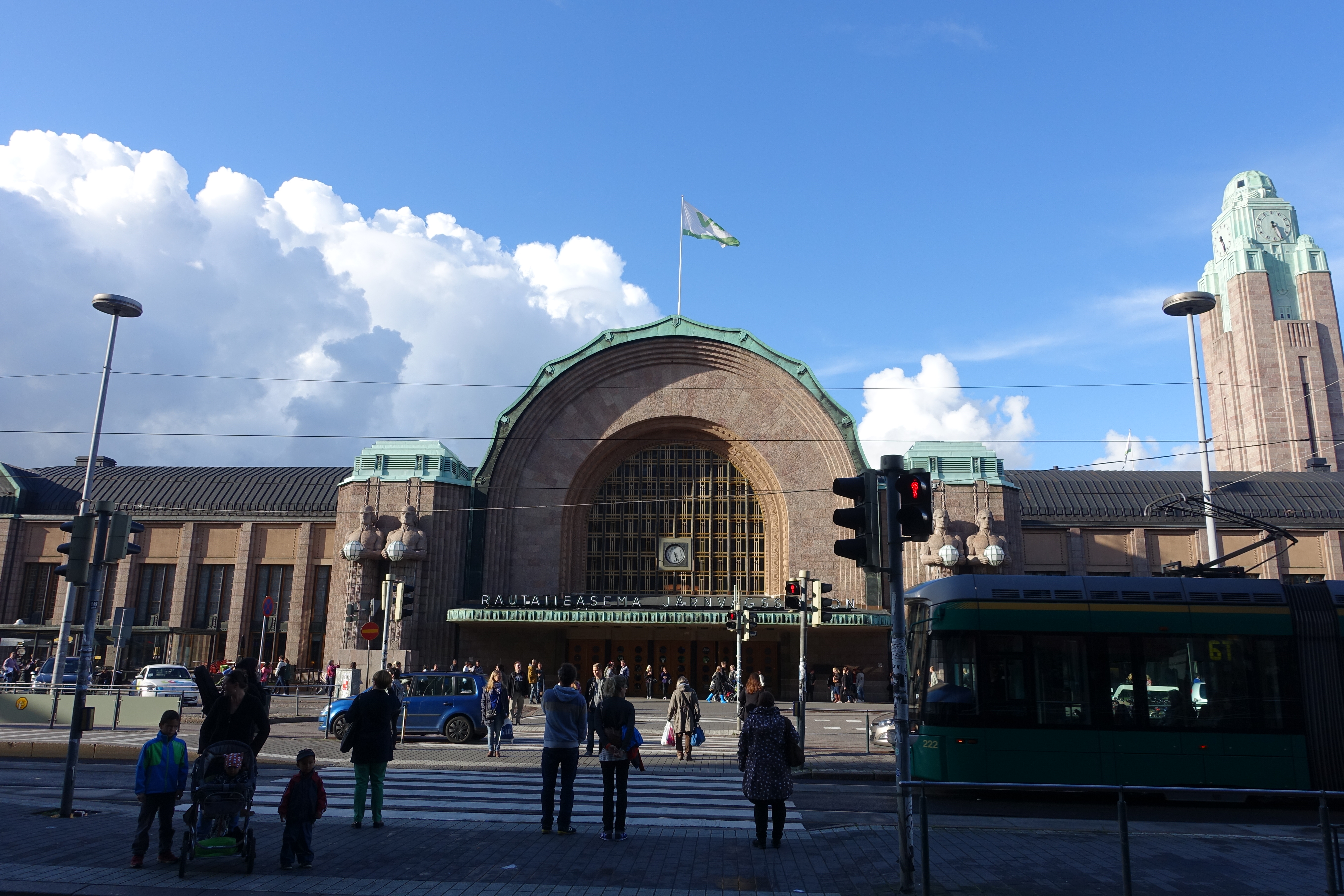
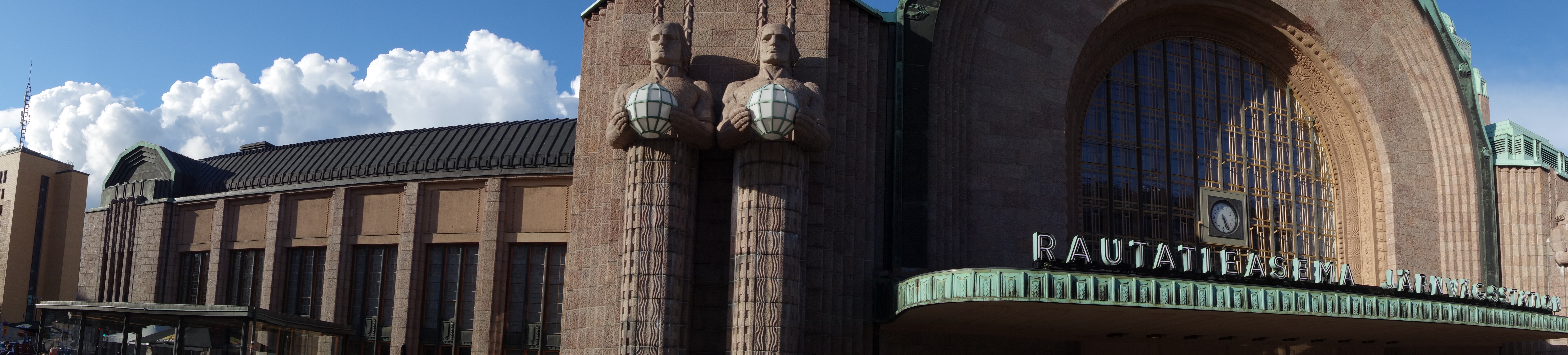
Since it was completed in 1914, Helsinki station has been heralded as one of the most beautiful railway stations in the world.

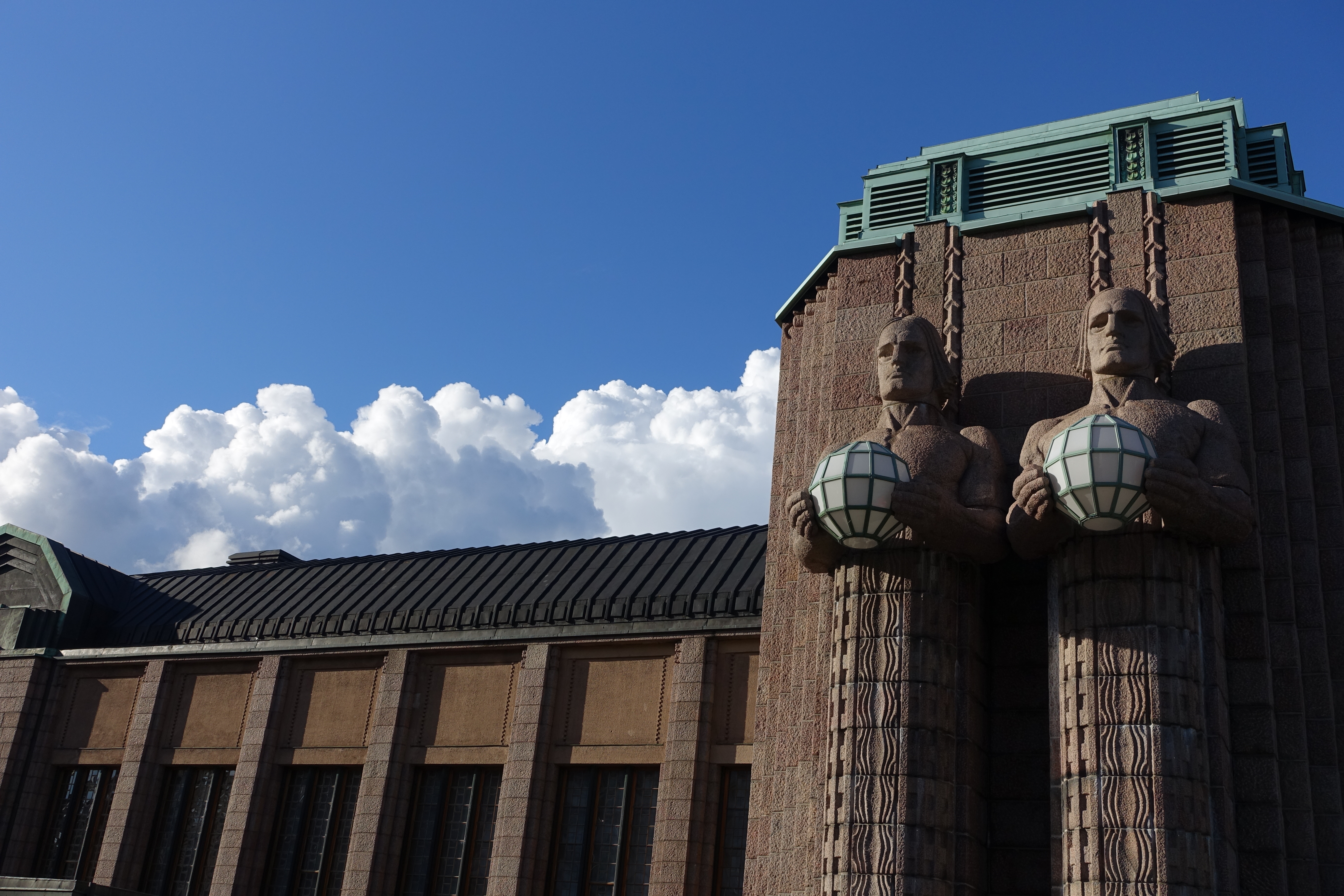
As well as the adjoining tower, the station’s striking granite facade is notable for being flanked by statues of four lantern bearers, otherwise known as the ‘stone men

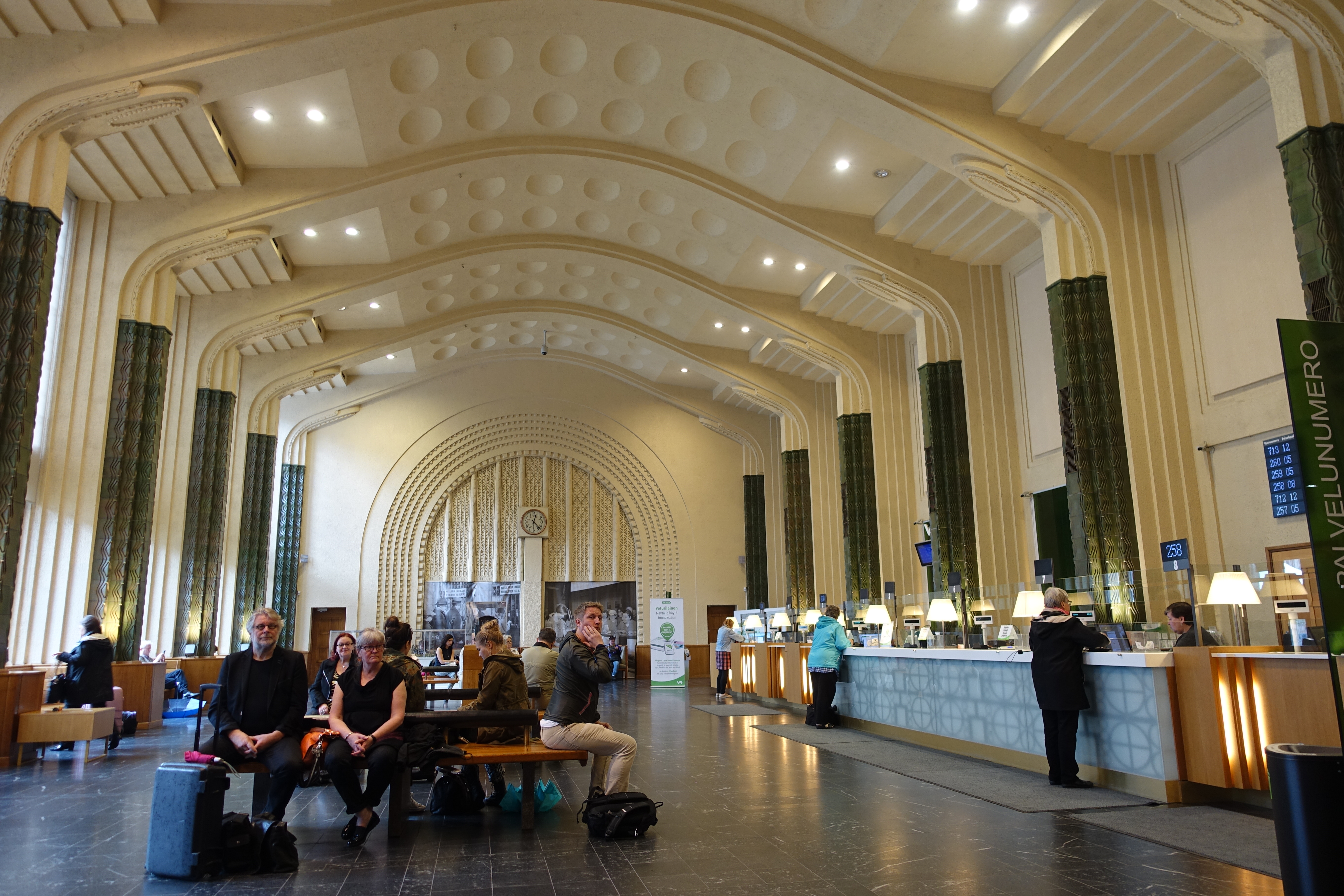
The interior is just as impressive, as illustrated by the palatial vaulted reservations/waiting room.

The entrance hall

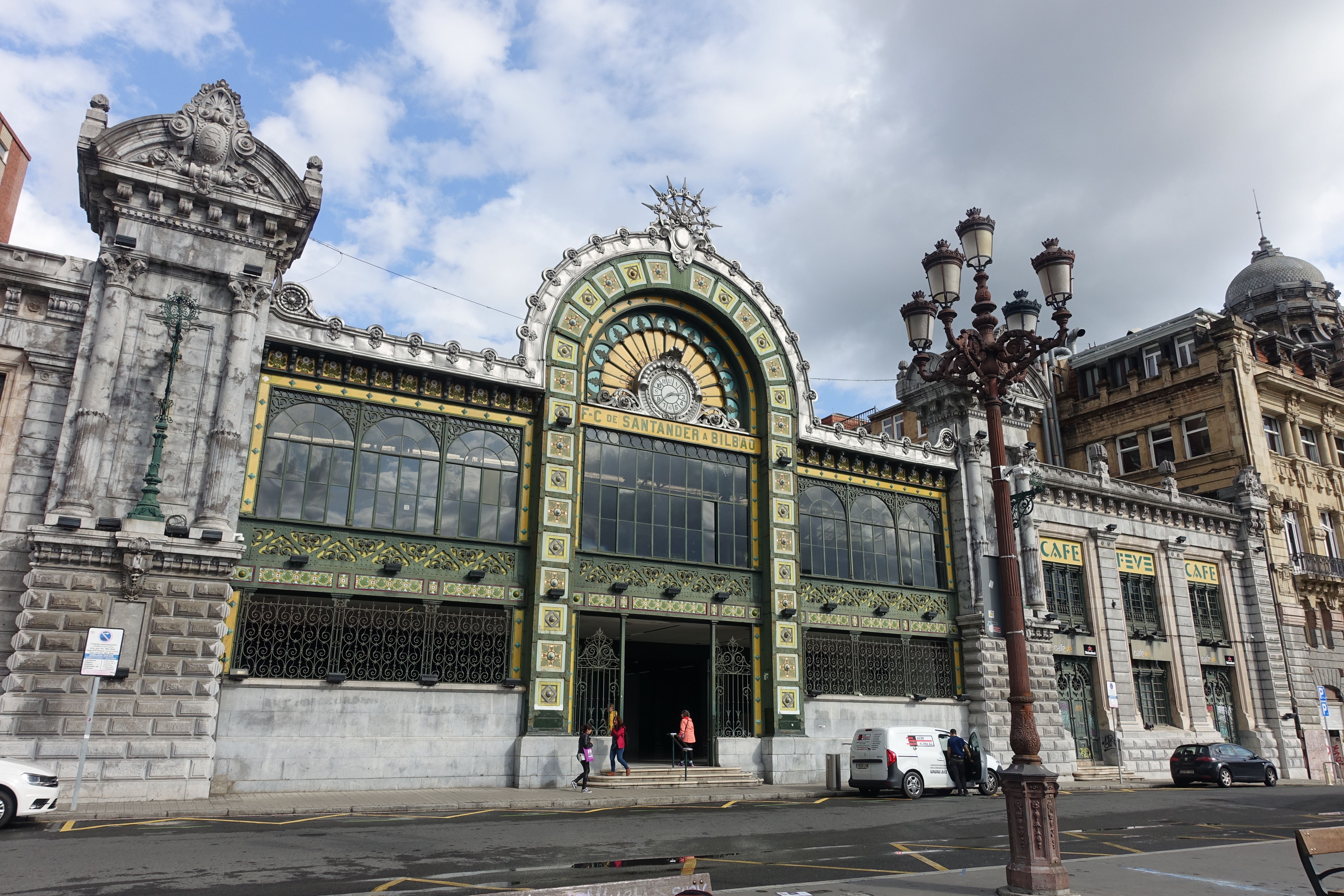
4. Bilbao-Concordia

The much photographed facade of the station which overlooks the Nervion River is a beautiful example of Belle Epoque (art nouveau) architecture which was popular when it opened in 1902. We encountered the station as the final stop on the Narrow guage FEVE railway which traverses northern Spain, linking Bilbao with Ferrol in Galicia.

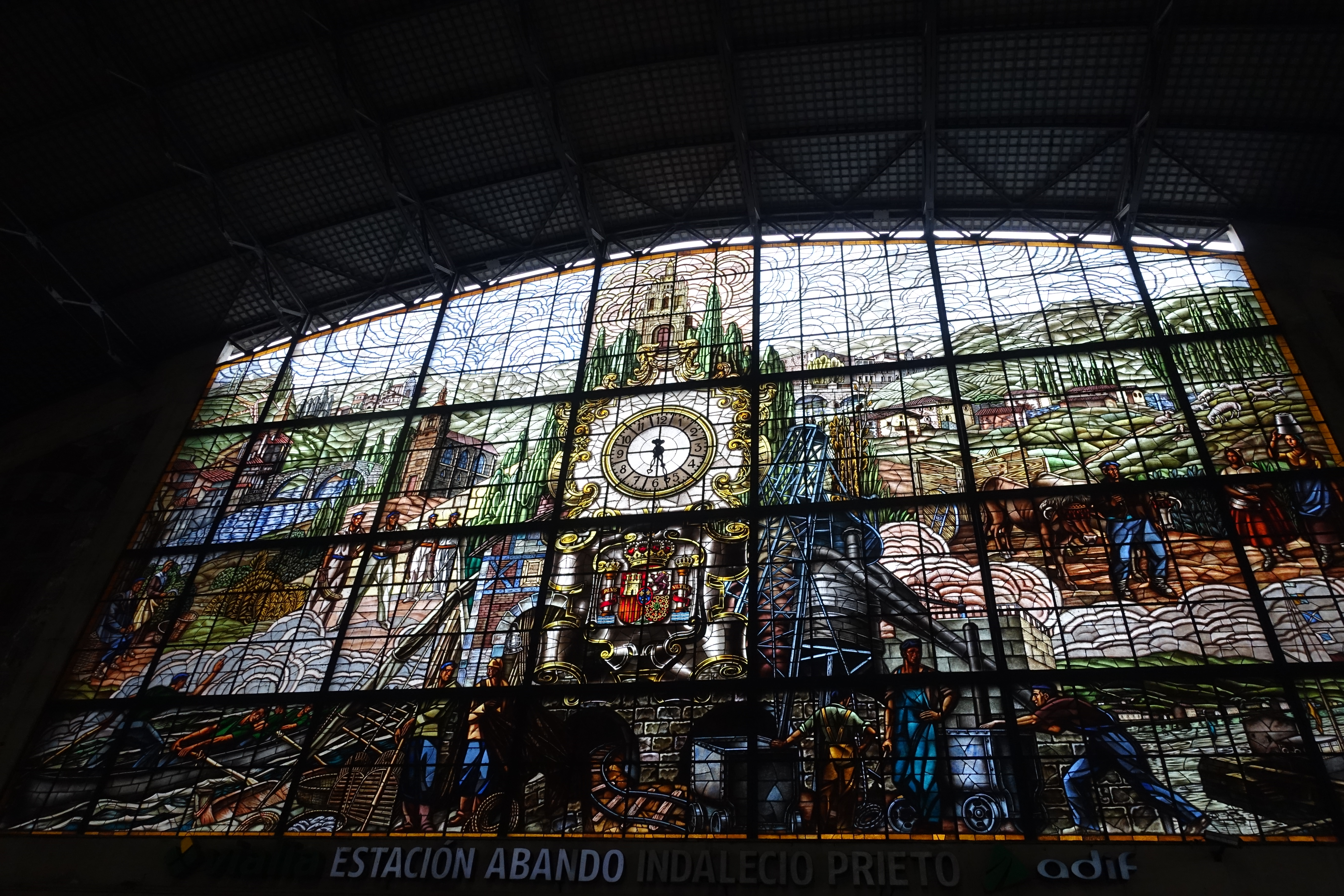
The future of the station is in doubt, as there are plans to move all its services to the adjacent Bilbao-Abando station. Although relatively modern, Abando proudly boasts one of the most beautiful stained glass windows to be found in any of Europe’s railway stations. Designed by Gaspar Abando, and completed in 1948 by the union of Irun Glaziers, the great stained glass window of Abando’ depicts what is meant to be a typical scene of Basque industrial workers.

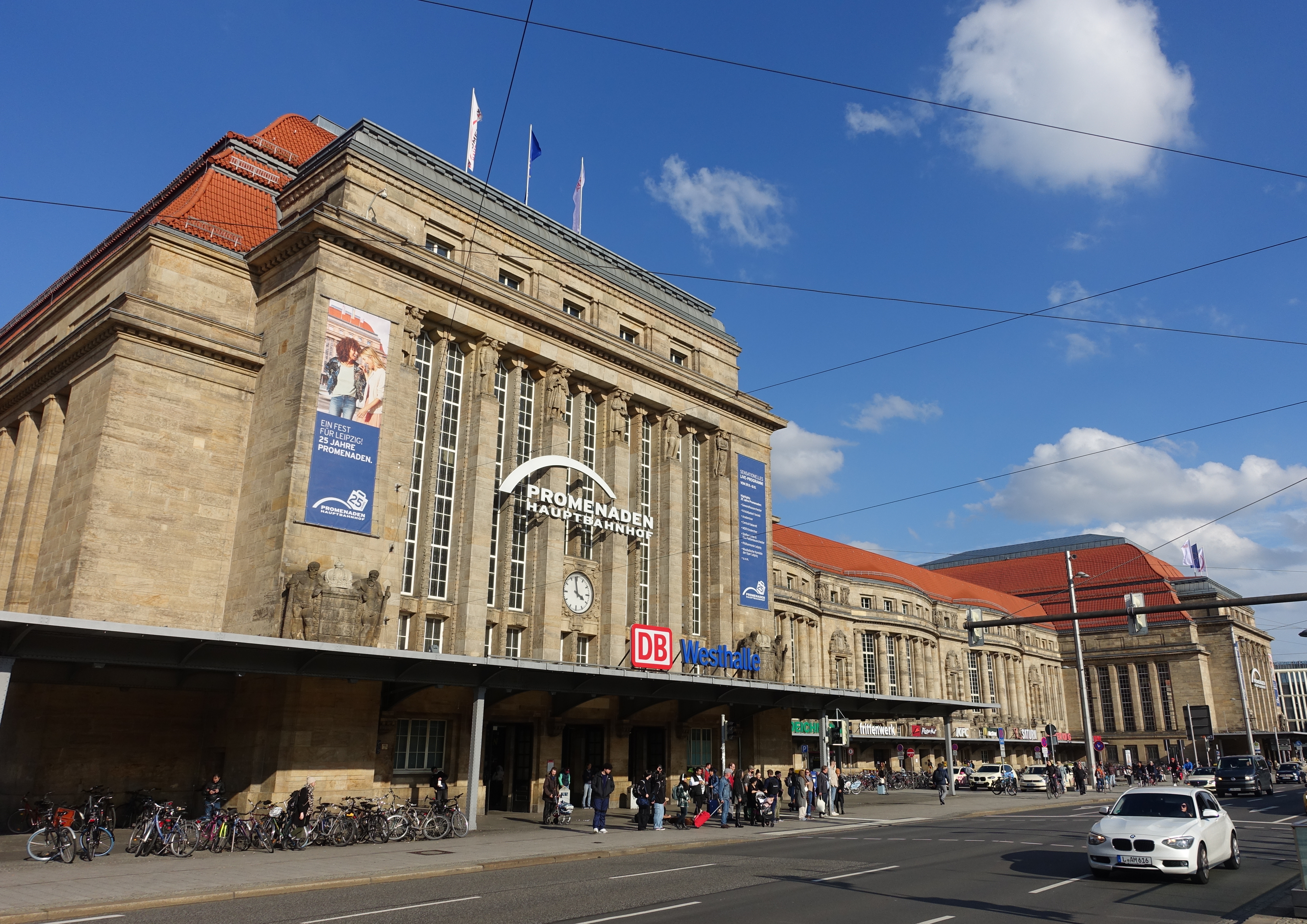
5. Leipzig

Leipzig Hauptbahnhof is Europe’s largest railway station. Its facade is almost 300 metres wide and inside there are 19 platforms

On arrival, it’s scale and design is quite awe inspiring, an impression quite hard to capture in one image.

This picture shows the two main reception frontages book-ending the station facade. There are two identical entrance halls and concourses because the station originally served two state railway networks – Prussia and Royal Saxony, whose trains had to use separate platforms and sections of the station.

One of two identical entrance halls

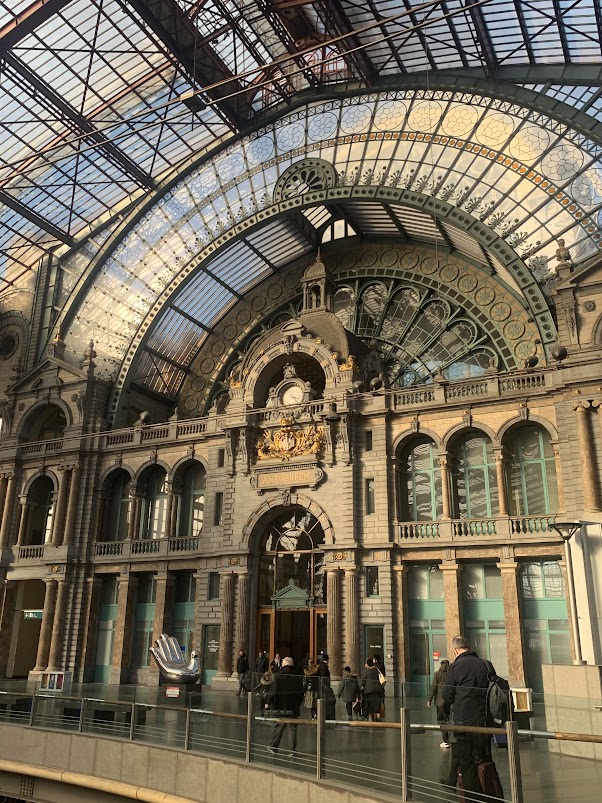
6. Antwerp

Opened in 1905, the station is dubbed as the ‘Middenstatie‘ or ‘Railway Cathedral’ by Antwerp’s citizens.

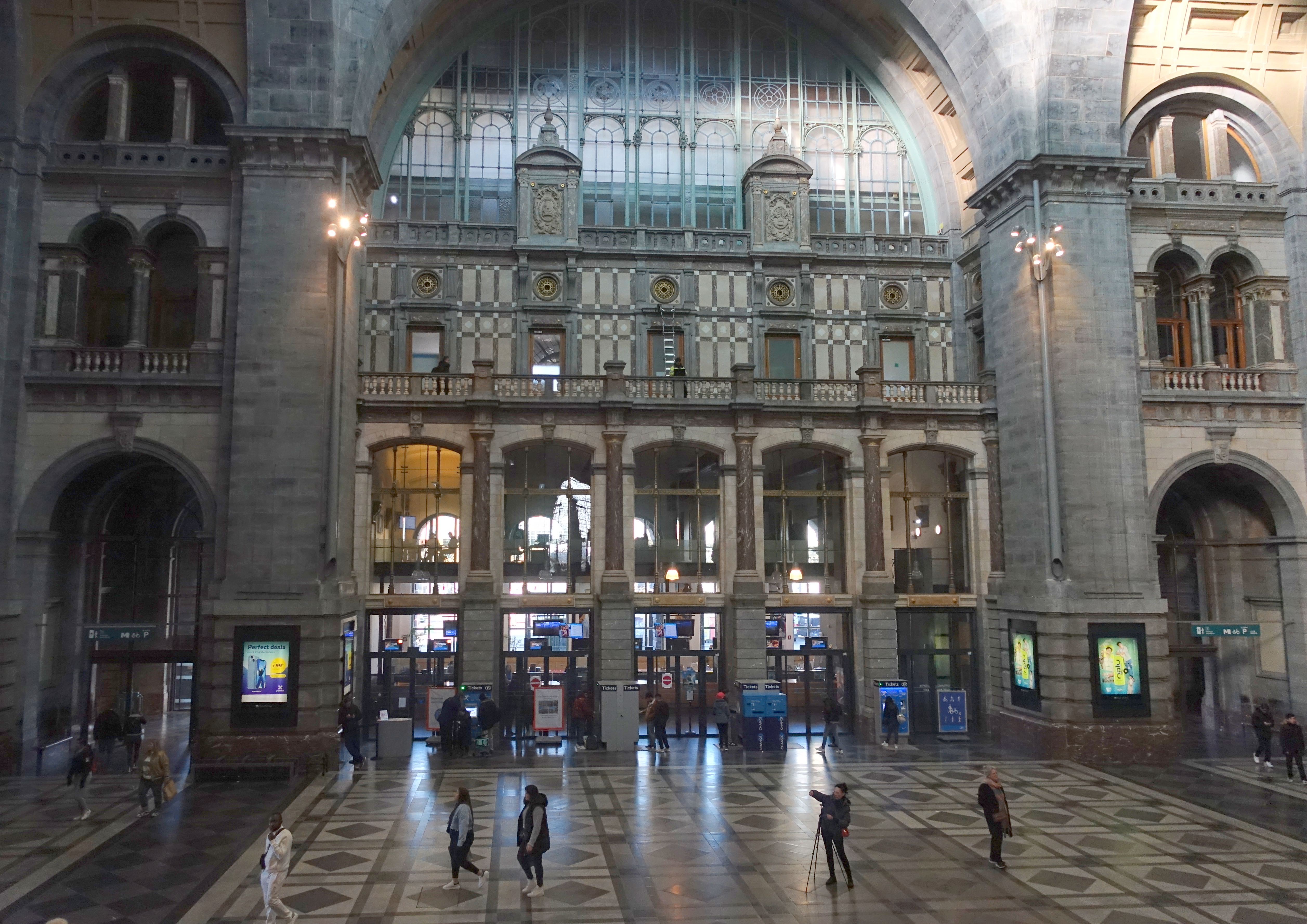
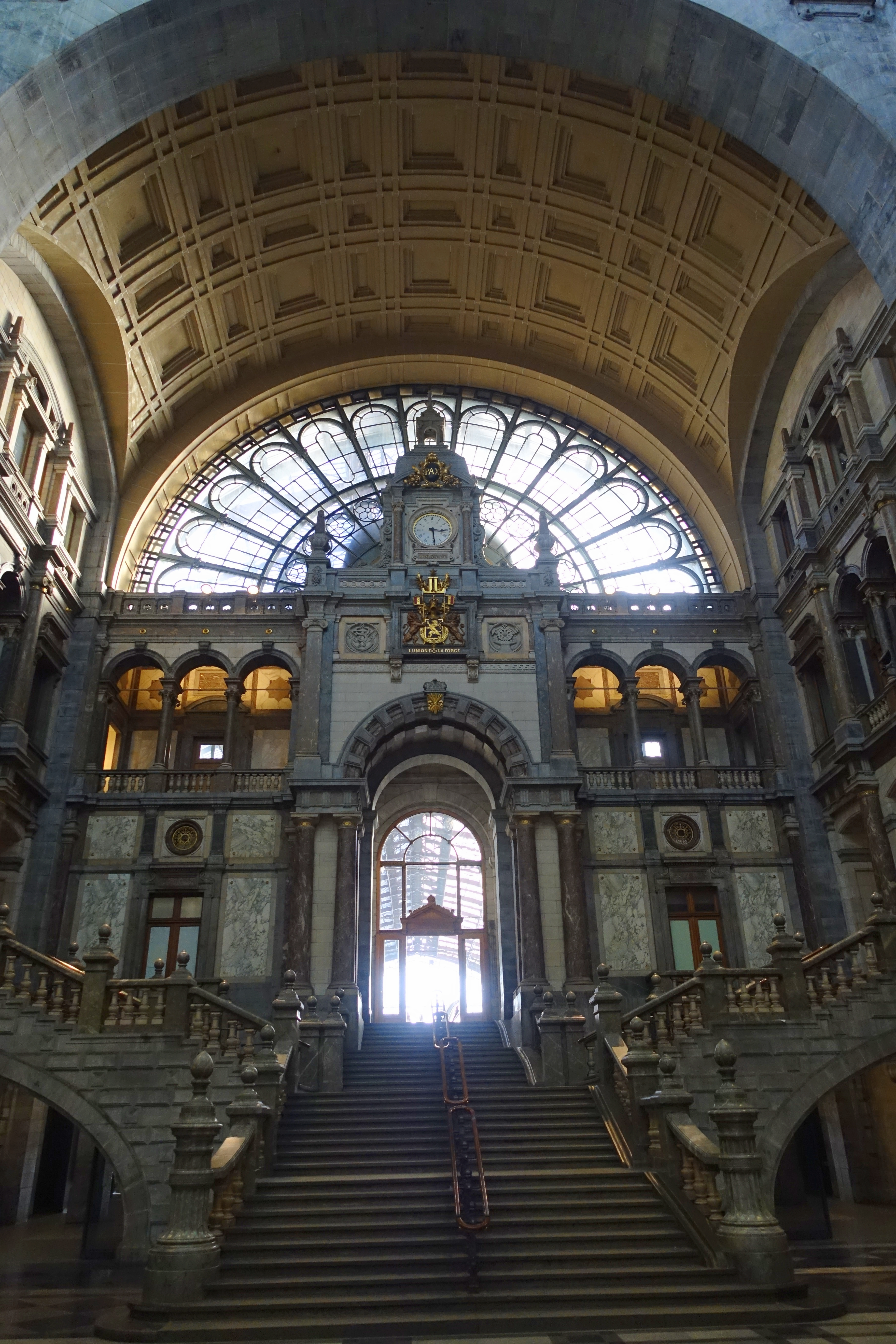
As soon as you disembark, Its beauty is apparent on approaching the main entrance hall whose grandeur matches many a cathedral.

Even the station buffet is magisterial

The rear of the station

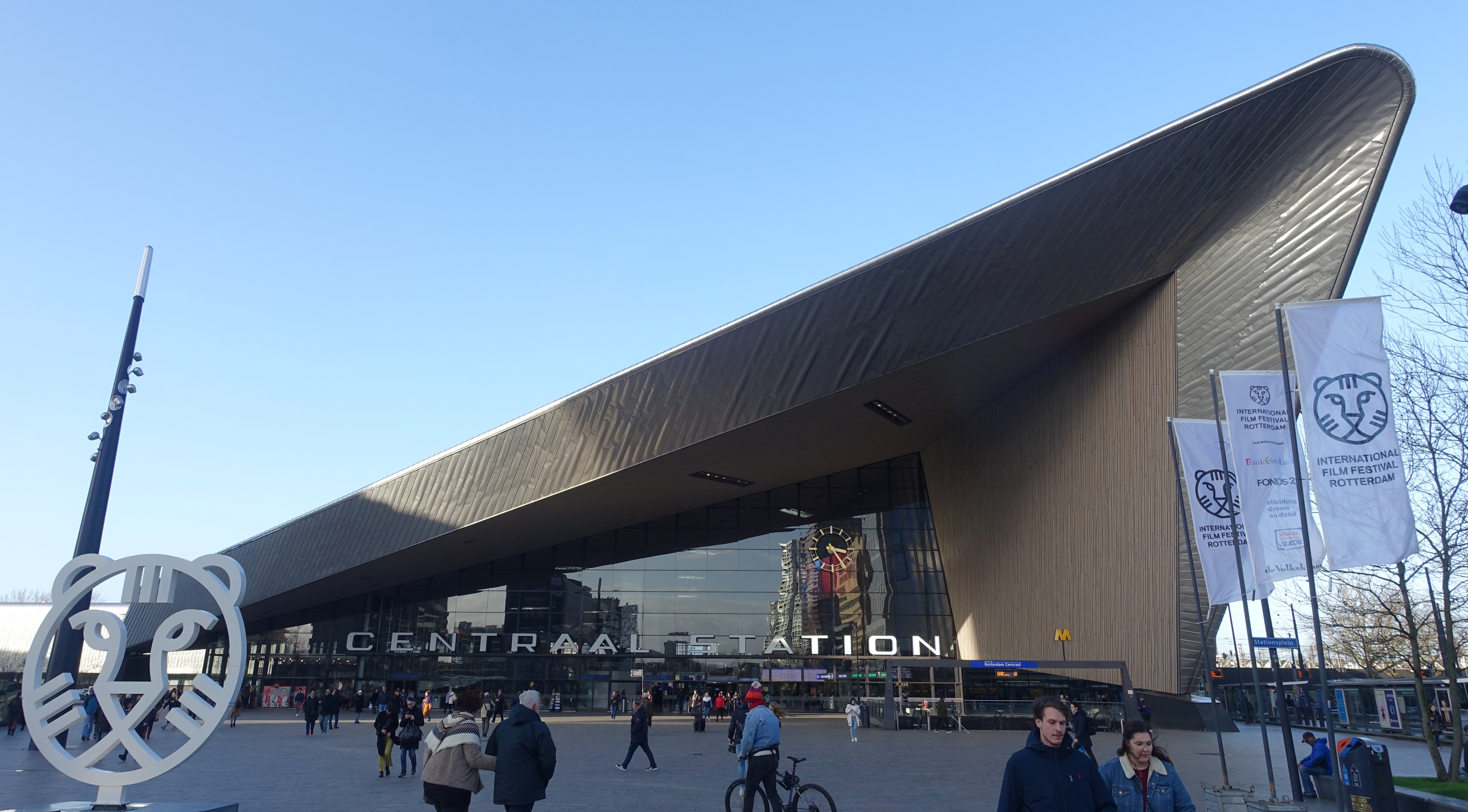
7. Rotterdam

As befitting a city with an array of interesting modern architecture, Rotterdam’s railway station is very eye-catching and deserves the plaudits and awards bestowed upon it since its opening in 2014. Its bright, airy and bustling main concourse provides a very welcoming arrival in the city.

8. Kyiv

We were fortunate to visit the great city of Kyiv in 2019 prior to the Russian invasion https://culturescapes.blog/2019/07/07/ukraine-in-the-shadow-of-the-bear/

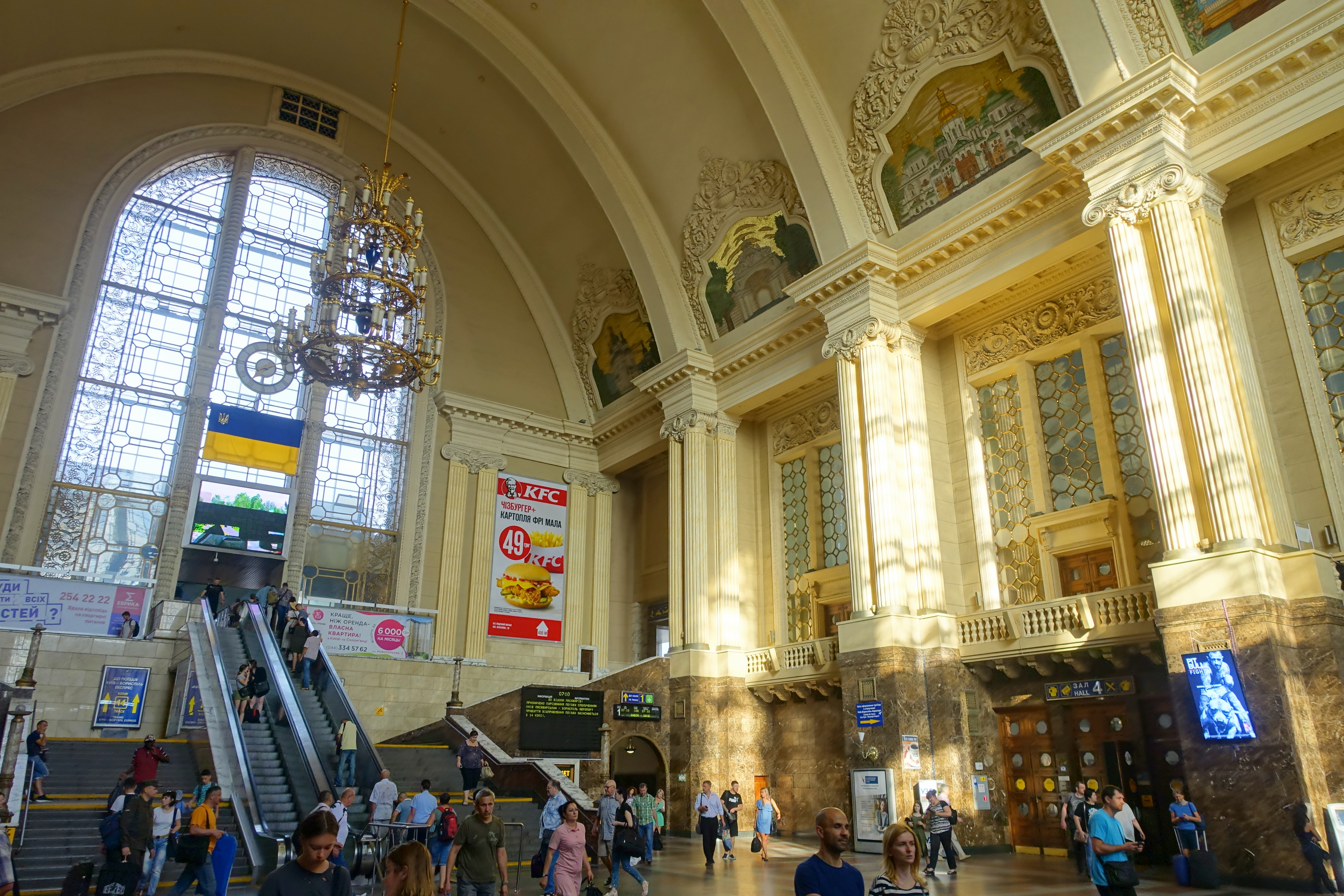
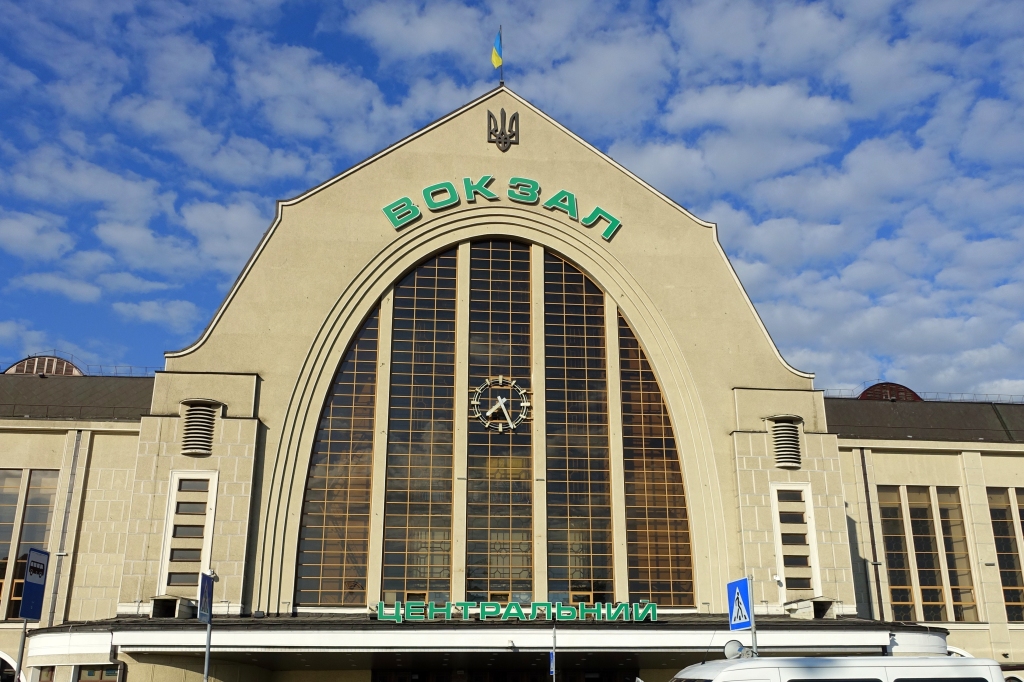
Arriving on an overnight train from Odesa, we marvelled at the baroque beauty of the 1932 station.

Internally, the majestic entrance hall towers over its passengers, and it is reassuring to know that it still functions effectively as a transport hub, despite all the disruption brought about by the war with Russia.

9. Glasgow Central

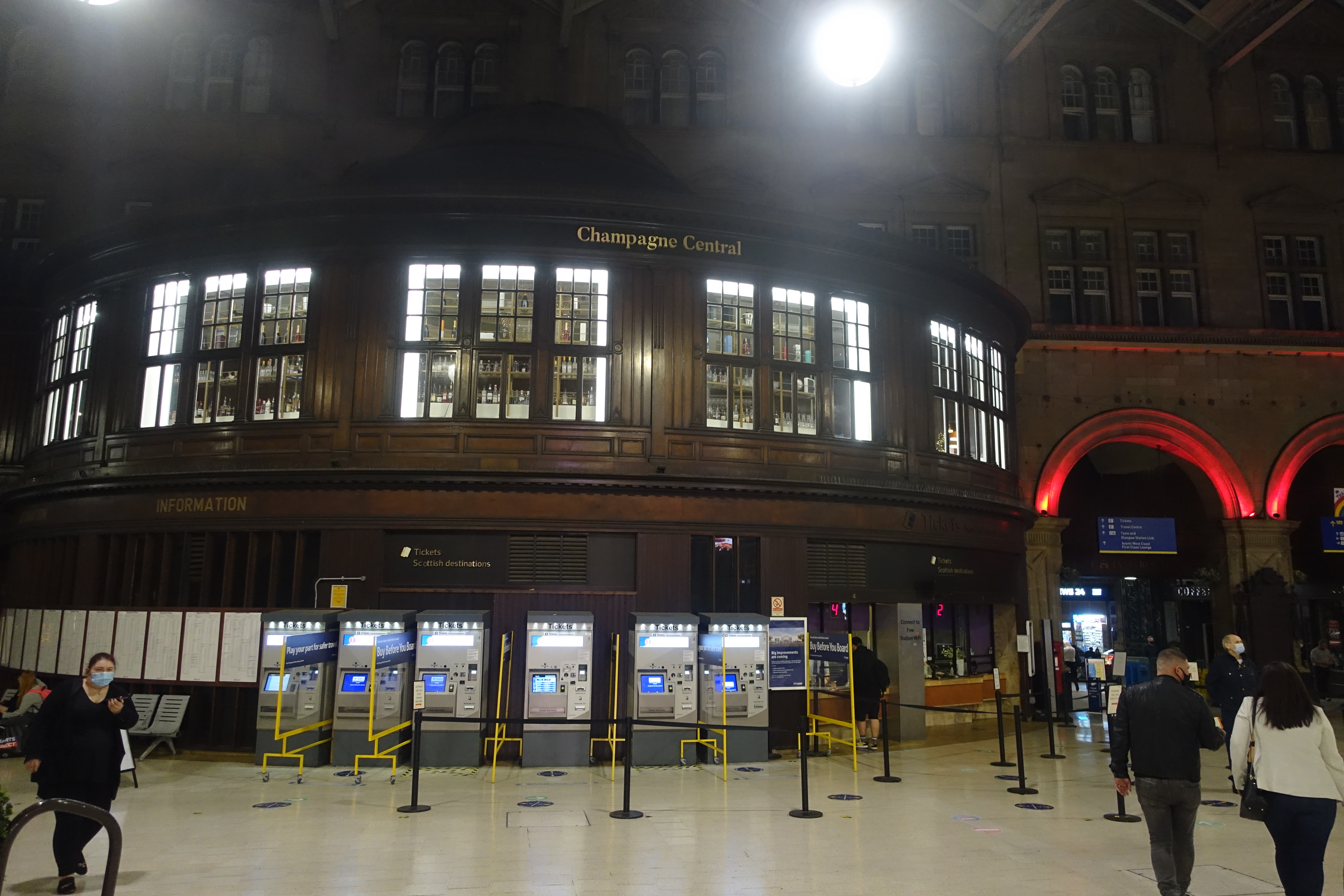
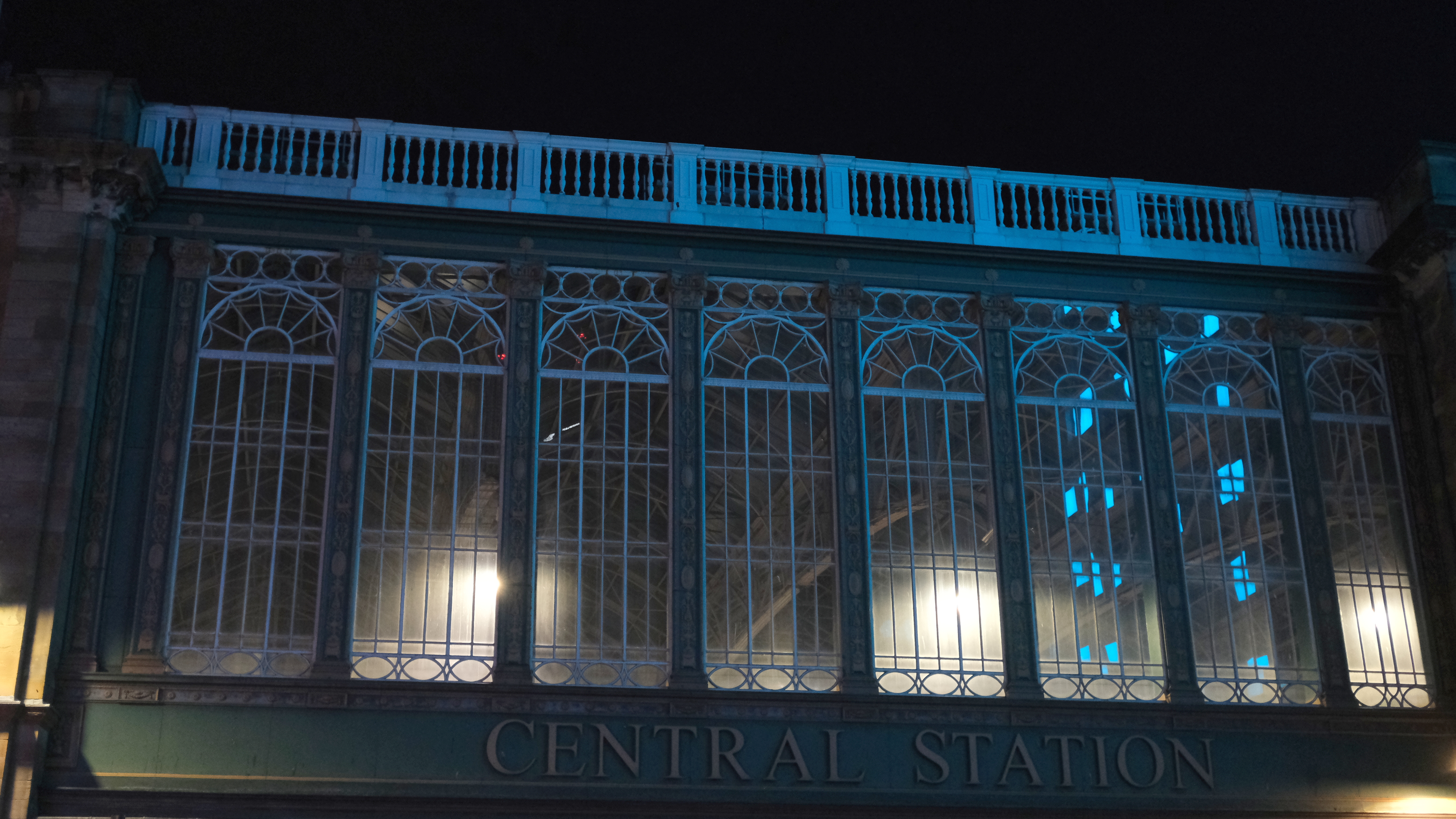
The original station was built over the site of a village in the 1870s, but soon proved too small to cope with passenger numbers, and was rebuilt over two levels, being completed in 1905. Although lacking much of a station frontage, the Glasgow Central concourse is very atmospheric with its dark wood panelling fronting offices, shops and cafes.

The champagne bar of the historic Grand Central hotel whose entrance provides the street facade for the station
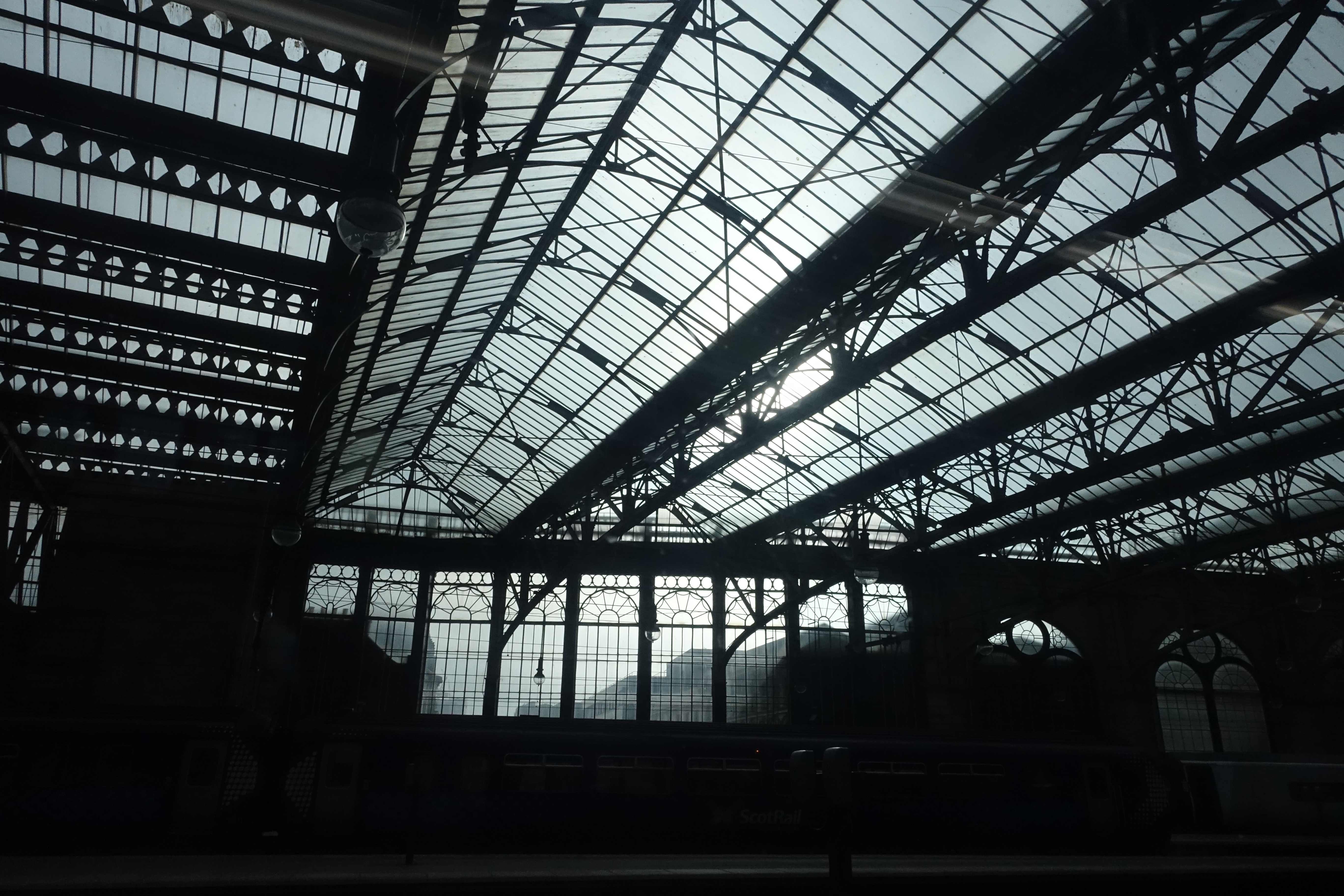
Part of what is reputed to be the largest glazed roof in the world embracing 15 platforms
One of the two gates at the station entrance
Part of ‘Hielman’s (Highwayman’s) umbrella’, a glass walled bridge traversing Argyle St
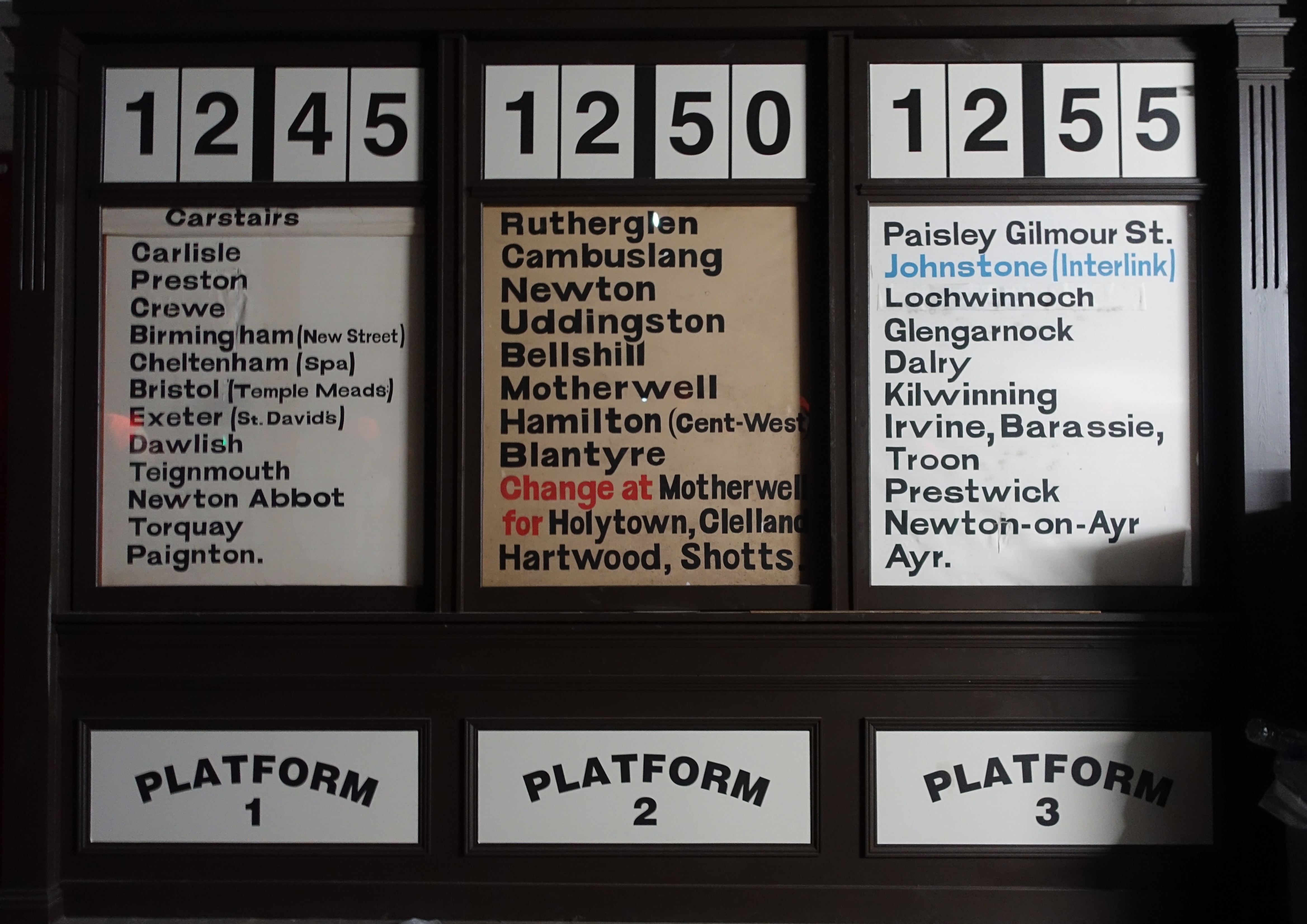
An old destination board on display in the vaulted undercroft, part of the original low-level station, which is being transformed into a railway museum (complete with a vintage train stationed on one of the former platforms)

10. Wemyss Bay

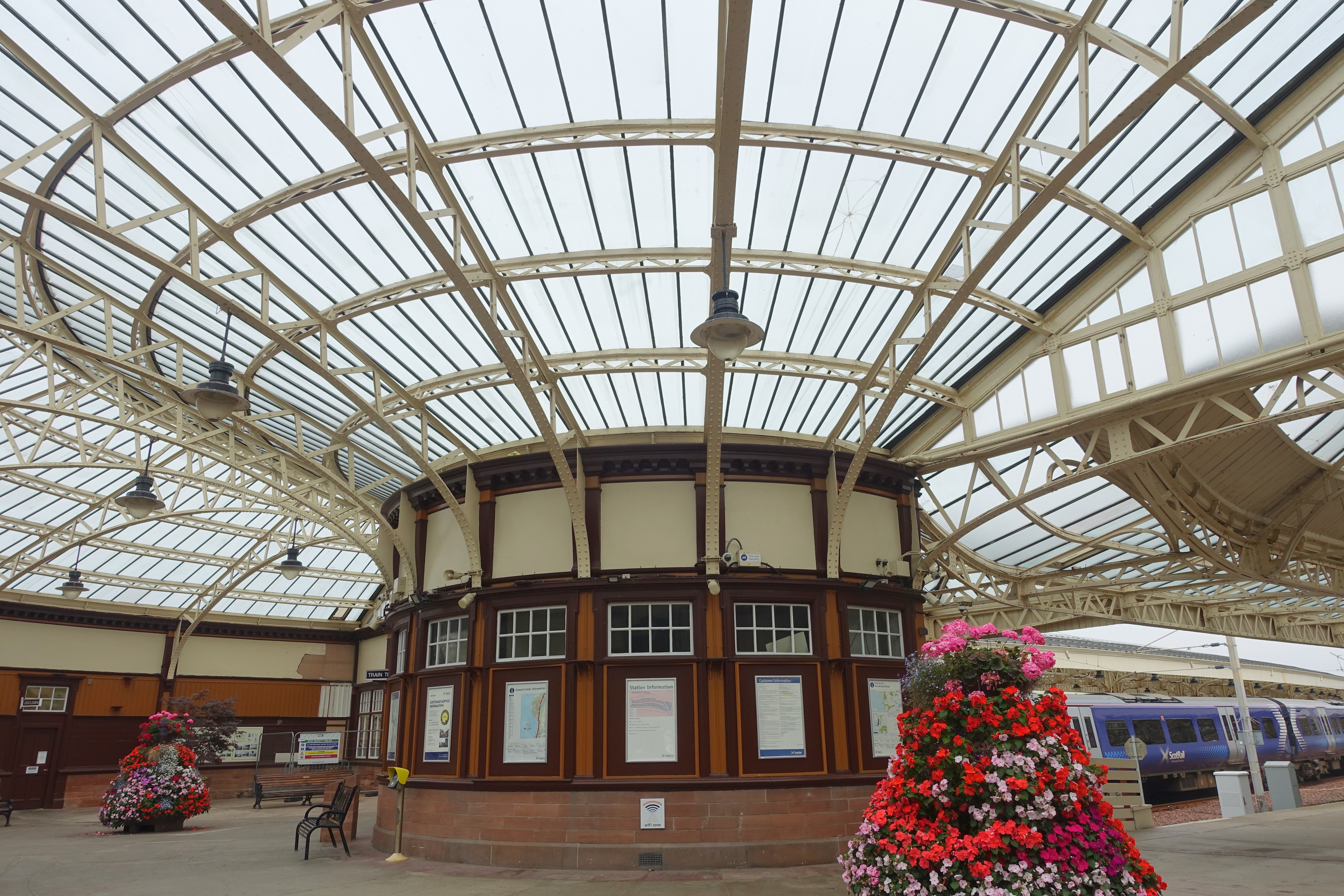
We travelled the 25 miles from Glasgow Central to Wemyss Bay (pronounced Weemz) in order to catch the ferry to Bute. However, the station, an architectural gem, is worth visiting just for itself. Completed in 1903, it was designed to provide a sheltered walkway which led the passengers down to the ferry, whilst their luggage was taken by trolley on a separate passageway. It comprises a beautiful combination of glass and steel with a style inspired by the ‘arts and crafts’ movement of the time. To appreciate the full glory of its glass roof, it needs to be experienced on a sunny day.

On the way down to the ferry to Bute

Choosing these 10 station has meant the omission of several worthy contenders. Here are a few others that came close:

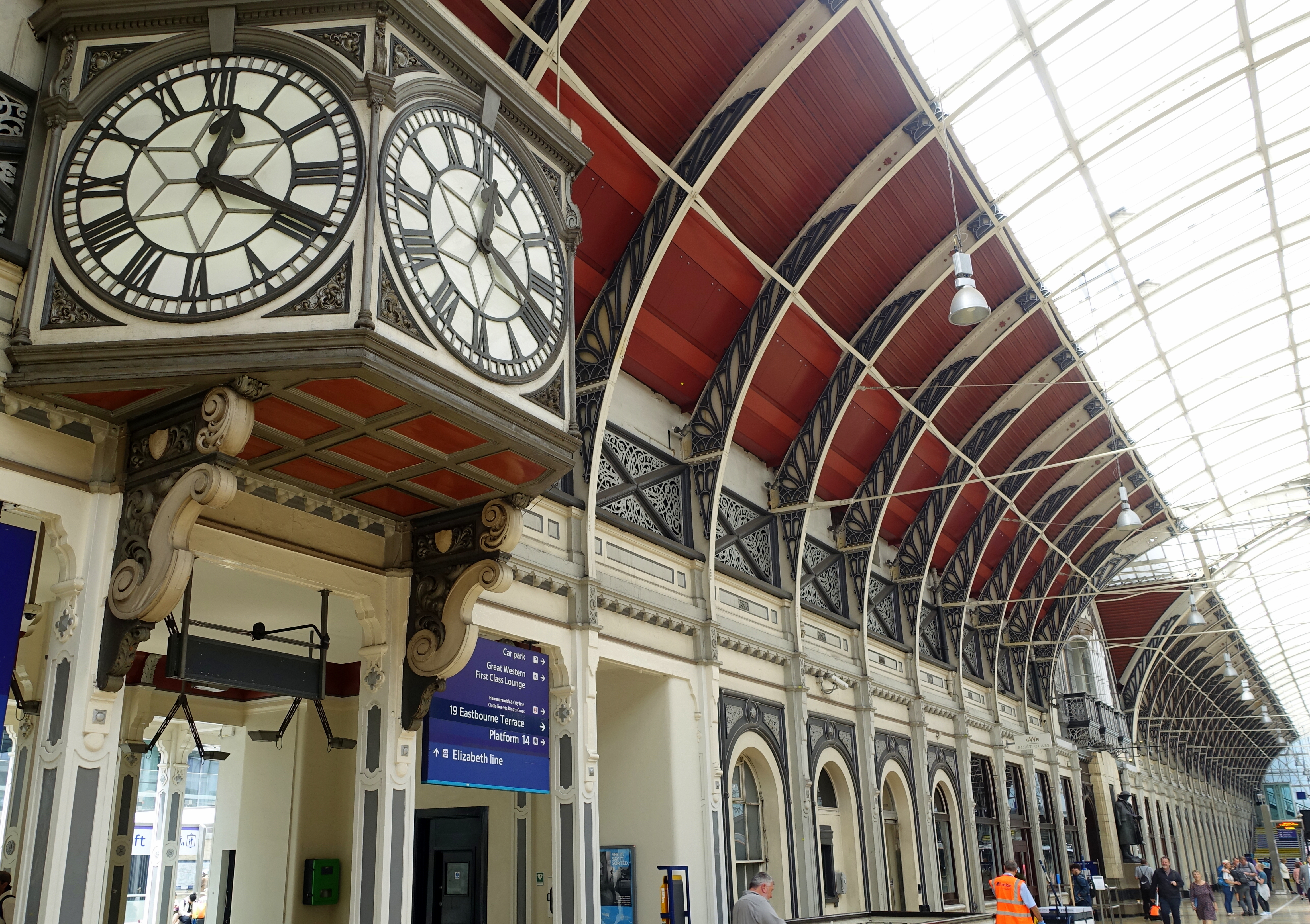
London Paddington
Lisbon Rossio
Bordeaux Saint-Jean
Budapest Keleti

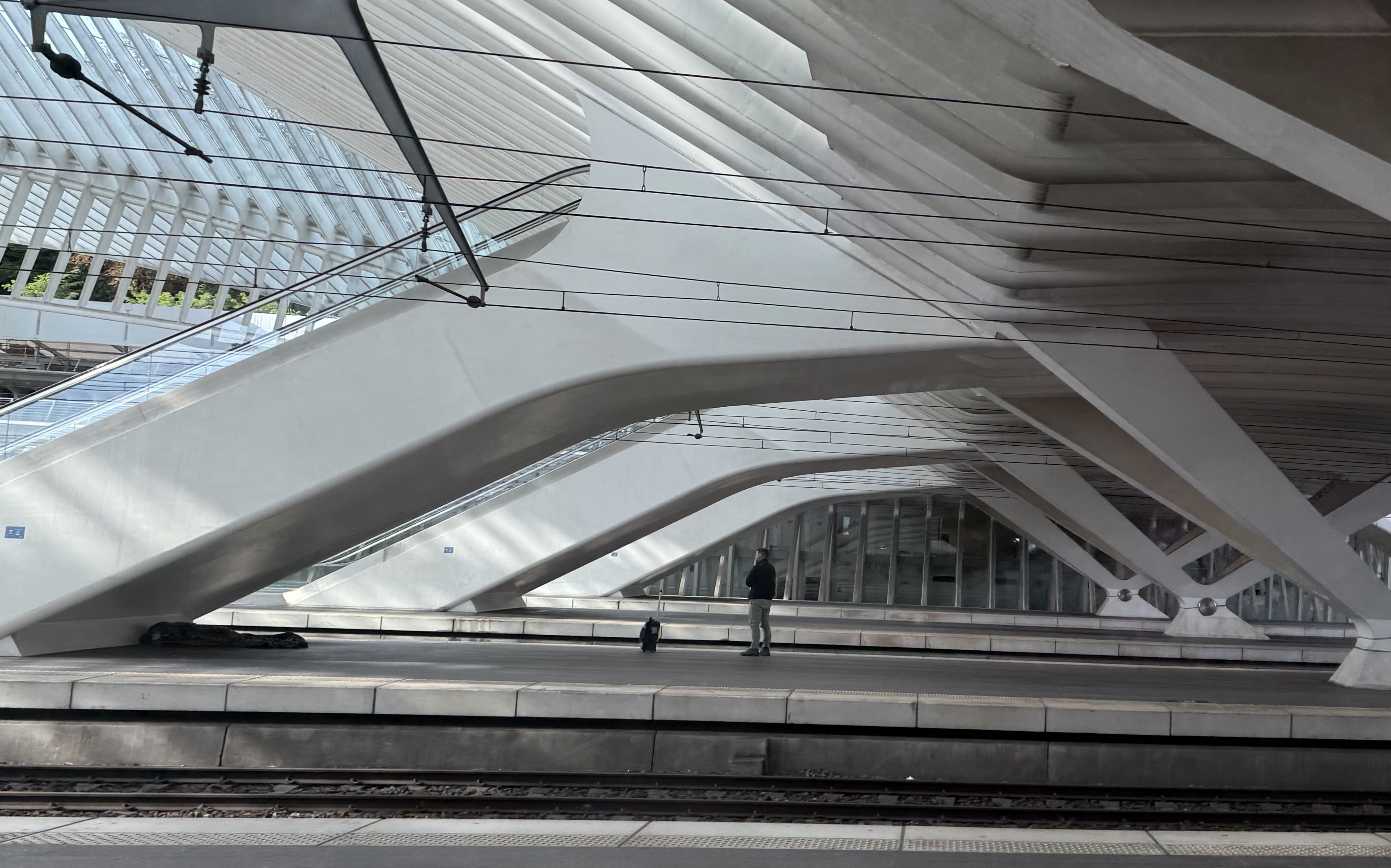
Liege-Guillemins

Postscript

Valencia – Beauty and the Beast

On passing through Valencia recently, I was struck by the extreme contrast in terms of aesthetic appeal of its two main stations which are within 750 metres of each other.

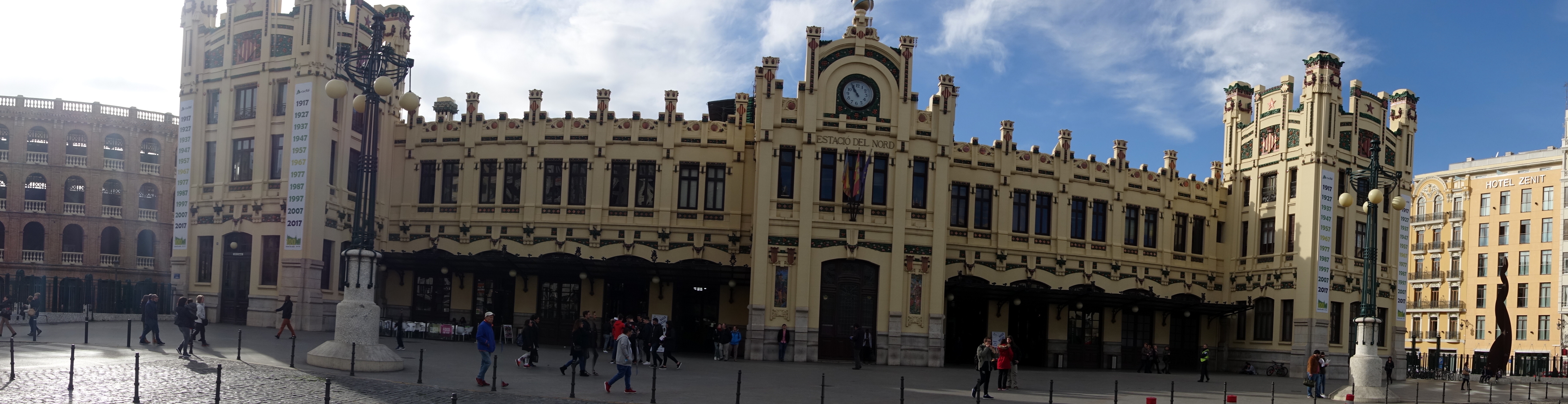
Estacio del nord is a beautiful example of art nouveau architecture which opened in 1917

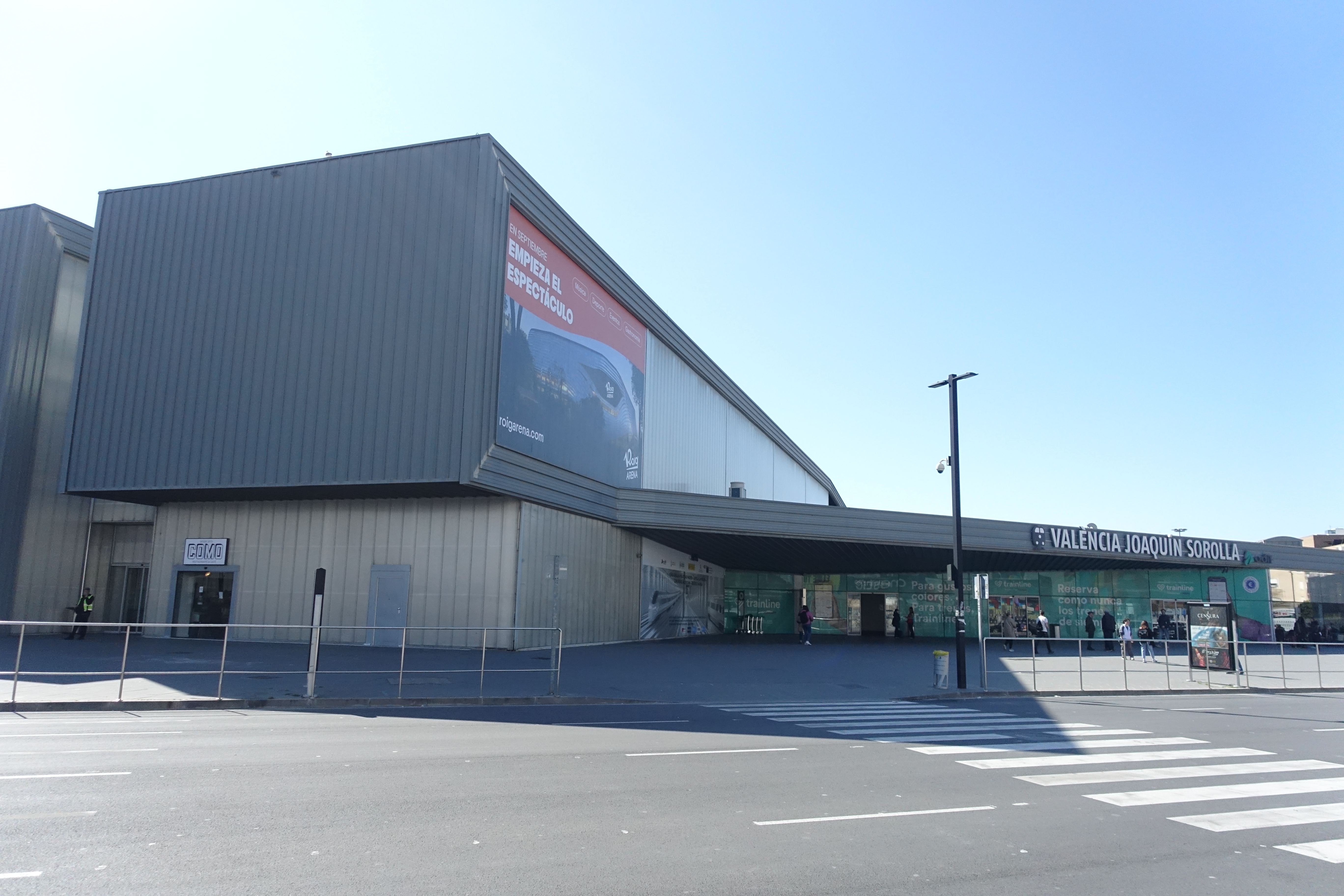
In contrast, Joaquin Sorolla station which was built to serve the new AVE high speed trains, and which opened in 2010, exemplifies all that is purely functional about contemporary train station architecture. Its box like structure resembles a large storage container devoid of any character or soul.

Hamburg to Bratislava via Interrail

Taking advantage of a half price Interrail ticket offer (to mark the 50th anniversary of the service), we travelled across Northern Germany towards Hamburg via Cologne on the very impressive DB train network.

Cologne station
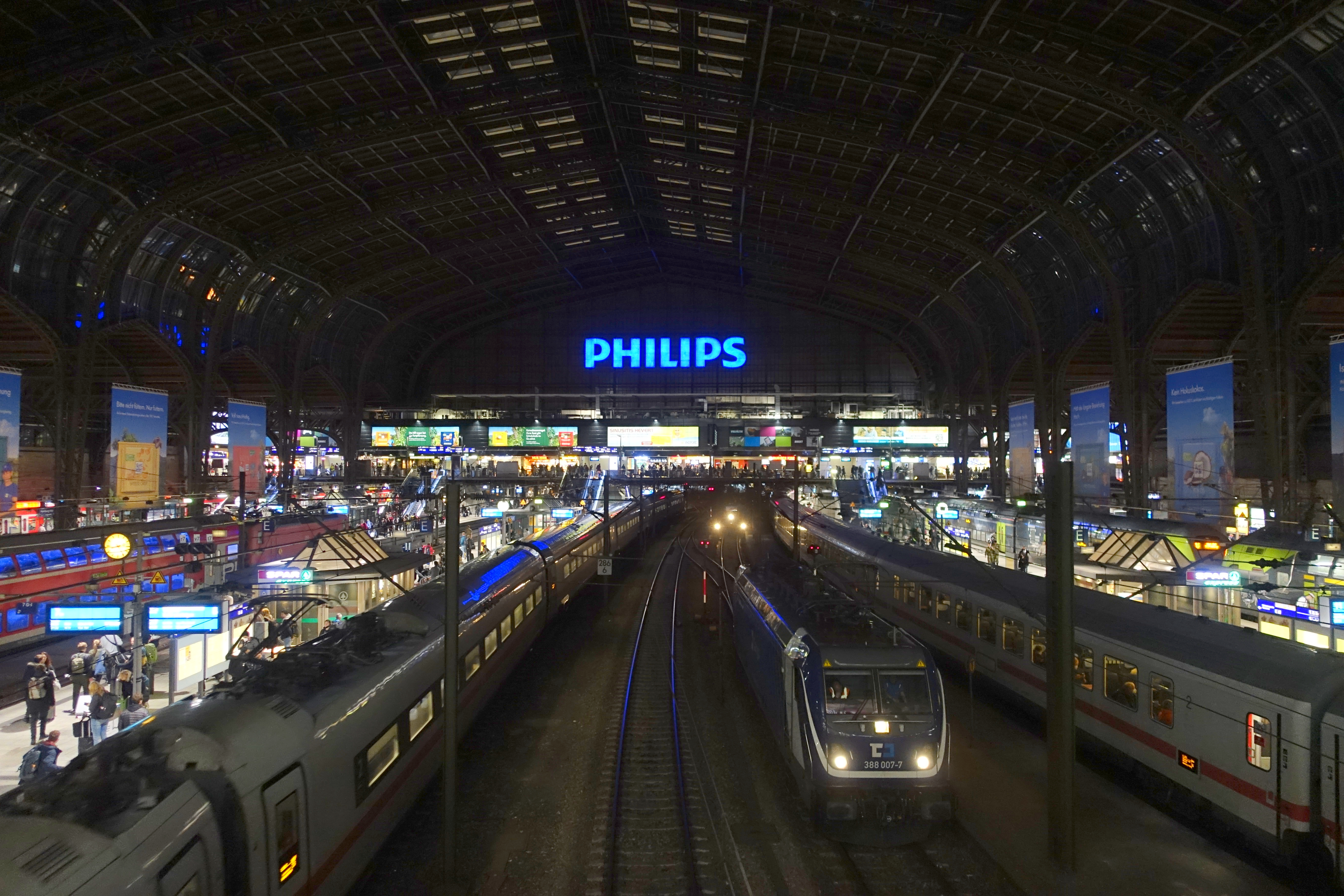
Hamburg station

Hamburg

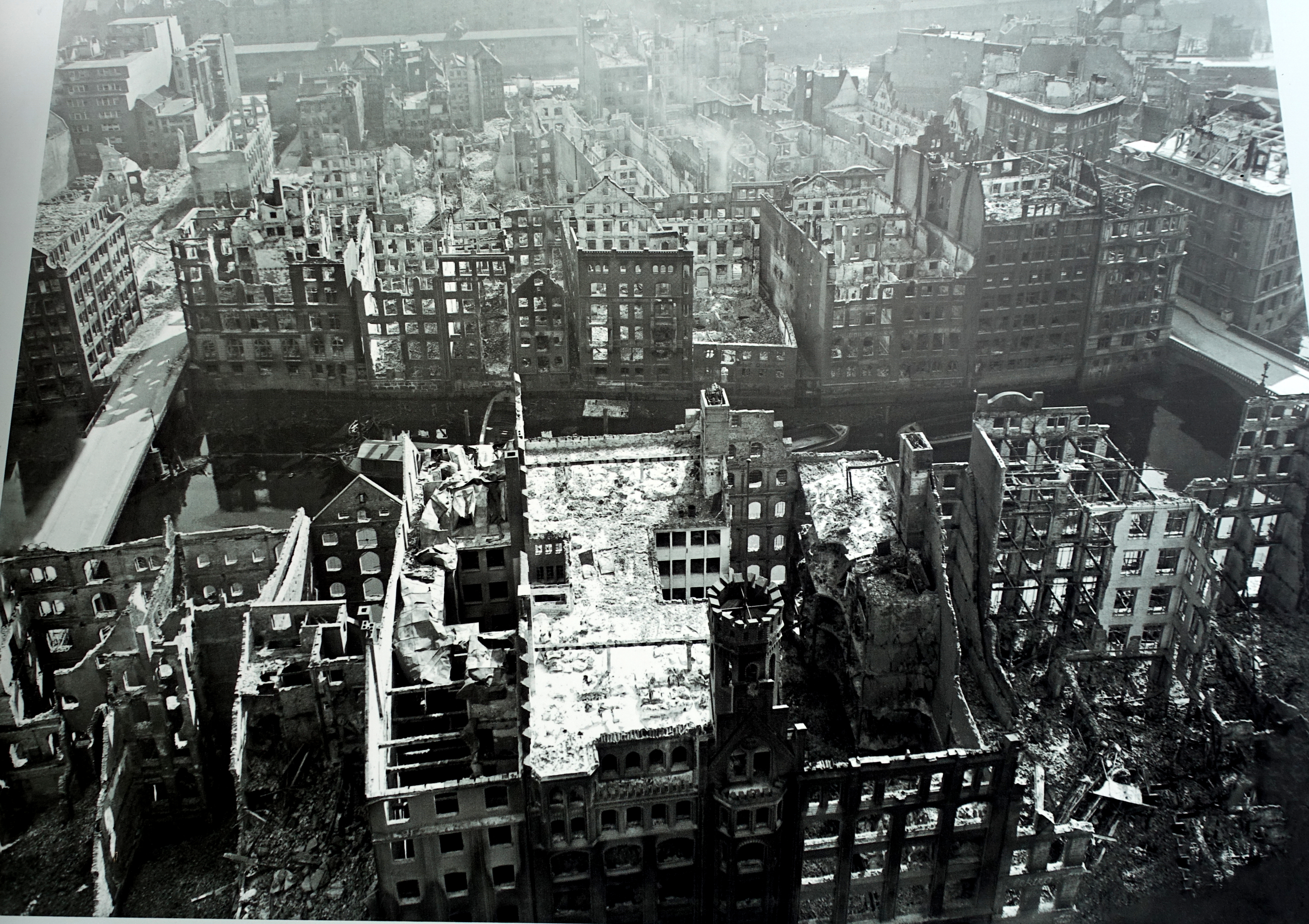
Hamburg was the first German city to suffer an aerial firebombing raid during World War 2. RAF Code named Operation Gomorrah, a combined attack by the RAF and US Air forces killed an estimated 37,000 people and destroyed most of the city during seven nights of attack in July 1943

Photo from the World War 2 Museum in the crypt of St Nikolai Memorial

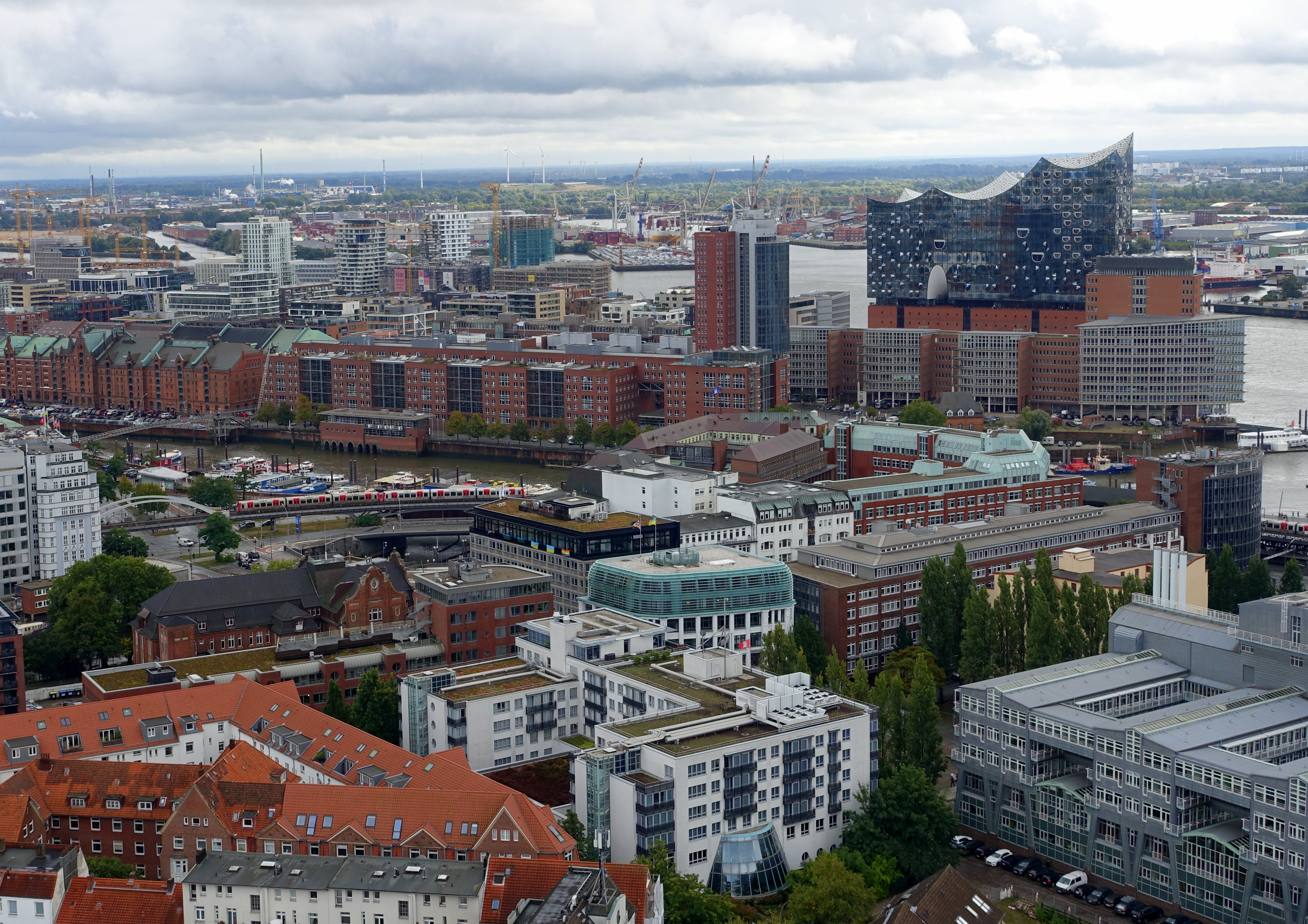
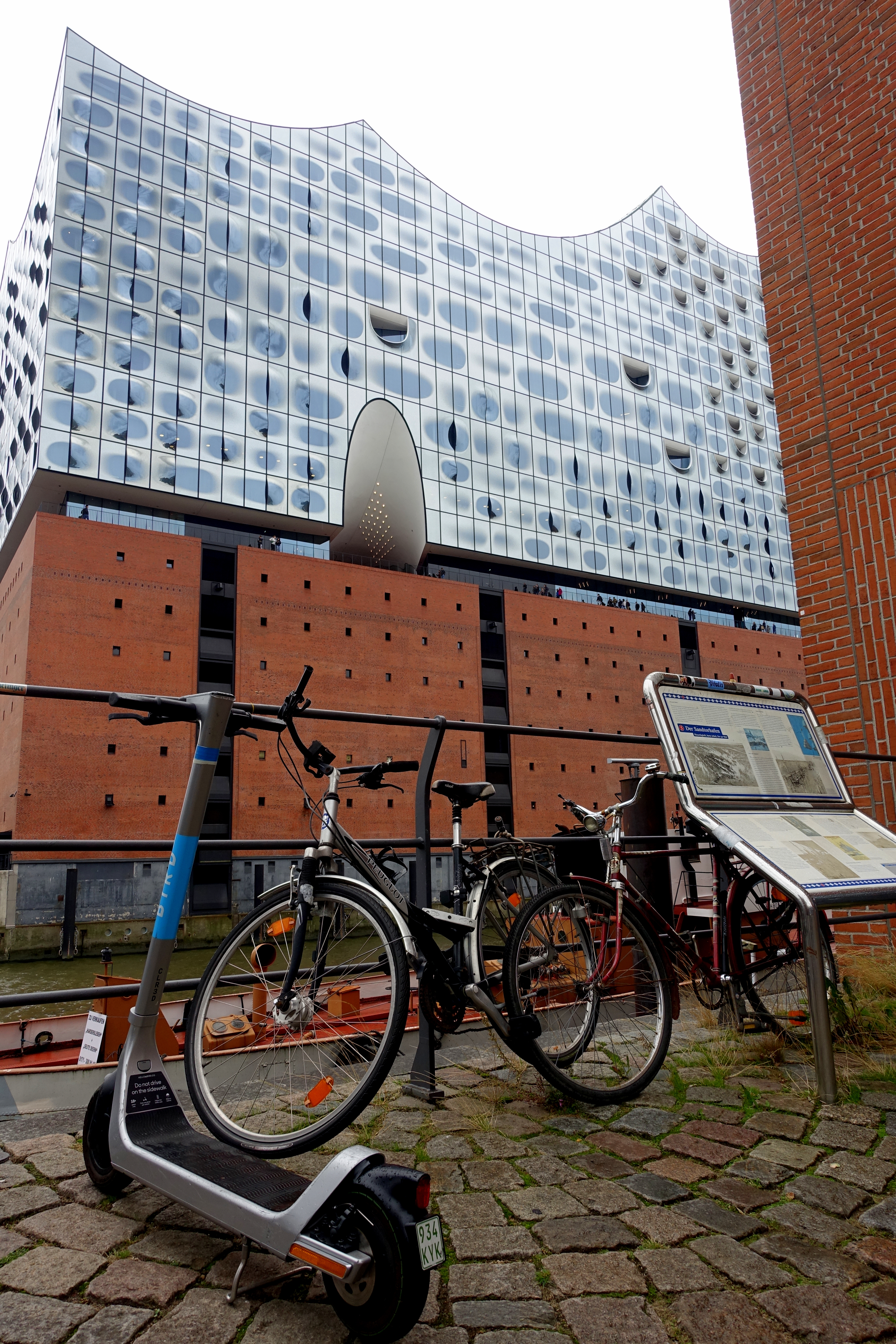
Like many other German cities that suffered huge destruction during the War, especially Dresden (see below), Hamburg has been largely rebuilt and is now only second to Berlin in terms of population. In recent years, the waterfront area – HafenCity, has been the main focus of development culminating in the opening of the Elbphilharmonie, a huge concert hall built on top of an old dock’s warehouse which used to store cocoa, tea and tobacco until the 1990s. It opened in late 2016, costing €870 million, €670 million over-budget. Nevertheless, it is an impressive building which dominates the skyline along the River Elbe

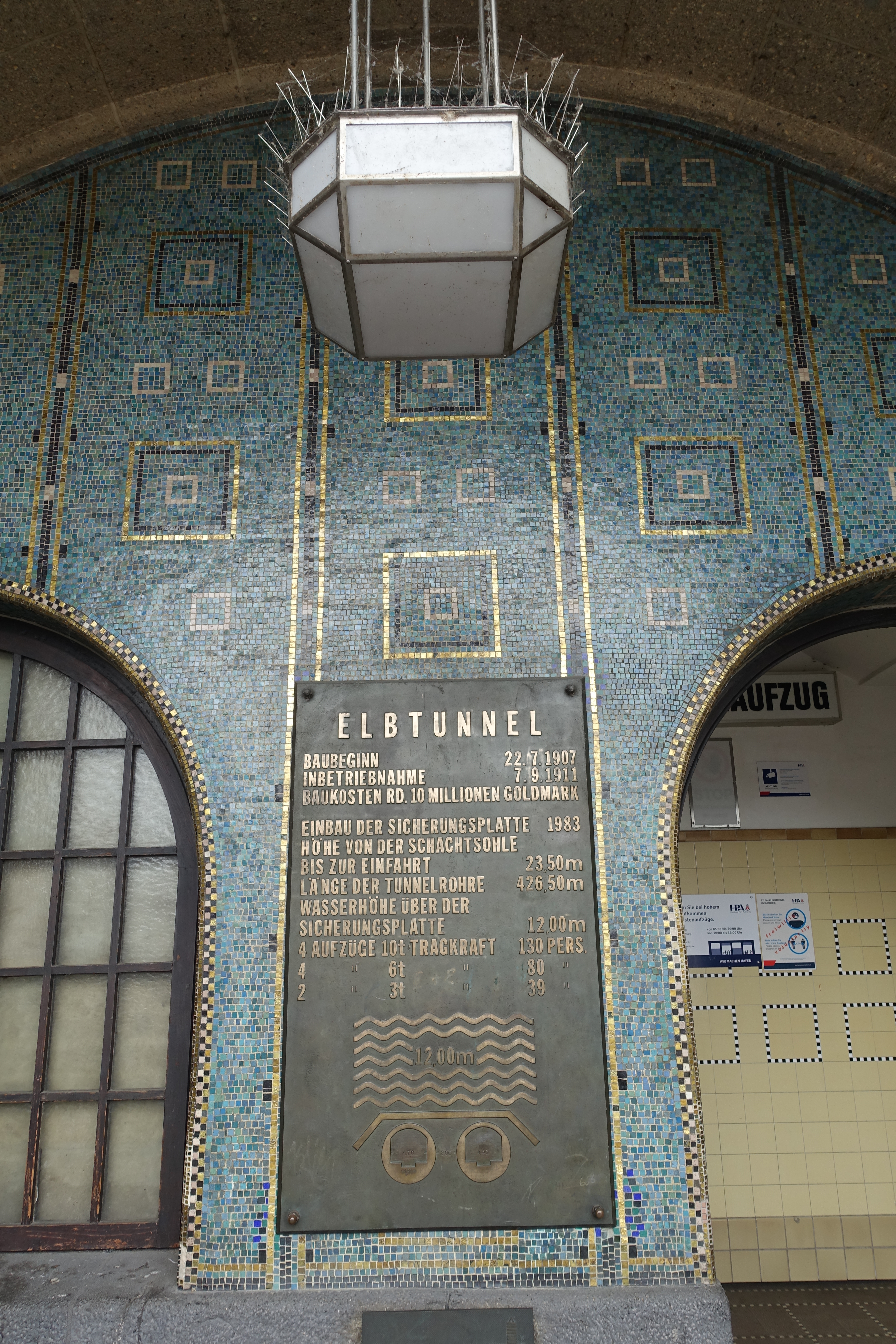
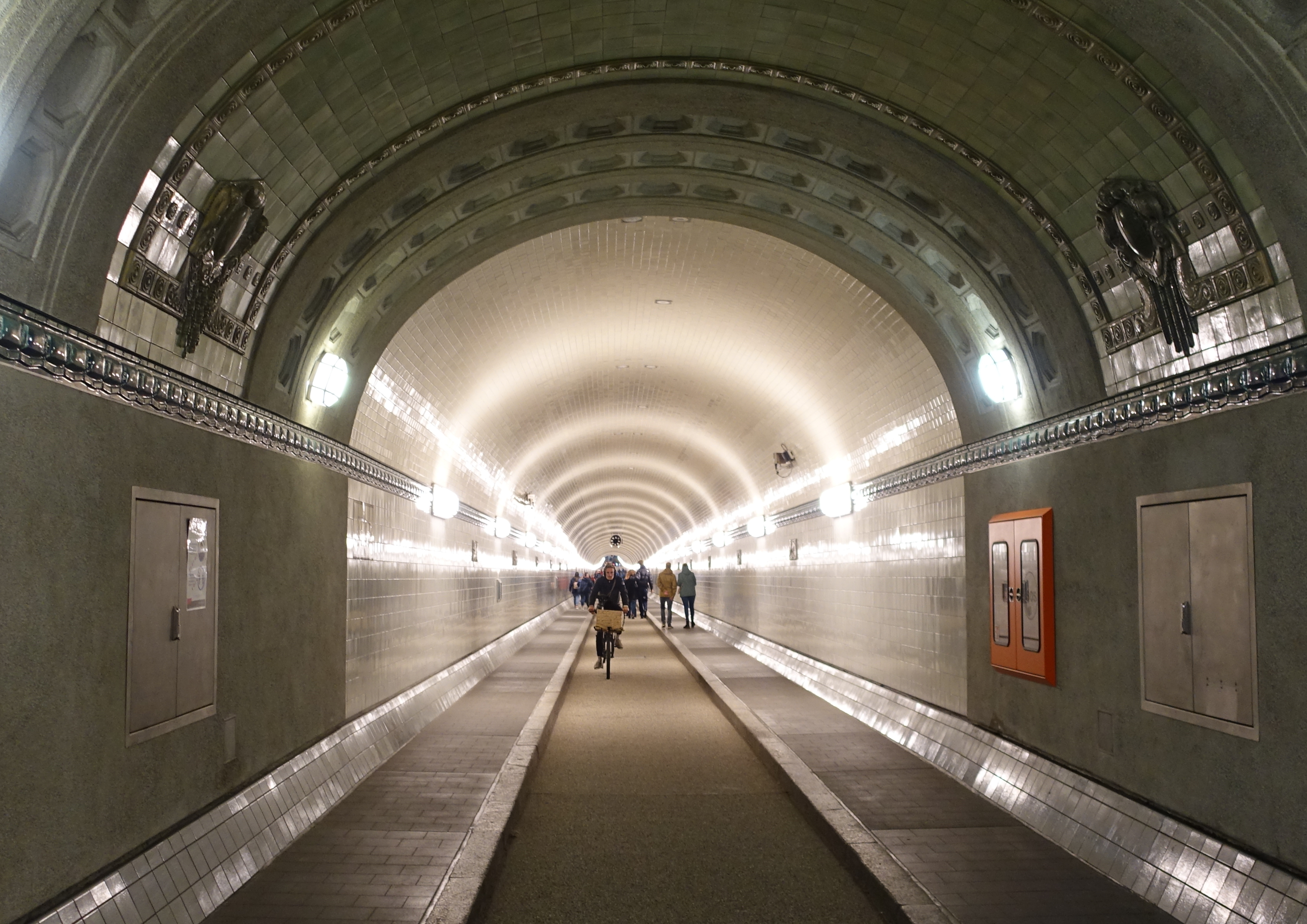
HafenCity is probably Hamburg’s most vibrant and interesting area of the city, containing a mix of old warehouses, new museums and an historic (1911) foot tunnel under the Elbe (the Alter Elbtunnel) built to enable dockworkers to commute more easily across the river.

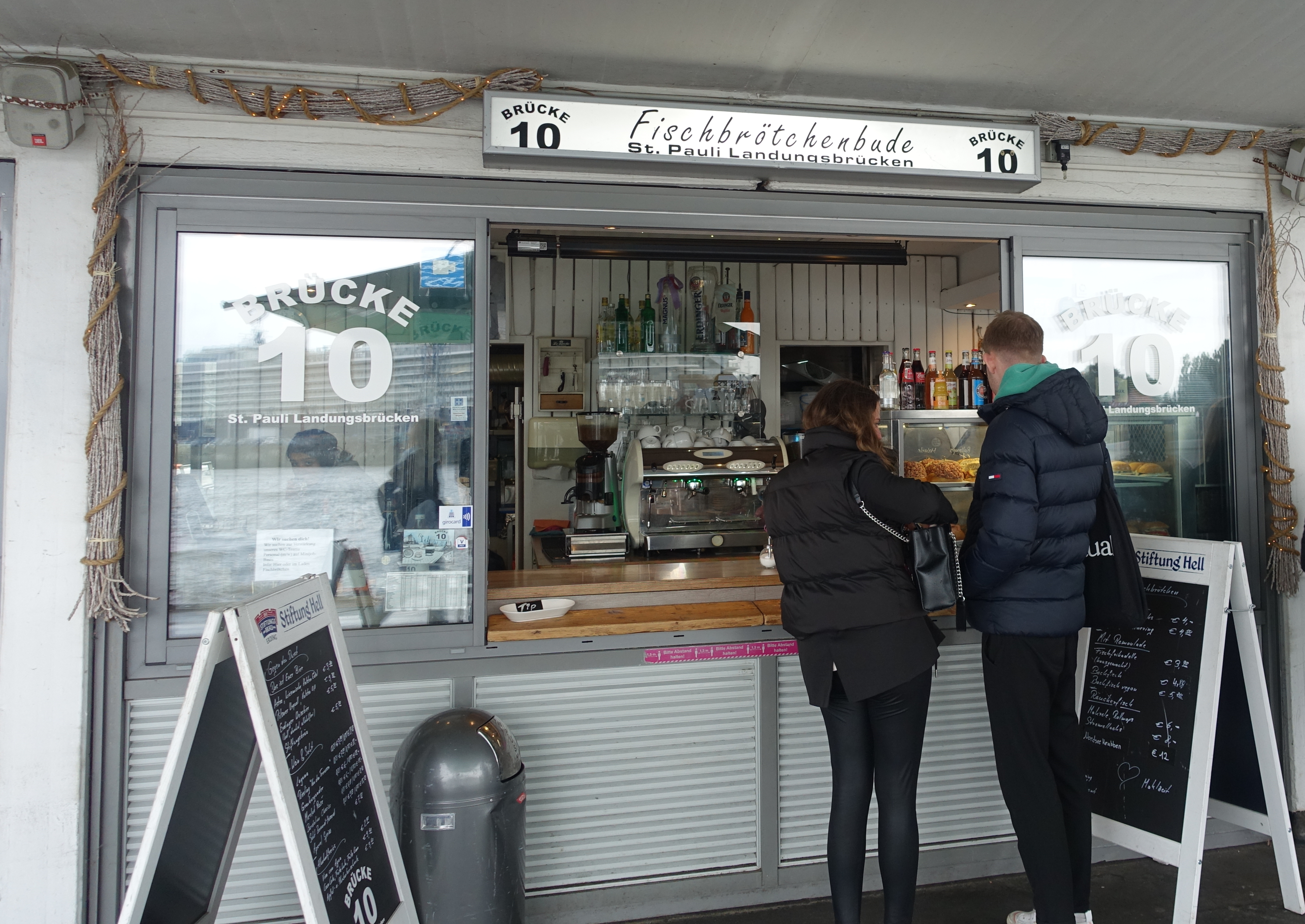
The riverside is also the best place to enjoy one of the culinary staples of Hamburg, the fischbrötchen or fish sandwich.

Hamburg’s most culturally diverse district is St Georg, which having escaped much of the wartime destruction, includes many older buildings as well as more independent shops and cafes such as LGBT friendly Cafe Gnosa

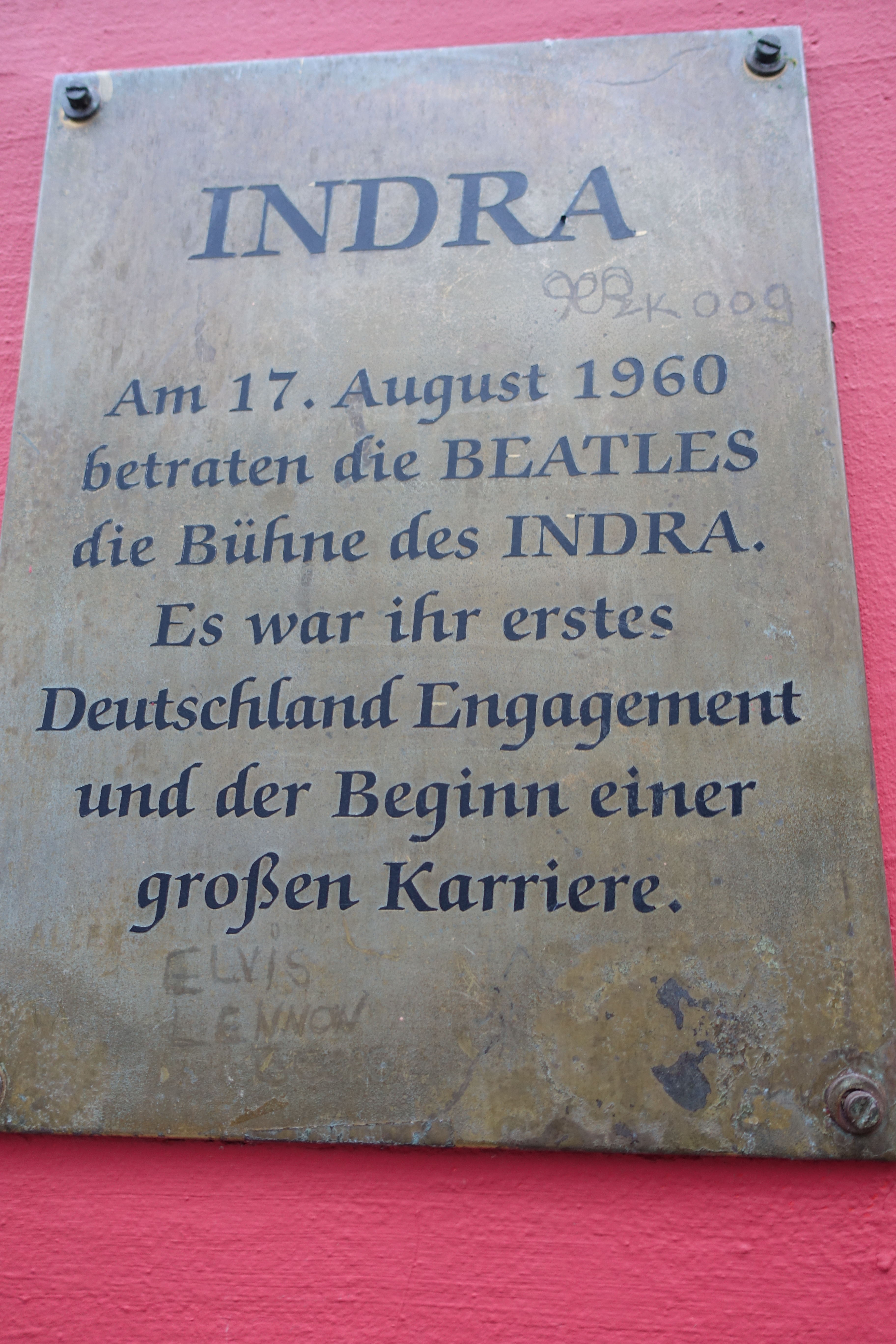
Before leaving Hamburg, it was important to visit the Reeperbahn entertainment district in Hamburg’s St Pauli district to track down a few of the venues where The Beatles honed their musical performing skills during dozens of shows during 1960-2. The first venue they played, the Indra Club (then a strip club) is still going

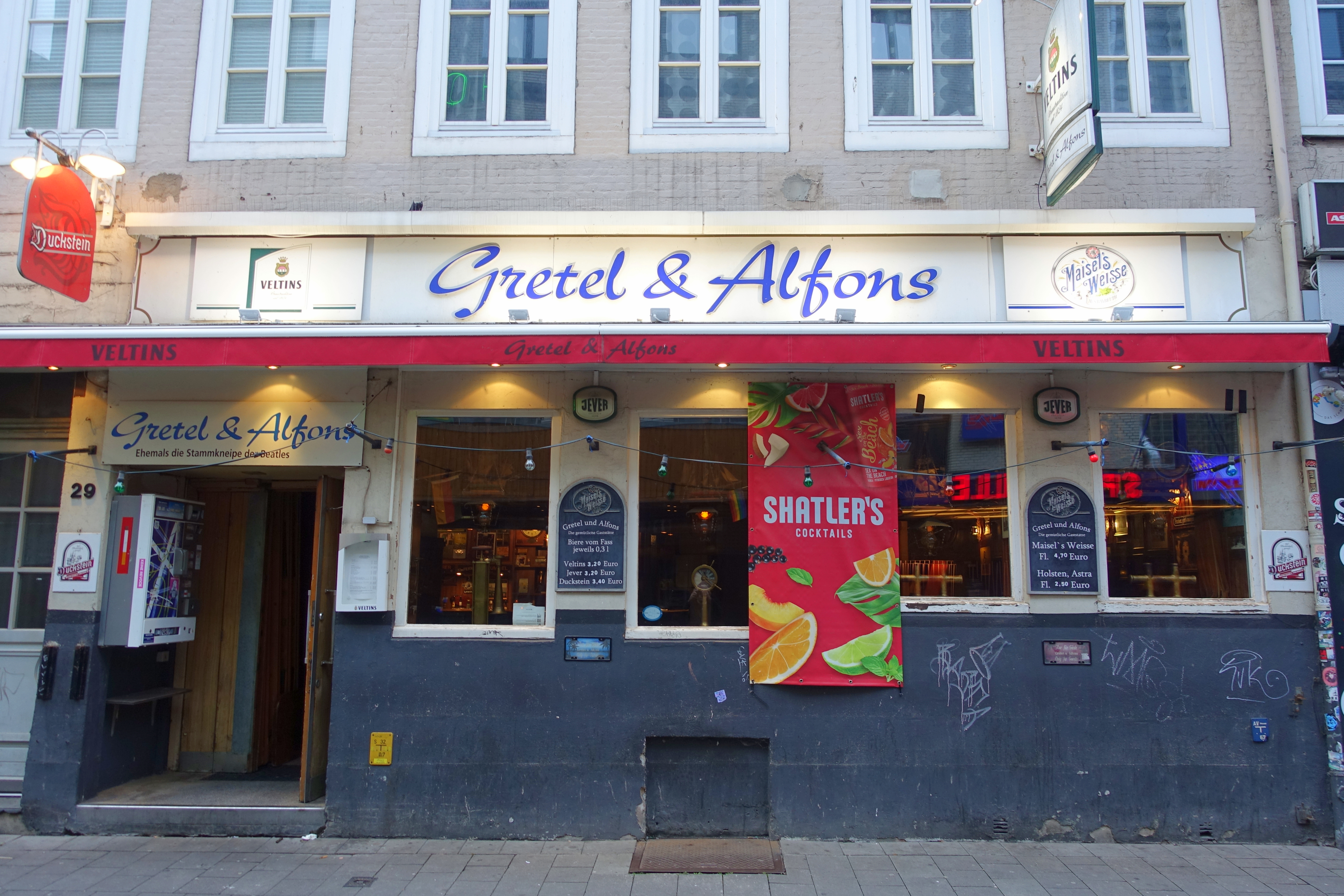
The group’s first ‘home’ in the city was two dimly lit rooms next to the toilets in the Bambi cinema and latterly Paul McCartney resided at the Gretel & Alfons pub which is still going strong 60 years later.

Dresden

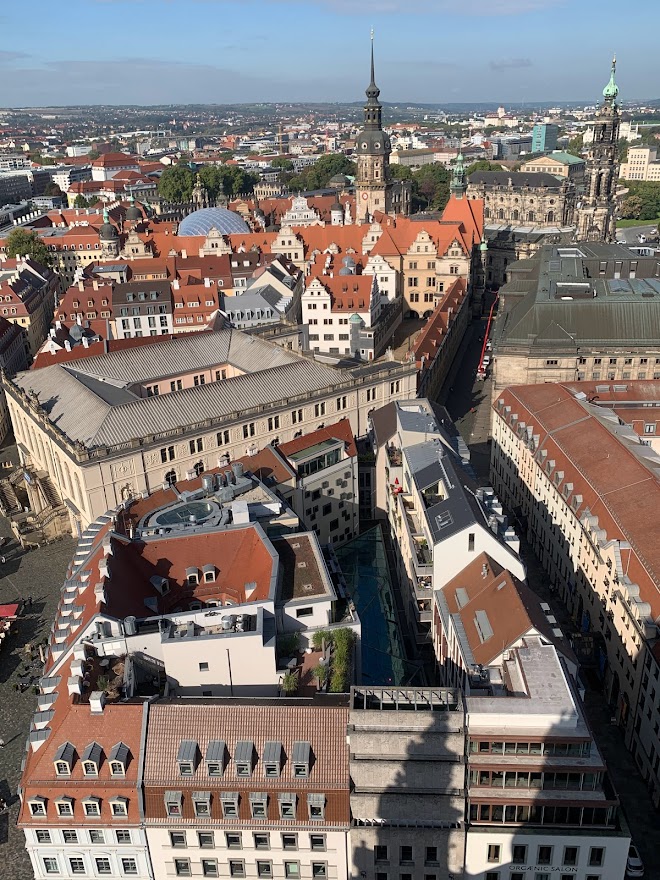
Heading south from Hamburg we travelled close to the Elbe as far as Dresden, formerly part of the GDR (East Germany). Whilst Hamburg was the first German city to experience firebombing in the Second World War, it was the bombing of Dresden which became the most notorious and controversial example of the horrific destruction inflicted by such attacks. Whilst the number of deaths was probably lower than in Hamburg, the destruction of the city centre, which had been dubbed the ‘Florence of Germany’, was far more comprehensive as illustrated by this famous image from the top of the Rathaus.

Rather than repair and re-develop the main buildings of the Altstadt (old town), it was decided to recreate them from scratch, most famously the Frauenkirche (church of Our Lady), which was rebuilt between 1994-2005. Incorporated into the new building are over 8500 original stones which can be easily be identified because of their blackened state.

Whilst the reconstruction of the Altstadt has been deemed a success especially with respect to its tourist appeal, it does feel at times like wandering around a historic film set which lacks the urban vibrancy of most cities.

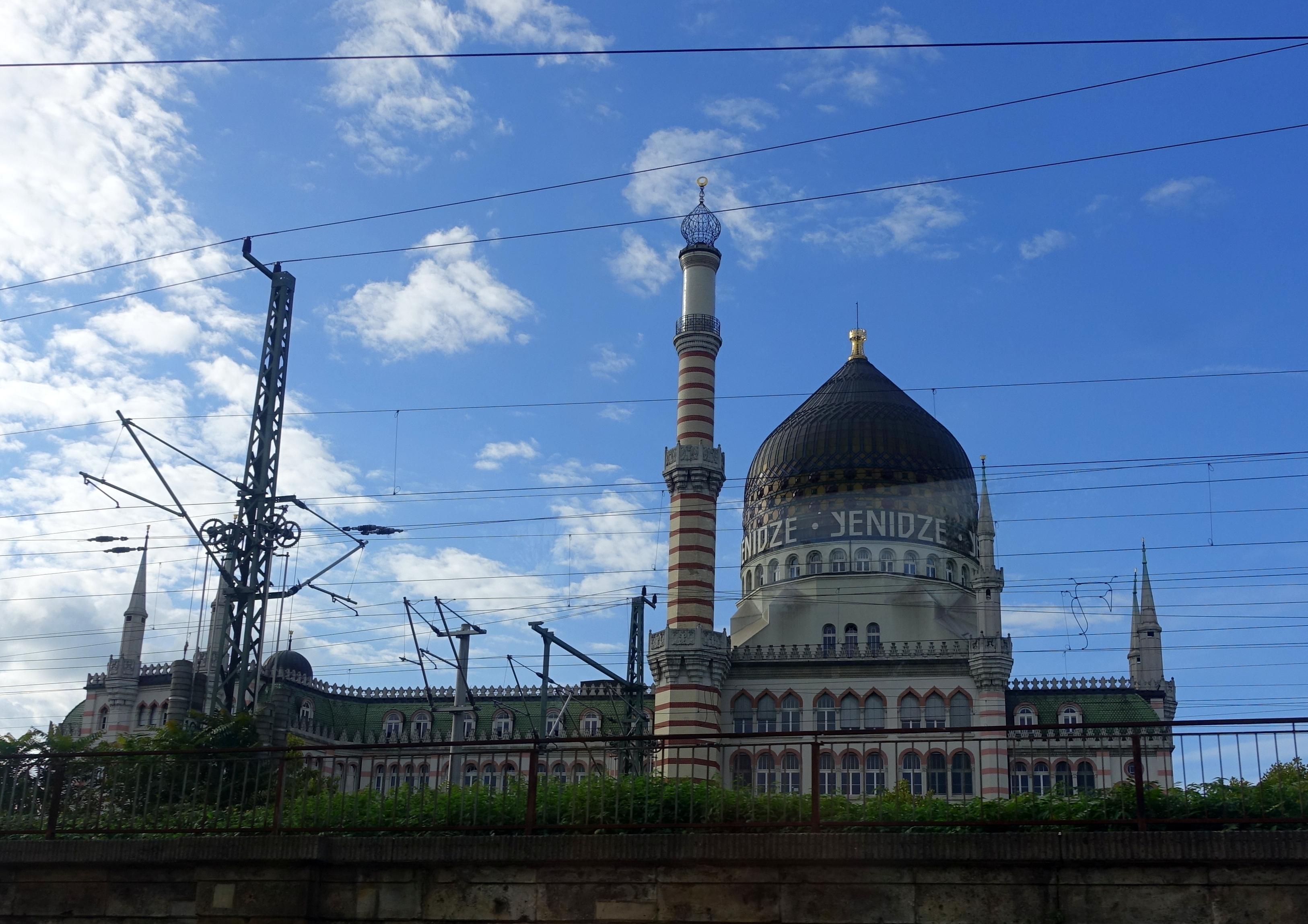
In many respects, the more interesting part of the city is the Neustadt – the ‘New Inner City’ on the right bank of the Elbe. Here can be found a mixture of more historic buildings as well as developments made during Communist rule. One oddity is the Jenidze building, a former cigarette factory from with a Moorish design, which is now an office building.

Leipzig

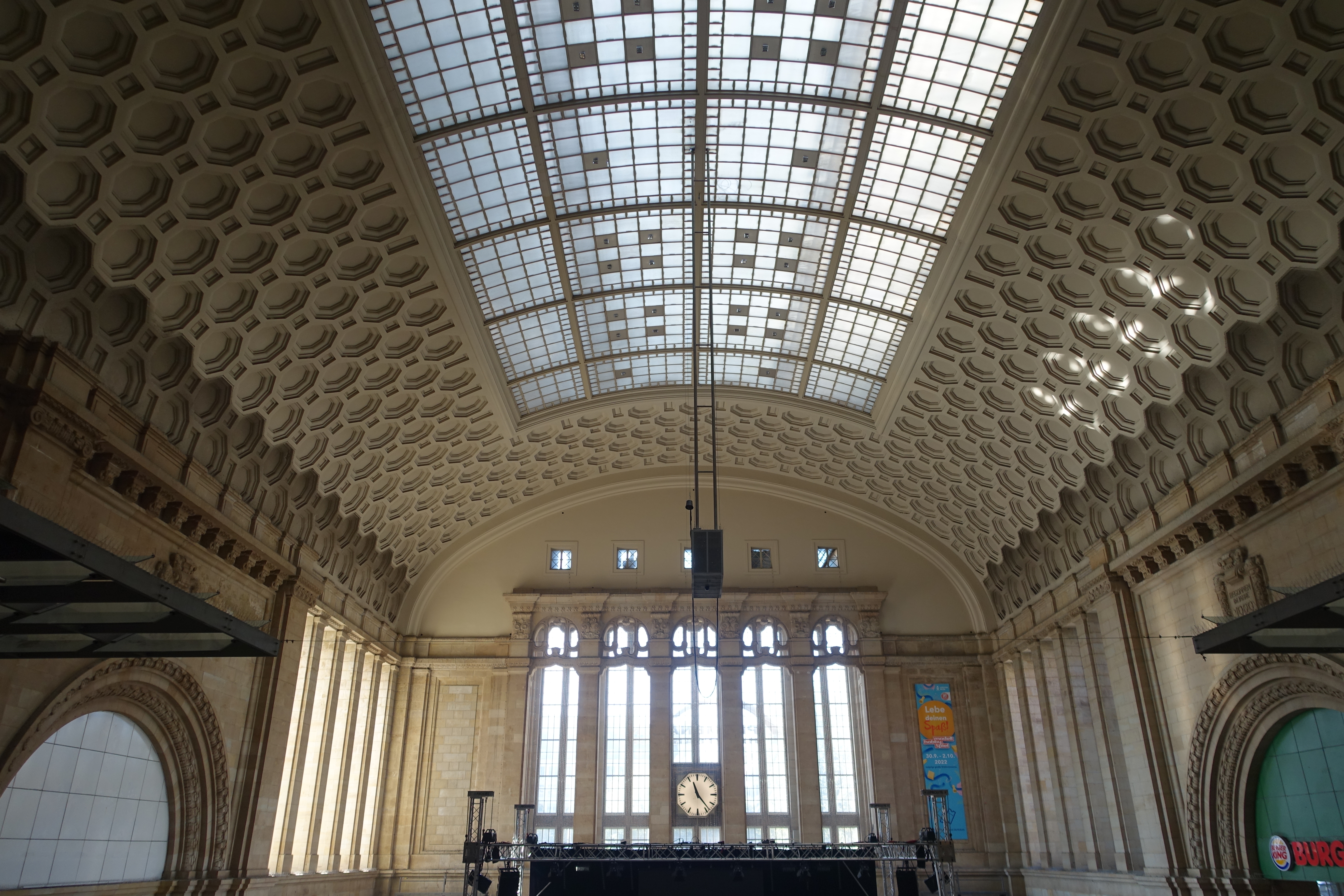
Just over an hour’s train journey from Dresden is Leipzig which felt like a much more dynamic and culturally vibrant city. it helps when you arrive at its magnificent train station, the largest in Europe.

Leipzig has an interesting architectural mix reflective of the many social and political changes it has experienced, especially over the past 150 years.

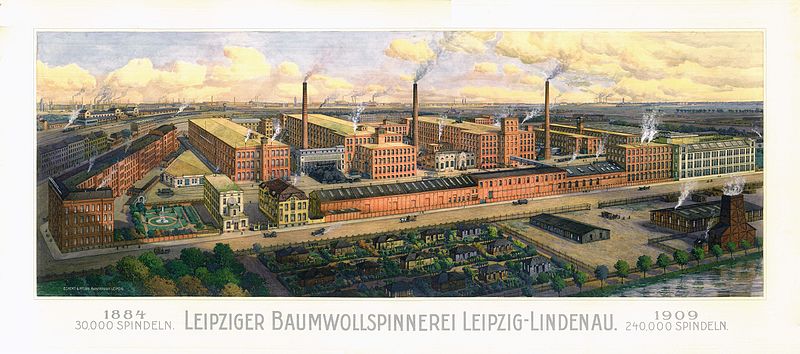
In 1884, the world’s largest cotton mill (the Leipziger Baumwollspinnerei) was built where up to 4000 textile workers were employed. Production ceased in 1993, but like many other old textile mills in Europe, it has found new life as an arts and cultural centre.

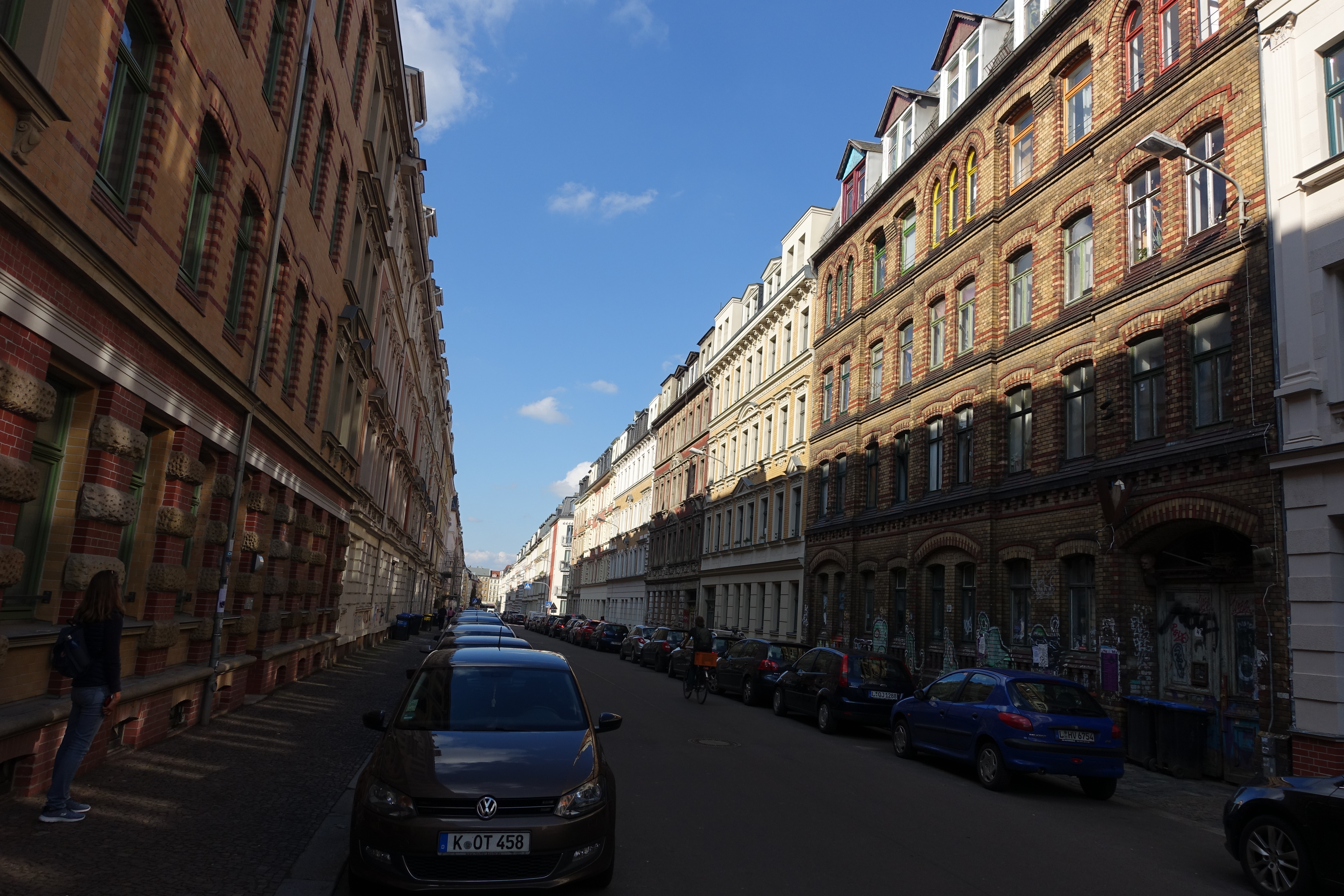
In nearby Plagwitz, the old industrial quarter of Plagwitz has been transformed into the artistic hub of Leipzig and its old terraced housing are slowly becoming gentrified.

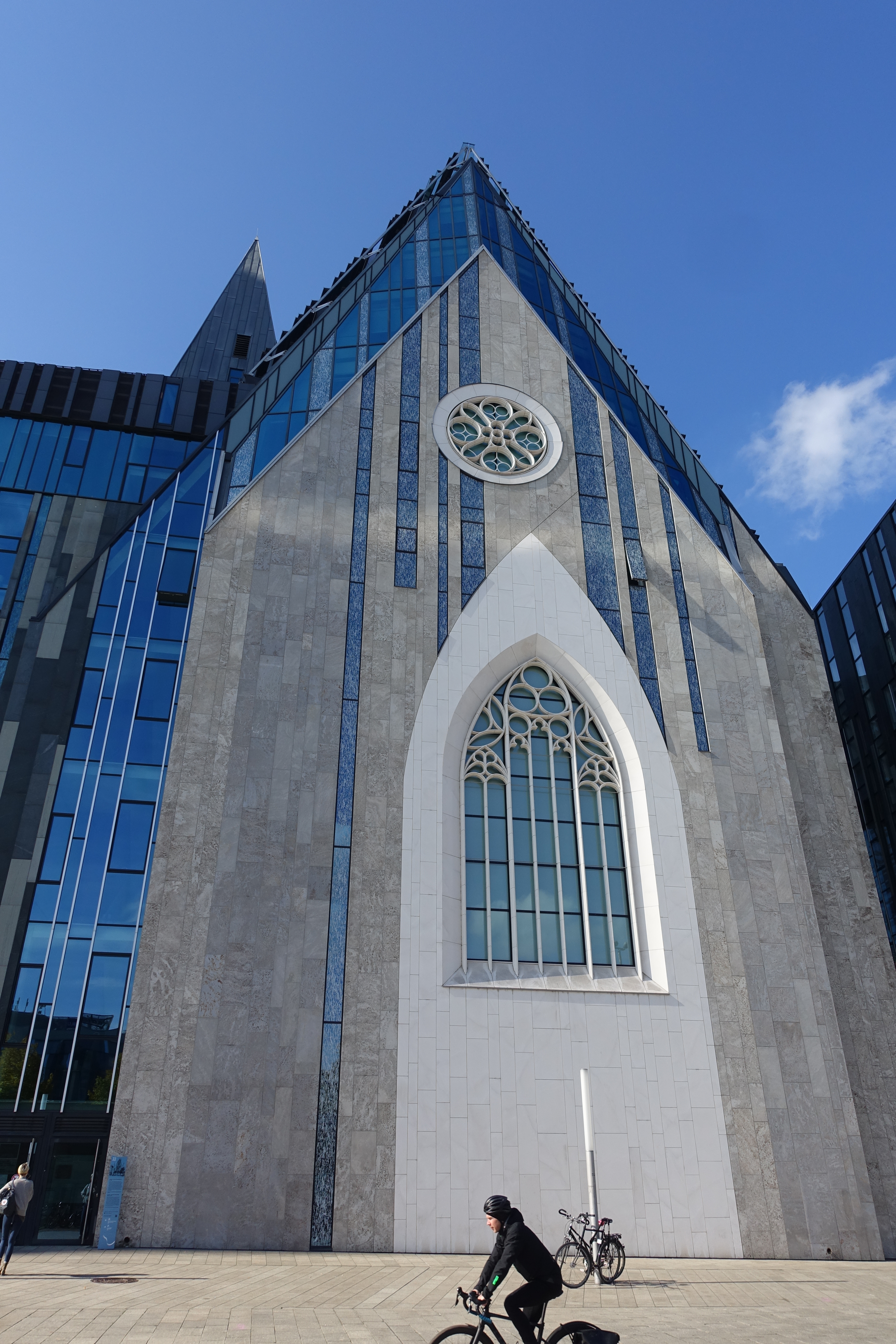
Meanwhile, in the city centre, Leipzig University (founded in 1409) is now home to the futuristic Paulinum was completed in 2017 to much critical acclaim.

Between 1949-1990, Leipzig was part of the communist GDR, which has left its mark with some notable buildings such as the Bruhl department store locally called the Blechsbuchse (‘tin box’) – the then state owned store was given a new outer shell made of aluminium in 1968.

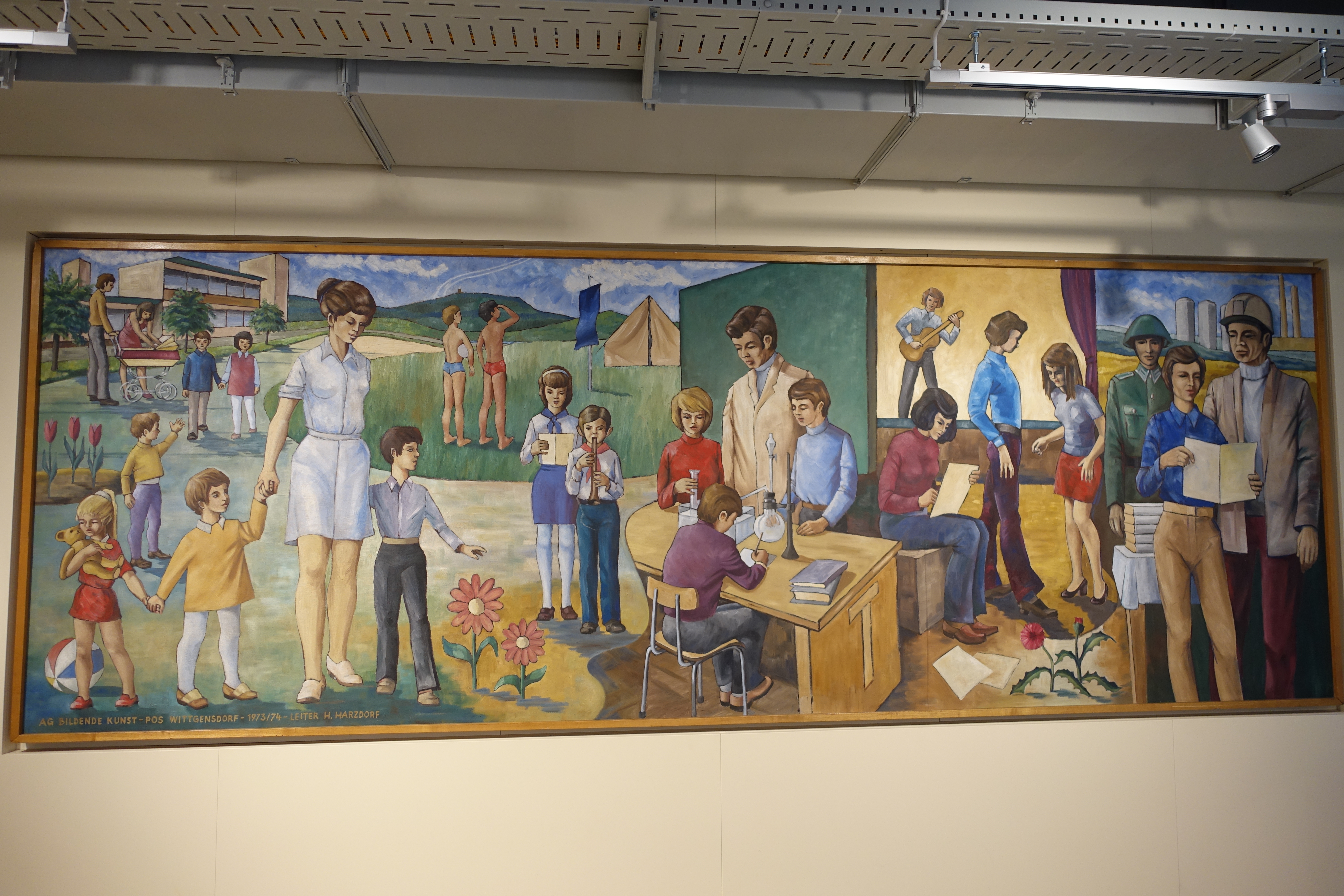
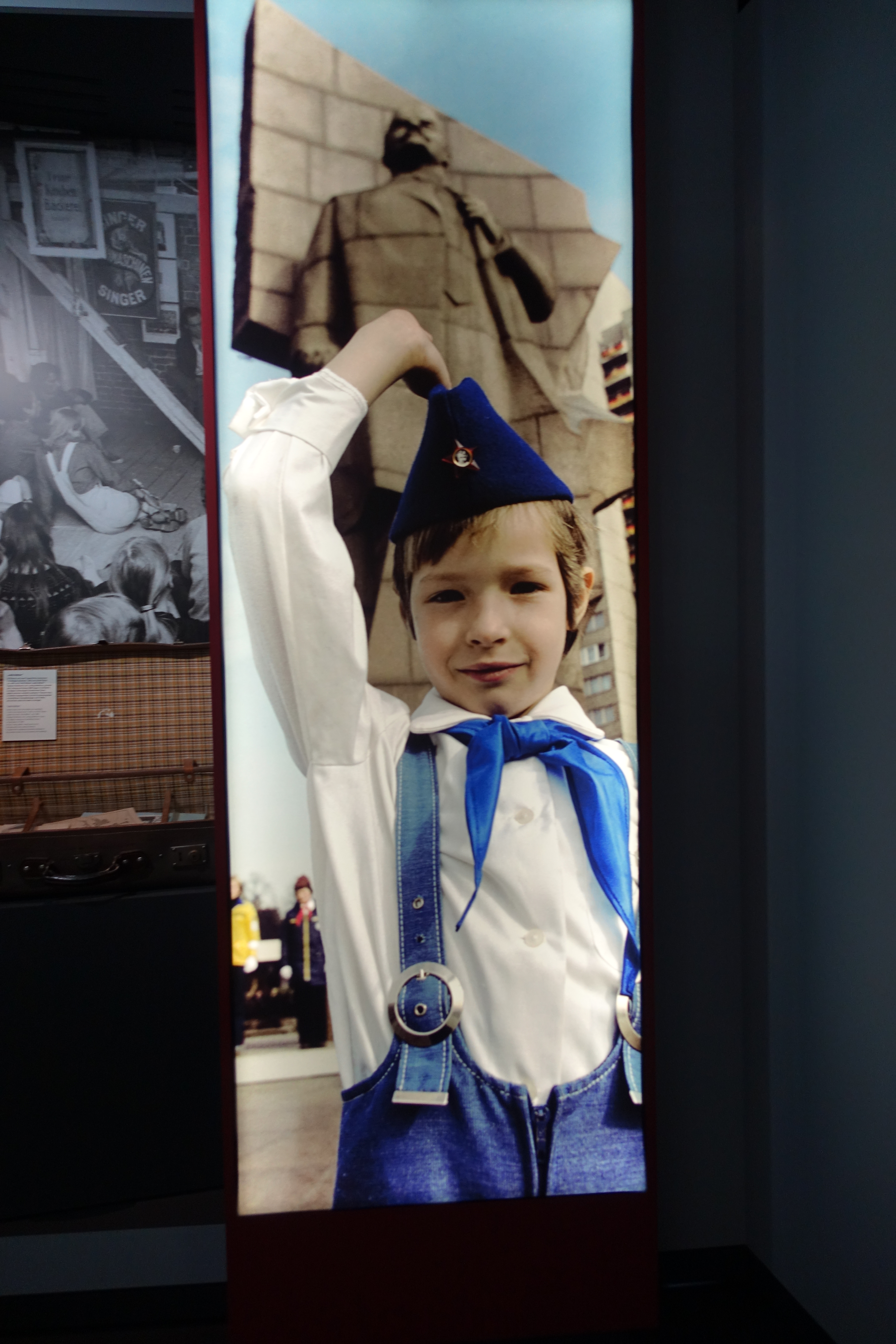
For those keen to learn more about life under Communist rule and its wider historical context, then the Zeitgeschichtliches – Forum of Contemporary History provides a very illuminating insight into Germany’s recent historical past. Its exhibits not only show the oppressive side of life in the GDR but also some of the positive aspects as feature in some of the oral testimonies of its former citizens

Examples of GDR propaganda
Not everyone was happy to vote for a city name change from Karl Marx-Stadt to Chemnitz

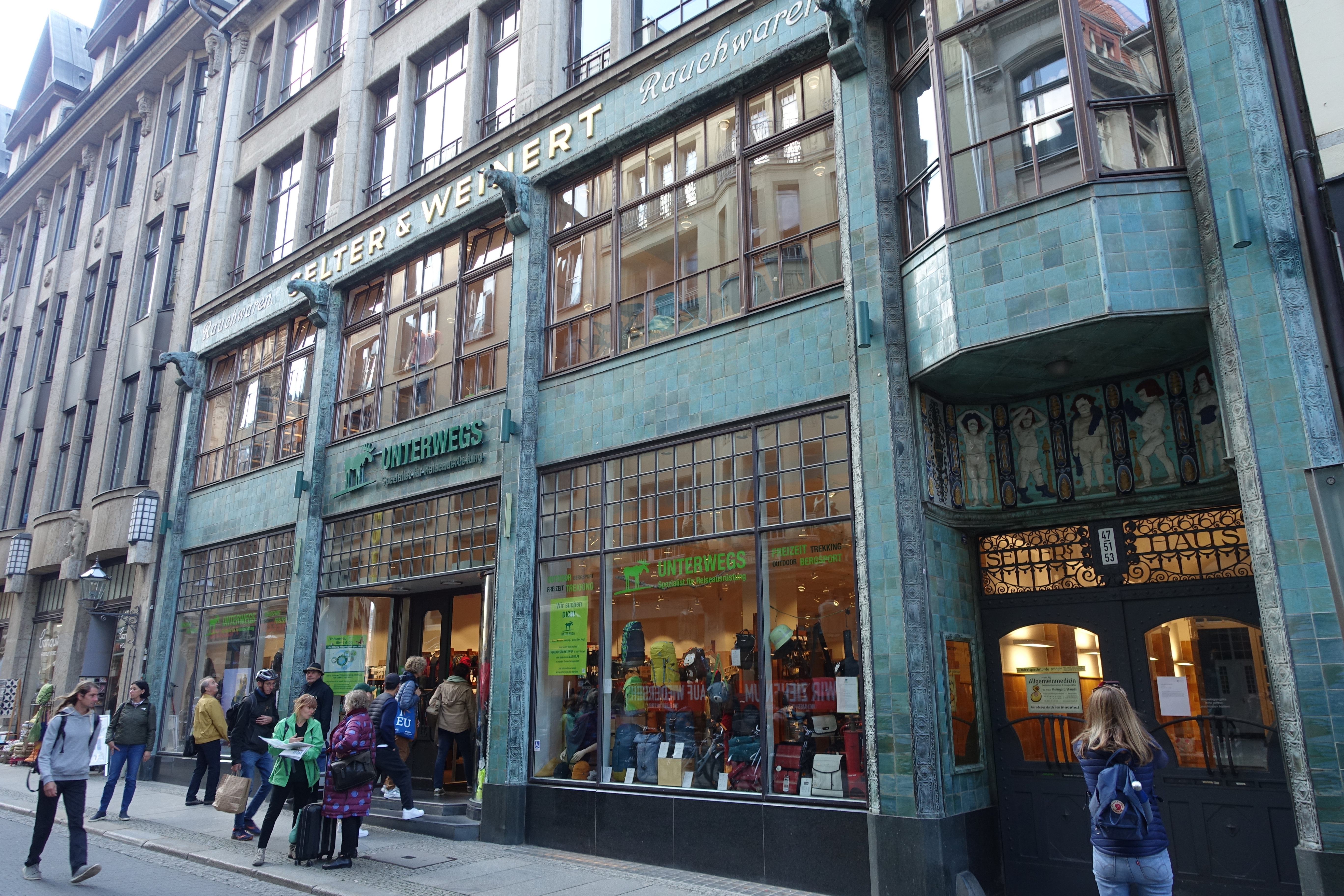
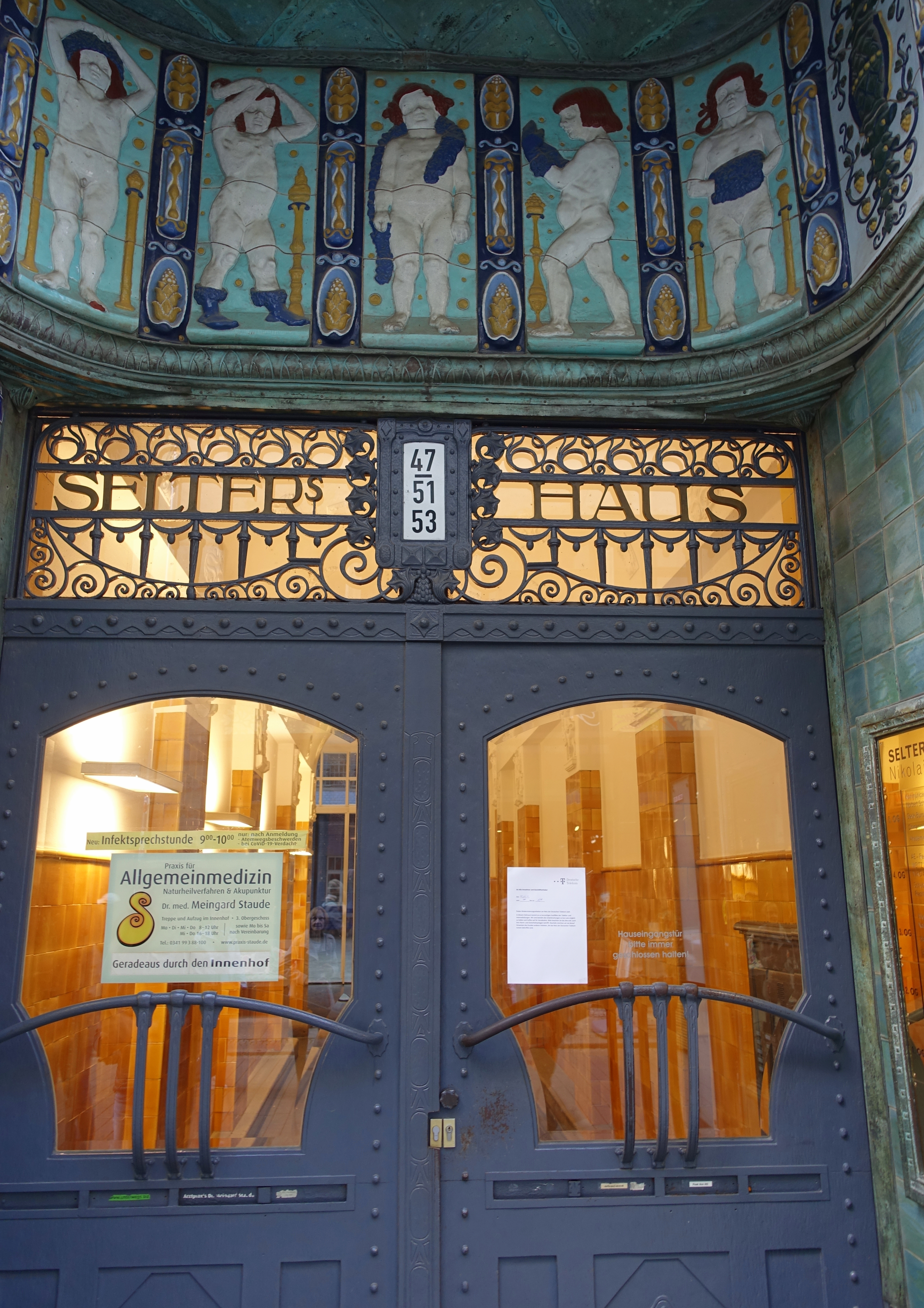
The Brühl area of Leipzig was part of the Jewish quarter and also the centre of the city’s fur trade. The beautiful Selter & Weinert building (1874) operated as both a wholesale tobacconist and fur trading shop.

Bratislava

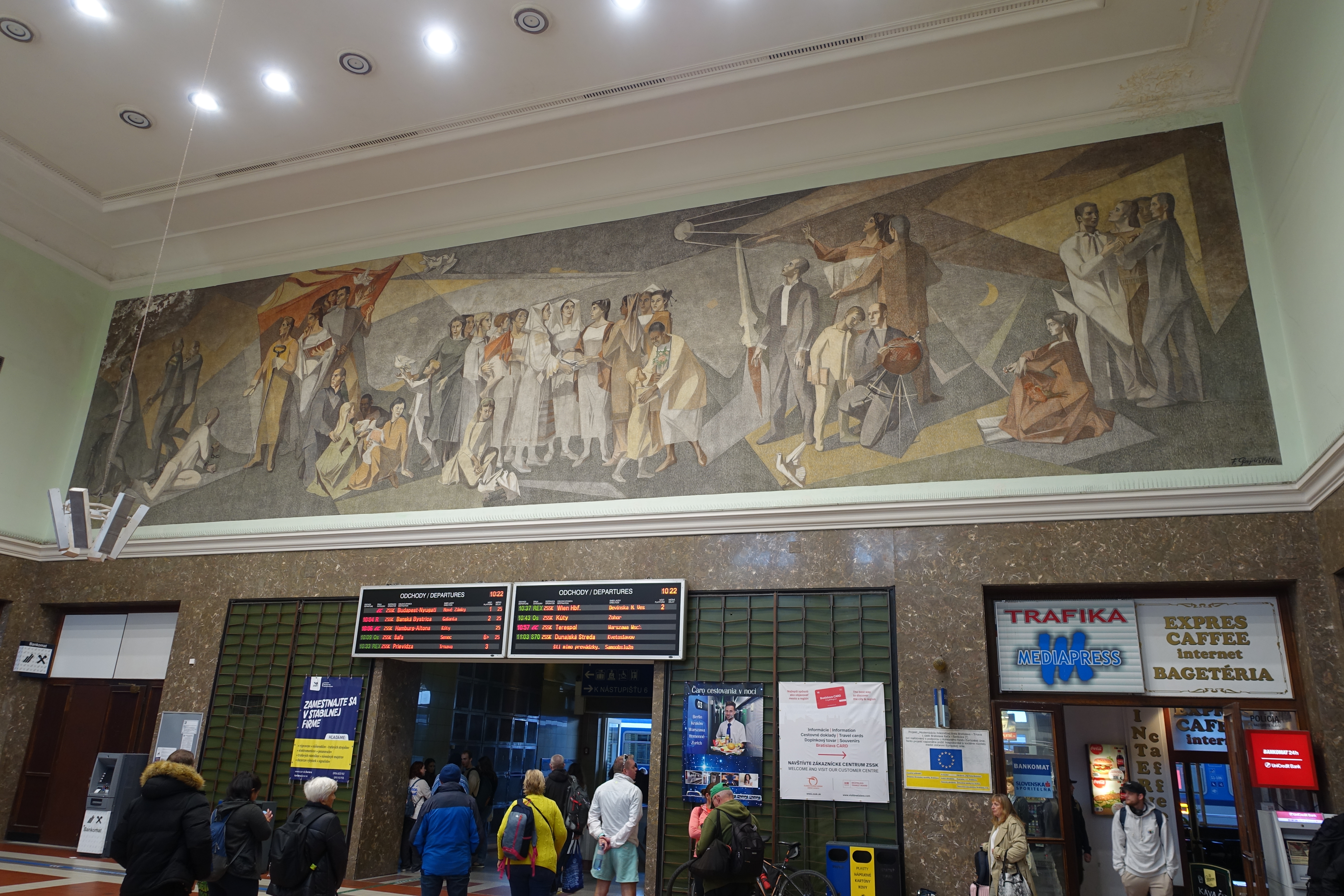
Travelling further south, we crossed over into what was formerly known as Czechoslovakia We bypassed Prague, before stopping off in Brno in the Czech Republic and then moved on to Bratislava, capital of Slovakia. The main train station feels like a throwback to the old Communist days, complete with a social realist fresco dating from 1960 which includes includes the world’s first space satellite, Sputnik, as well as an old station cafe which still allowed smoking, an unusual sight in today’s EU.

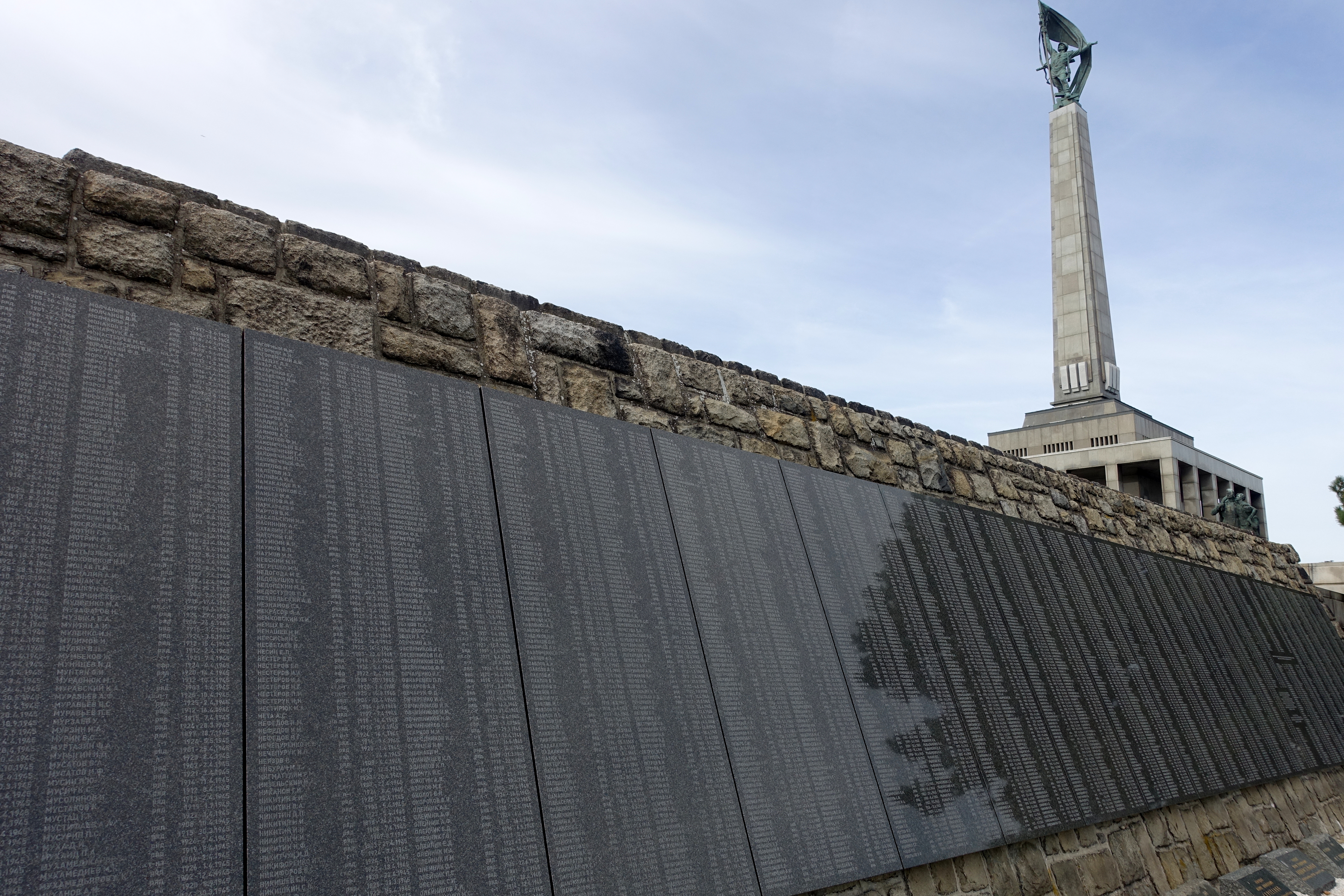
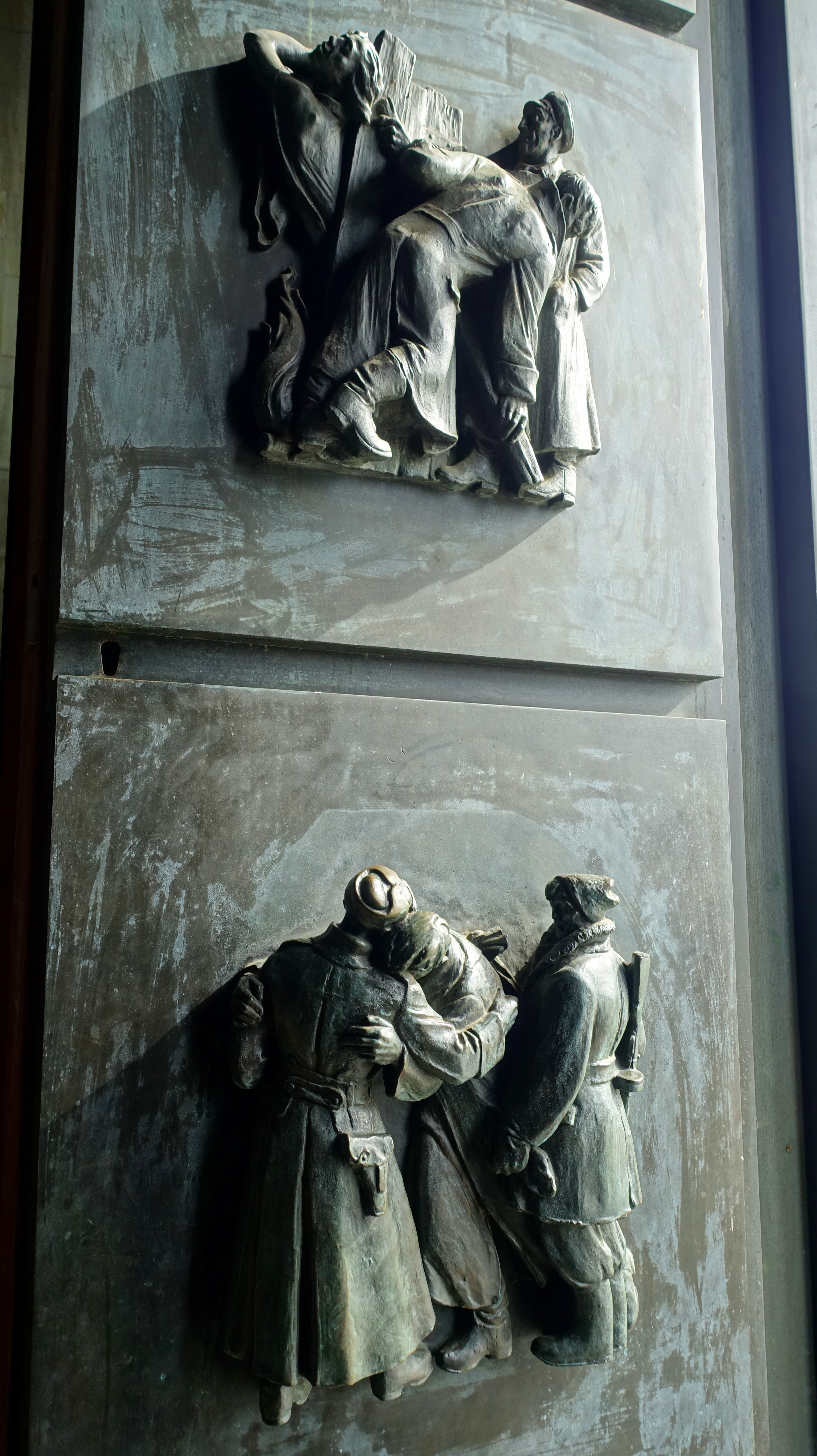
The city’s communist legacy includes the Slavin war memorial which honours the Soviet Army casualties (nearly 7000 soldiers died) arising from the battle to end the Nazi occupation of Bratislava in 1945.

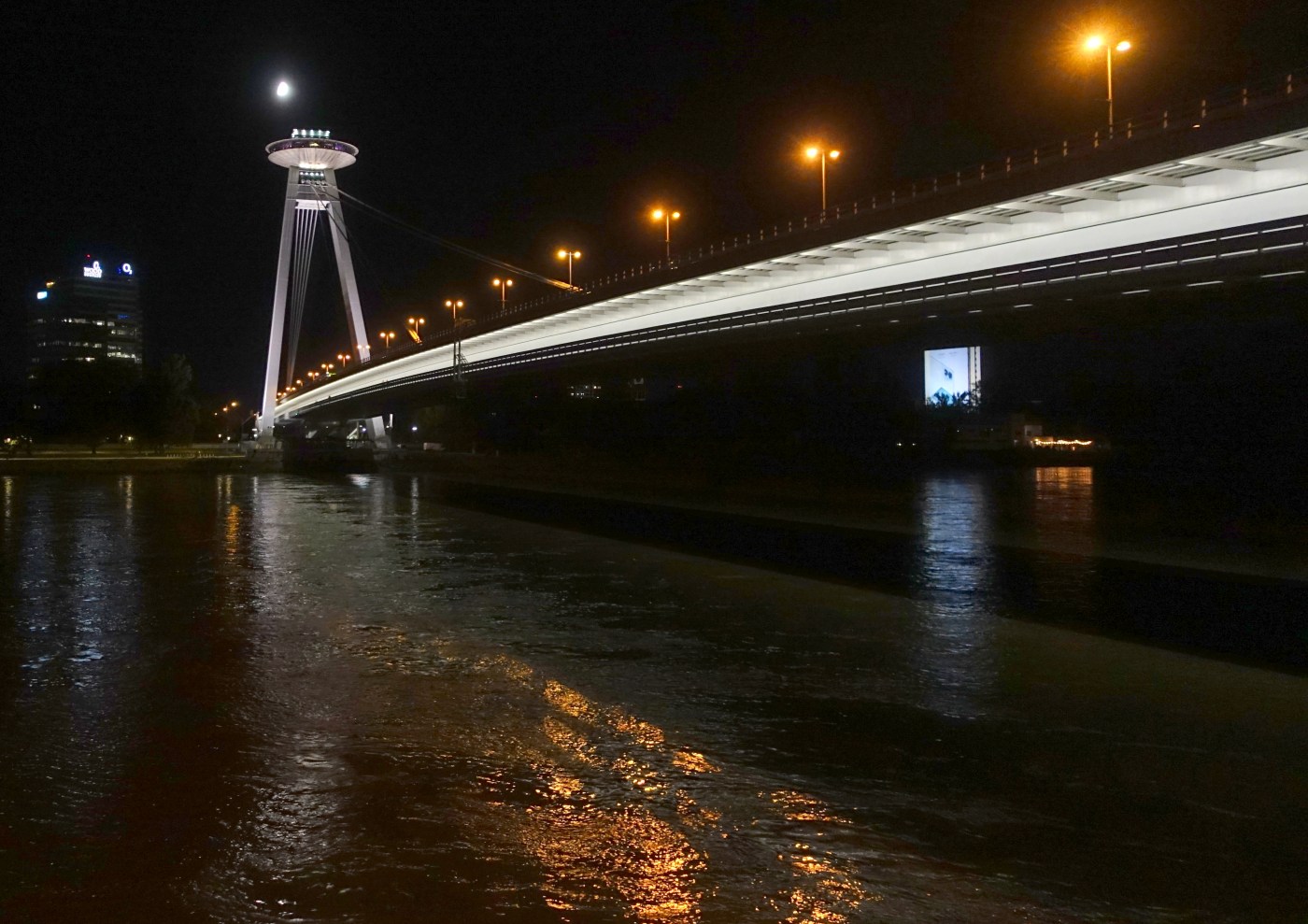
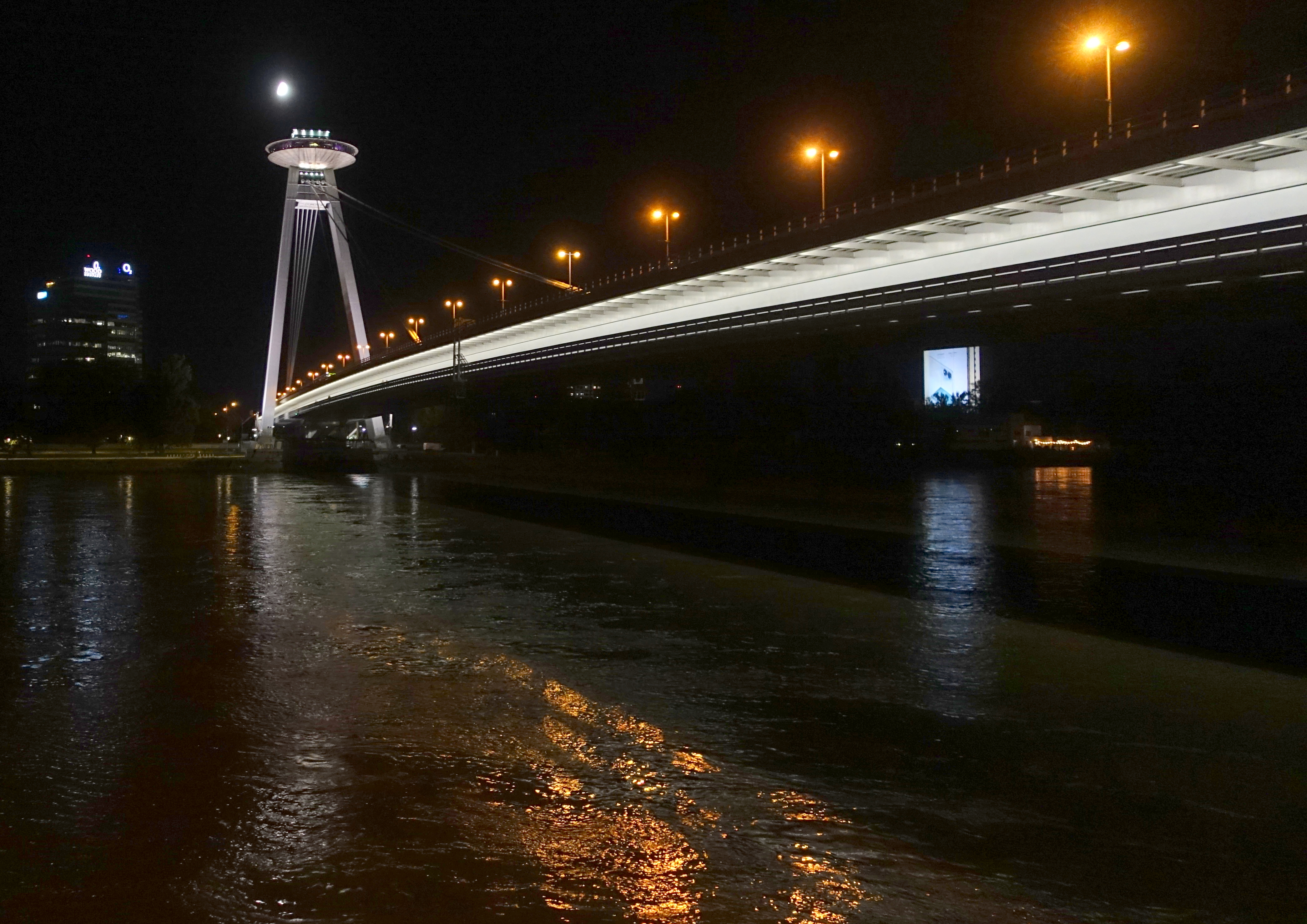
Another landmark construction is the SNP bridge (‘Bridge of the Slovak National Uprising’ – now simply referred to as the ‘New Bridge’)) which is an impressive single span crossing of the Danube River. Unfortunately, its construction entailed the destruction of the Jewish quarter of the old town to make way for the dual lane carriageways using the bridge.

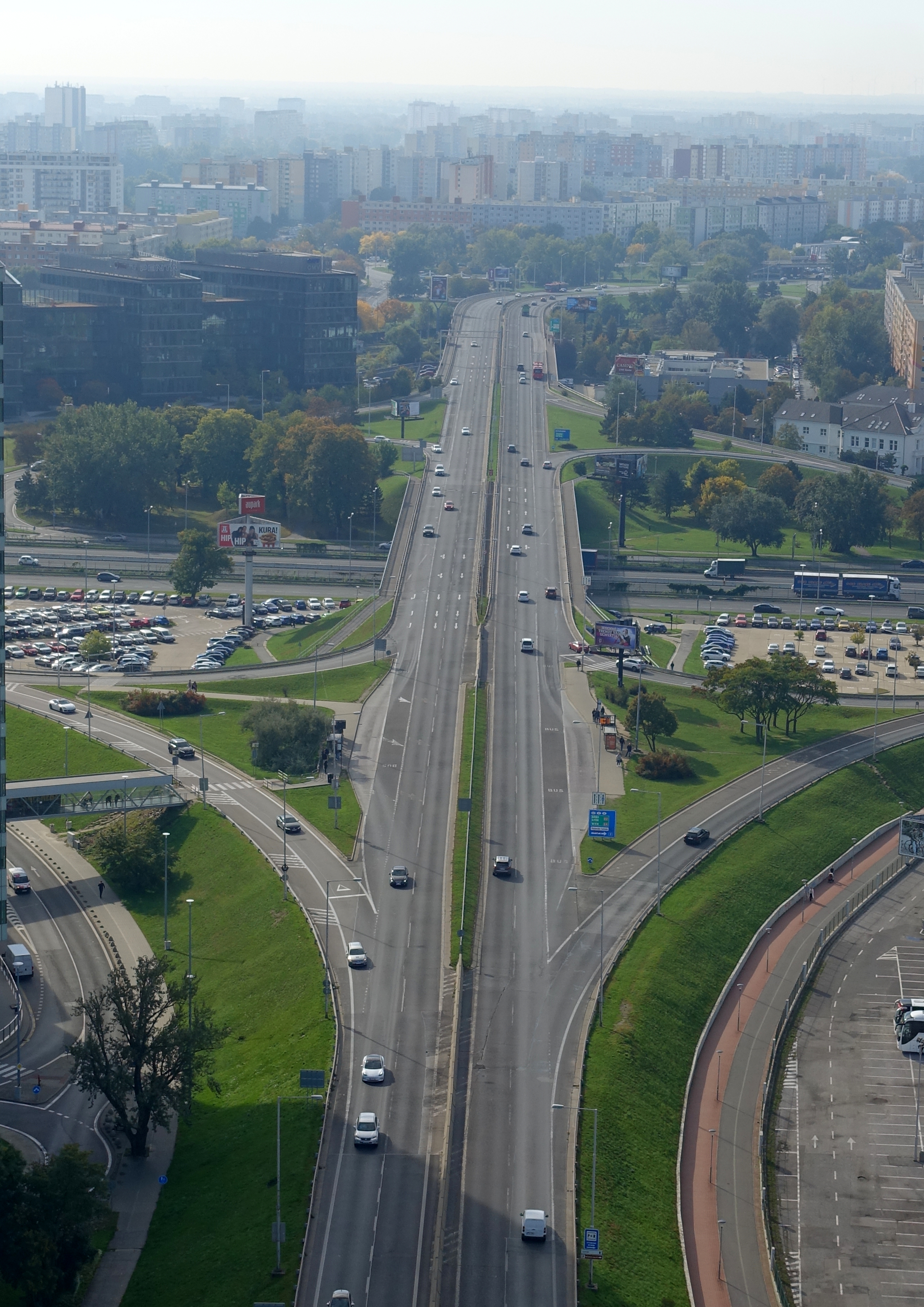
On the south side of the bridge is a flying saucer shaped observation deck, known as the UFO, which offers splendid views of both the castle and old town as well as the huge Petrzalka housing estate, the largest such estate in Czechoslovakia when built in 1973

Like Leipzig, Bratislava feels like it is shaking off its rather dour communist legacy to forge a more modern and dynamic identity.

A socialist themed stained glass window from part of the old Slovak National Theatre
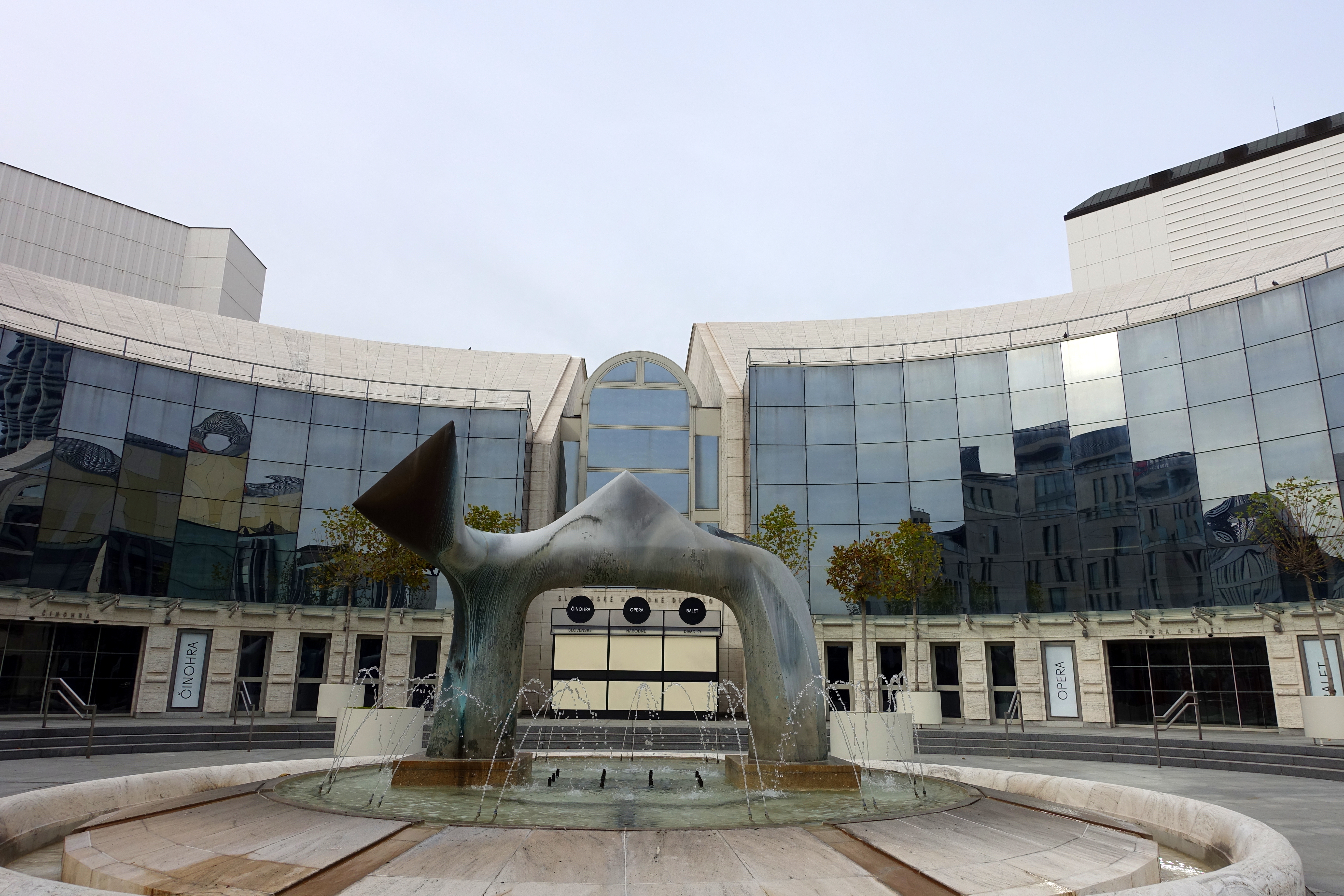
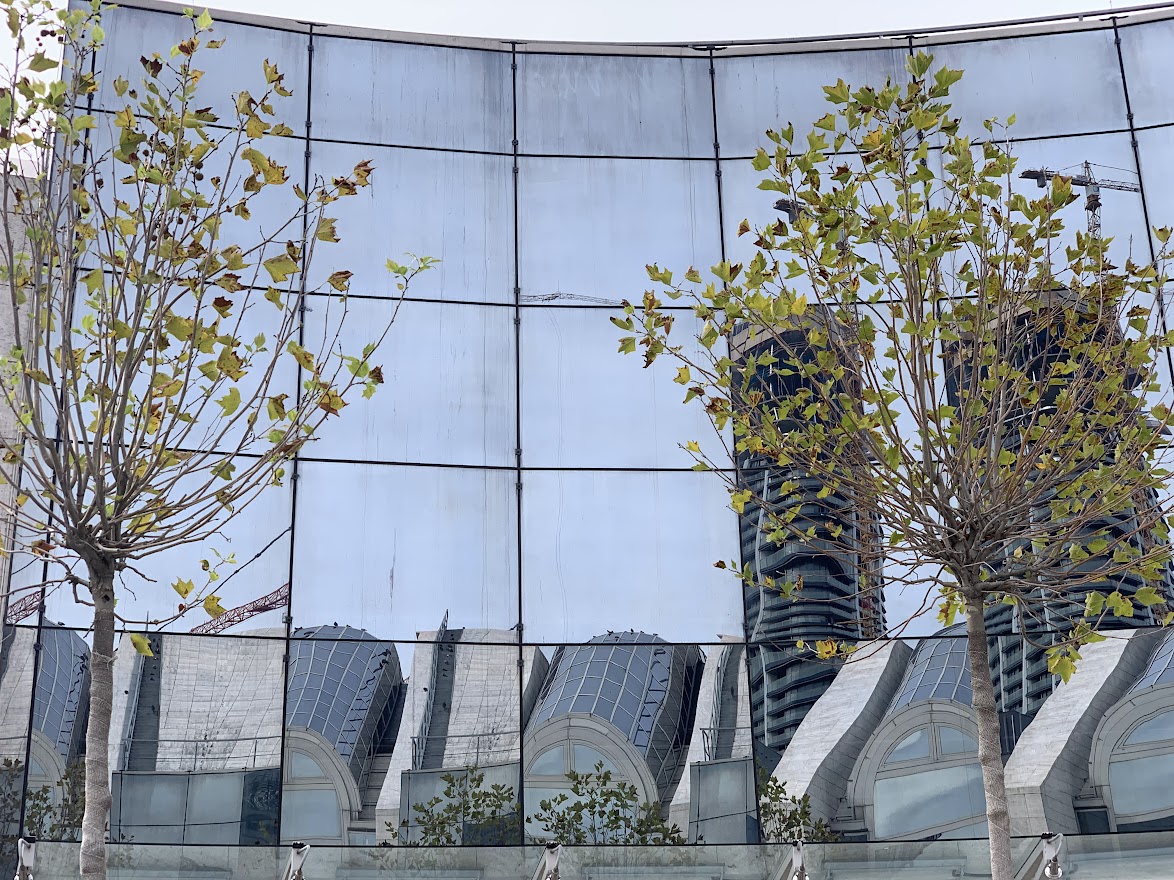
The new Slovak National Theatre started under Communist rule in 1986 and eventually finished in 2007 at a cost of 5 billion koruna (approx 200 million euros)

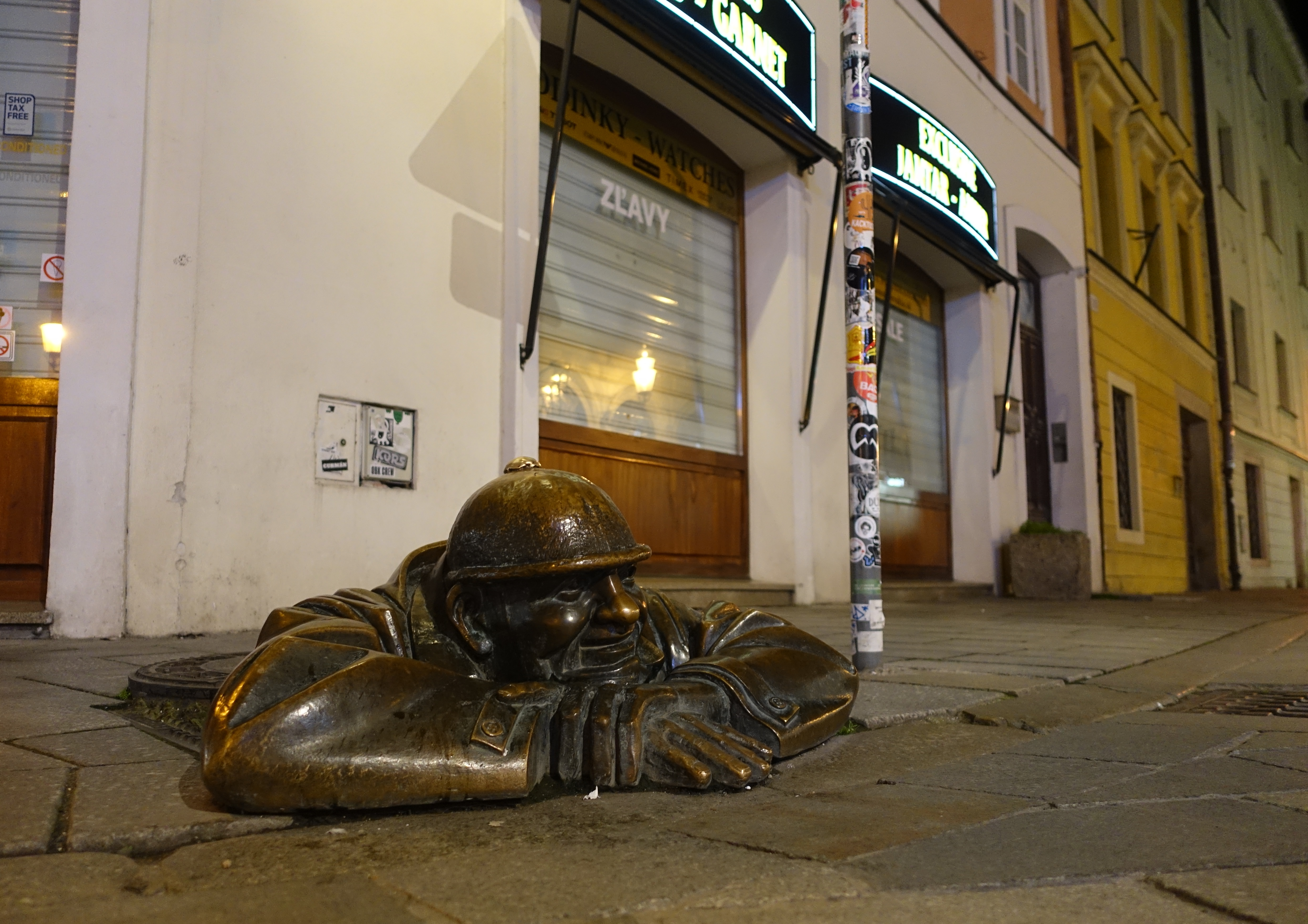
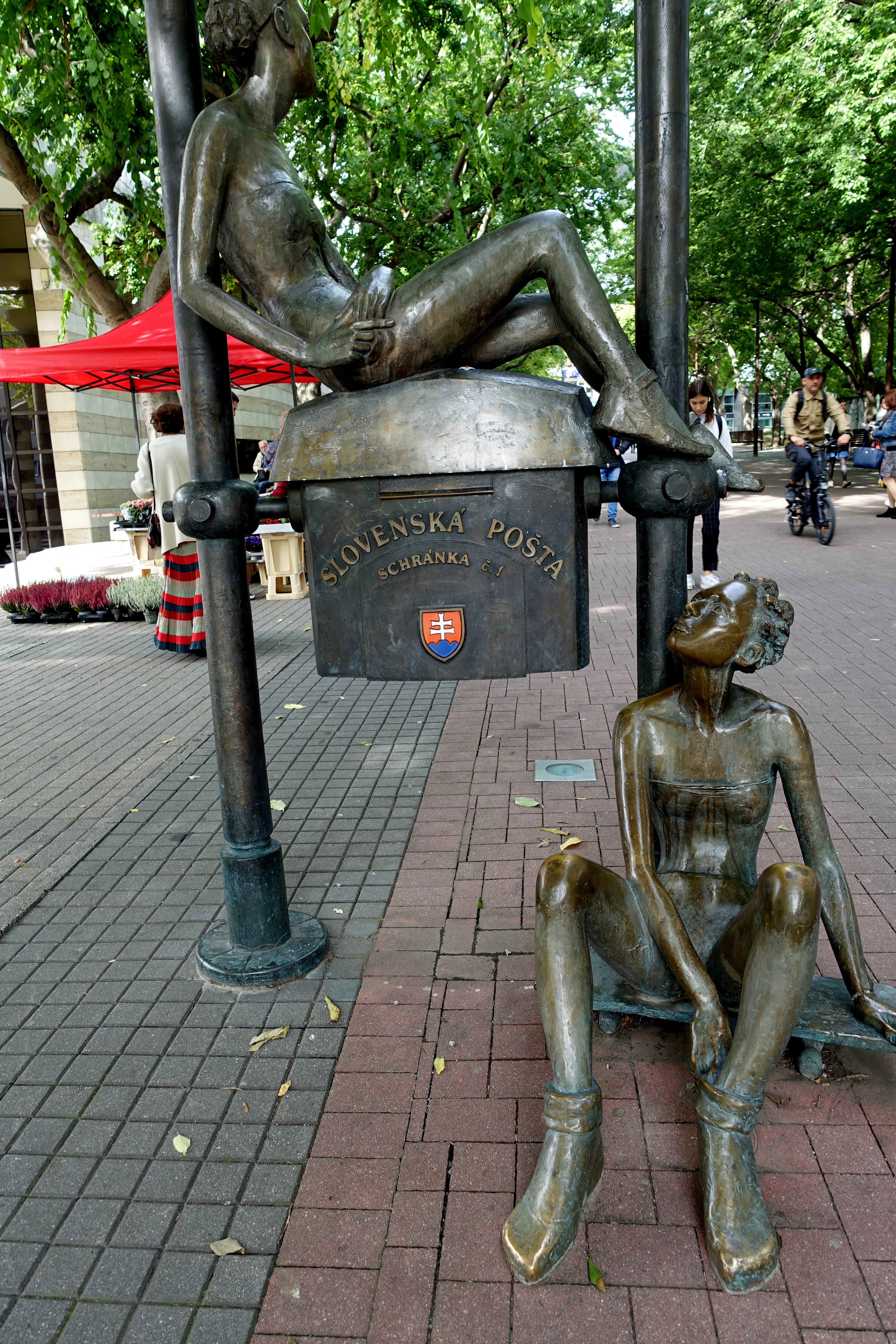
Bratislava has an amusing array of street sculpture mostly emanating from the period following the Velvet Revolution. Here are two examples we encountered in the city

‘Man at work’

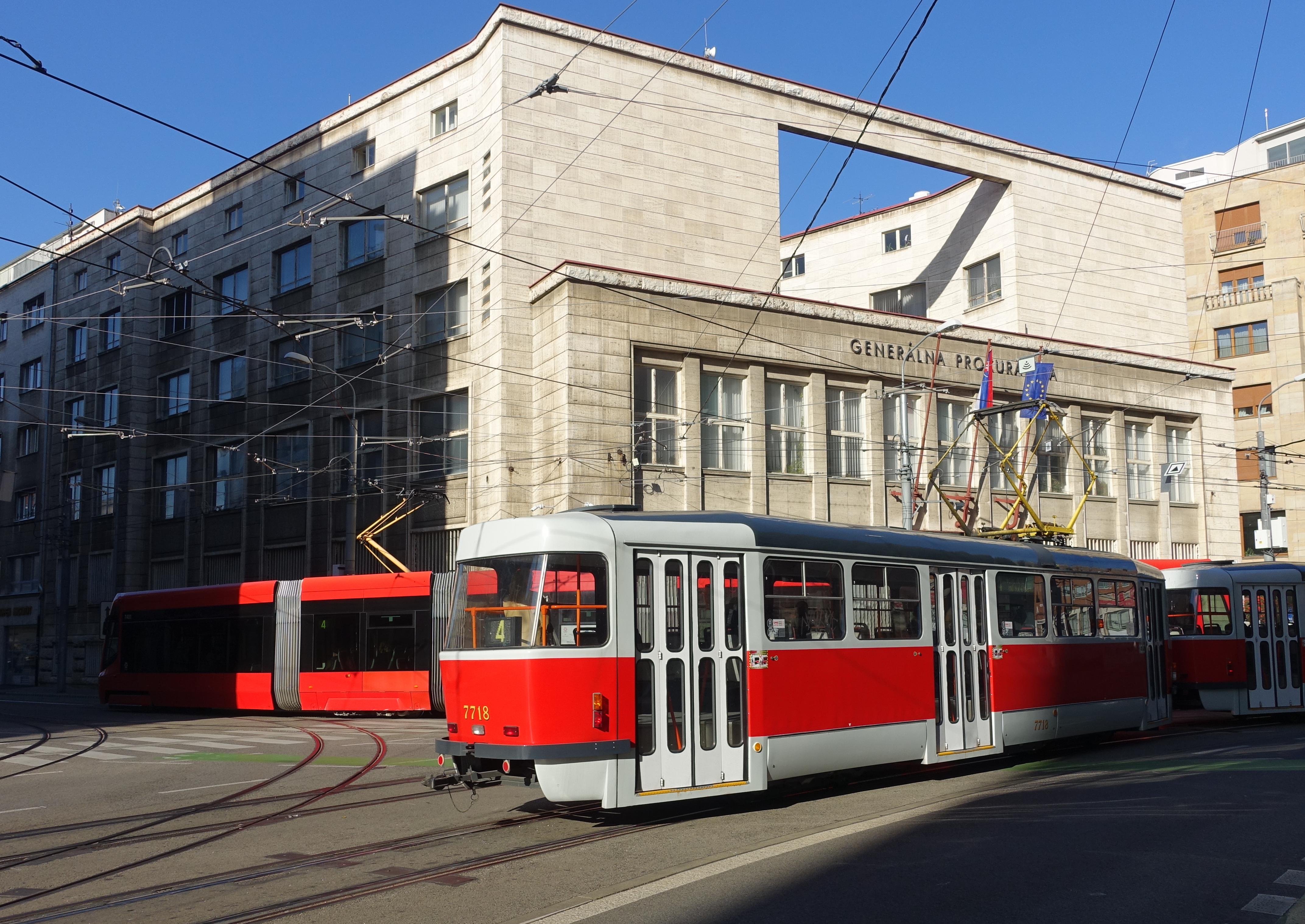
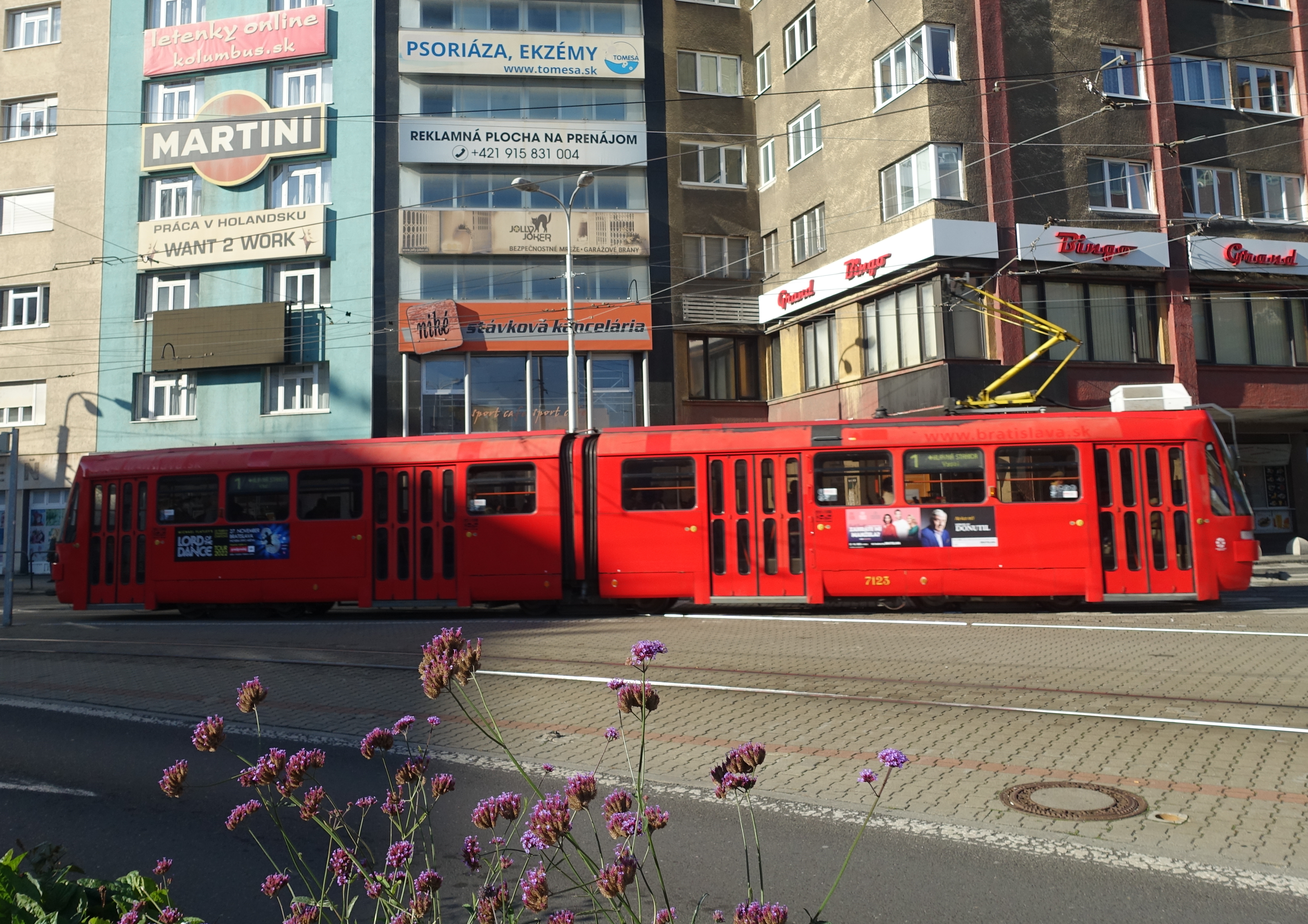
Finally, mention must be made about the excellent (and very cheap) public transport in Bratislava (as we have found in most ex-communist states we have visited). The tram fleet includes some attractive vehicles from the communist era

Palermo: an exciting cultural fusion

Not since our first visit to Naples, has a European city ever felt so different and distinct. After a couple of weeks visiting the coastal towns of Calabria and north Sicily, arriving in Palermo provided a shot of cultural adrenaline which was both bewildering and exciting.

Arriving at Palermo Centrale, the main railway station, we first encountered Via Roma a seemingly quite modern long straight street (extending for over 1.5 miles). However, as we veered off to the left or right we were plunged into a web of winding side streets and alleys which were anything but neat and orderly.

A multicultural city

Palermo’s blend of Arab/Norman/Baroque architecture reflects its complex history, although like elsewhere in Italy, the influence of the Roman Catholic religion prevails.

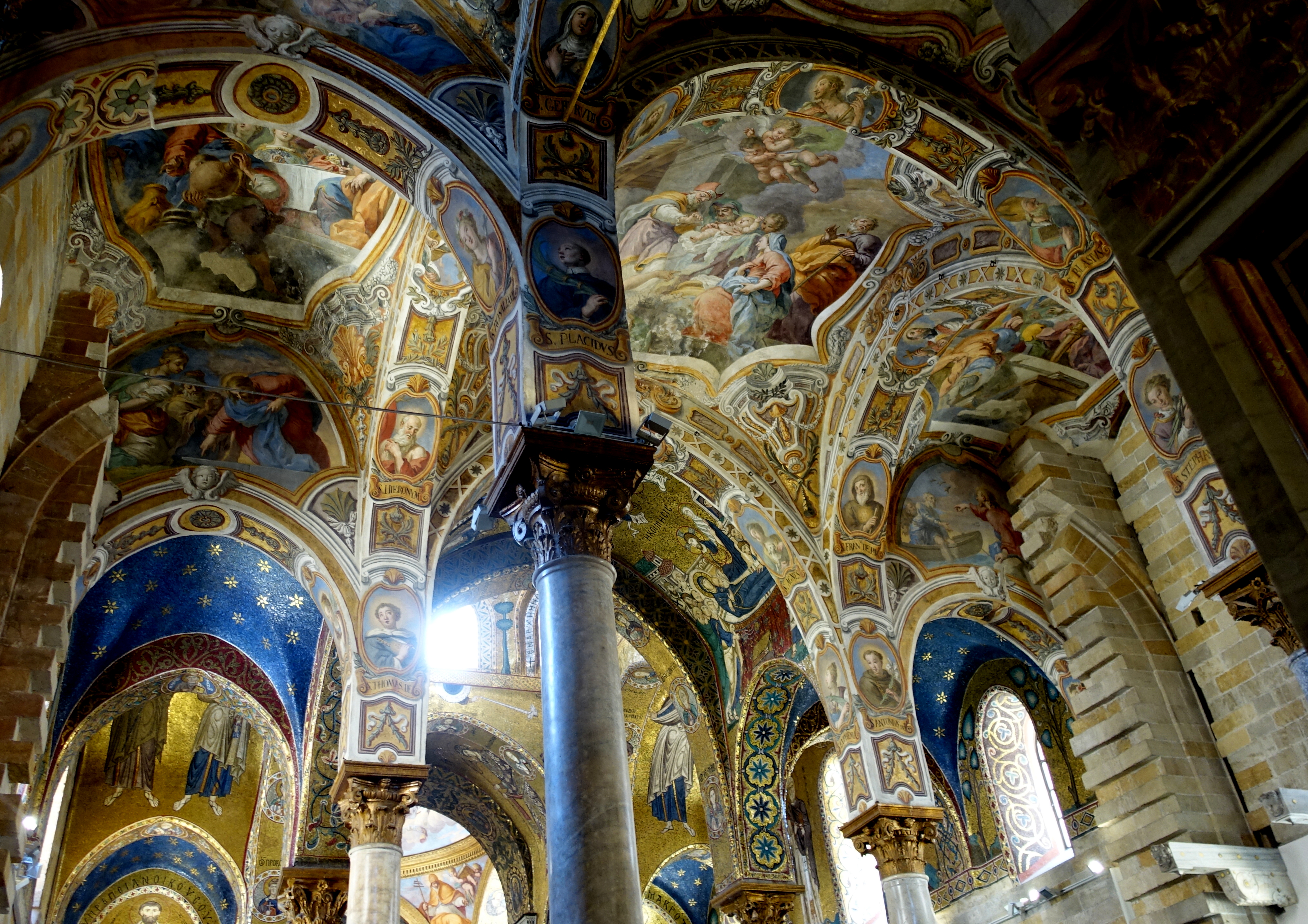
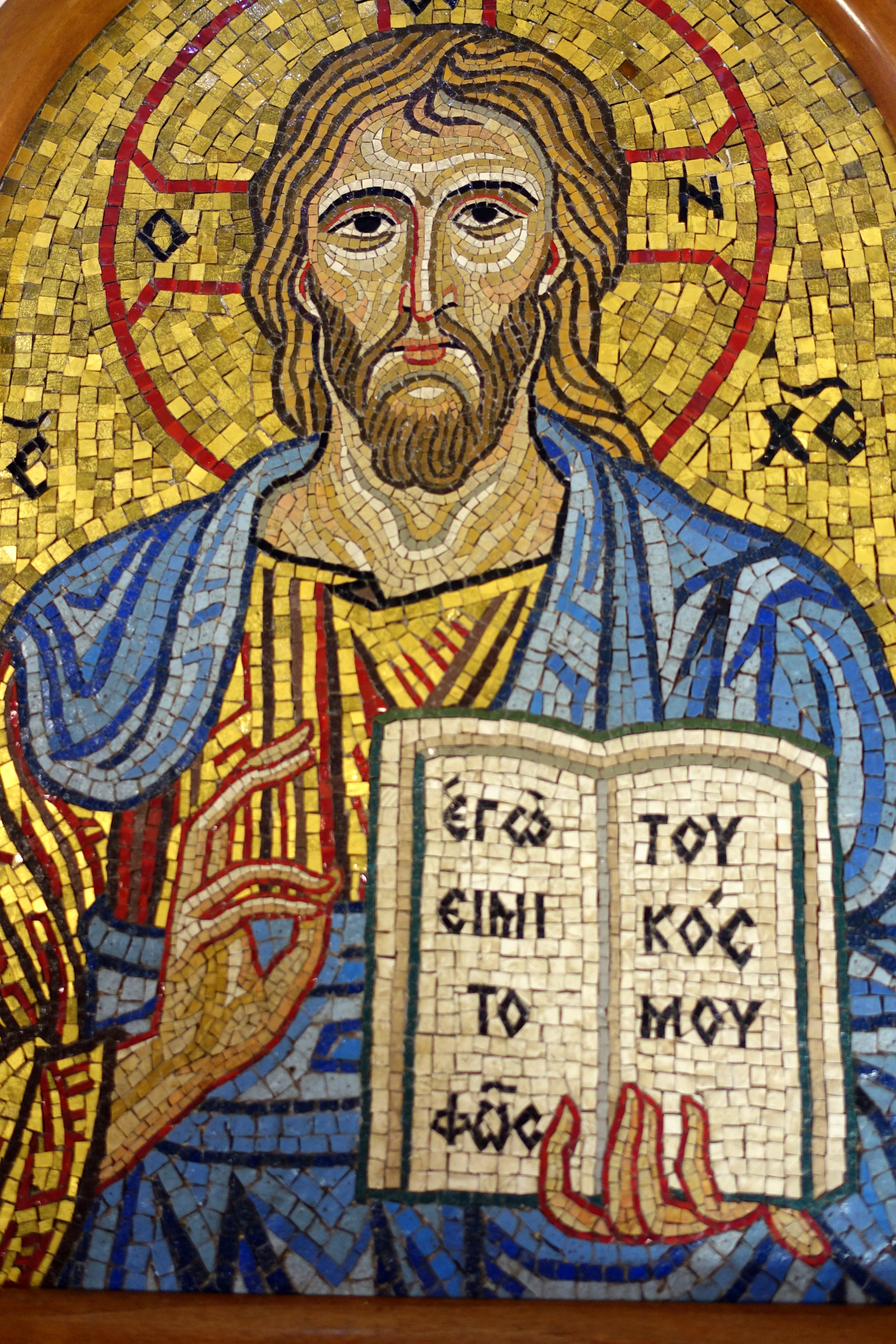
La Matorana Church containing spectacular 12th century Byzantine style mosaics
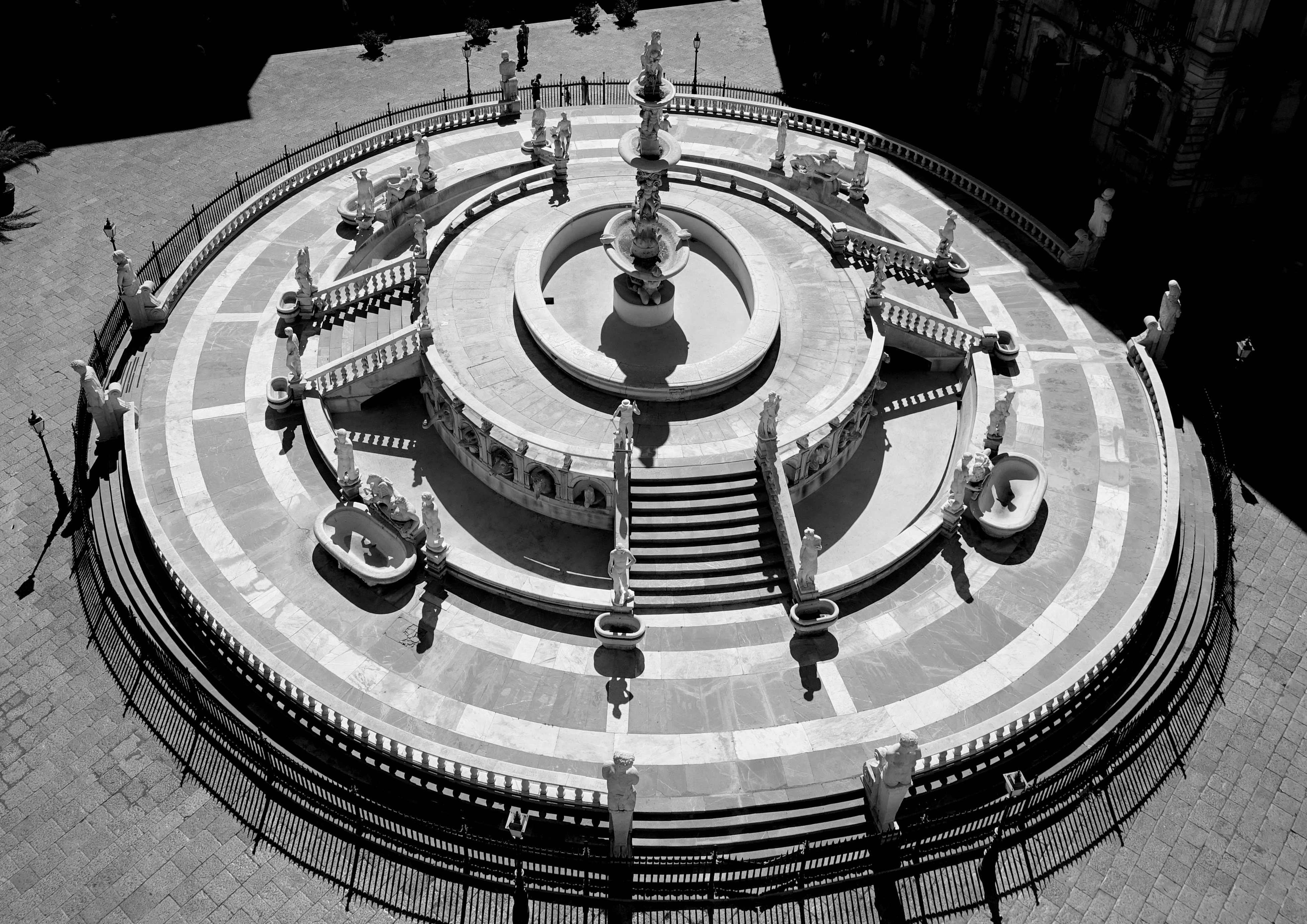
The Fontana Pretoria moved from Naples in 1574. It became known as the ‘Fountain of Shame’ reflecting either the corruption of the local politicians, or the array of nude sculptures on display.

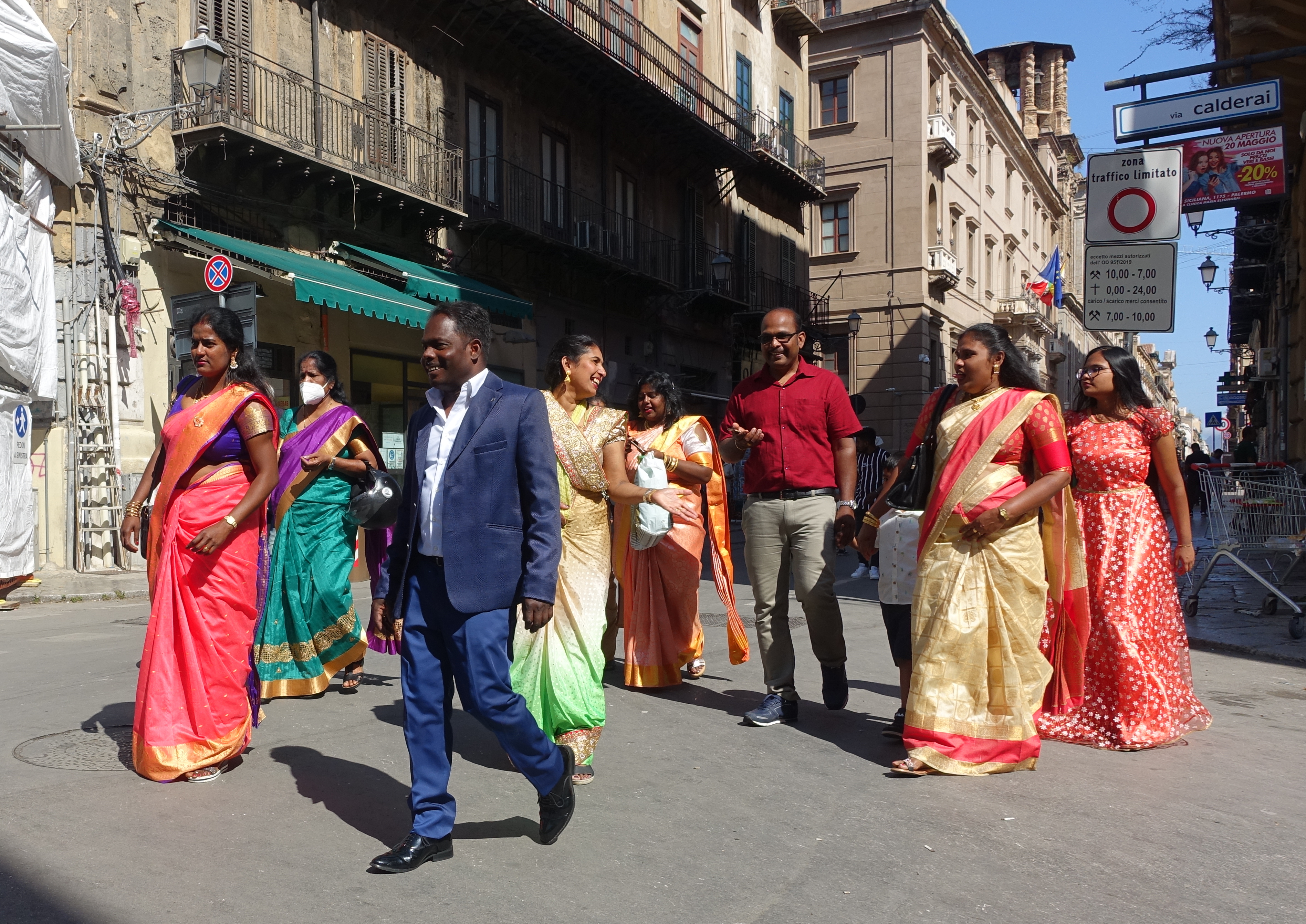
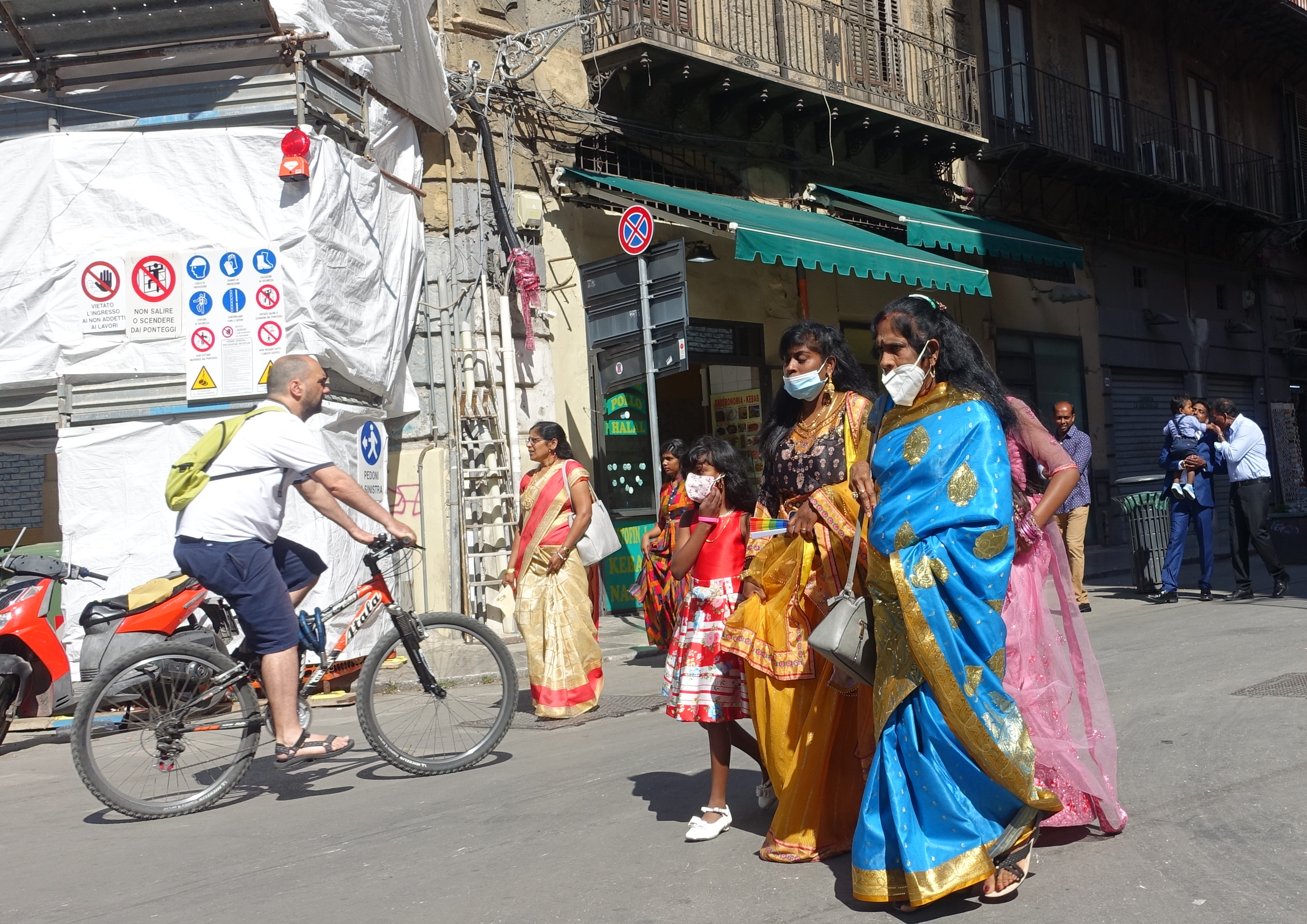
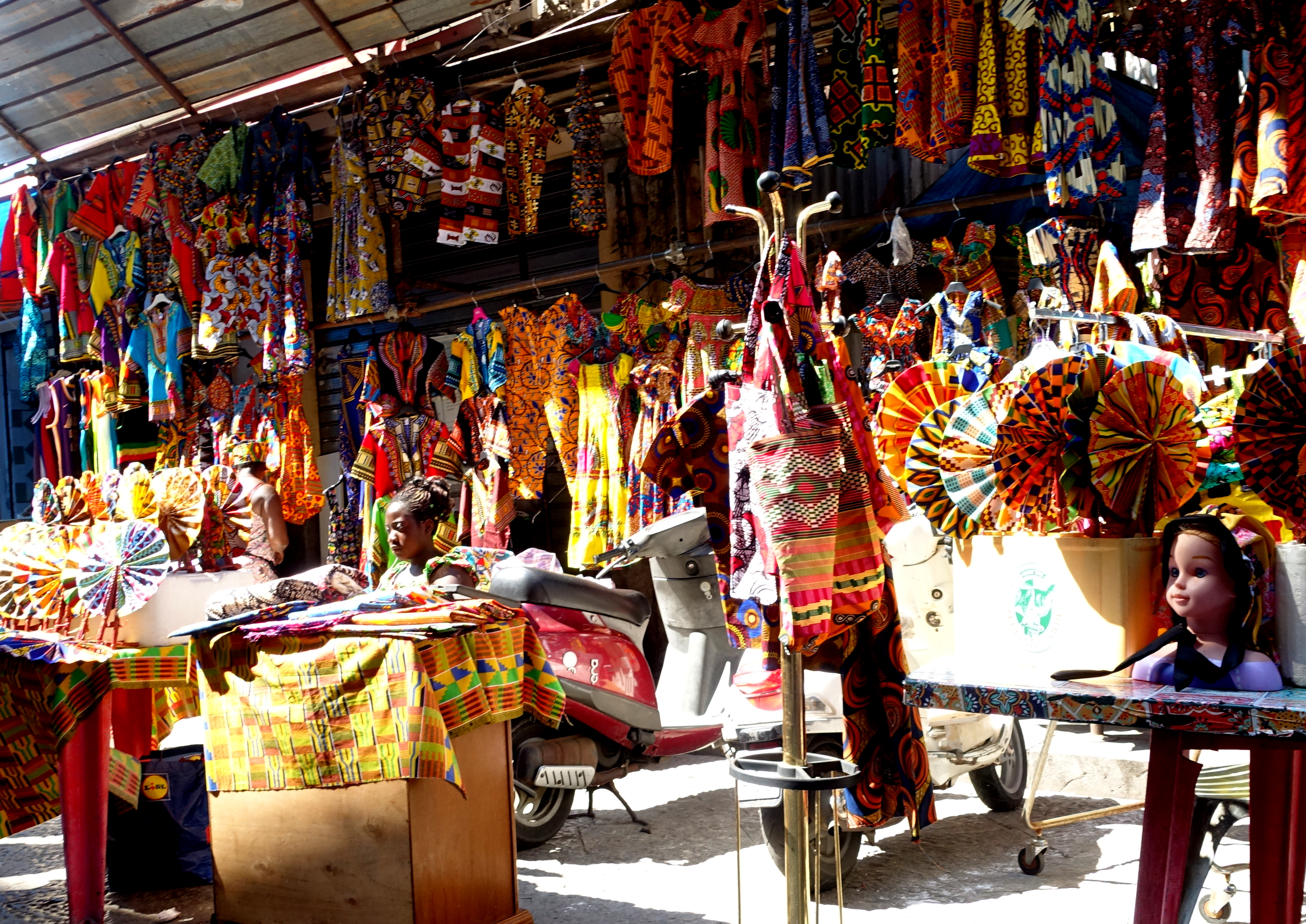
One notable ethnic group that has settled in Palermo are those from Bangladesh. There are an estimated 15,000 living in Palermo, and they are now established. and very evident in the city’s street markets.

The Bangladeshis exist alongside many other ethnic minority groups, especially from North Africa

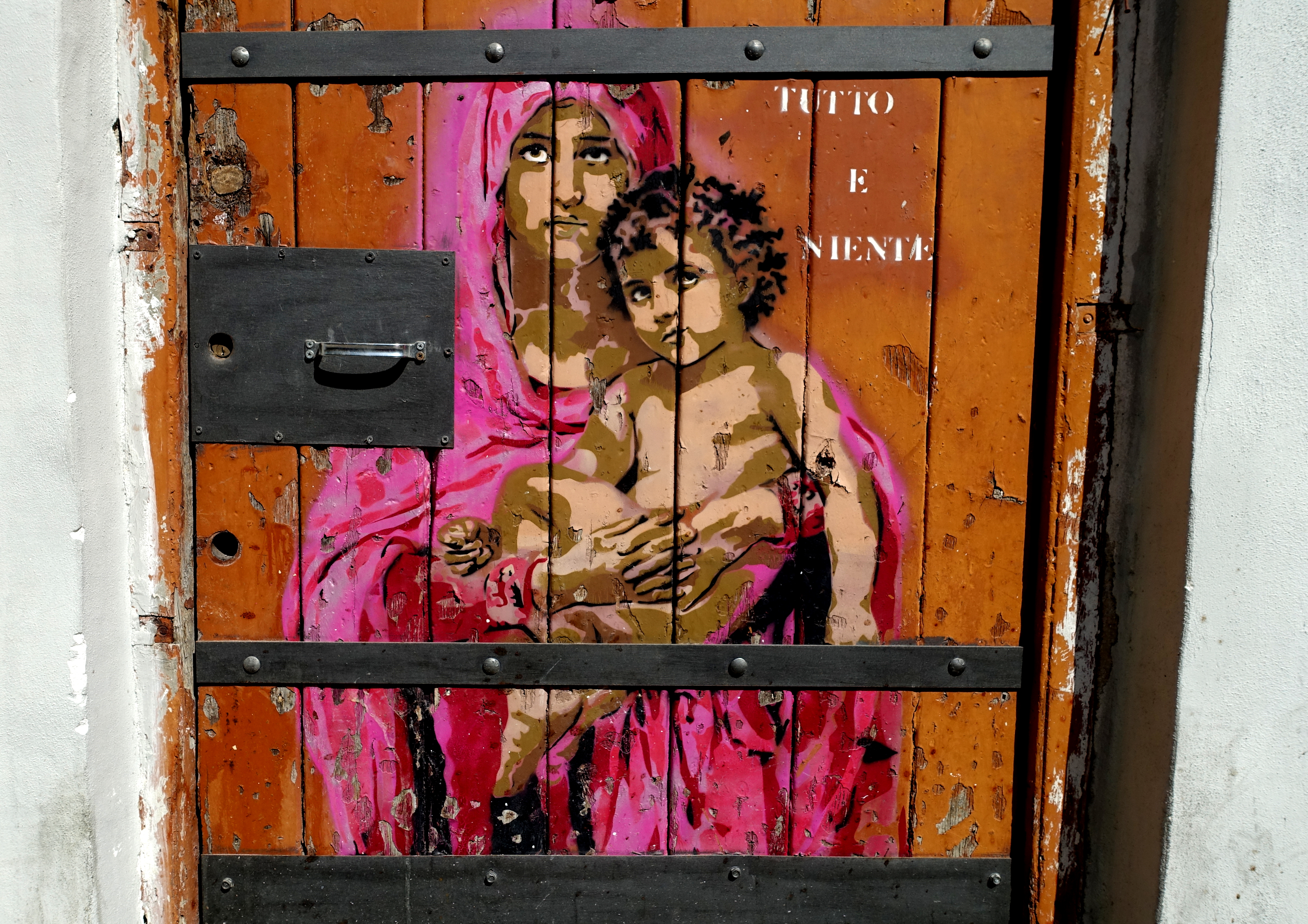
Street art such as above is a strong feature of Palermo. One recurrent phrase in the work of one artist’s work is ‘Tutto e Nienti’ – literally ‘everything and nothing’ which roughly means that it’s up to you to choose what you want to know and to be – a slice of existentialist optimism.

However, like most Western European countries, Italy has a populist anti-immigrant political movement, The Northern League led by Matteo Salvini, who was Deputy Prime Minister from 2018-9 has been growing in popularity throughout Italy including Sicily.

The Old and the New

Whilst Palermo is awash with mediaeval buildings, and shops that seem to be have been trading for decades, it is apparent that the city is undergoing a process of modernisation, incorporating global retail chains, cruise ships etc. and a loss of tradition.

Look hard enough and it’s possible to find buildings from Palermo’s more recent past including Mussolini’s fascist era of the 1930s

The Tempio Munito Fortezza Mistica(Munito Temple Mystical Fortress) was built to honour Italy’s World War One martyrs. Mussolini laid the foundation stone in 1936. There is still the plaque on the wall
celebrating Italy’s defeat and take-over of Ethiopia in 1936 which carries the inscription – 

Officers of all the armed forces of the State in Africa and in Italy, Black Shirts of the Revolution, Italians at home and in the world, listen to the decisions that you will know in a few moments and which were acclaimed by the great Council of Fascism, a great event takes place: the destiny of Ethiopia is sealed today, May 9th, the fourteenth year of the Fascist Era.

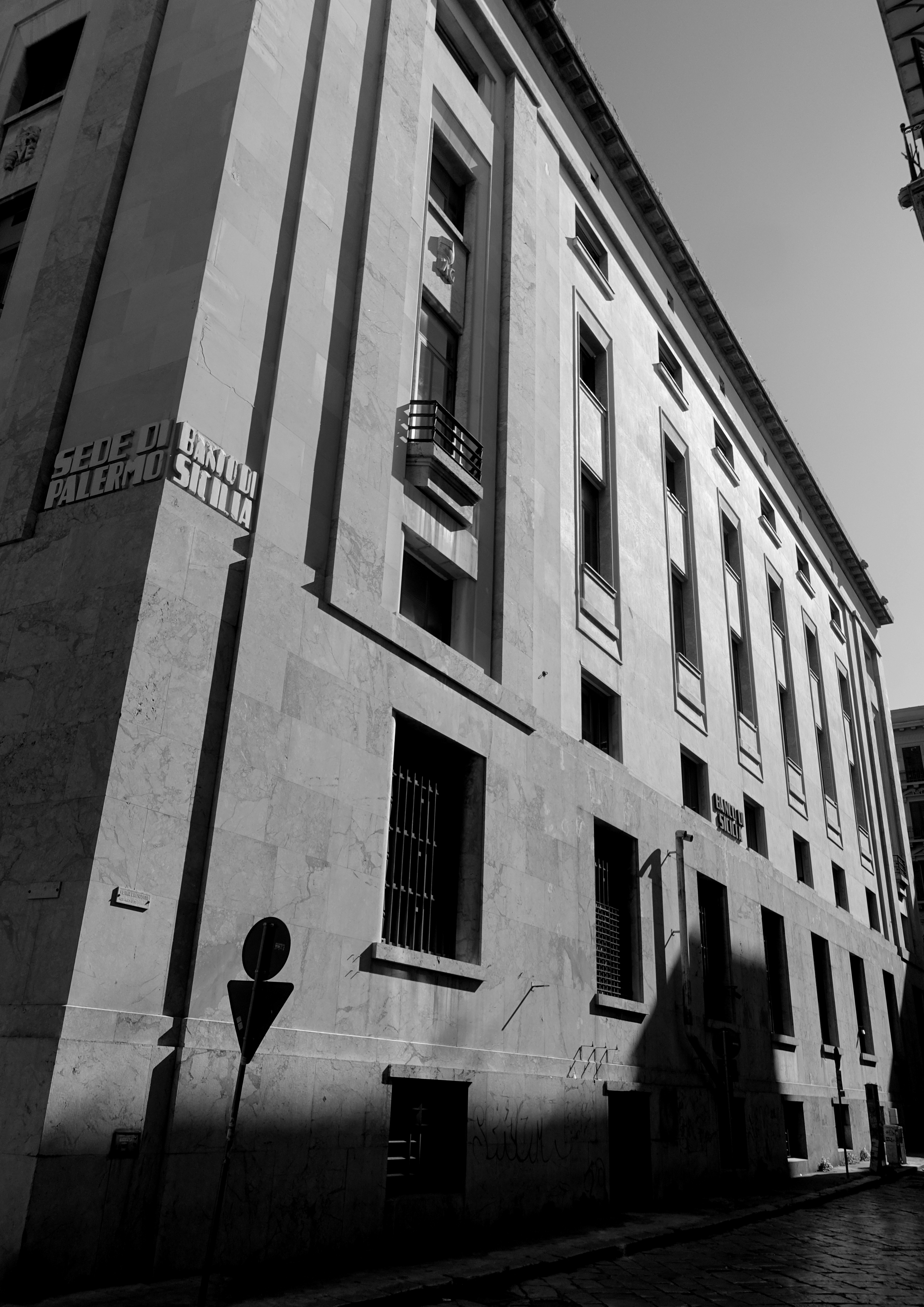
The now vacant Bank of Sicily building – the bank was taken over after the 2008 financial crash

Cosa Nostra

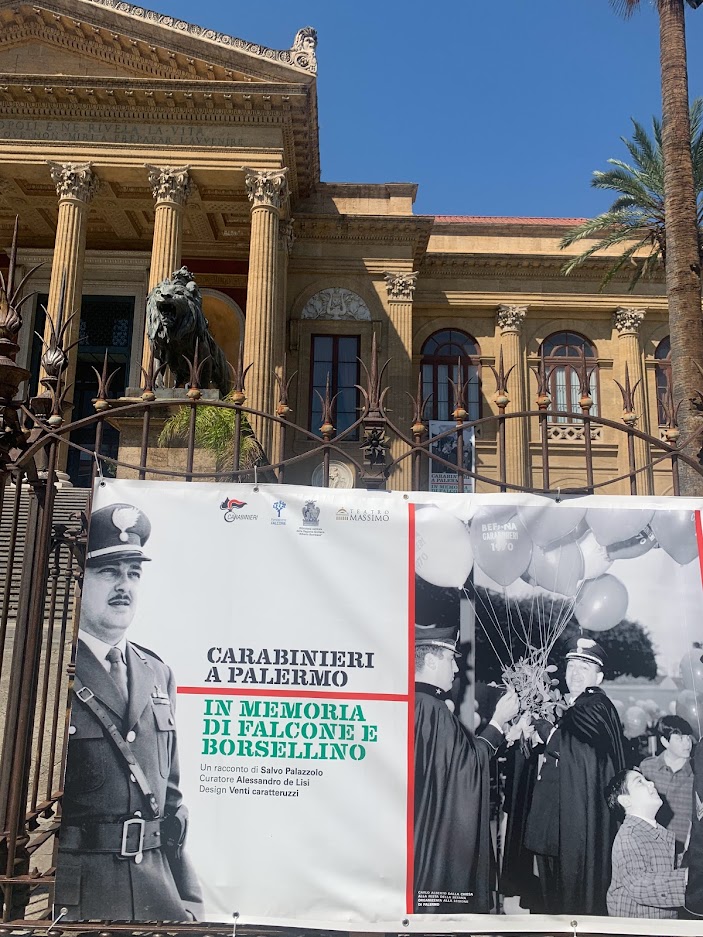
Another Sicilian institution which does still exist is Cosa Nostra. The Sicilian Mafia has been the subject of innumerable books, films, etc. There is little doubt that it has been a very powerful criminal organisation operating in Sicily and beyond, especially the USA (often referred to there as the ‘Mob’). Apart from the Sicilian based Costa Nostra (‘our thing’), there are now three other, arguably more powerful, mafia organisations based in southern Italy, such as the Camorra in Naples After several decades of seemingly operating with impunity, Cosa Nostra (headed by the Corleonesi clan), were finally challenged by two local magistrates in the 1980s, who were responsible for the trial and conviction of 338 mafiosi. Giovanni Falcone and Paulo Borsellino, the two judges leading the trials, were both murdered by car bombs in 1992. This led to a huge public backlash and government crackdown which severely weakened Cosa Nostra, although they have by no means disappeared.

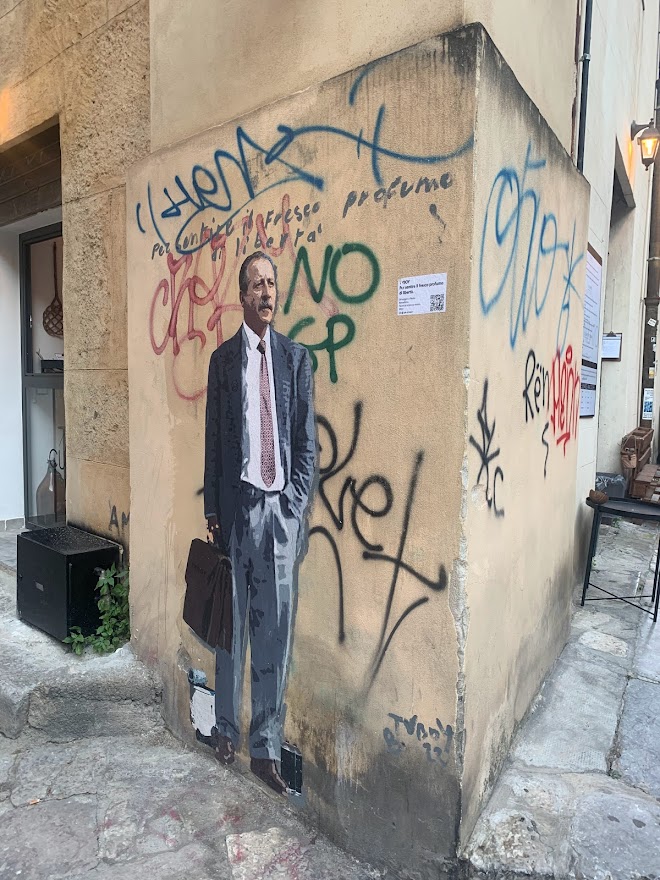
The two judges are now celebrated as public heroes throughout Sicily

A mural of Falcone and Borsellino on a school building in Cefalu near Palermo

We also came across a local library in Palermo named after the influential Sicilian writer, Leonardo Sciascia, whose novels such as The Day of the Owl, helped draw attention to the shadowy mafia organisation in the late 1950s and early 1960s when few were willing to publicly admit to its existence

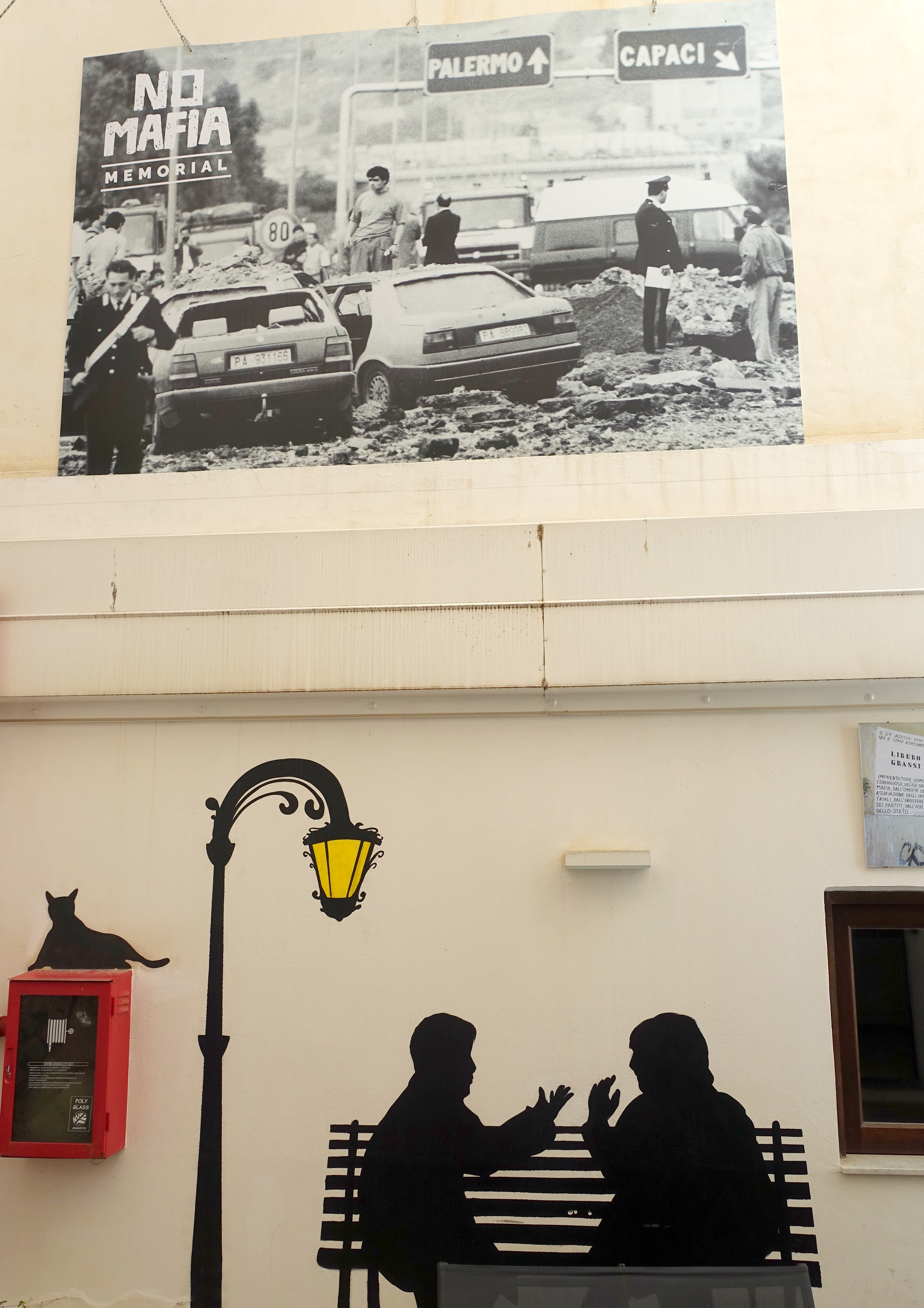
To help keep up the anti-Mafia sentiment alive and to educate locals and tourists, there is now a No Mafia Memorial in Palermo, a multimedia exhibition which illustrates and explains the history of Cosa Nostra in Sicily

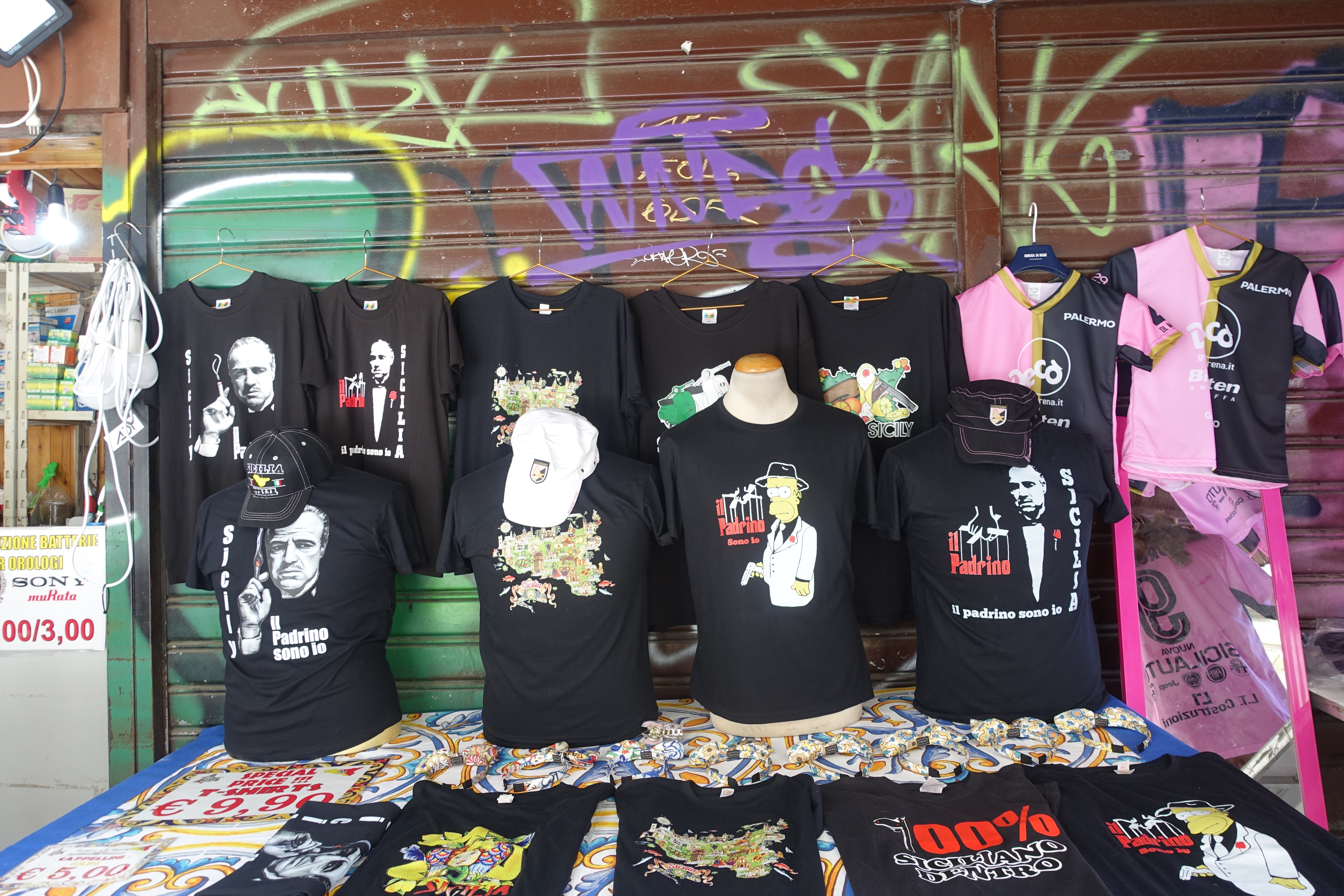
It now almost appears that the mafia are more of an opportunity for tourist revenue than an everyday reality, and that even imported gangster characters like Peaky Blinders are perhaps more cool
Sadly, the Sicilian mafia have not disappeared. In 2019, some brave migrant (Bangladeshi) shopkeepers stood up to the local mafia threats of extortion and attempted murder, which led to the successful prosecution of eight members of a local mafia family.

They were helped in preparing for their case by the local Addiopizzo anti-mafia group (roughly translated as ‘goodbye protection money’ – pizzo referring to extortion money)

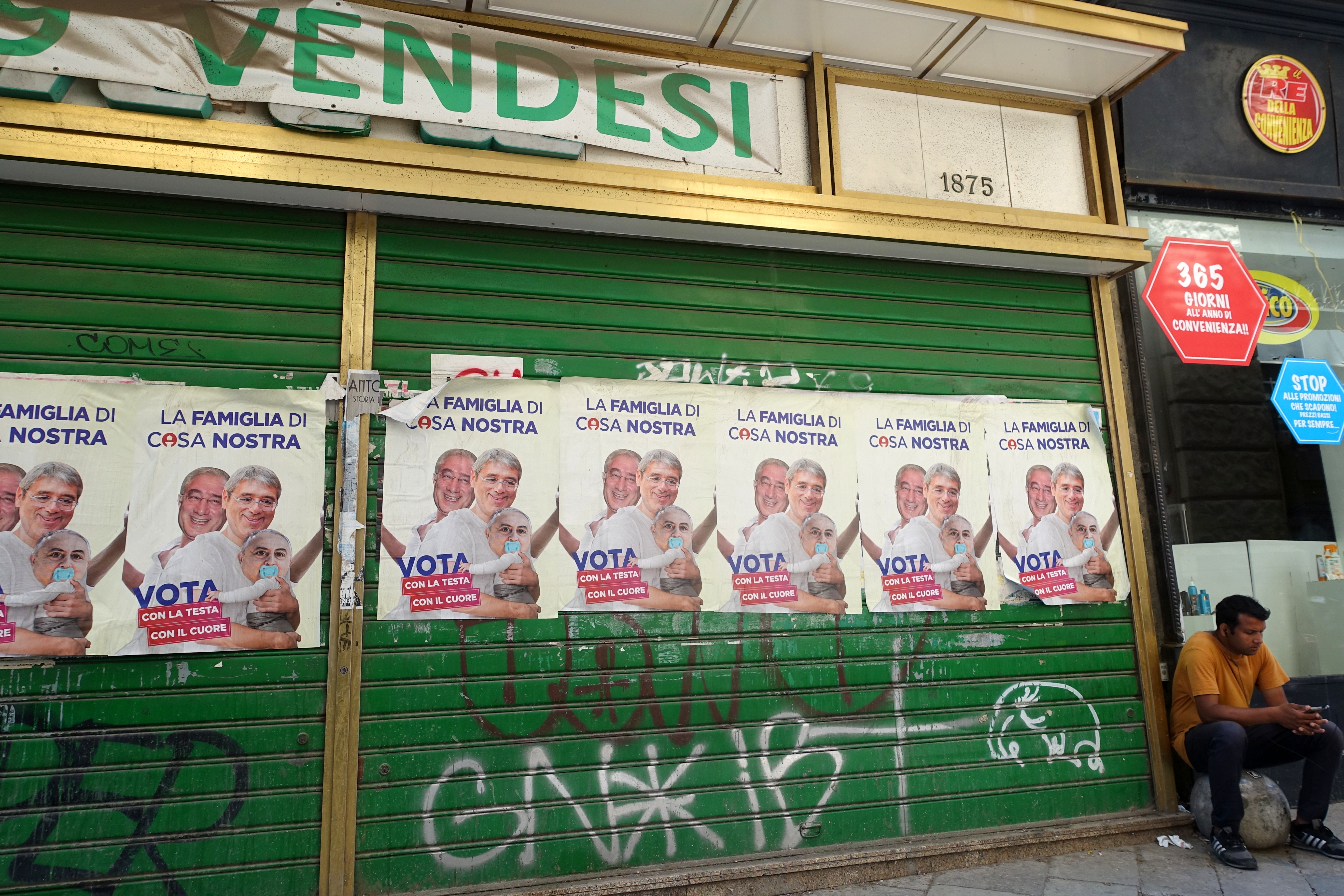
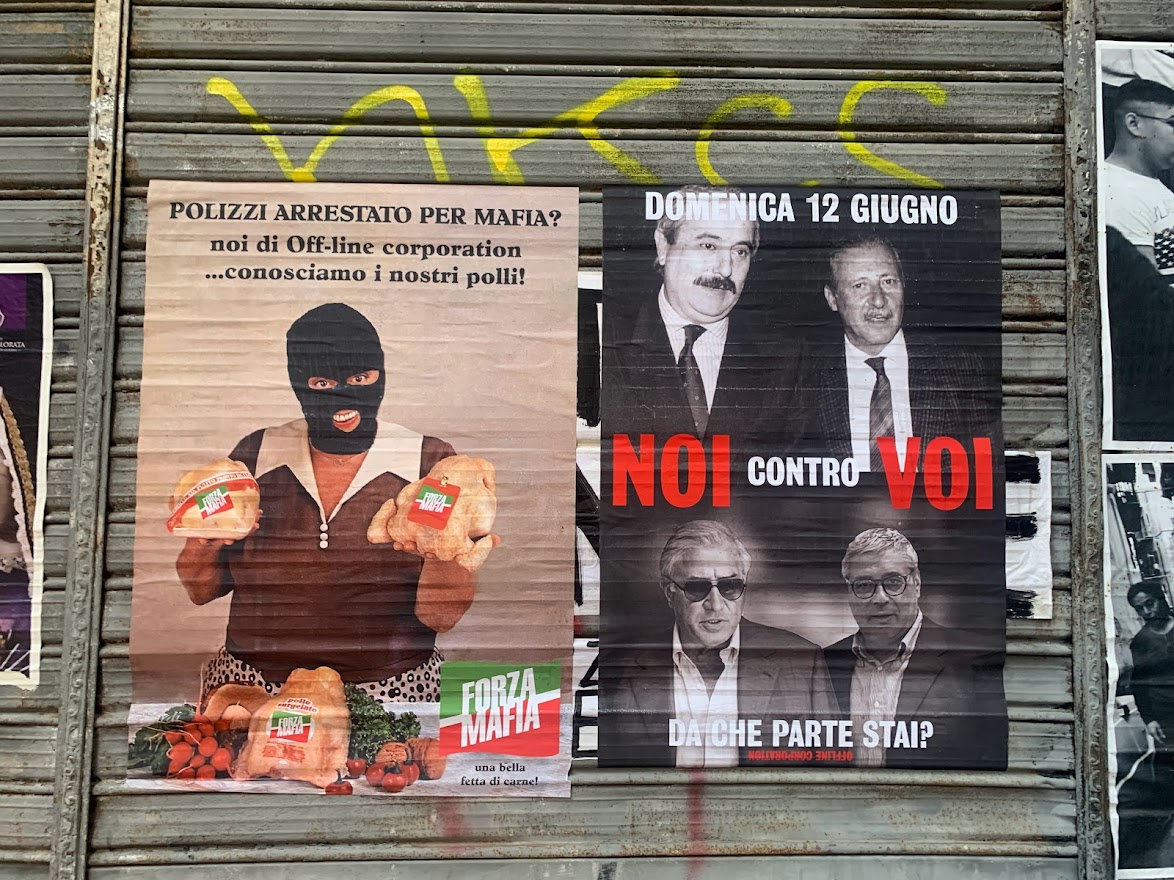
Whilst we were in Palermo, mayoral elections were underway which led to the election of Robert Lagalla, a politician accused of having close links with the Cosa Nostra, as implied in these posters

Palermo food and drink

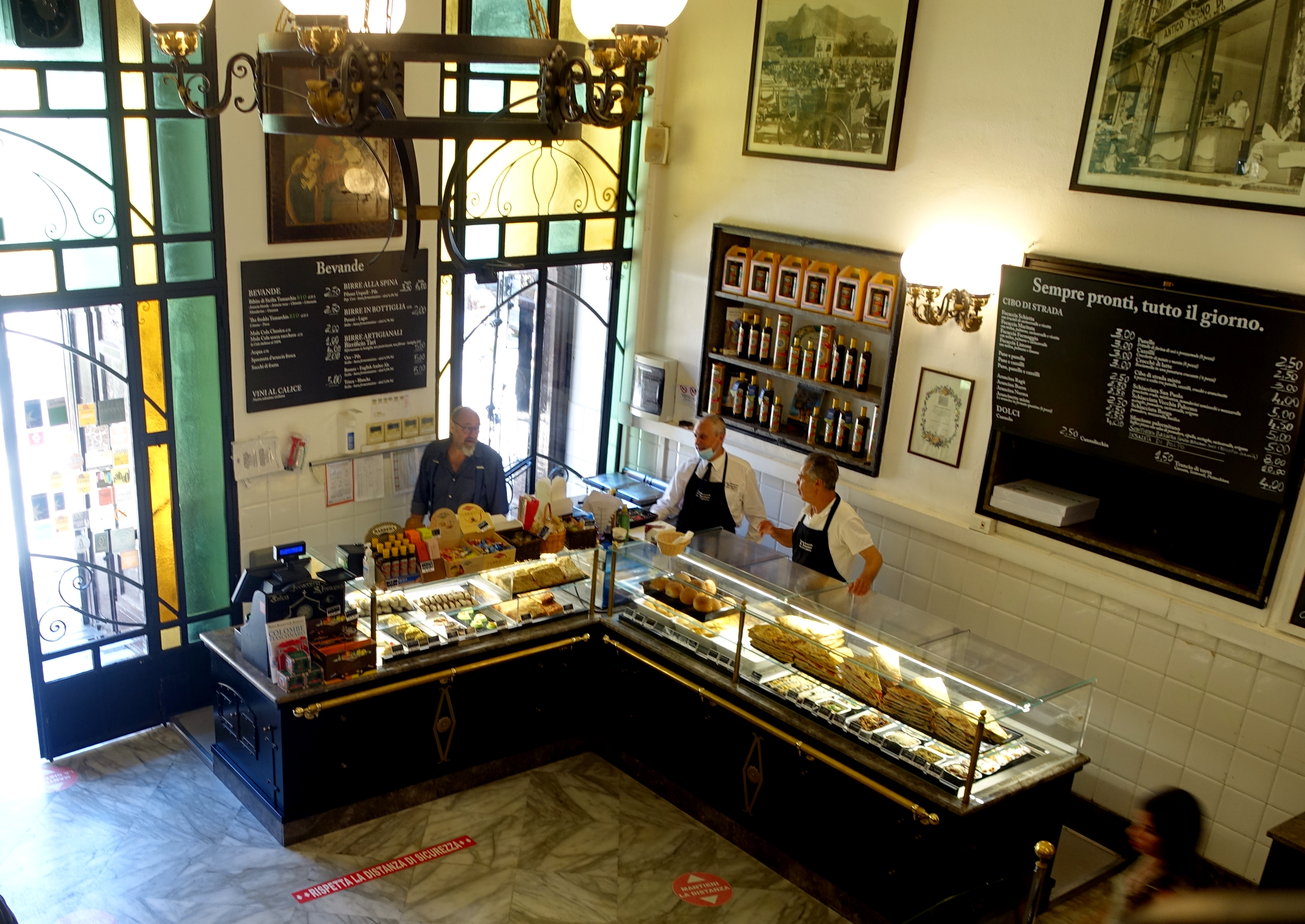
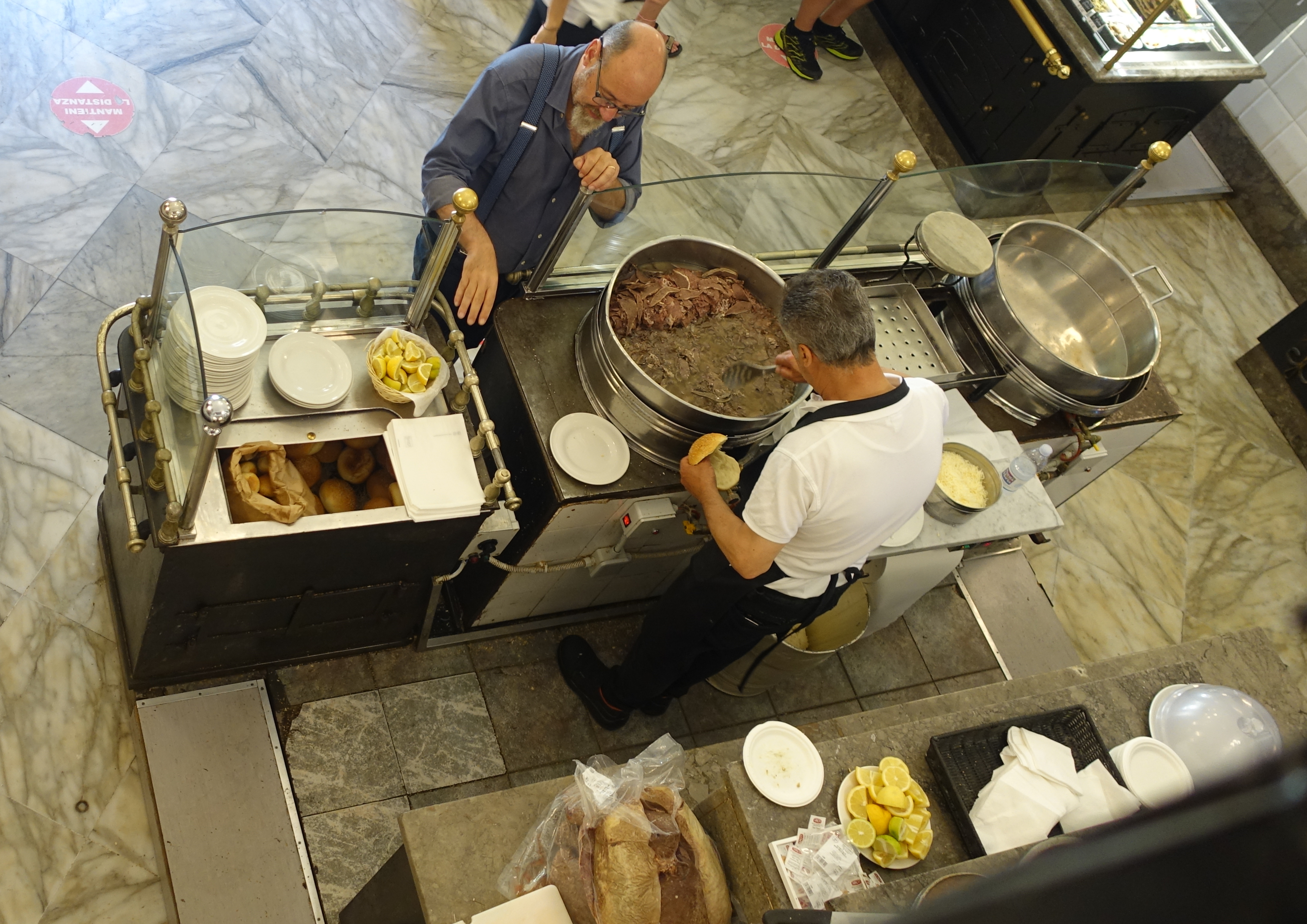
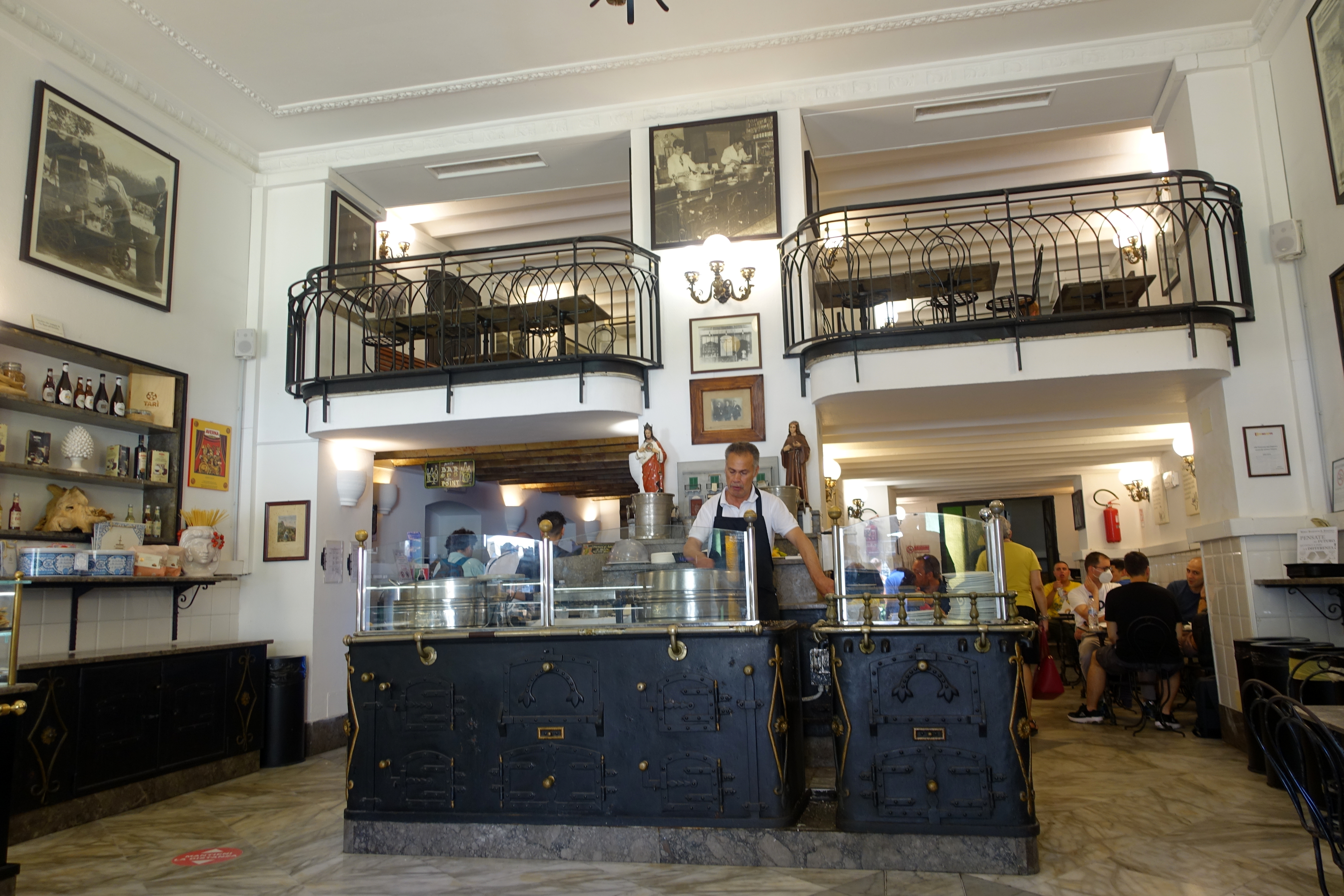
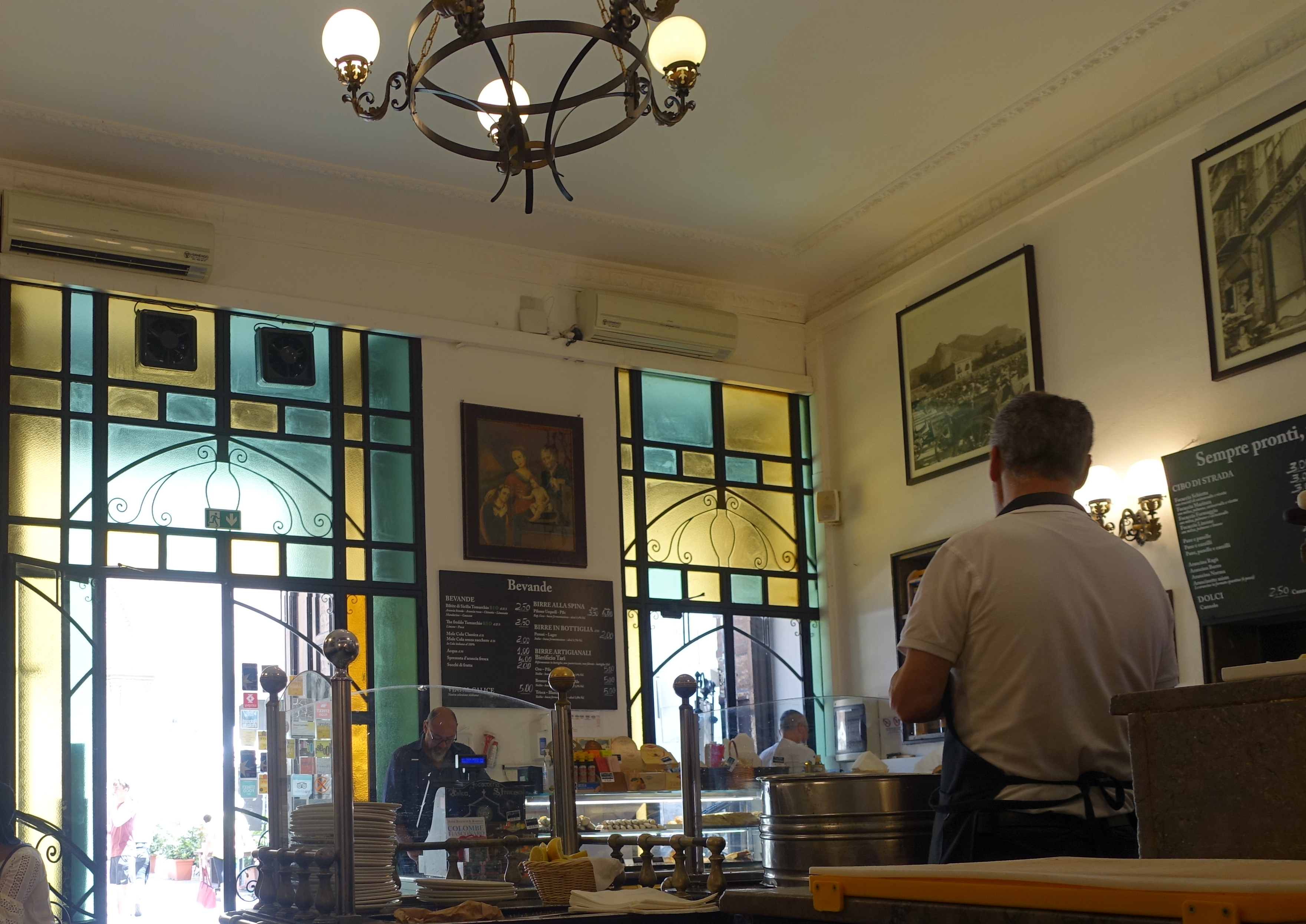
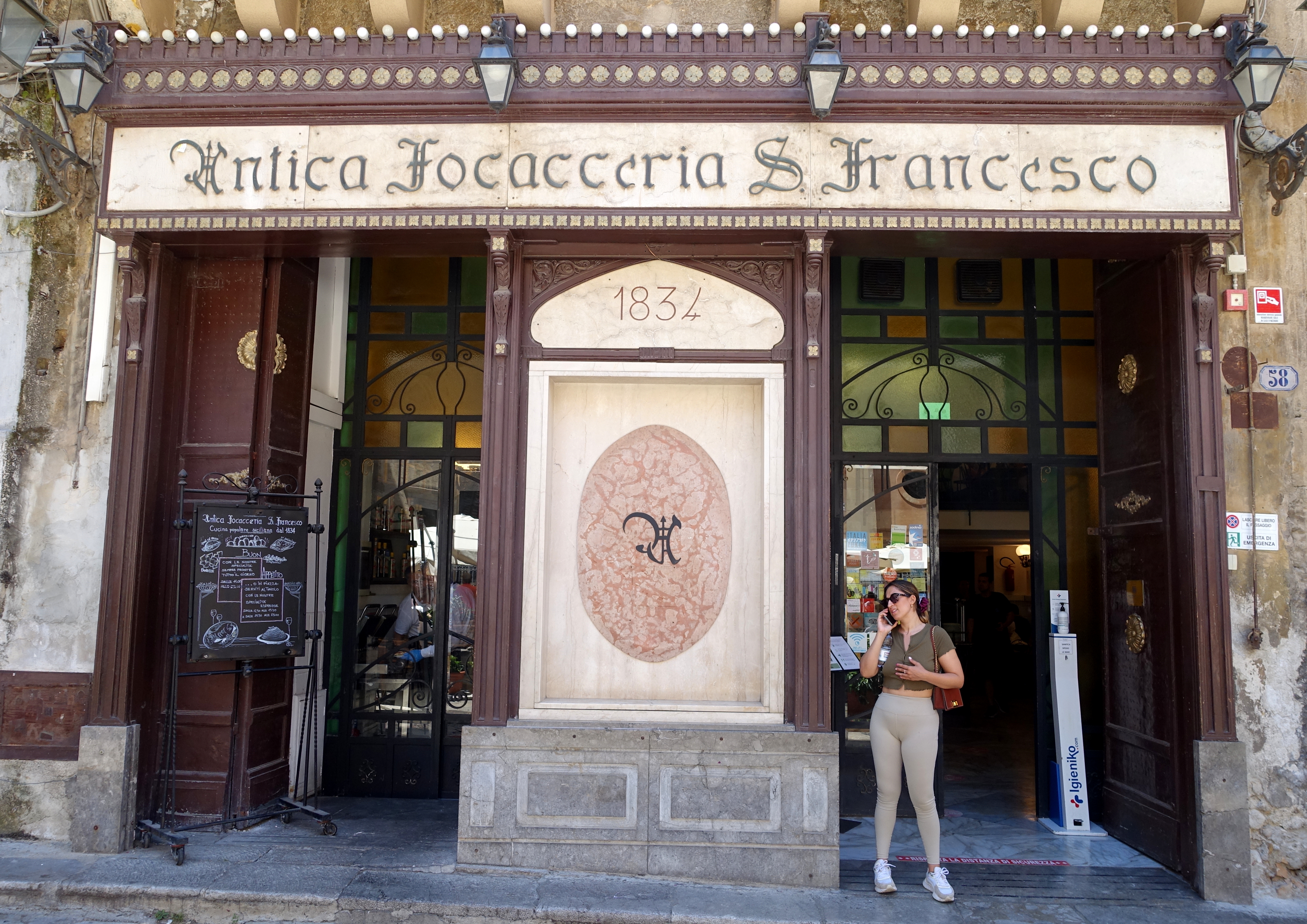
Fittingly, Palermo’s oldest eating establishment is credited with standing up to the mafia. Antica Focacceria San Francesco dates from 1834, and specialises in milza (spleen) sandwiches. It still feels authentically original despite being a popular tourist stop. It is claimed Guiseppe Garibaldi and his followers (the Red Shirts) ate here in 1860 during his campaign to conquer Sicily and establish the modern Italian state.

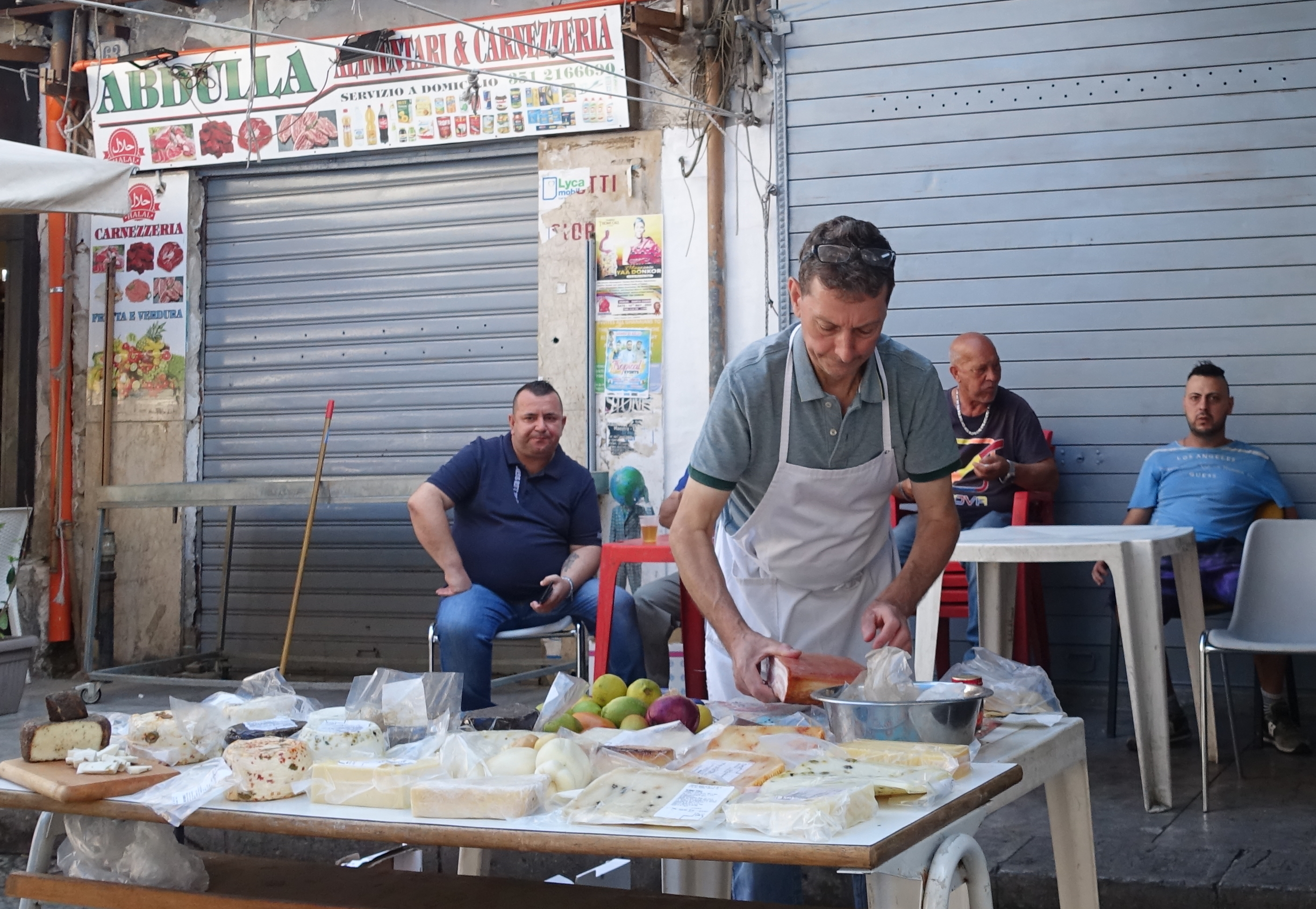
Palermo is renowned for its three street markets – Vucceria, Capo and Ballaro, where you can try examples of such local food staples as pane e panelle (chickpea fritters) and arincini (‘little orange balls’ which are deep fried rice balls stuffed with ragu, mozzarella etc.).

Ballaro market

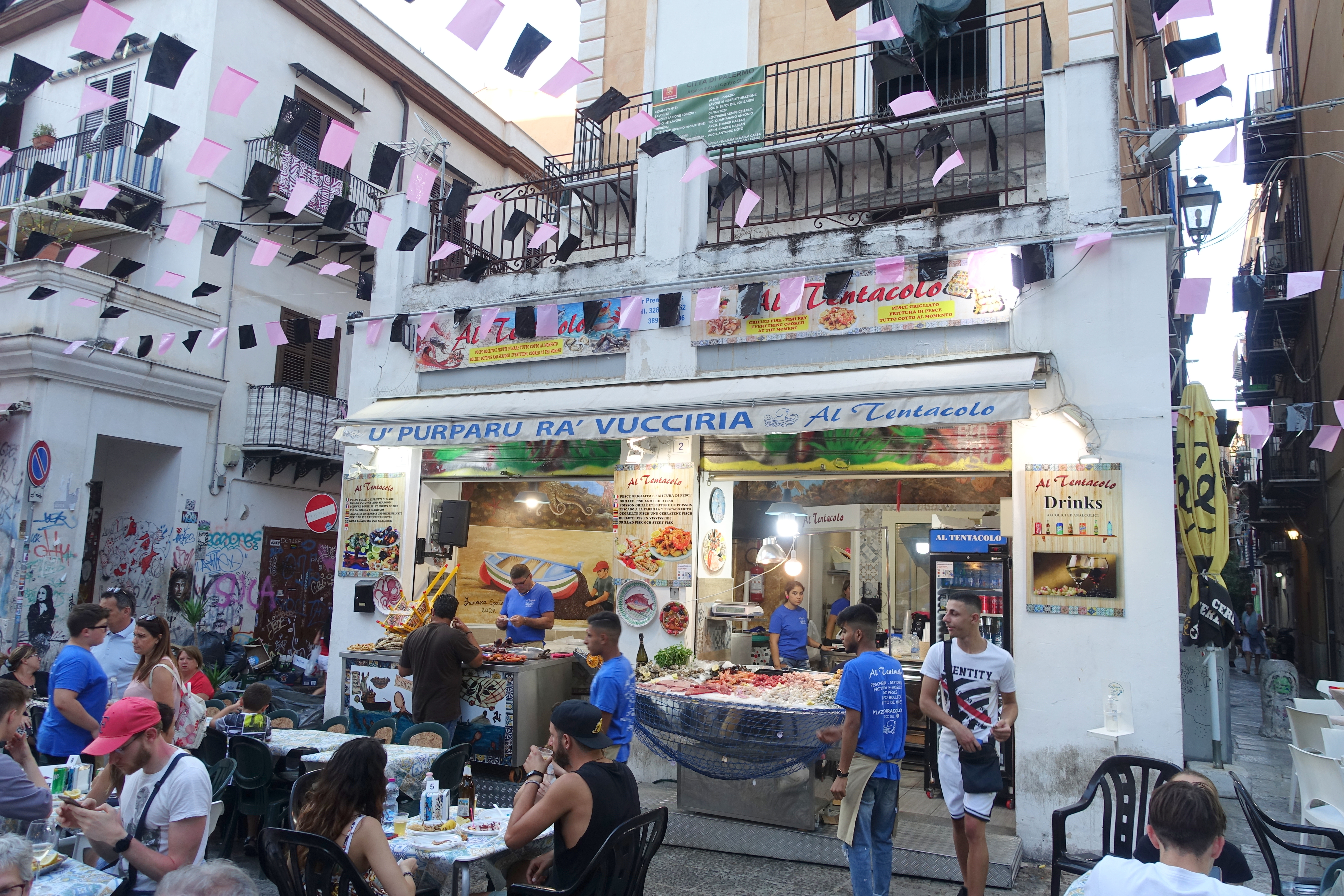
We strolled through Vucceria Market on a Saturday night when the streets were thronged with people

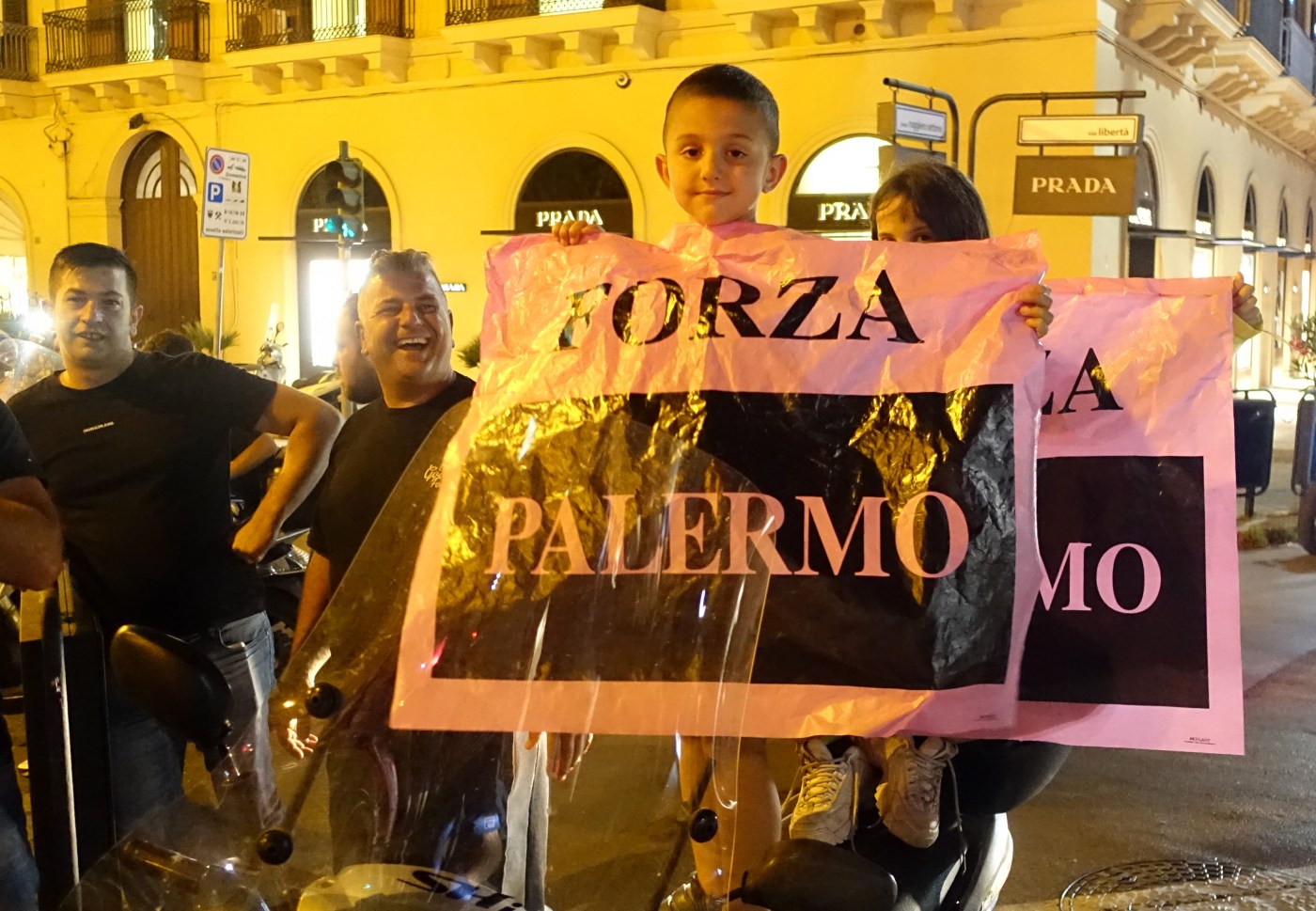
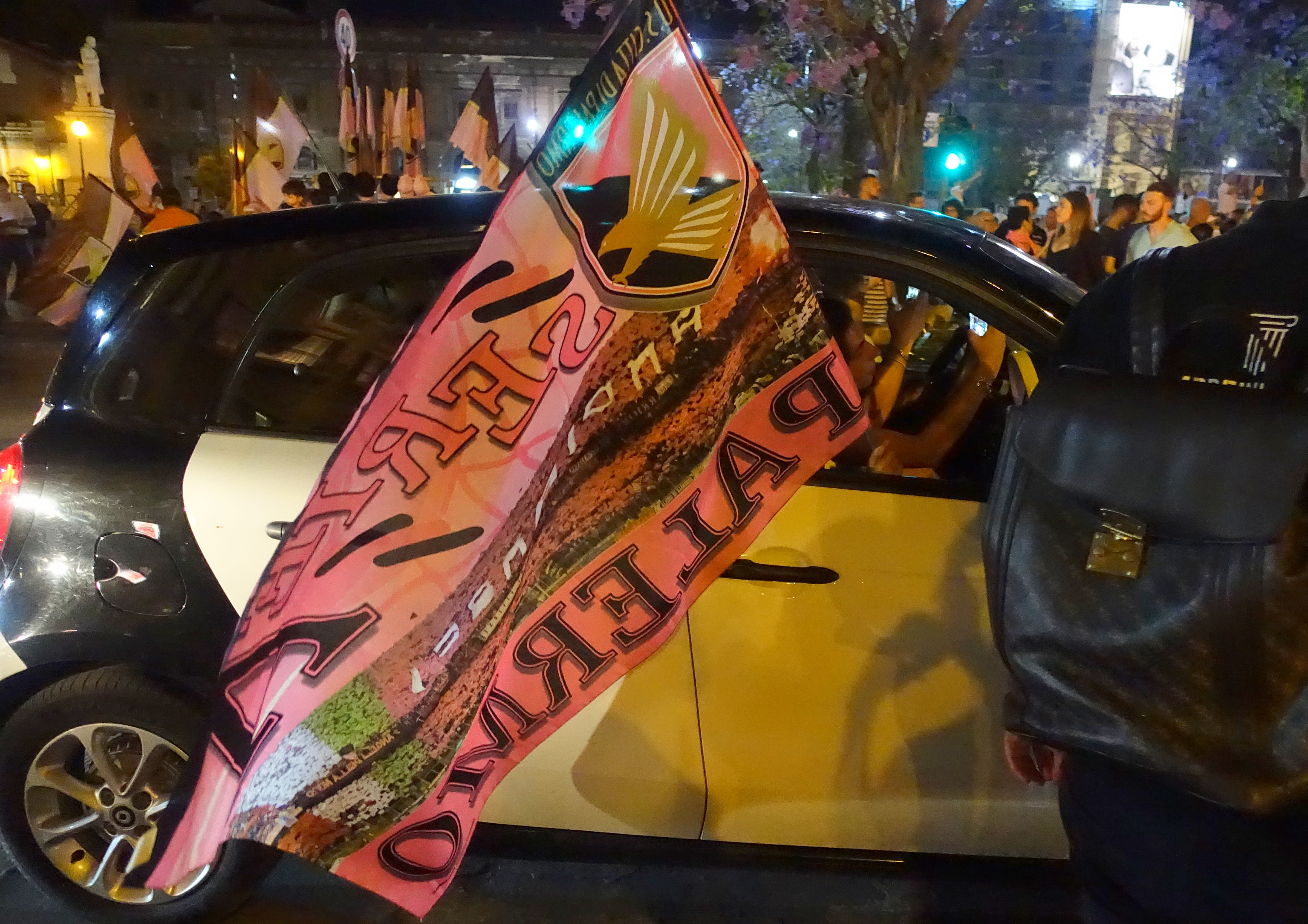
The pink and black hanging pennants represent Palermo FC the local football team who were due to play a play off match for promotion the following night against Padua FC

Football mania

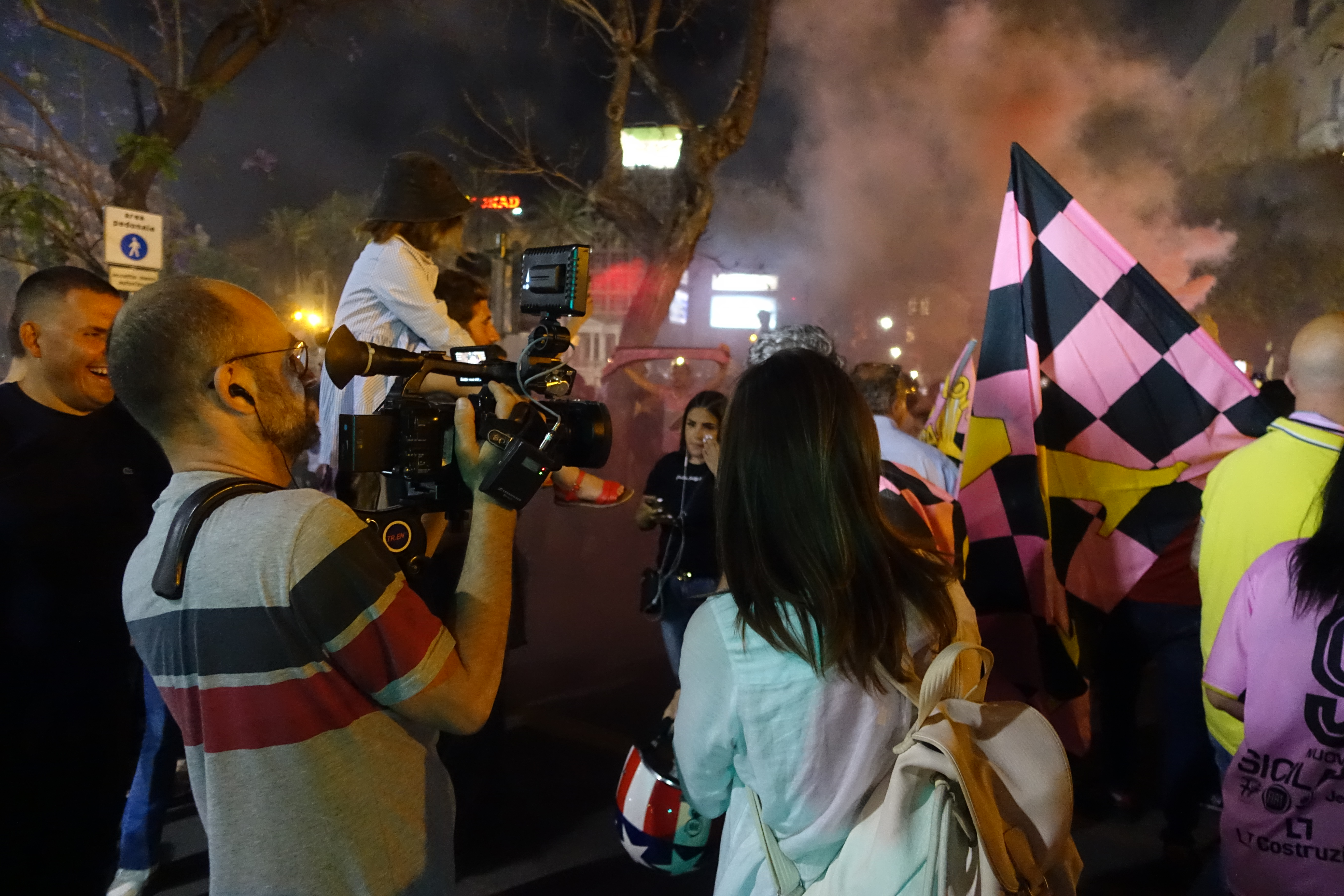
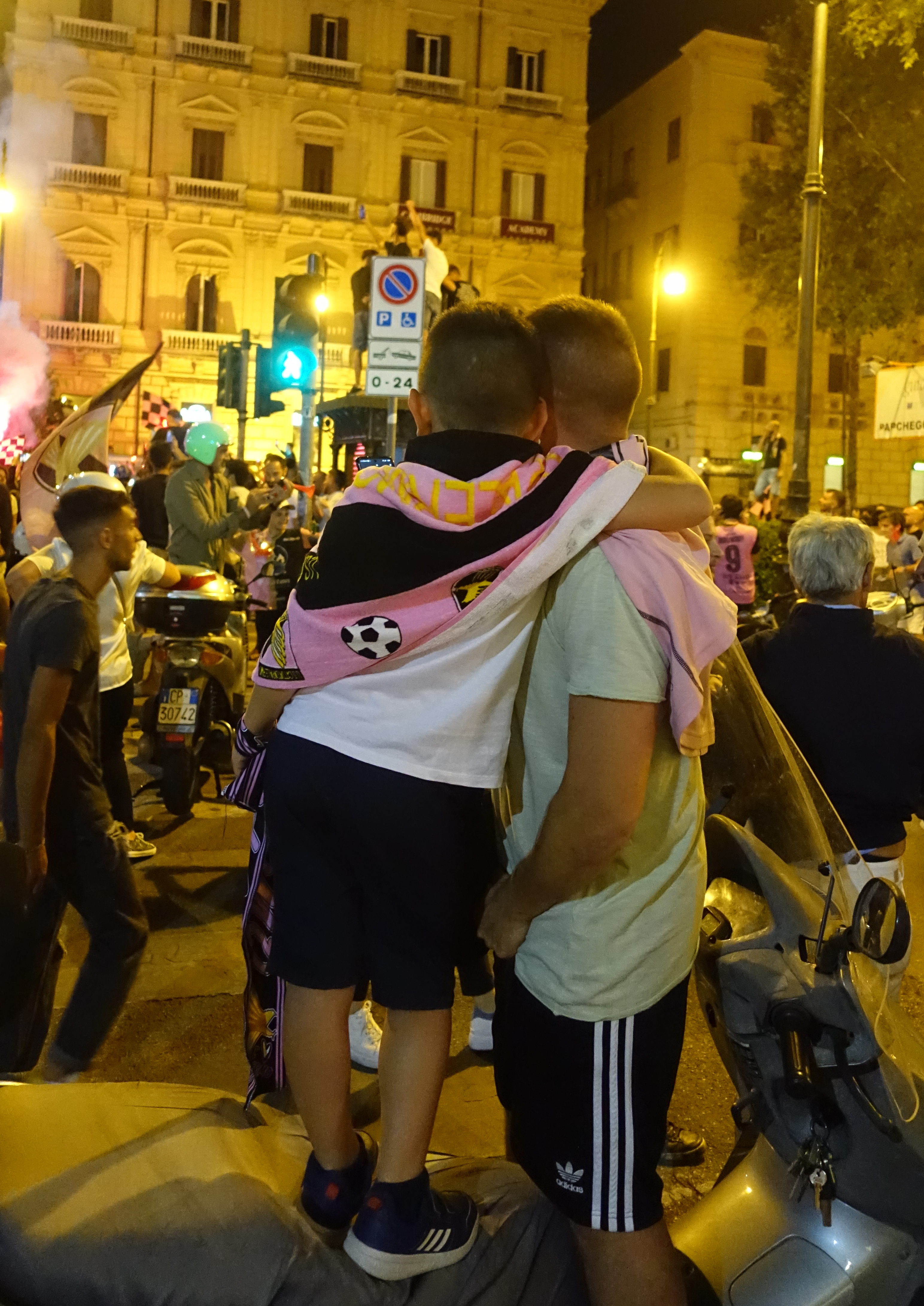
Around 11.30 on the Sunday evening, we suddenly became aware of some loud cheering below our hotel in Piazza Politeama. Descending to the square, we came across the start of raucous celebrations following Palermo’s success in winning promotion for the second successive season (from Serie C to Serie B). Flag waving, red flares, horns, cheering and singing continued until the early hours. Despite some youths climbing on to the roof of a local bus which became trapped in the crowd, it was all good-natured with no carabineri (police) in sight.

Should they be promoted again next season to Serie A, then it will probably be declared a public holiday.

Berlin Resurrected

Having recently read Anthony Beevor’s powerful historical account Berlin: the Downfall about the fall of Berlin in 1945, and with the arrival of the 75th anniversary of VE Day, it seems timely to reflect on some of the more memorable aspects of our recent visits to the German capital.

Berlin’s history over the past 100 years has been tumultuous to say the least. Because of the devastation wrought on Berlin during 1945, there is little left standing from before the War apart from the odd reconstruction, such as the Berlin City Palace (Stadtschloss) due for completion later this year.

Remnants of the Third Reich

1936 Olympic Stadium

Whilst nearly all of the buildings associated with the Nazi regime were obliterated during the last months of the Second World War, there are still two sites where you can get some sense of the epic architectural statement of the Nazis. In a bid to showcase the ongoing achievements of the Third Reich, Berlin hosted the 1936 Olympic Games. The purpose built stadium is now home to Hertha Berlin football team and was the venue for the final of the 2016 World Cup.

Its chief architect was Werner March, and it managed to hold 100,000 people for the notorious games, during which Jesse Owens, the black American sprinter, successfully punctured Hitler’s racist ideology..

Standing just outside the main stadium, It doesn’t take much imagination to picture the spectacle which unfolded in 1936.

Templehof Airport

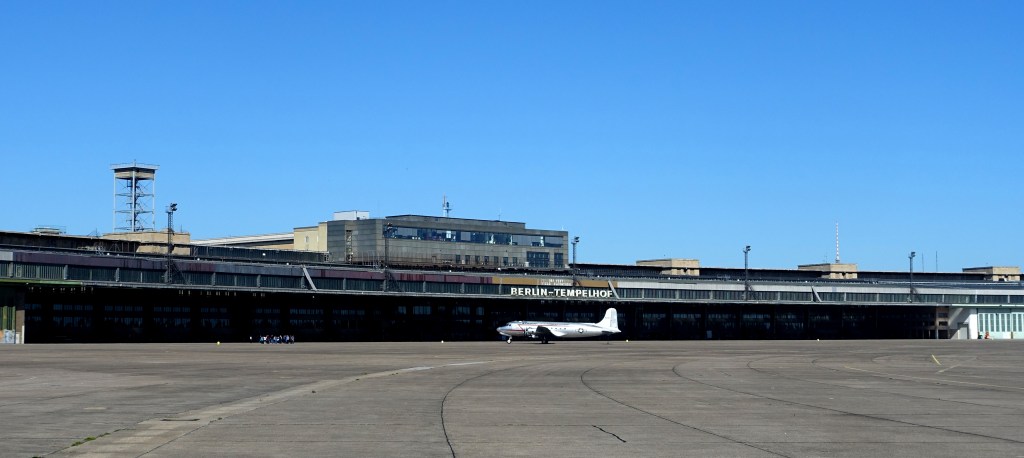
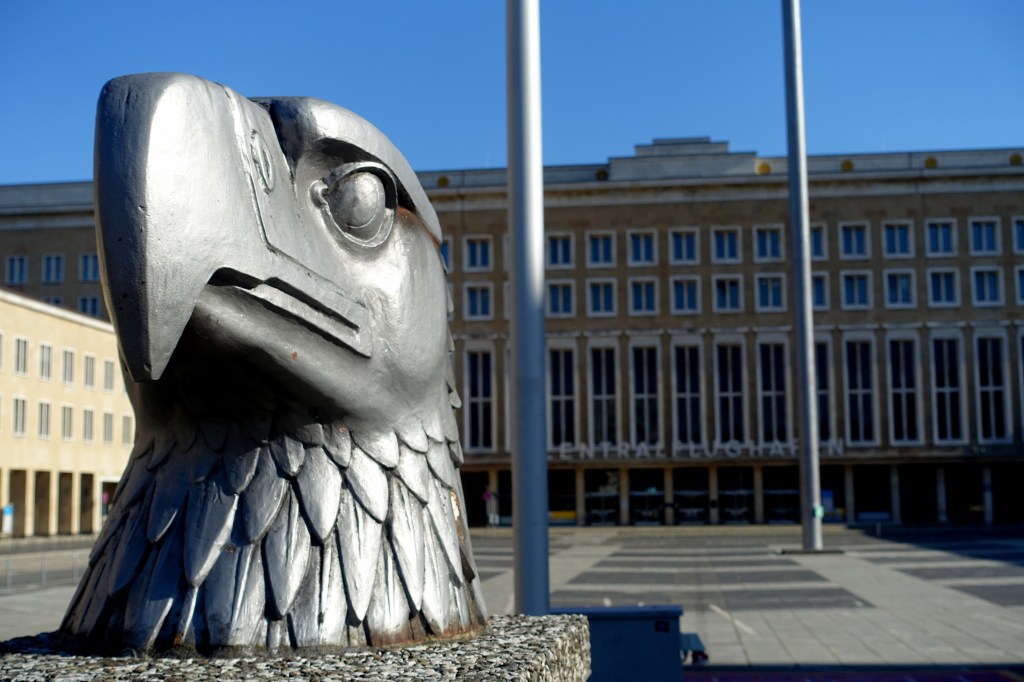
At the same time as the Olympic stadium was being built, the Nazis were also overseeing the construction of a boldly innovative airport design meant to impress arrivals to the capital of ‘Germania’. Whilst never fully completed before the War, Templehof retained evidence of its notorious origins long after the Americans took control in 1945. The German eagle standing near the entrance is one of the relics from that era

Templehof today
Inside the main terminal building

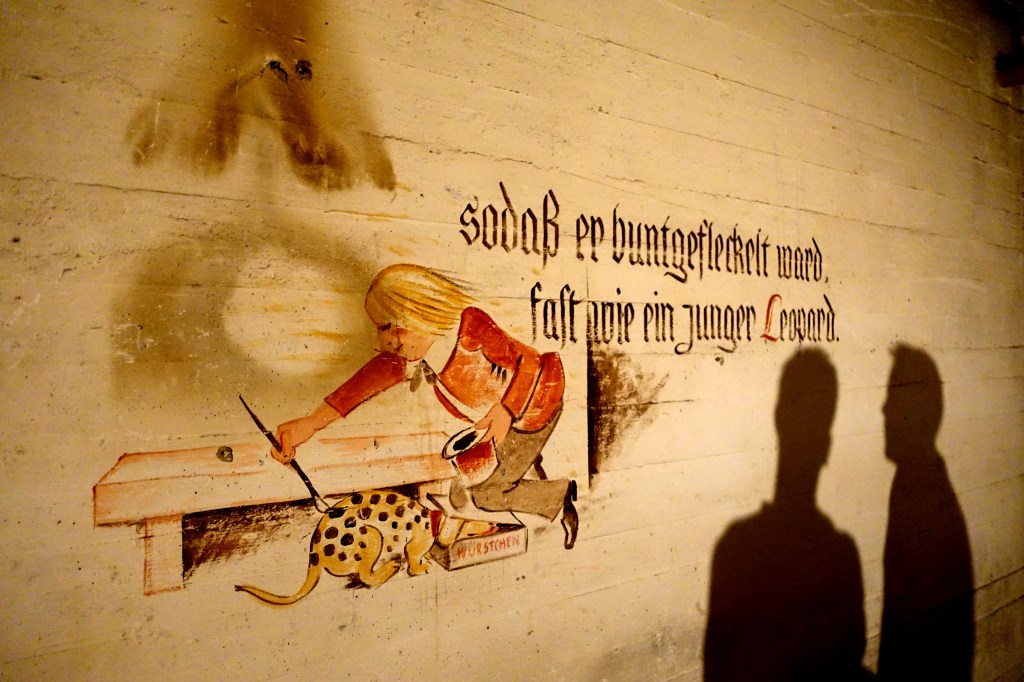
During the War, it was used as a bomb shelter by German workers and their families. There are still some surviving murals drawn to entertain the occupying families which survive in the airport’s cellars

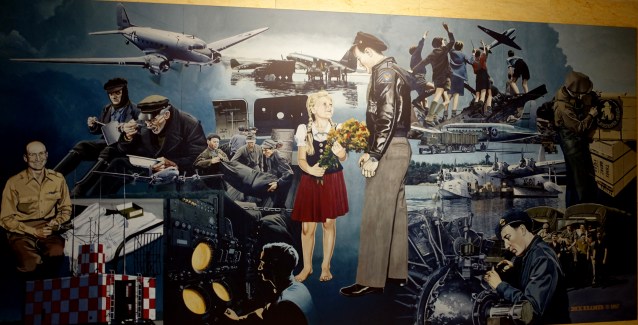
When Berlin was blockaded by the USSR in 1948-9, Templehof was the site for the famous airlift which was hugely important for enabling West Berlin to survive, as depicted in this collage in one of the old terminal buildings

From 1950, it operated as a commercial airport before finally closing in 2007. More recently, it has been Germany’s largest centre for housing refugees from wars in Iraq and Syria, whilst the airport fields now function as Berlin’s biggest park.

Soviet War Memorial

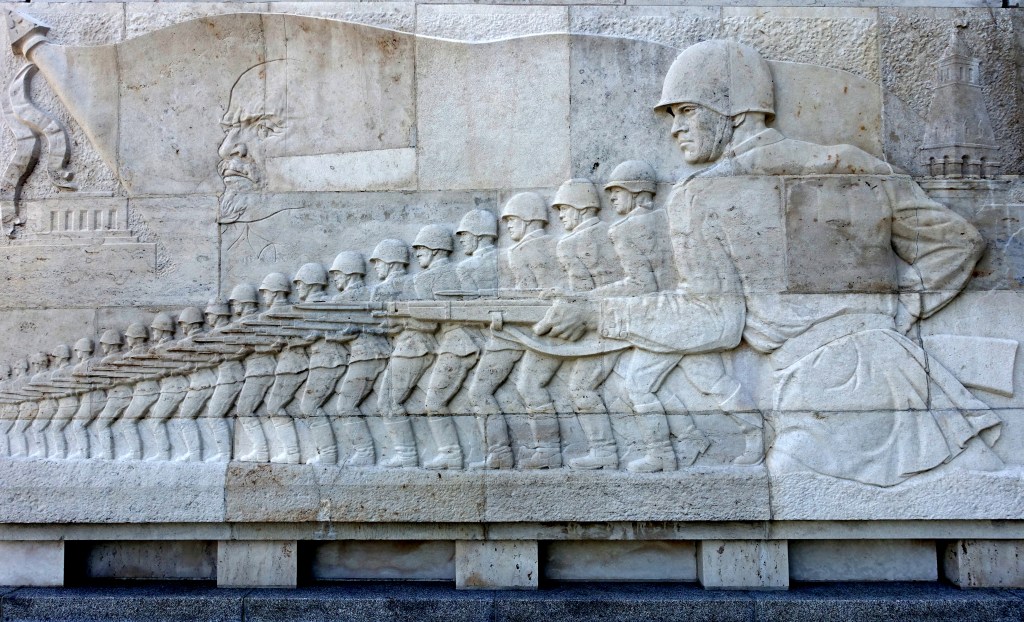
Treptow Park, in what was formerly East Berlin, is the site for the largest of three Soviet war memorials built to honour the 80,000 Soviet fatalities incurred during the Battle for Berlin in 1945. The main sculpture, completed in 1949, is a powerfully impressive monument, and given the heroic resistance of the Soviet Union to Hitler’s forces, is fully deserving of its Berlin location.

Further along from the Memorial, there are 16 sarcophagi, one for each of the Soviet Republics, depicting famous scenes from what Russians call The Great Patriotic War

Germany’s cultural capital

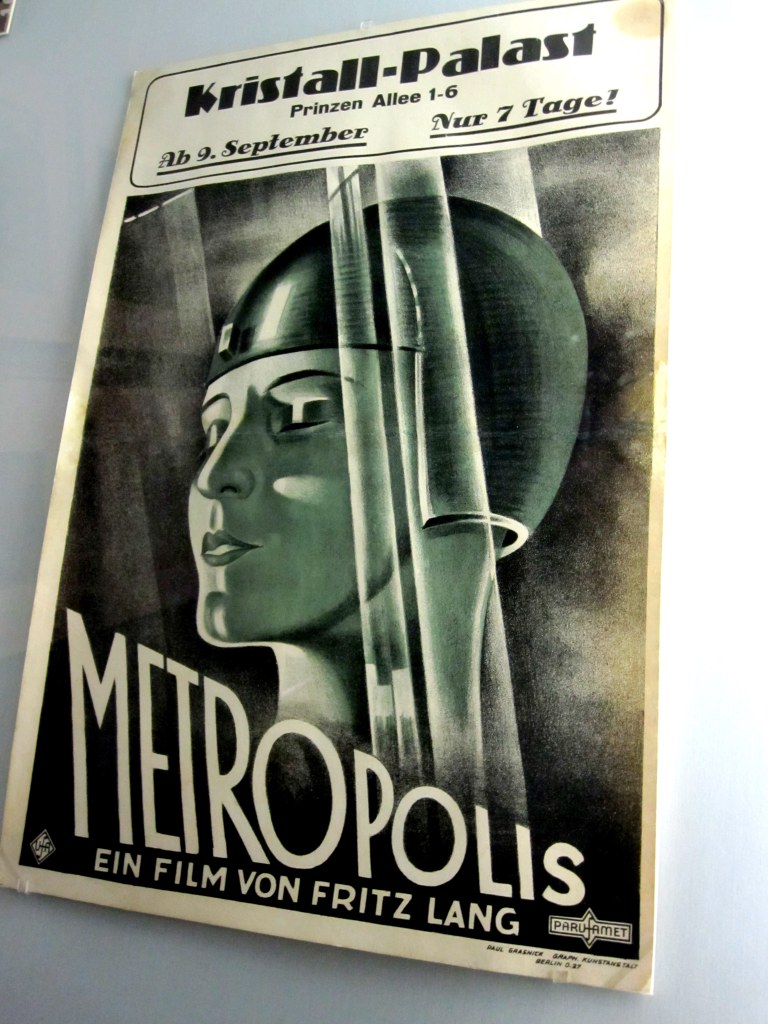
The German film industry has an illustrious history and many of its most creative artists such as Fritz Lang, fled to Hollywood during the 1930s.

Metropolis, Lang’s most famous film

Marlene Dietrich, one of Berlin’s best known stars of the stage and screen, also left Nazi Germany for Hollywood. Following her death in Paris in 1992, her body was finally returned to East Berlin for burial.

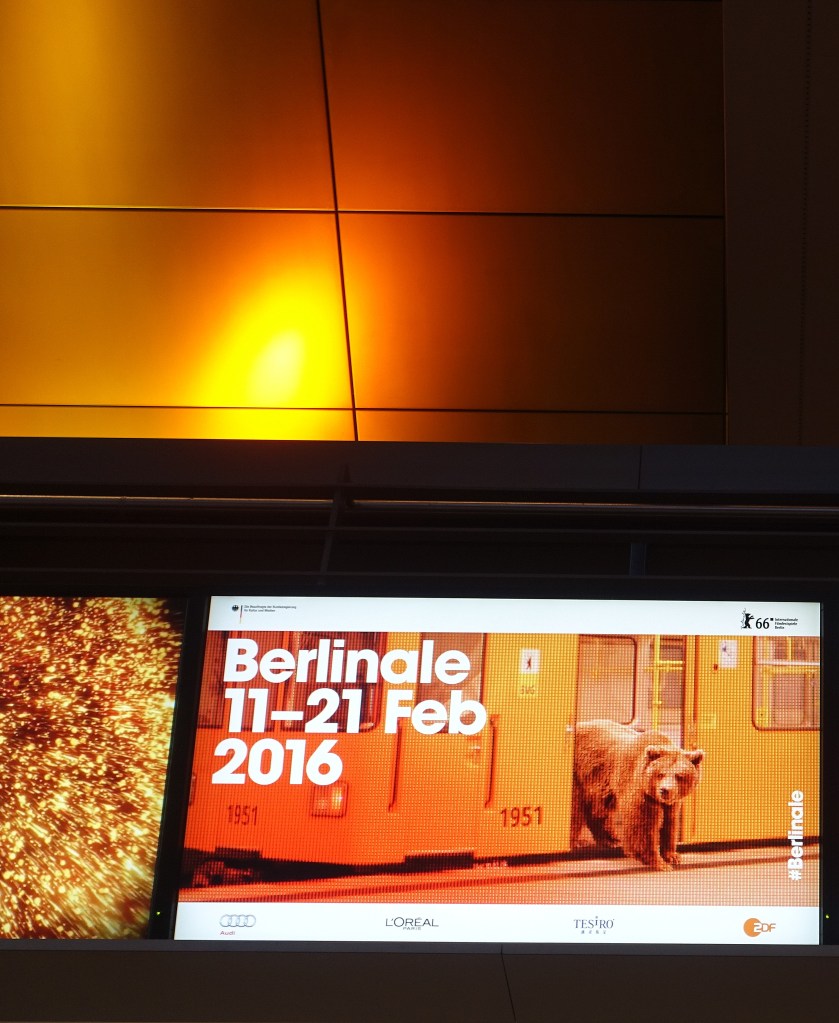
In 1951, during the early years of the Cold War, the West Berlin authorities helped to boost the city’s cultural scene by establishing an annual film festival, known as Berlinale.

One of its key venues is the Friedrichtstadt-Palast

Despite, or maybe because of, the unique isolation of West Berlin during the Cold War, a number of artists were artistically inspired by their experiences whilst living in the city. The Berlin Wall influenced Margaret Atwood to write The Handmaid’s Tale whilst living there in the 1980s. David Bowie recorded a trilogy of albums including Heroes, arguably his greatest album, in Berlin’s Hansa Studios. The Schoneberg flat where he used to live, and next door cafe, where he would hang out, are now popular places of pilgrimage for his many fans.

Outside Bowie’s flat shortly after his death in 2016

The Stasi

For East Berlin’s citizens, the Cold War meant being under the daily scrutiny of East Germany’s Sate Security Service, otherwise known as the Stasi. Their aim was simply to know everything about everyone – a bold aim but it has been established they had files on 5.6 million out of East Germany’s 16 million citizens. Up to 1 in 6.5 of the population were employed as informers. They built up a huge photographic record of its citizens’ lives. The Stasi HQ in Berlin has now been transformed into a historical museum.

The Stasi HQ building complex in East Berlin
Stasi police in action
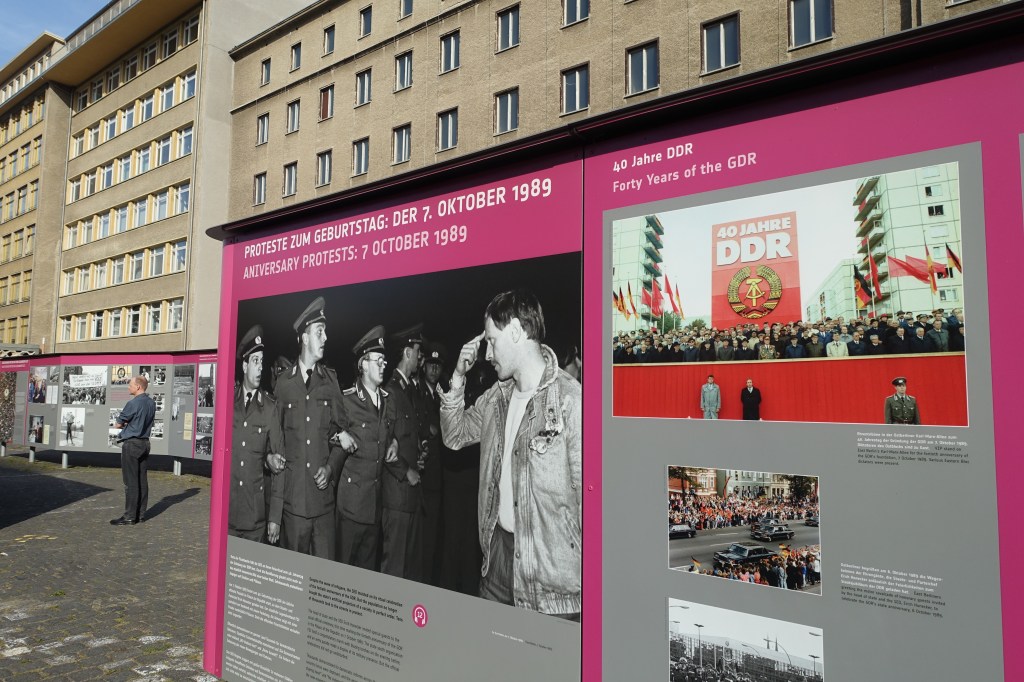
An exhibition outside the museum

To get some idea about life under the Stasi, the film The Lives of Others provides a great insight into how the organisation’s oppressive persecution affected East Berlin’s citizens.

The Berlin Wall

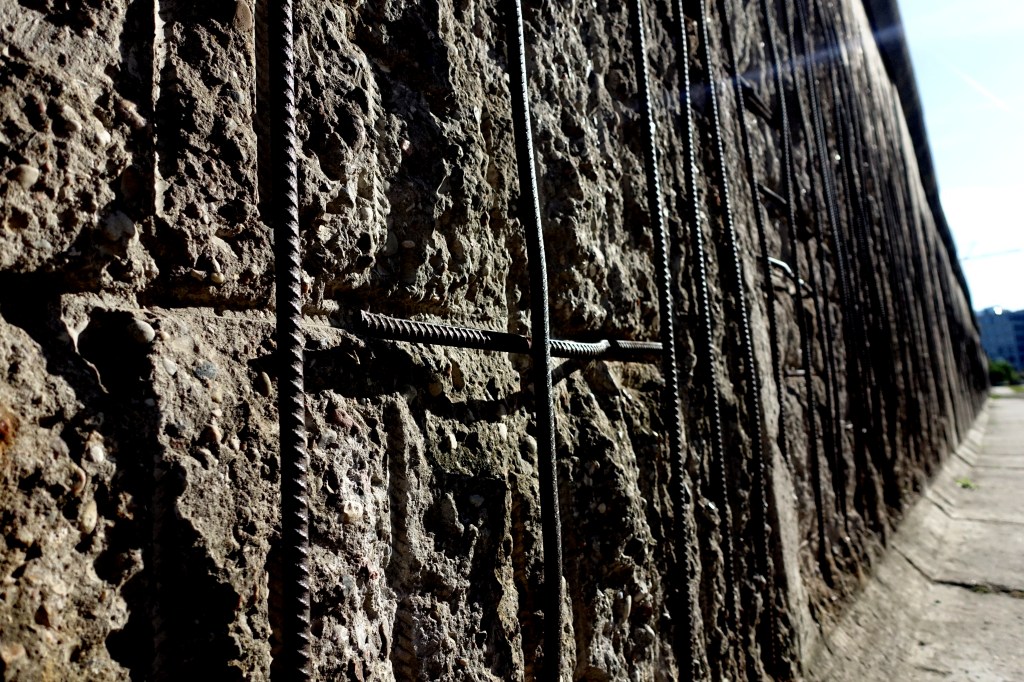
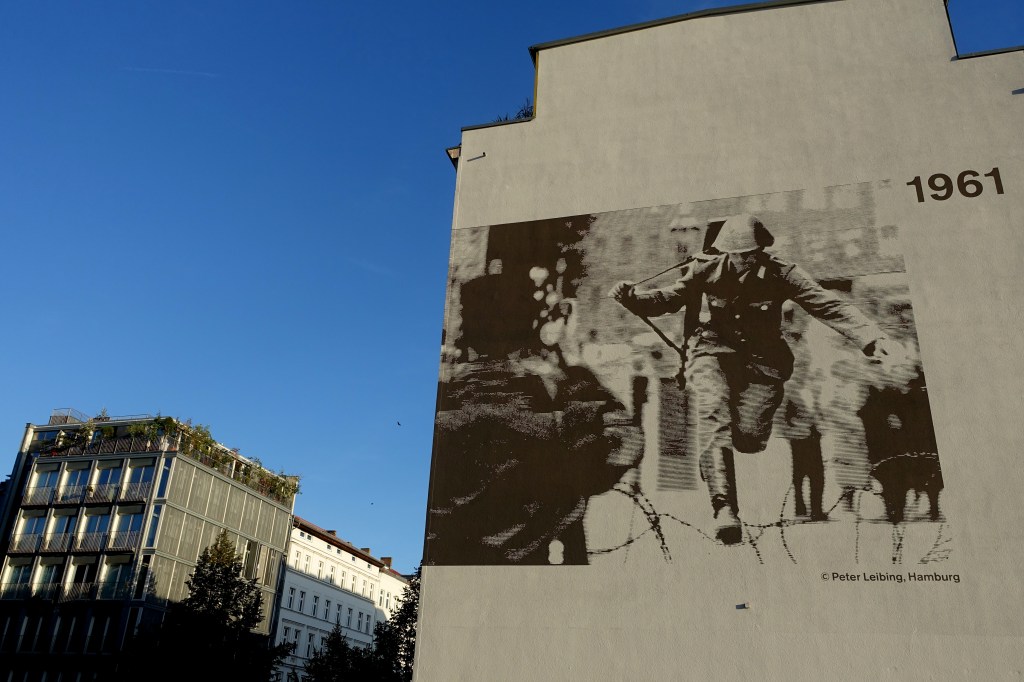
From 1961-1989, the Berlin Wall encircled the Western section of Berlin (which had free access to Western Europe). It was built to prevent East Germans from escaping Communist control. As such, it was the most defining symbol of the Cold War, and was the subject of countless stories and analysis. Such was the joy at its removal in 1989 (and subsequent recycling as tourist souvenir), that it only recently what little remains of the Wall has become the subject of interest and debate. It is still possible to walk along some stretches and get an idea of how it once looked

Bernauer Strasse

Much of the remaining stretches of the wall are a popular site for spray painting murals and graffiti

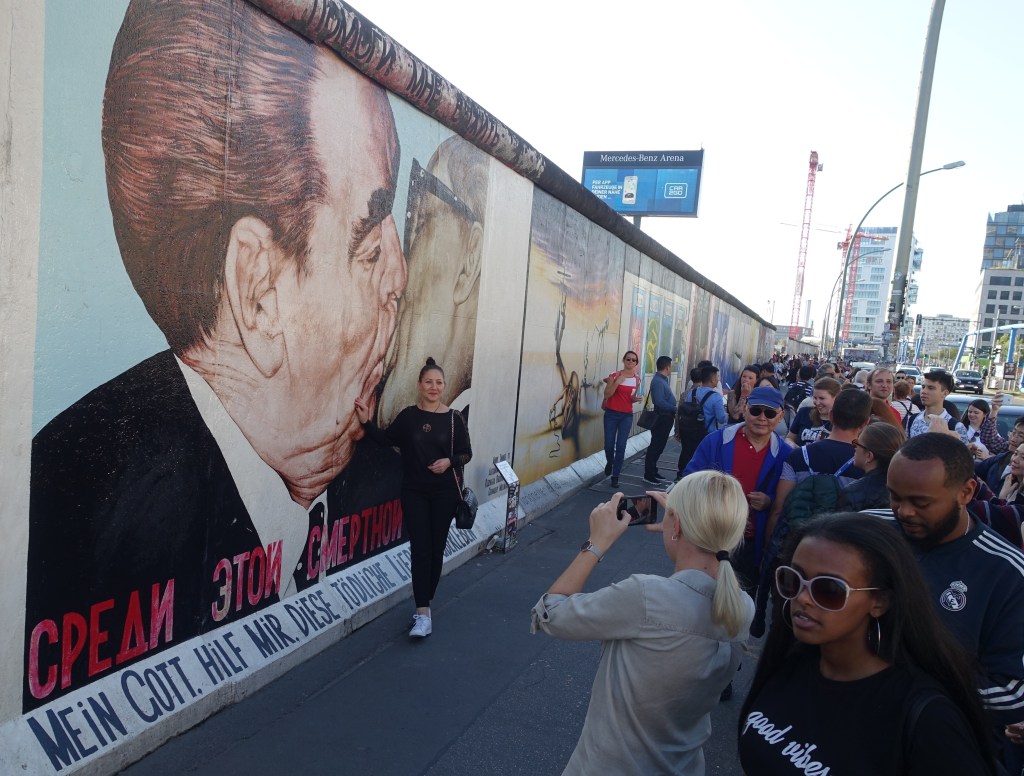
Perhaps the most famous Berlin Wall image is that of Brezhnev, the former President of the USSR kissing Erich Honecker, the former East German Head of State

The East Side Gallery

Along Bernauer Strasse you can learn about the history of the Wall via the Berlin Wall Memorial, which includes large murals and pictures of many of those who died trying to cross from the East to the West


A gallery of some of the many East Berliners who died trying to cross over into the West

To hear one fascinating account of the lengths people would go to escape to the west, listen to the BBC podcast Tunnel 29

Modern Berlin

Berlin has been totally transformed from the city that lay in ruins in 1945. It is youthful, dynamic, multicultural, and artistically thriving. It is a great pleasure to walk its streets whilst never forgetting the social and political pain it endured during the last century.

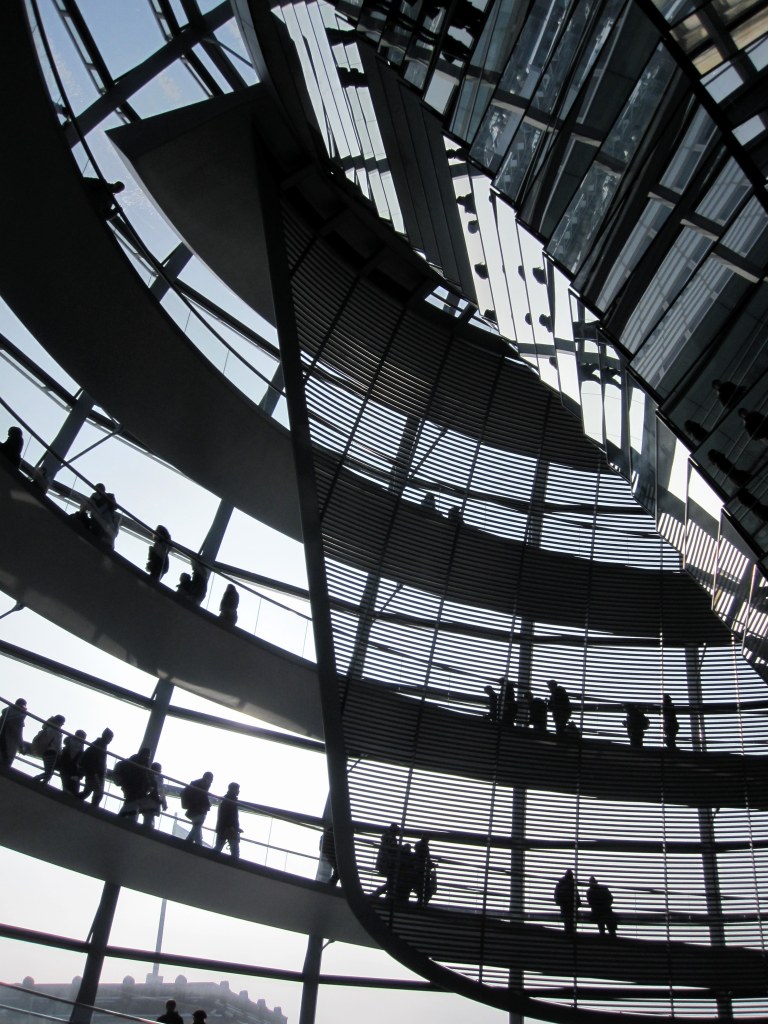
Perhaps the best known symbol of Berlin’s resurrection is the rebuilt Reichstag, which had largely lay in ruins ever since a fire in 1933 (presumed to be caused by the Nazis) led to the suspension of German democracy. Following the reunification of Germany in 1990, it was decided to once again make Berlin the capital, and to return the German Parliament to the Reichstag. The reconstructed building was re-opened in 1999 with a magnificent new glass dome towering above the original building.

Another example of the city’s redevelopment is Potsdamer Platz, the city’s best known historical square, which was destroyed during the Second World War before becoming a large strip of wasteland between East and West Berlin during the Cold War.

Alongside the square are some striking new commercial complexes like the Sony Centre

Meanwhile, walking through Berlin during the changing seasons is to witness a diverse range of cultural spectacles from Berlin’s past and present.

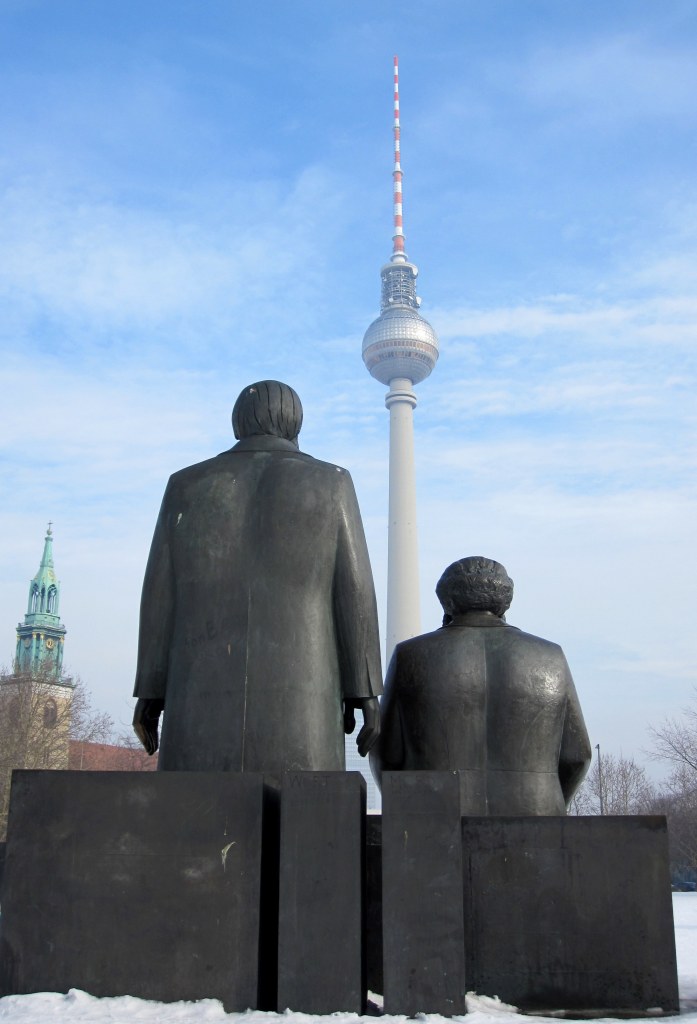
Marx (seated) and Engels gazing at East Berlin’s TV Tower built in 1969
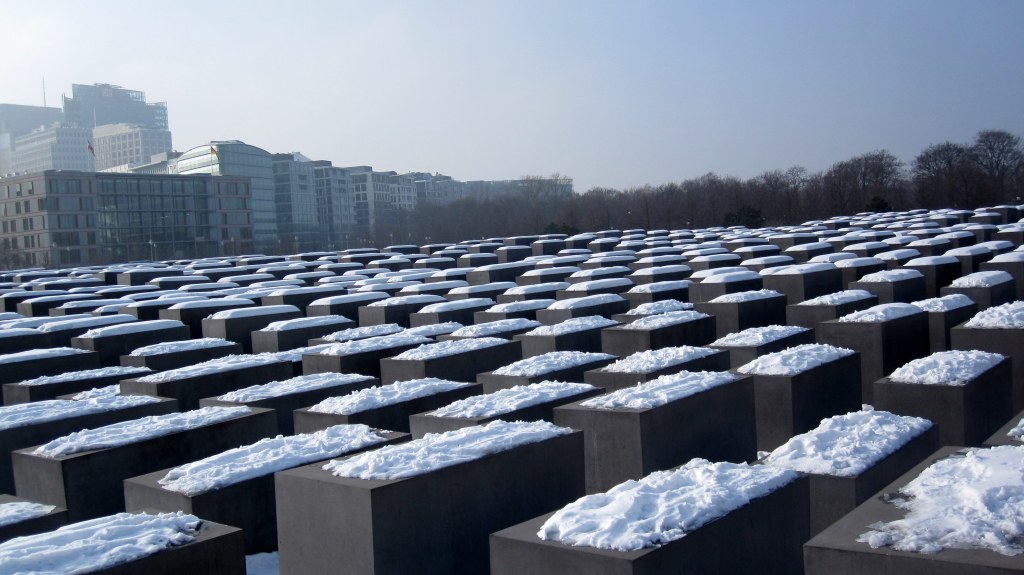
The sombre Memorial to the Murdered Jews of Europe
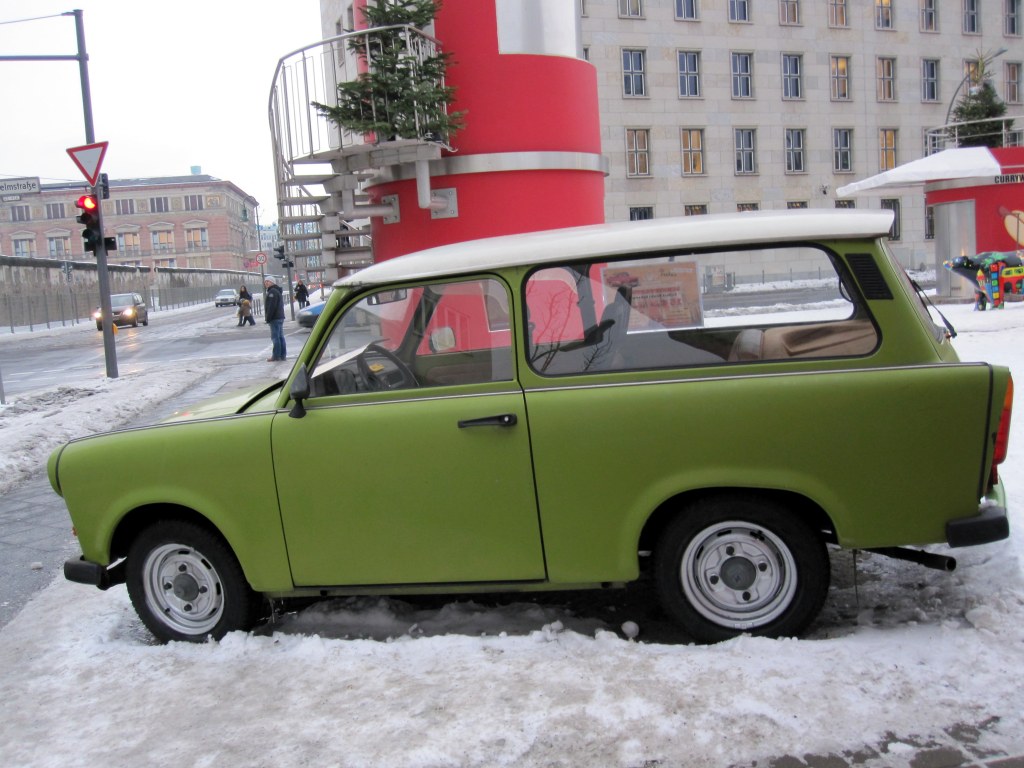
A Trabant car once popular in East Germany
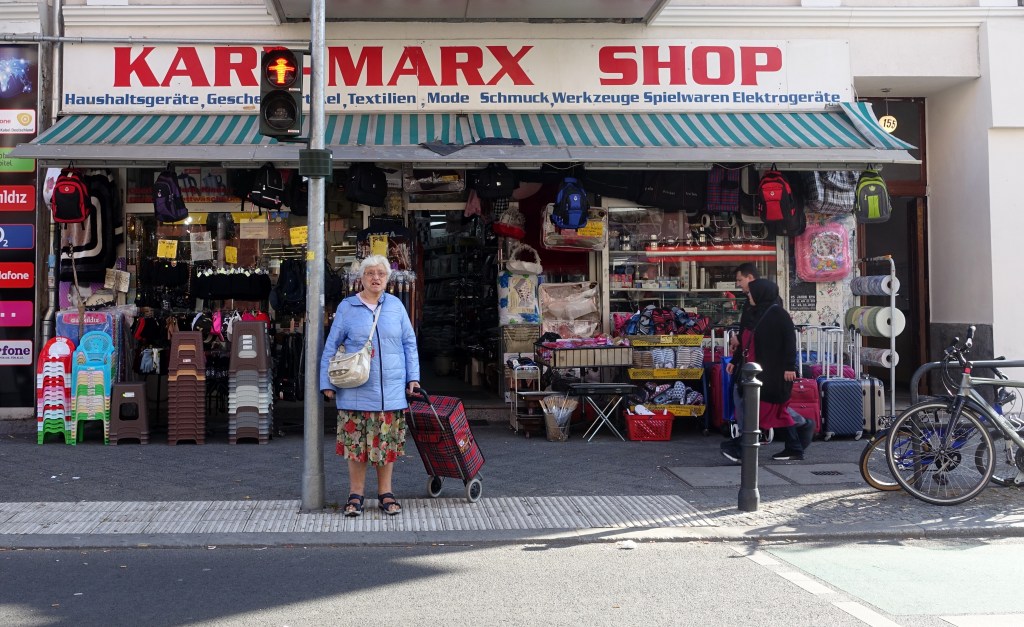
An unusually named store in the rapidly gentrifying Neukolln district
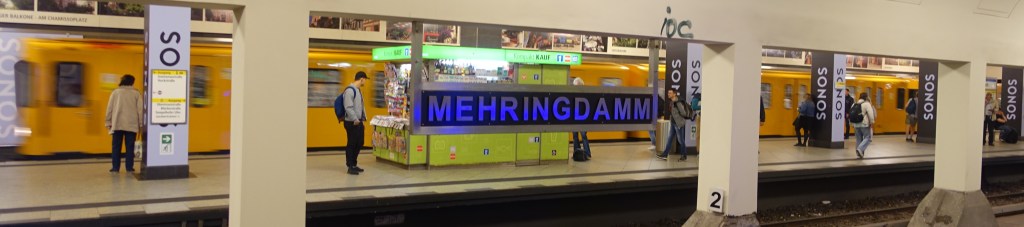
Berlin’s distinctive U Bahn train
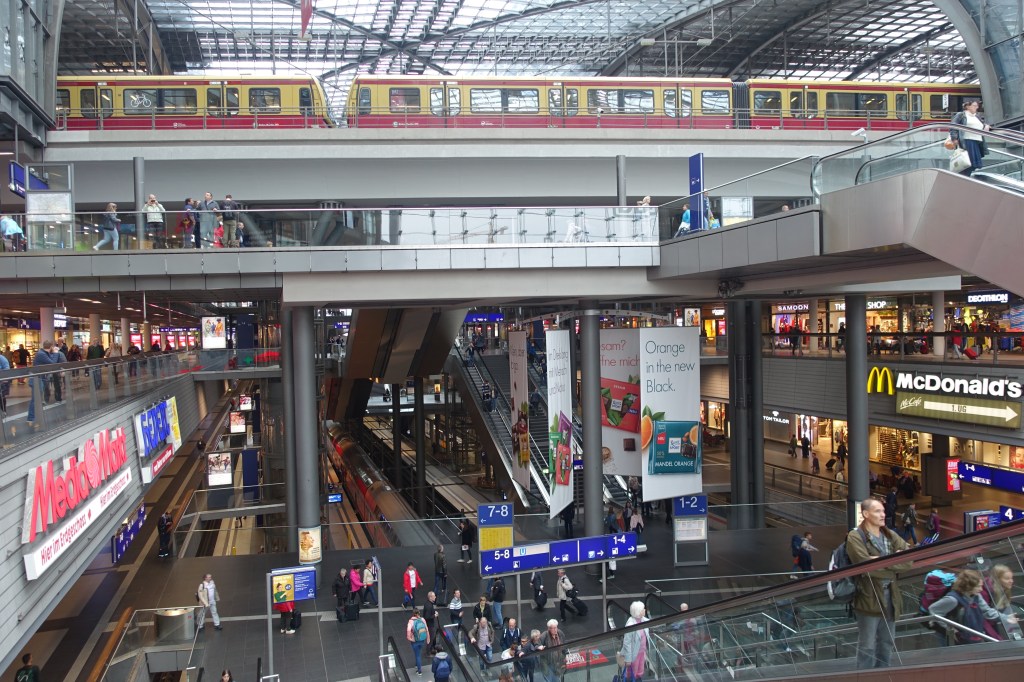
Berlin’s Hauptbahnhof Station from where you can travel to London

Chernobyl: an epitaph to the Soviet system

On the night of April 26th 1986, reactor number four at the Chernobyl nuclear power station in northern Ukraine exploded during a turbine test which went wrong. The results were devastating. A few statistics:

  • The radiation released was equivalent to 500 Hiroshima bombs
  • 5% Ukraine was contaminated by fallout affecting more than three million people
  • 23% Belarus (an area larger than Belgium) became uninhabitable due to contamination which affected 19% of its population
  • Estimates of deaths attributable to the accident (mostly related to cancer rates) vary between 5000 (World Health Organisation) and 90000 (Greenpeace)

Chernobyl entrance to the exclusion zone

With respect to the political impact of the accident, many historians view it as a major factor contributing to the downfall of the USSR for two main reasons. Firstly, the whole Chernobyl project, which included plans for up to six nuclear reactors, was planned and controlled by Moscow. The flawed reactor design, which was at the root of the accident, was a Soviet creation, and it was later revealed top nuclear scientists had warned of its instability.

Secondly, and even more importantly, following the accident, there was a systematic attempt to cover-up the truth about the scale of the accident and the health risks posed to the millions of people who might have been exposed to harmful radiation. For example, a change in wind direction on May 1st meant the city of Kiev came directly in the path of the radioactive clouds emanating from Chernobyl. However, President Gorbachev insisted the city’s May Day parades should proceed as normal.

In the clean-up operation, more than 600,000 ‘liquidators‘ were brought in to try and manage the aftermath of the accident. Although an impressive example of how the Soviet state was able to mobilise and co-ordinate a vast army of manpower at short notice, many thousands were exposed to deadly doses of radiation without being made aware of the risks involved.

The Chernobyl disaster led many Ukranians to question the Communist regime in Moscow and helped stimulate the rise in nationalism, contributing to the movement for independence achieved just five years later.

For a full account of the events, probably the best source is Sehii Ploky’s Chernobyl: History of a Tragedy from which the acclaimed 2019 TV mini-series was based. However, the latter misrepresented or oversimplified some of the key aspects of the story – see for example, The Real Chernobyl https://www.youtube.com/watch?v=Xw3SFOfbR84

Dark Tourism

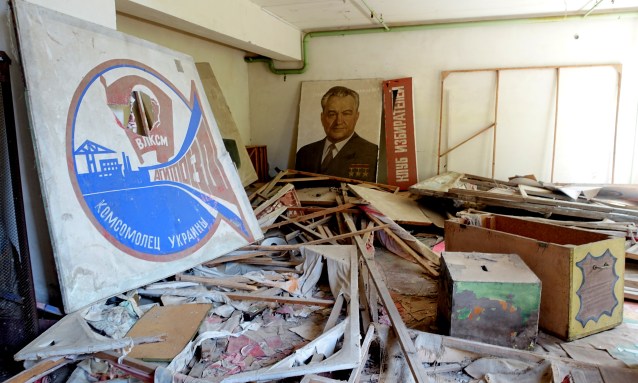
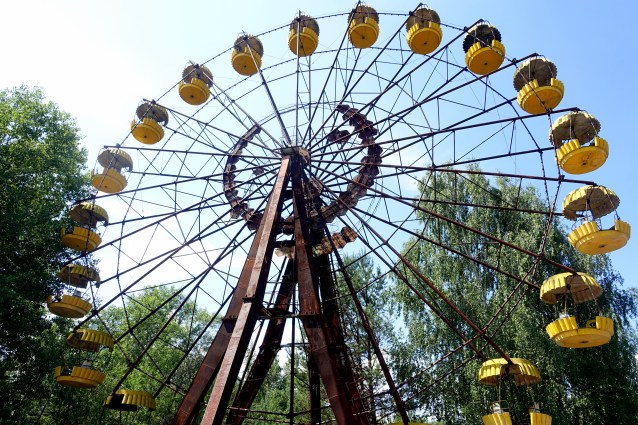
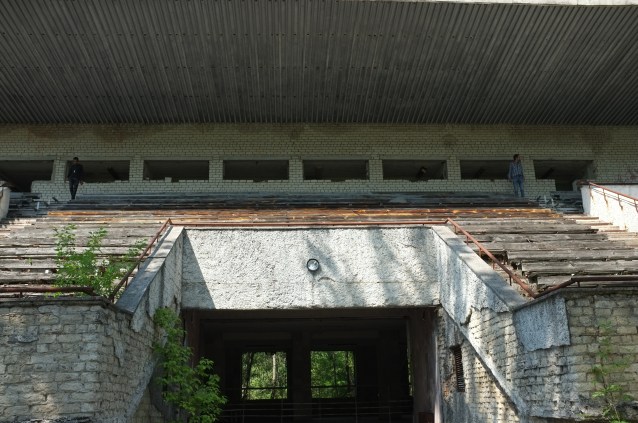
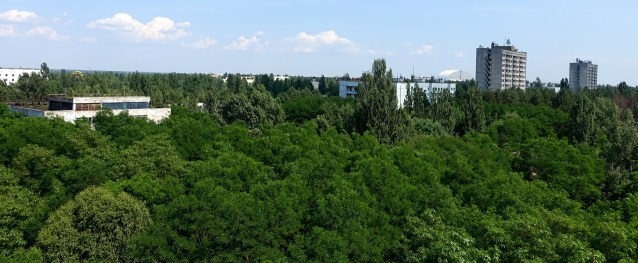
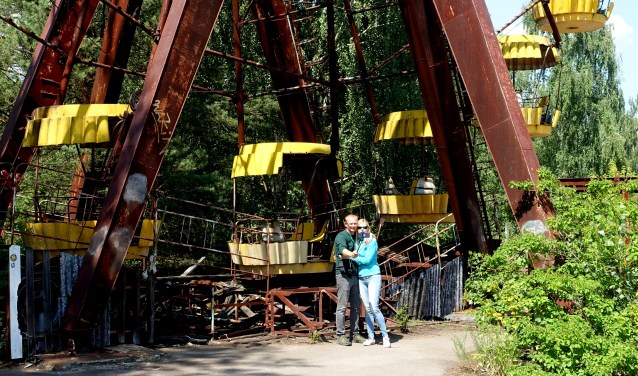
A visit to Chernobyl is a good example of the growing phenomenon of ‘dark tourism’ – visiting places associated with death and suffering. The main fascination of entering the Chernobyl exclusion zones – a 30 km outer zone and 10 km inner zone, is to witness not only the reactor site itself, but to be able to wander around the nearby town of Prypiat built to house the Chernobyl workers, and home to 50,000 people at the time of the accident. Abandoned for over thirty years, it is a haunting time capsule (albeit very decayed and overrun by nature) of what once was a model Soviet city, complete with cultural centre, funfair, sports stadium, and the obligatory statue of Lenin.

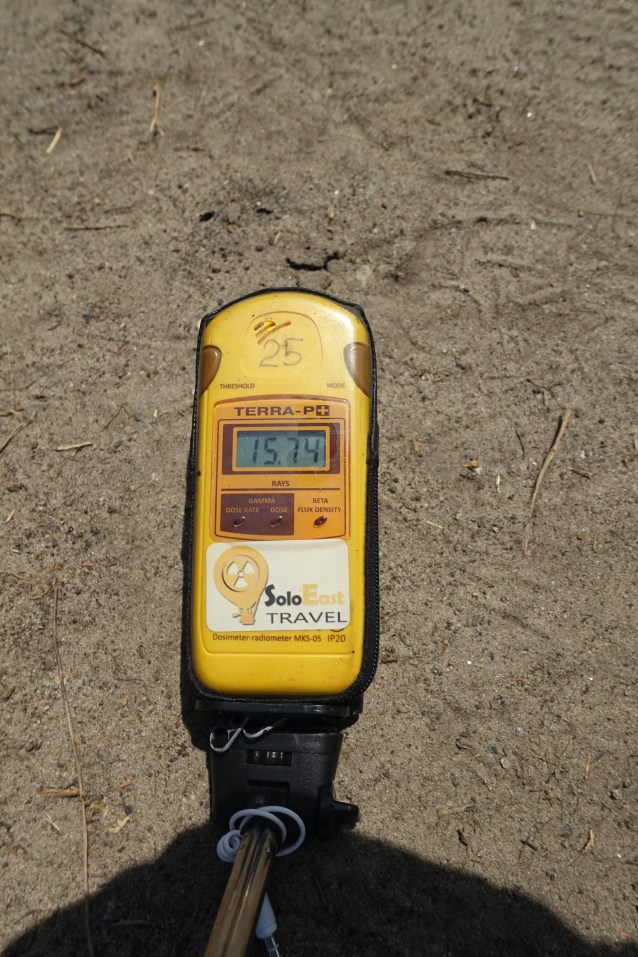
On all tours you are issued with a geiger counter which enables you to monitor radiation levels during your visit. It was only when we sped past the ‘Red Forest’ (so-called because the trees turned red due to the extreme radiation) that our meters shot up to an unsafe level.

A raised but not dangerous reading

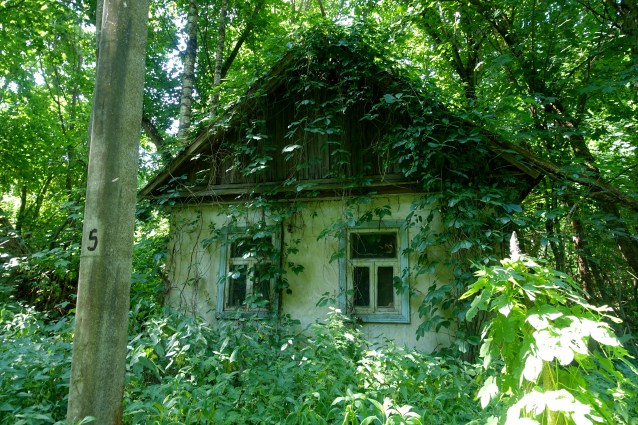
The first of many stops on the tour was to walk past some abandoned houses from one of the many villages in the exclusion zone. A couple of hundred (mostly) elderly villagers refused to leave the area and were allowed to stay but few are still alive today.

The last remaining Lenin statue in Ukraine?
Kindergarten school in Kopachi village
Reactors 5 and 6 abandoned during construction
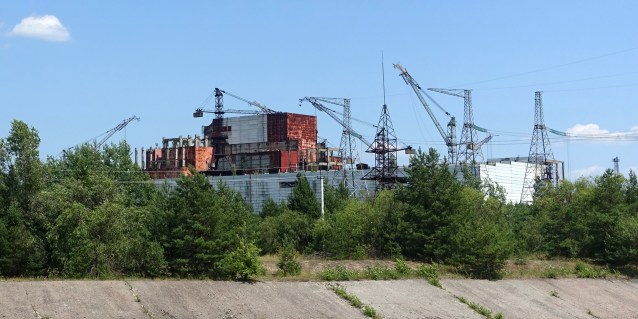
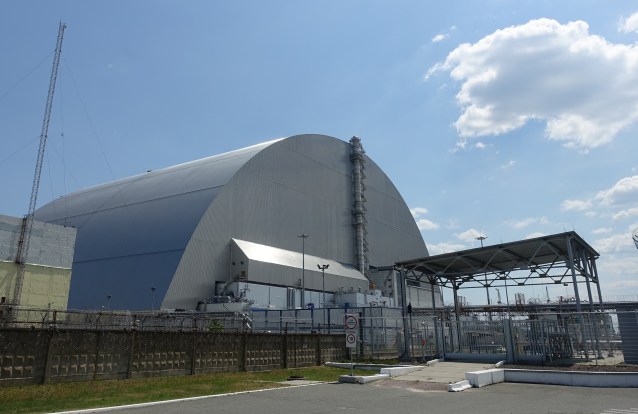
Damaged reactor 4 covered by a new safe shelter since 2016
Reactor 3 which finally ceased operating in 2000

Prypiat’s residents were evacuated 36 hours after the accident. Until then, unaware of the seriousness of the situation, life continued as normal. A film shot by local film makers just before the evacuation show residents walking the streets, children playing football and a wedding taking place – just a normal Saturday. People were reassured they could return after three days, so only to take valuable personal possessions with them.

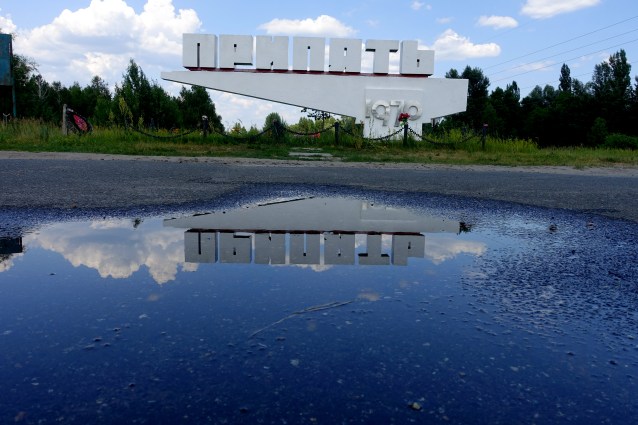
Prypiat city sign
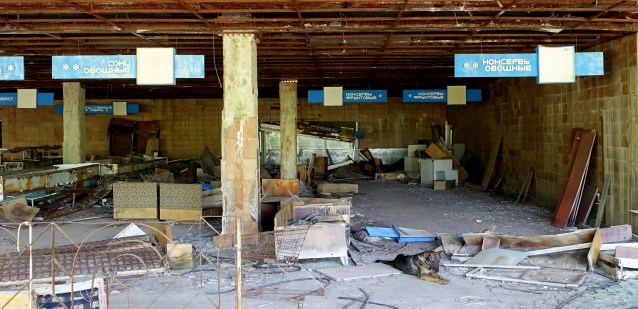
Abandoned supermarket
City administration office
The recently completed funfair abandoned before opening
What might have been – 70 miles away in Kiev
The city sports stadium

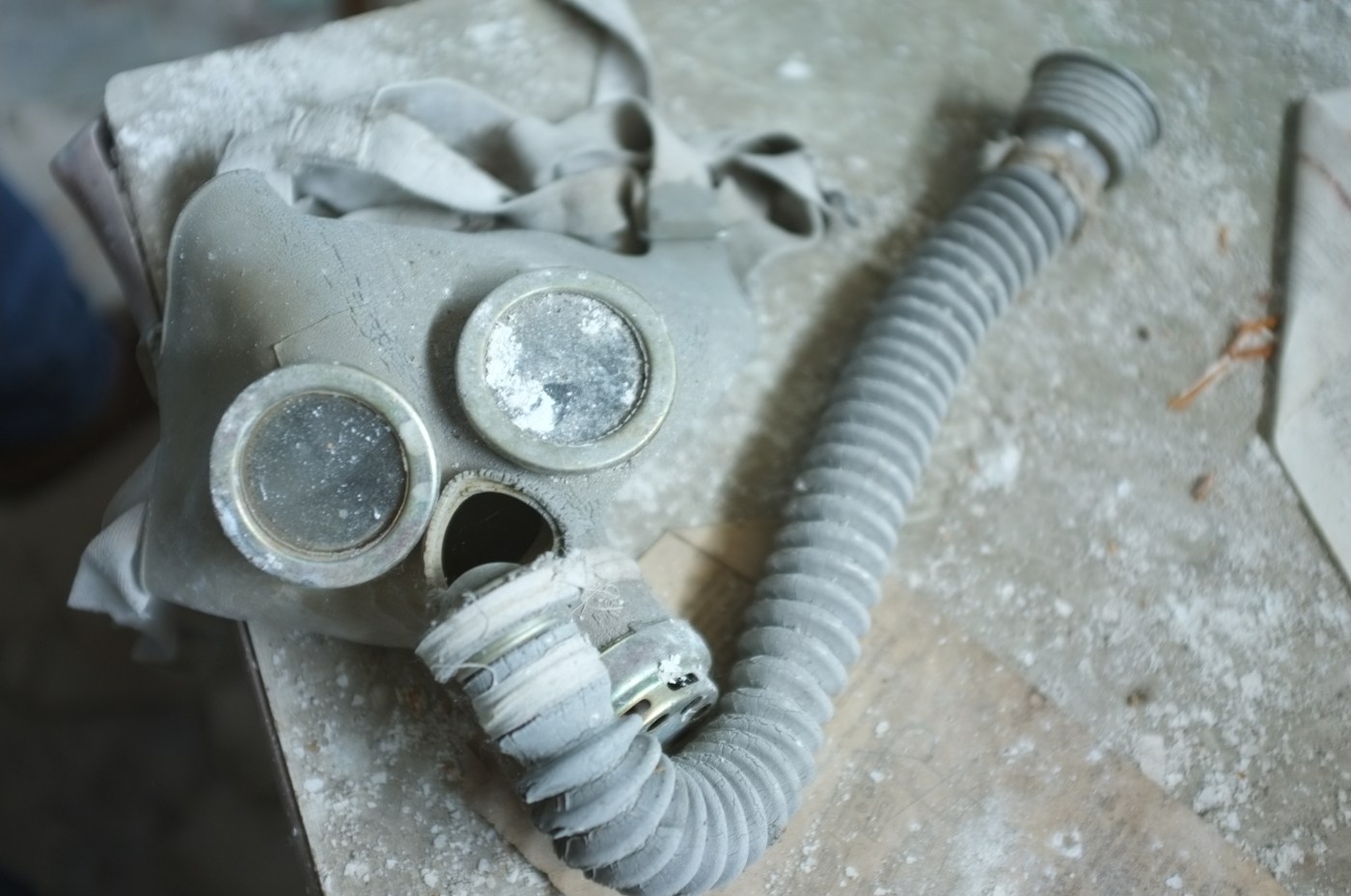
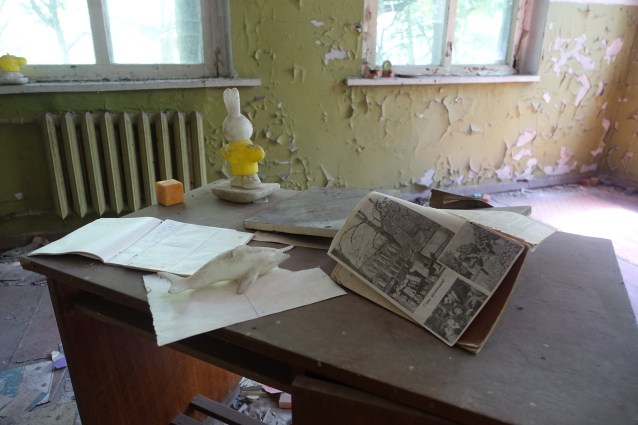
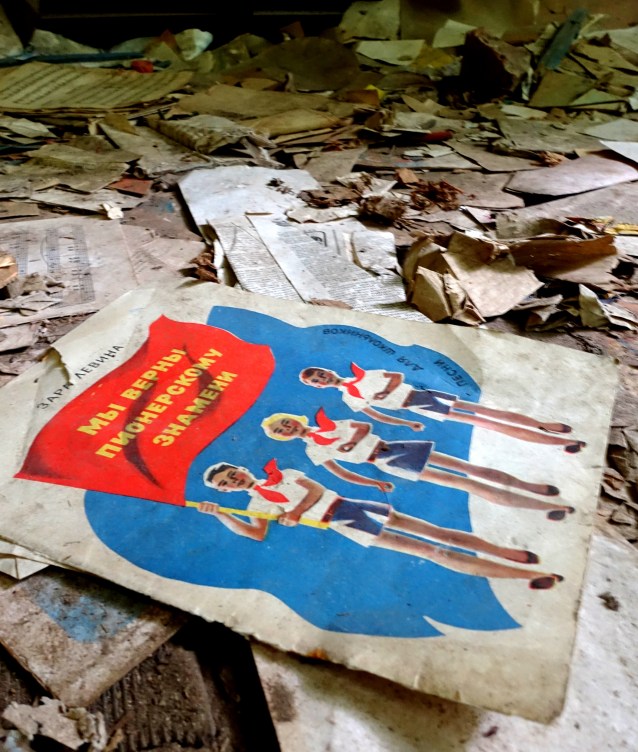
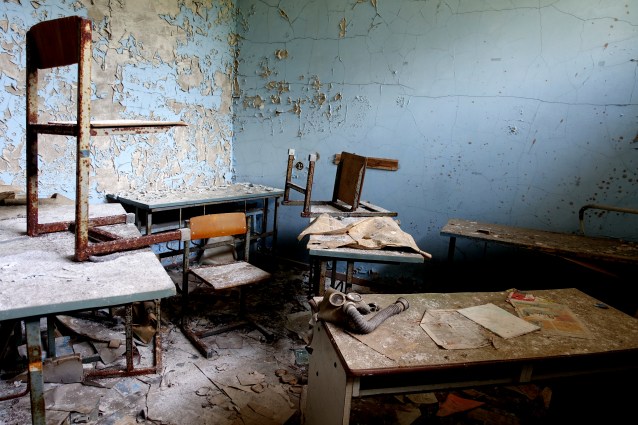
Possibly the most haunting part of the visit was wandering round the high school with its abandoned desks, books and… oxygen masks.

High school no 2
Newspaper dated 27 November 1985
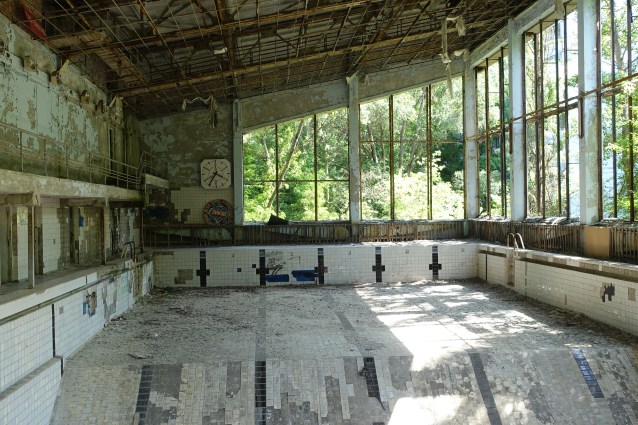
High school swimming pool
Chernobyl’s reactor 3 can just be seen in the distance
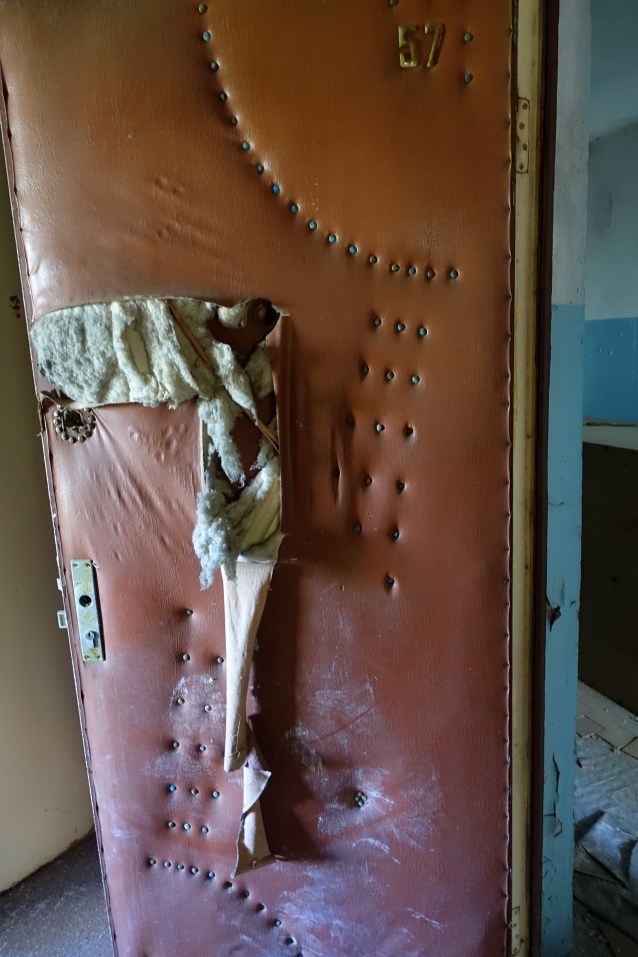
An apartment front door
So many books left behind

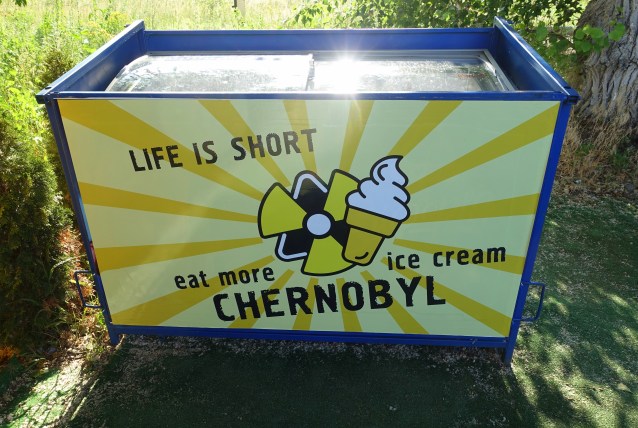
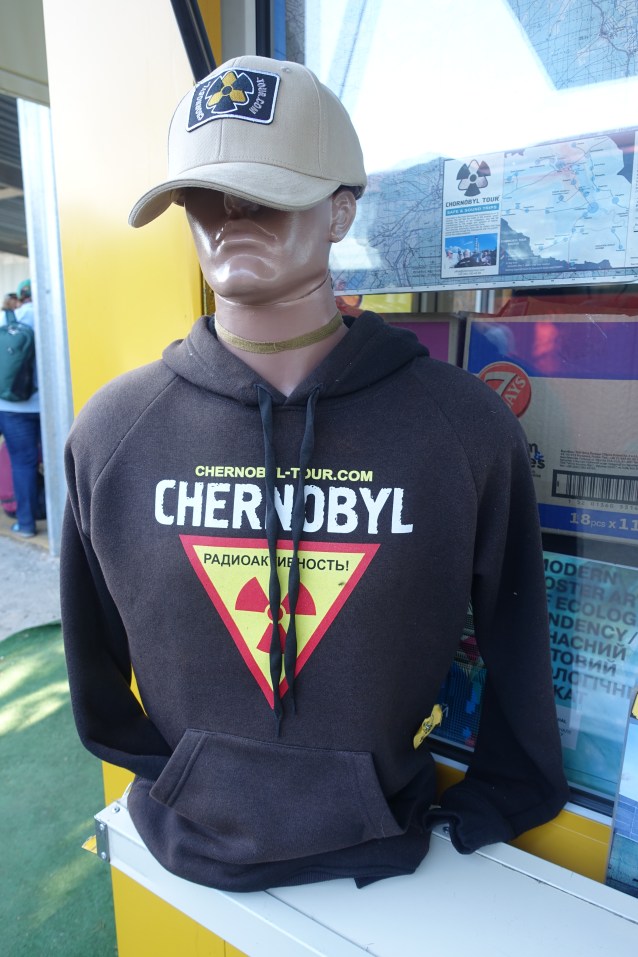
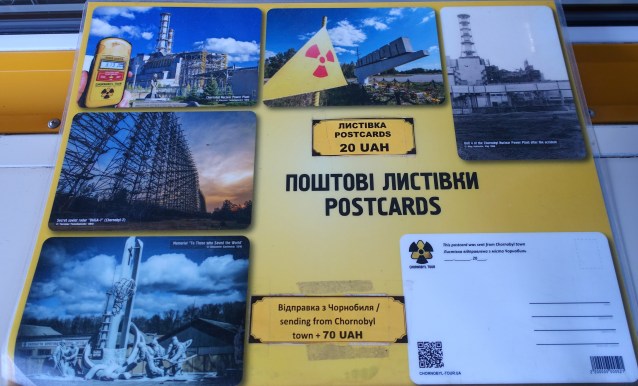
On the way out of the exclusion zone, it is possible to buy some ‘souvenirs’ from your visit.

There are ethical issues relating to ‘dark tourism’ such as tours of Chernobyl. Is it appropriate to profit from or ‘enjoy’ what is clearly the site of such death and destruction? Whilst most people on our tour acted respectfully, there was the occasional exception.

With the recent global success of the TV mini-series, the interest in visiting Chernobyl is likely to surge in the near future. It would be nice to think some of the profits from tour organisers might somehow be channeled towards the victims, but that is probably wishful thinking.

Ukraine: In the Shadow of the Bear

Having only gained independence in 1991, Ukraine is a very young country but with a turbulent history which is still having a significant impact on its border with Russia. Its history and contemporary political situation are discussed below, but our blog begins with some first impressions of the main cities we visited during our short tour of the country during an unseasonably warm June. Having flown to Odesa, we travelled by train to Kyiv, Lviv, Ivano-Frankivst and finally Chernivitsi before crossing over into Romania.

Odesa

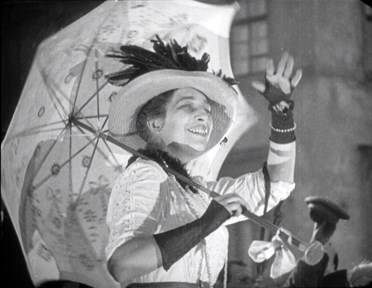
Odesa serves as both Ukraine’s main seaside resort  (the Crimea having recently been annexed by Russia) and port. Perhaps its best known site is the Odesa Steps which lead down from the city to the port. The sequence in Sergei Eisenstein’s Battleship Potemkin, the ground breaking silent film from 1925, has become one of the most famous film scenes of all time due to its revolutionary montage editing technique. https://www.youtube.com/watch?v=VMWMq4AEyjU

It seemed the ghost of the woman with the umbrella is still present when we visited


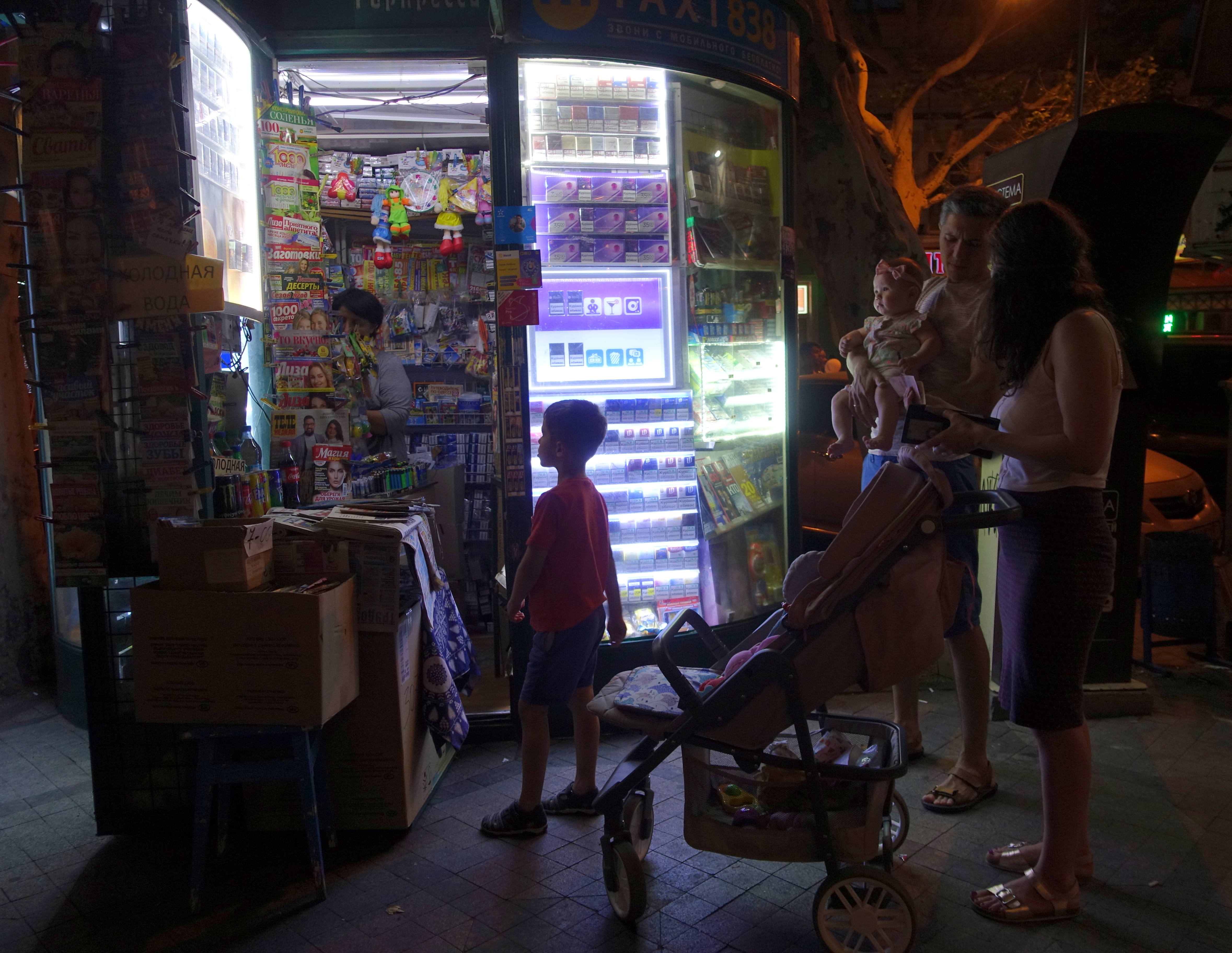
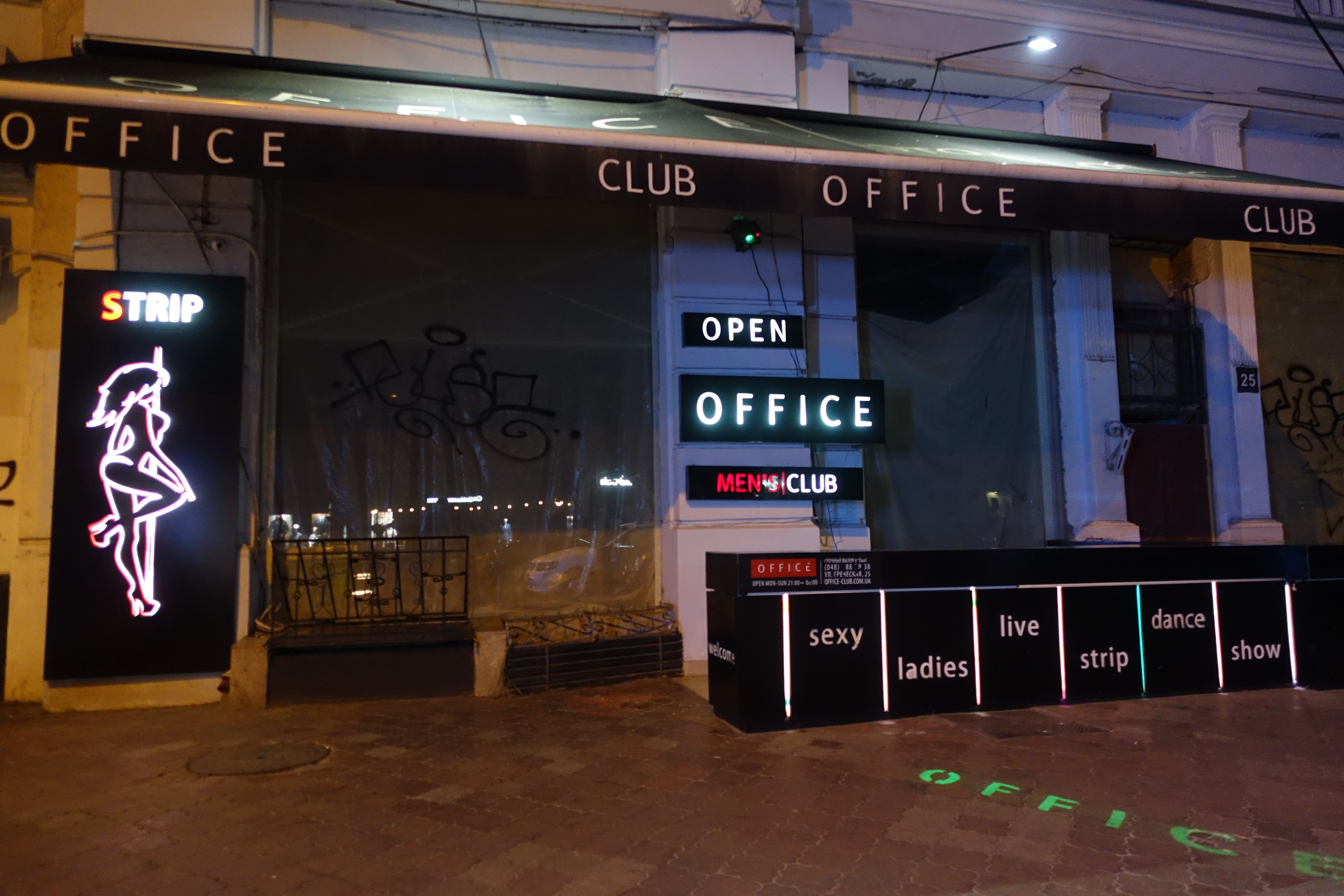
Odesa seems a very vibrant and cosmopolitan city, especially by night with crowds of people enjoying a very varied mix of cultural offerings

DSC04410City hall

DSC04397

DSC04392                                                           

DSC04398                                     Odesa Opera House                                  

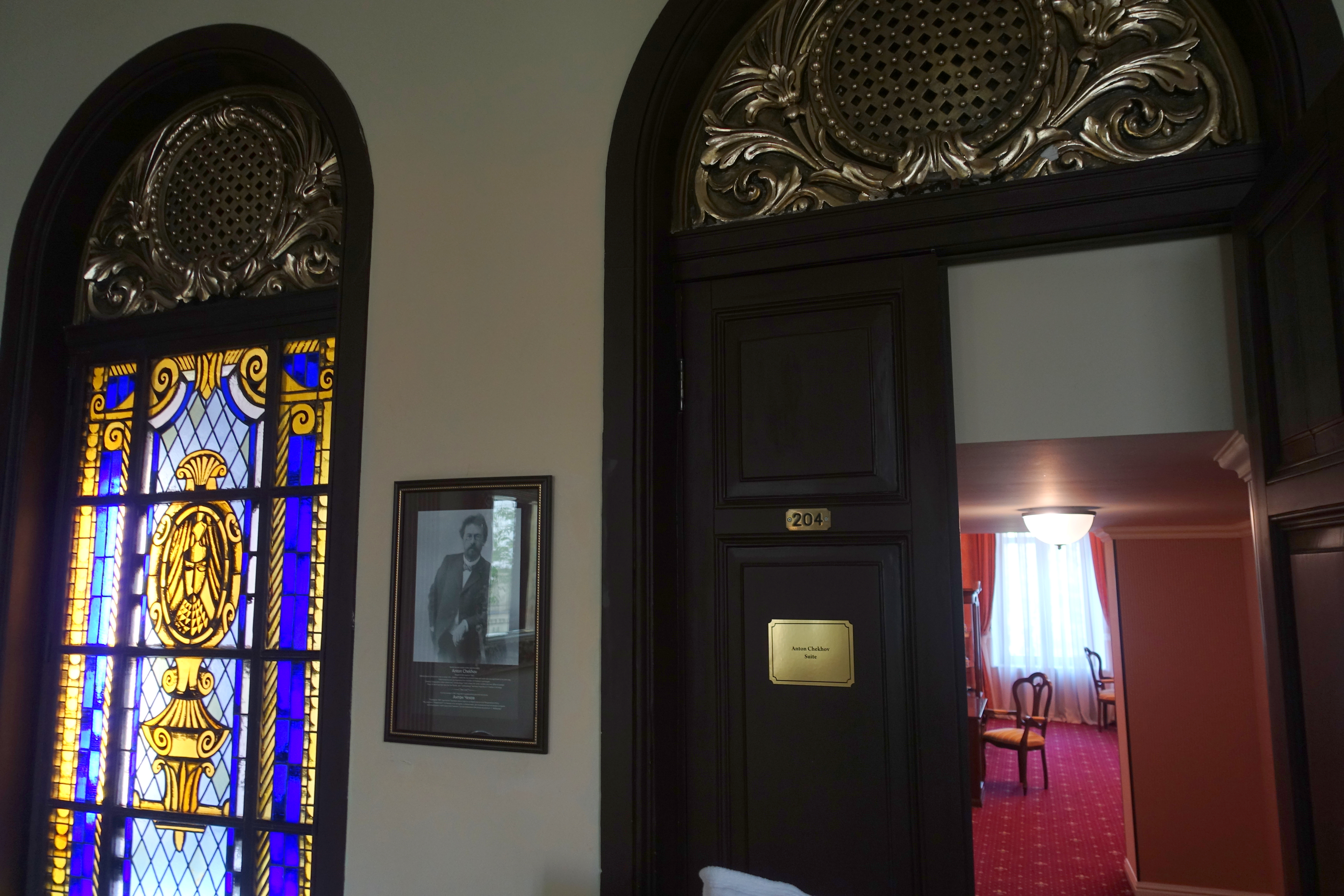
DSC04357                                    Chekhov’s bedroom suite in the Hotel Londonskaya

The Orthodox Church is very evident across Ukraine. We were there during the Pentecost celebration, also known as ‘Green Sunday’, because of the various herbs and branches used to decorate the churches

St Elijahs Monastery

To get to Kyiv we boarded the overnight train at Odesa station

Kyiv

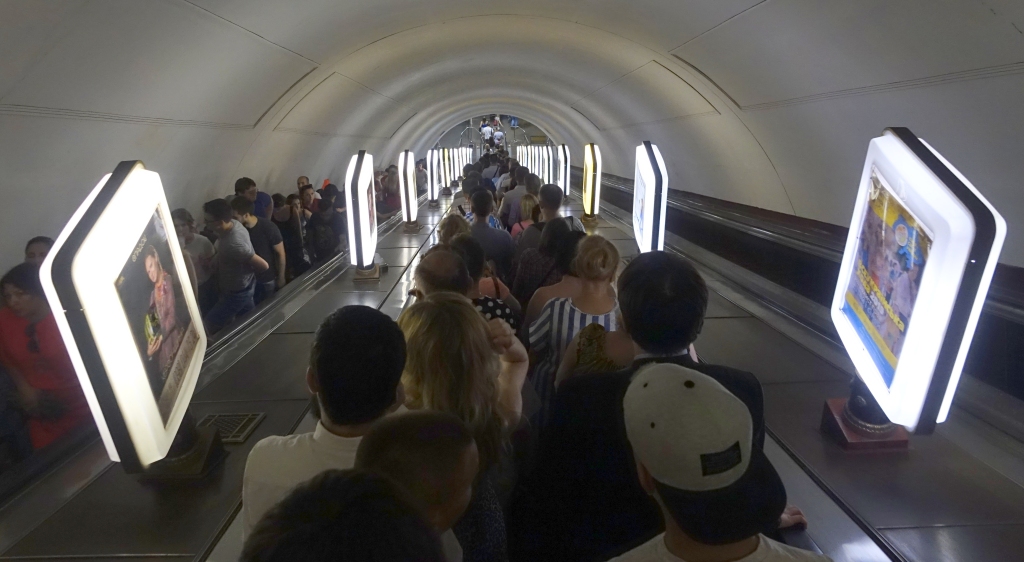
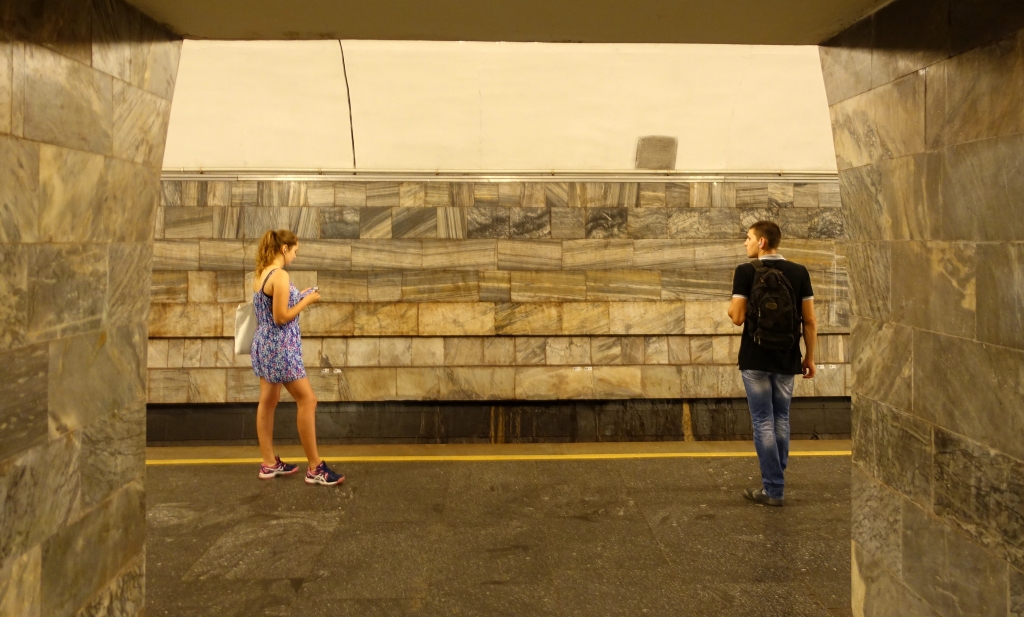
We arrived at Kyiv’s magnificent railway station before trying to navigate the metro system. Whilst not rivalling Moscow for sumptious architecture, Kyiv does boast the deepest metro station in the world (although this claim is disputed by North Korea). Despite being extremely efficient, with trains every 3-4 minutes, the metro is perpetually crowded, but thankfully (unlike London’s tube) refreshingly cool.

Despite its Communist past, Kyiv has managed to retain and restore many impressive churches of very diverse styles.

The Madonna Dormition church
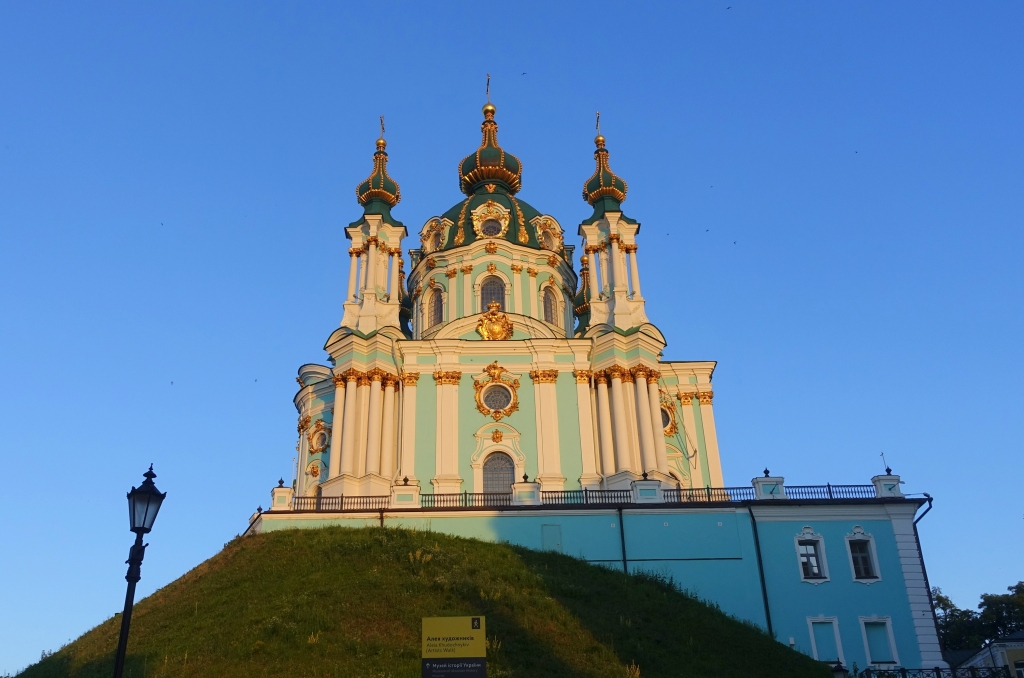
St Andrews Monastery
St Sophia’s Cathedral
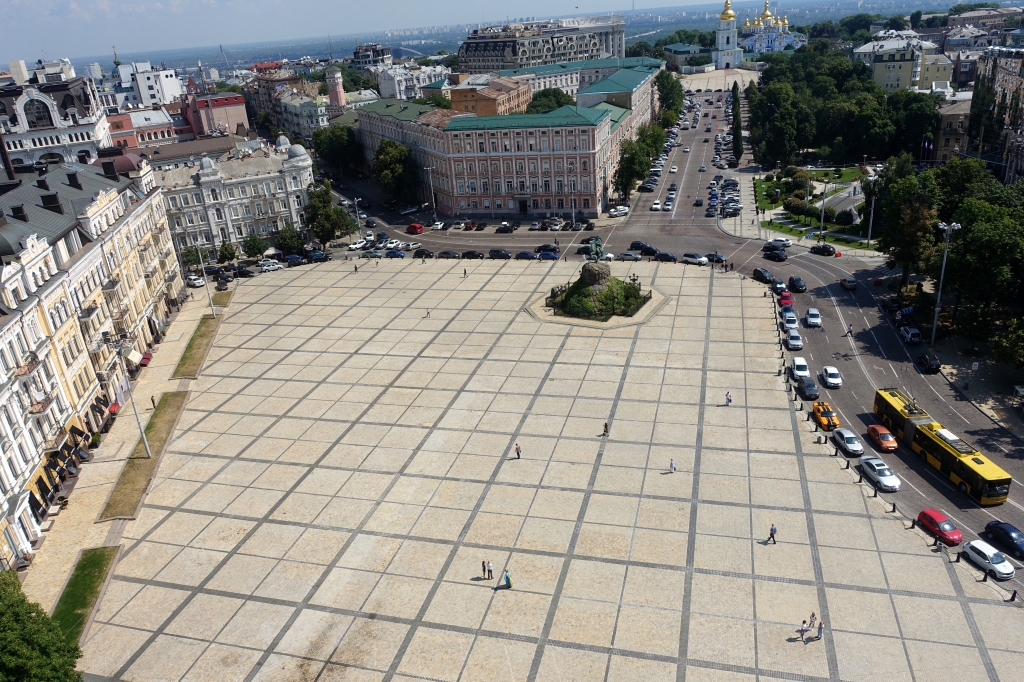
Looking across Sofiyivska Square towards St Michael’s Monastery

The Podil district based around the old port on the River Dnipro, is an attractive laid back type area complete with its own hilly ‘Montmatre’ type artists quarter as well as pedestrianised streets. It is also home to a very lively night-time scene with the city’s youth socialising over a hookah-pipe, some drinks or engaging in some impropmptu Cuban dancing.

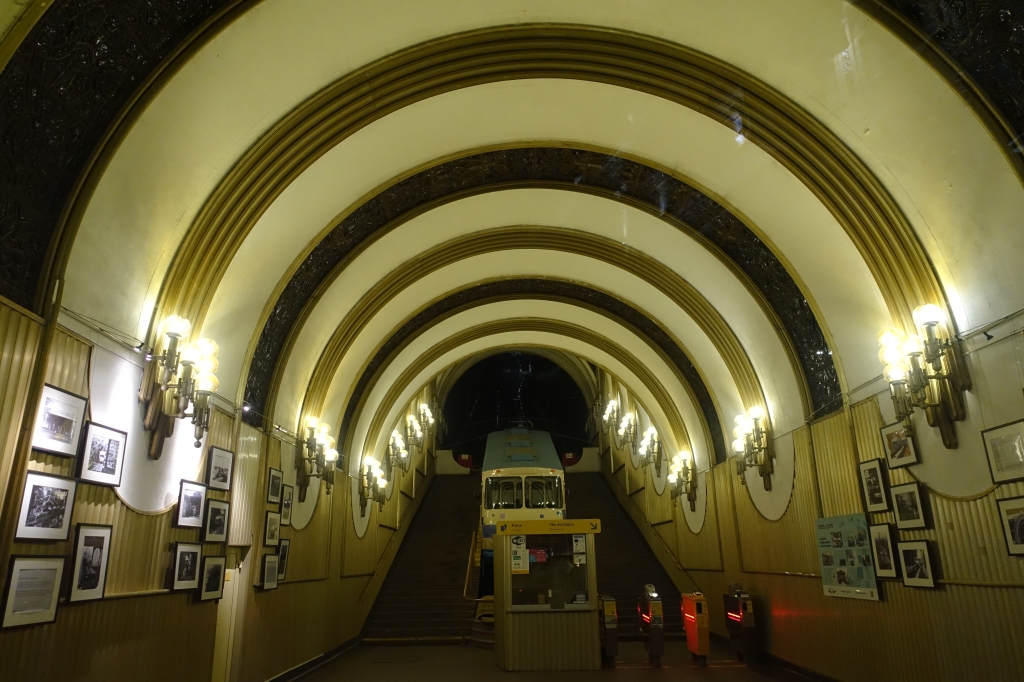
Connecting Podil with the historic city on a higher level is a funicular with beautifully designed stations dating from 1905

Whilst in Kyiv we took a day trip to Chernobyl (see separate blog) before catching the train westwards across Ukraine to Lviv

Lviv

Being close to the border with Poland, and previously having been part of the Austro-Hungary empire, and then ruled by Poland, it is not surprising Lviv feels very different from other Ukranian cities. The Soviet influence appears outwardly relatively minimal. The city has retained many of its art nouveau buildings and cobbled streets as well as a thriving coffee culture. Unsurprisingly, it is rapidly becoming a tourist centre similar in many respects to neighbouring Krakow in Poland. Like Krakow, it is also shares a very dark and violent history, especially in relation to both Nazi and Russian occupations (see the history/politics section below).

The Opera House
Views from the tower above the city hall (Ratusha)

One notable Lviv citizen was Leopold Von Sacher-Masoch, the original masochist who wrote Venus in Furs. There now stands a statue outside the Masoch Cafe wherein you can be whipped by obliging waitresses.

Lviv has a thriving book market situated under the statue of Ivan Fedorov, a pioneering 16th century Slavonic printer.

Waiting for the tram

Chernivitsi

From Lviv’s rather rundown railway station, we boarded a train for Chernivitsi via Ivano-Frankivsk, a city that amazingly was closed to outside visitors during Soviet rule until 1991, because in the nearby Carpathian hills they had installed intercontinental ballistic missiles aimed at the west.

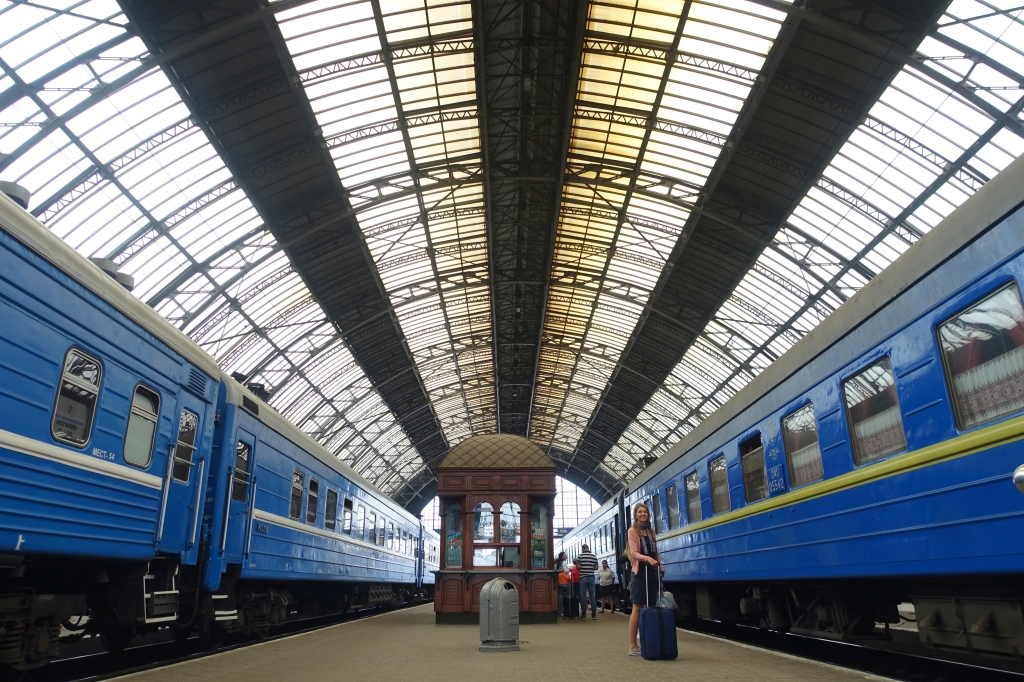
Ivano-Frankivsk station
Soviet designed government building in Ivano-Frankivsk

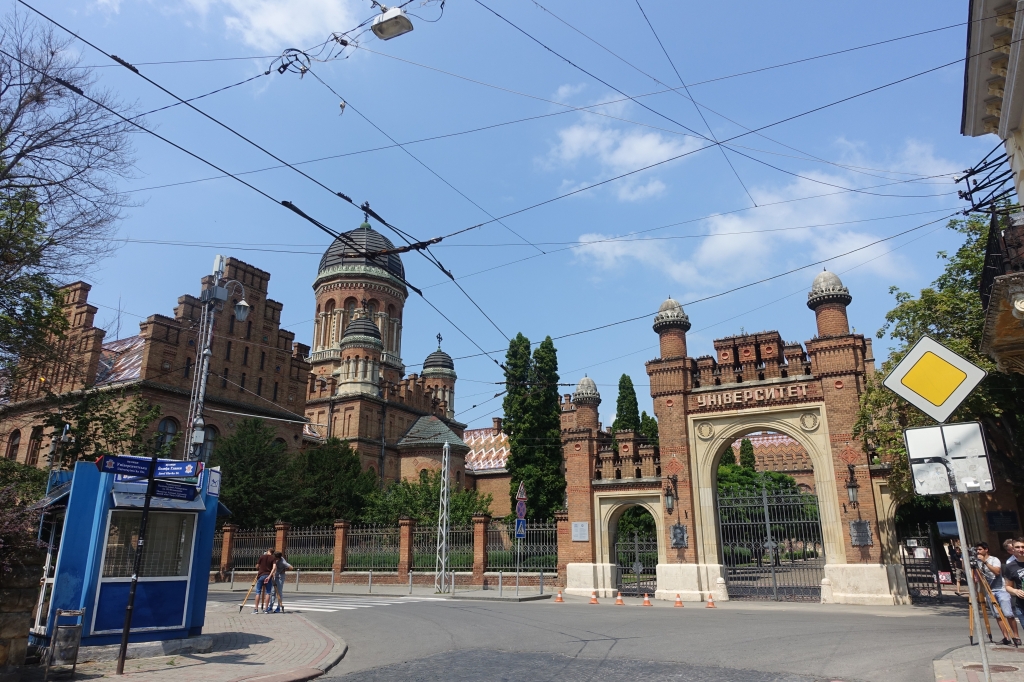
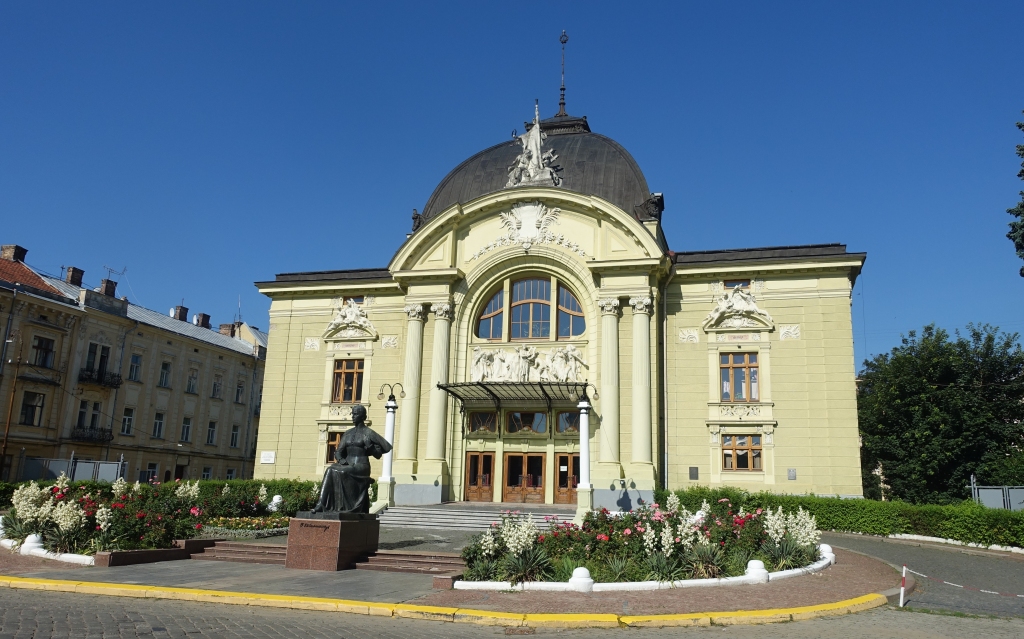
Chernivitsi is renowned for its UNESCO listed university completed in 1882. It also has a splendid opera house alongside some buildings dating from its days under Austro-Hungarian rule.

Chernivitsi University
Opera House
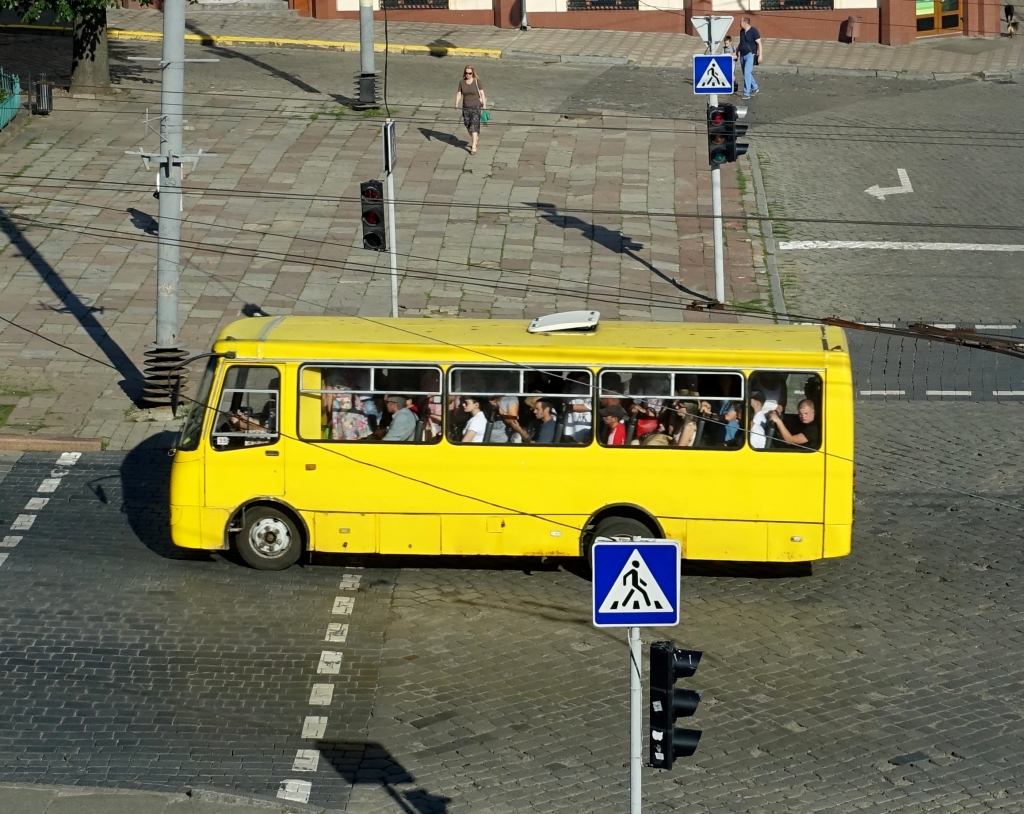
Early morning local bus
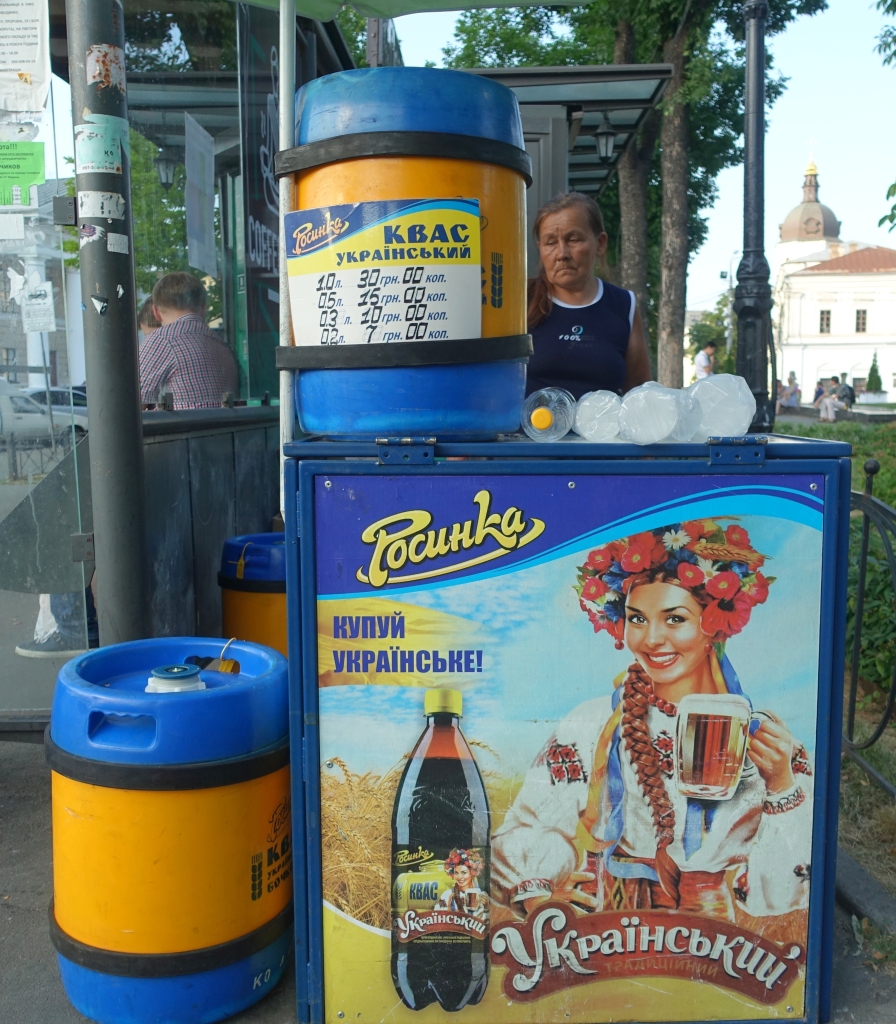
Fruit and flower street traders

A few general observations about Ukraine:

  • its drivers are extremely courteous, seemingly never failing to stop for pedestrians at crossings
  • public transport is very cheap (and often crowded)
  • restaurant food dishes are priced by weight
  • the cities are adorned by lots of green spaces and in the case of Odesa, tree lined boulevards
  • fresh fruit and vegetables are freely available from street traders
  • there are lots of statues although none left of Lenin or Stalin (other than at Chernobyl)
  • the Ukranian colours of blue and yellow are ubiquitous (which relates to the next section)
Buratino soda

History and Politics

Ukraine was part of the founding of the USSR in 1922 and after Russia, was the second most powerful republic. Any attempt to gain independence was ruthlessly suppressed by Stalin and during the period of agricultural collectivisation in the early 1930s, Ukraine experienced a terrible famine during which up to five million citizen died. Ukranian historians claim this ‘holdomor’ (Ukranian famine) was a form of genocide against the country.

During WW2, Ukraine was firstly occupied by Soviet Russia between 1939-41, then Nazi Germany and Romania between 1941-3 and finally by the Soviets again from 1943-4. Of the 7-8 million Ukranians who died during the war, over 1.5 million were Jews. Jewish cemeteries, and museums/memorials existed in all the cities we visited

History of Odesa Jews Museum
National Museum and Memorial to the Victime of the Occupation Lviv

The Lviv memorial Museum resides in the former prison used by both the Soviet NKVD and the Gestapo to imprison, torture and murder its (mostly political) inmates. In 1941, the NKVD shot over 1000 prisoners who were then buried in the prison grounds. It was still operating as a prison up to 1996, and has been kept in the same condition as when it was used to terrorise its inmates during previous decades. Visiting it was a grim but powerfully evocative experience.

The Great Patriotic War Museum Kyiv

The Great Patriotic War Museum was built to honour those who died and suffered during the defence of Kyiv in WW2. It contains some moving exhibits not least personal photos and letters from Ukranian soldiers and their families as pictured above.

Towering above the museum, and built at the same time as the prison in 1981 under the aegis of President Breznev (himself a Ukranian), is Rodina Mat, a 91 metres statue of a female warrior. She is meant to represent the ‘Nations Mother’ (the USSR?). We were able to reach its lower platform at 36 metres to enjoy a superb view across the city.

Rodina Mat

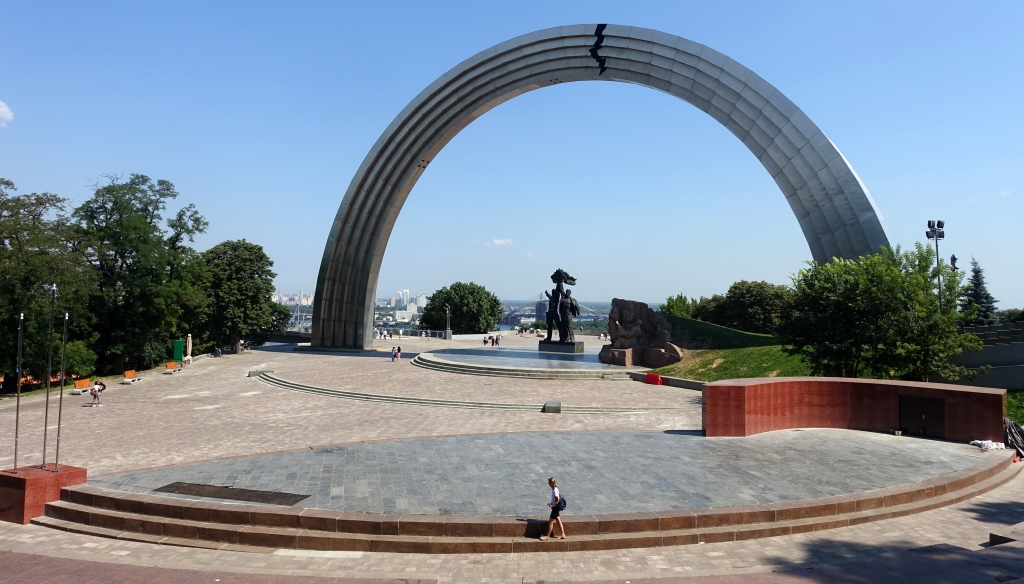
In Kyiv, a similar Soviet built monument is the Friendship Arch completed in 1982 to celebrate the 60th anniversary of the founding of the USSR. Plans to dismantle it were announced in 2016, but it is still standing.

Friendship Arch Kyiv
Vitali Klitschko, Mayor of Kyiv

Close to the Friendship Arch we came across Vitali Klischko, ex heavywight boxing champion of the world, and since 2014, Kyiv’s mayor. He was out for a cycle ride (without bodyguard) and was inspecting the new bridge linking the arch to Volodymyrska Hill and named after the man himself. https://112.international/society/new-pedestrian-bicycle-bridge-opened-in-kyiv-40086.html

The see through panels on the bridge were cordoned off .maybe because of the high temperatures?

Since gaining independence, Kyiv has been the site of two nationalist ‘revolutions’ sparked by protests at the continuing malign influence of Russia under President Putin. The ‘Orange Revolution‘ in 2004 was in response to the perceived rigging of the presidential elections in favour of the Russian backed candidate Viktor Yanukovych, as well as the poisoning of his main opponent, Viktor Yuschenko.

Yanukovych eventually triumphed in 2010, but his refusal to sign a trade agreement with the EU in 2013, led to the Maidan Revolution ( by supporters of the Euromaidan movement who favour Ukranian integration with Europe). The revolt culminated with Yanukovych fleeing to Russia the following year. Winter on Fire, a remarkable documentary about the events can be viewed on Netflix .http://euromaidanpress.com/2016/01/07/winter-on-fire-oscar-worthy-documentary-on-ukraines-euromaidan-revolution/

Kyiv’s Independence Square – sometimes known as Maidan (Ukranian for square or open space) continues to honour those who resisted and sometimes died, fighting against President Yanukovych. The corruption of his regime was only too evident when he fled Ukraine. Mezhyhirya his Kyiv estate, is full of extravagant wealth and indulgence, costing hundreds of millions of dollars (which now can be viewed on guided tours).

The Maidan
 A photo exhibit about the Maidan Revolution

Shortly after Yanukovych arrived in Russia, Putin organised the invasion of Ukraine, starting with the annexation of Crimea, an area with a high percentage of Russian speaking residents. Following the occupation of Crimea, Russian forces entered the Donbass Region in Eastern Ukraine and so began a conflict which continues to this day. We encountered many memorials honouring those who have died fighting against Russian forces. So far, there have been over 4000 Ukranian casualties since the war began

An exhibition about the Donbass War at the Patriotic War Museum in Kyiv
Tributes in Maidan Kyiv
Pictures of the war dead in Chernivitsi
One of many posters we saw demanding freedom for Ukranian/Crimean film maker Oleg Sentsov, detained in a Russia prison along with other Ukranian political prisoners

The further west you travel in Ukraine, the stronger is the support for independence from Russia and alignment with the EU and NATO.

70 years of NATO exhibition – oustside Lviv city hall

Meanwhile, back in Odesa there is clearly still a struggle between pro-Russian and pro nationalist/western supporters. Nearly a third of the city’s population are ethnic Russians, and Russian is the main spoken language. There has been a campaign to switch from Russian to Ukranian as the official language. We came across opposing political leaders whilst visiting the city.

Firstly, we encountered two of its leading politicians participating in a Pentecost parade. On the right in the photo below is Gennadiy Trukhanov who was elected mayor of Odesa in 2014. He has been called the ‘Don’ of Odesa. Since 2018, he has been under investigation for embezzlement following the release of the Panama Papers which exposed international money laundering. In addition, it was revealed that he is actually a Russian citizen. The BBC has reported on his membership of a Ukranian drugs gang, which has invested its profits in London property. https://www.bbc.co.uk/news/uk-43823962

In the centre of the picture is Serhiy Kivalov who shares a similar corrupt profile to Trukhanov, and it seems is also a close ally of the former disgraced President Yanukovich. https://www.occrp.org/en/paradisepapers/profiles/serhiy-kivalov

In another part of Odesa addressing a crowd by the Odesa steps, was Mikheil Saakashvili, former President of Georgia from 2004-12, and then Governor of Odesa from 2014-5 (after being granted Ukranian citizenship). He is widely perceived to be an opponent of Putin and supporter of the Euromaidan movement, and was only recently invited back to Ukraine by its newly elected President Volodymyr Zelensky

Mikheil Saakashvili,

Let’s hope the city, and Ukraine, can emerge from this period of conflict with Russia in a stronger more democratic state.

Vietnam: a country in flux

Travel blog

Motorcycle Mania

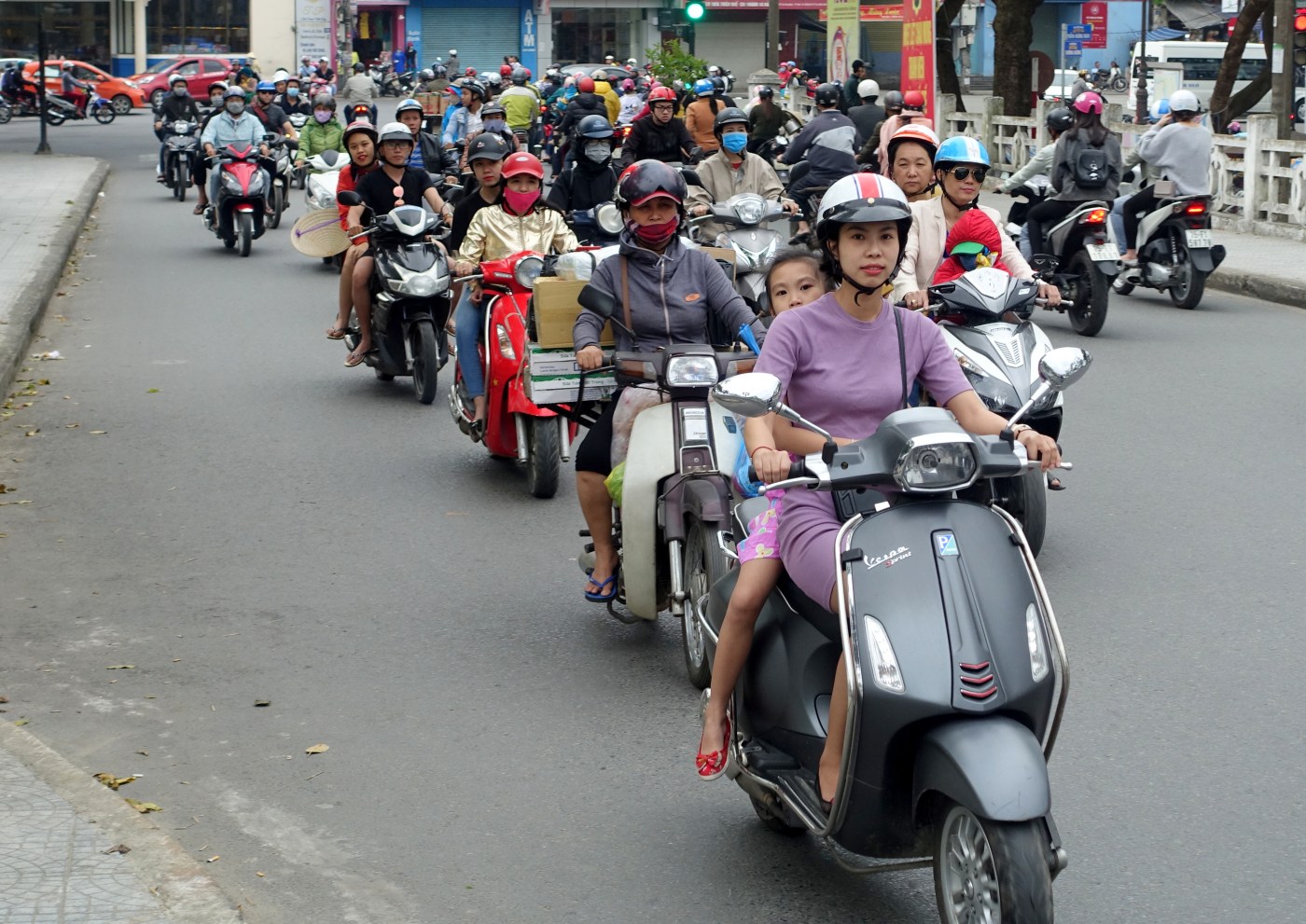
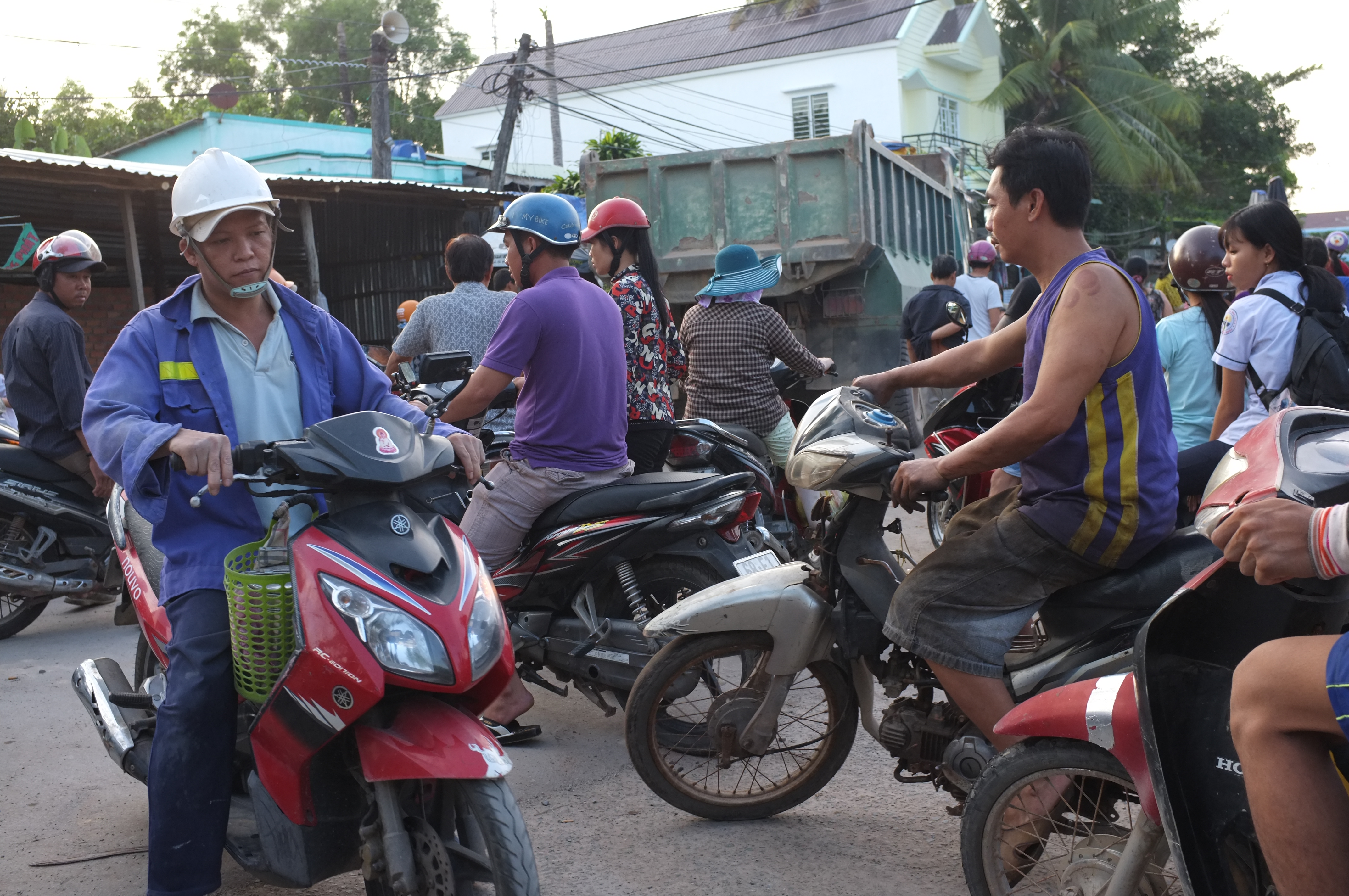
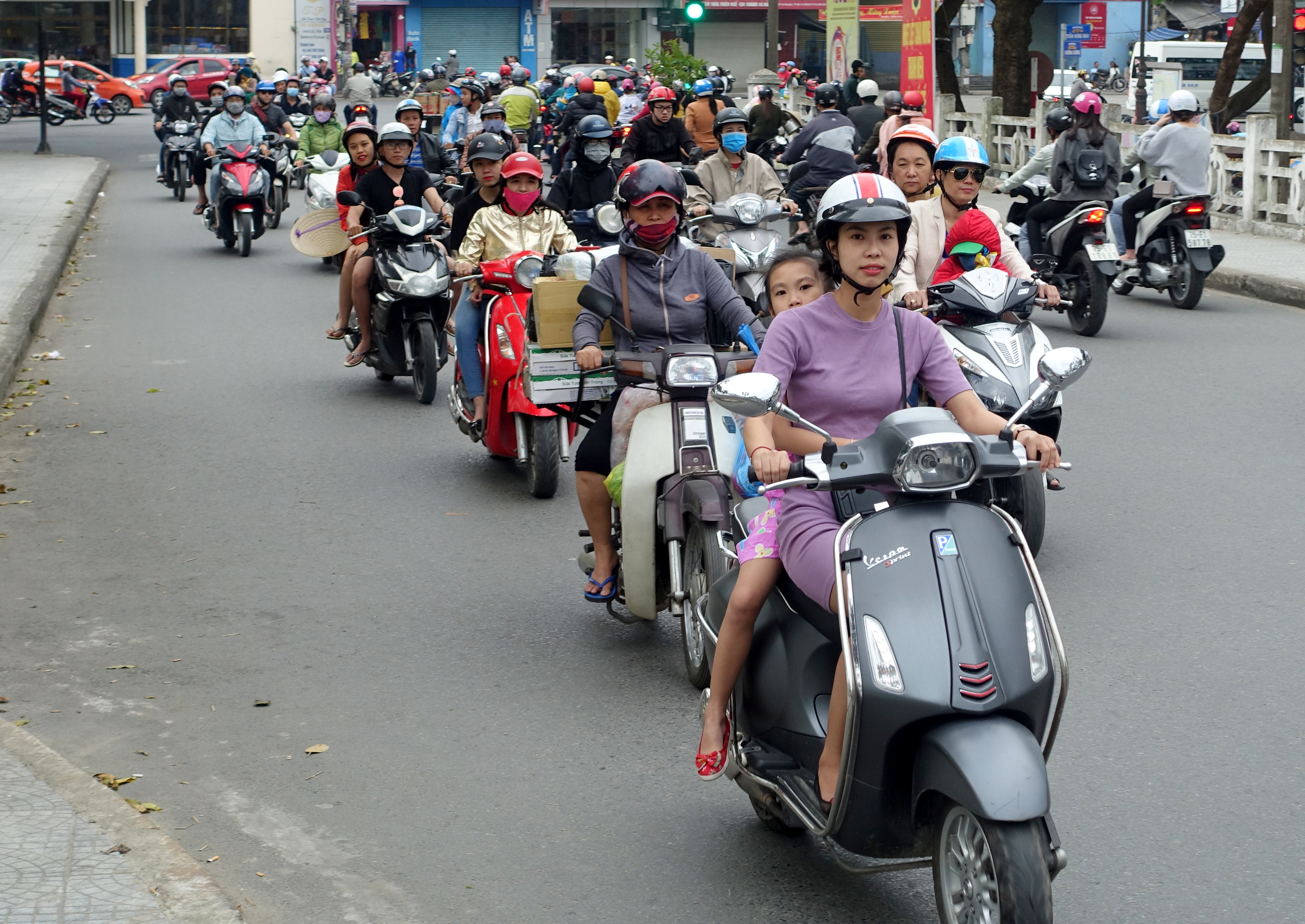
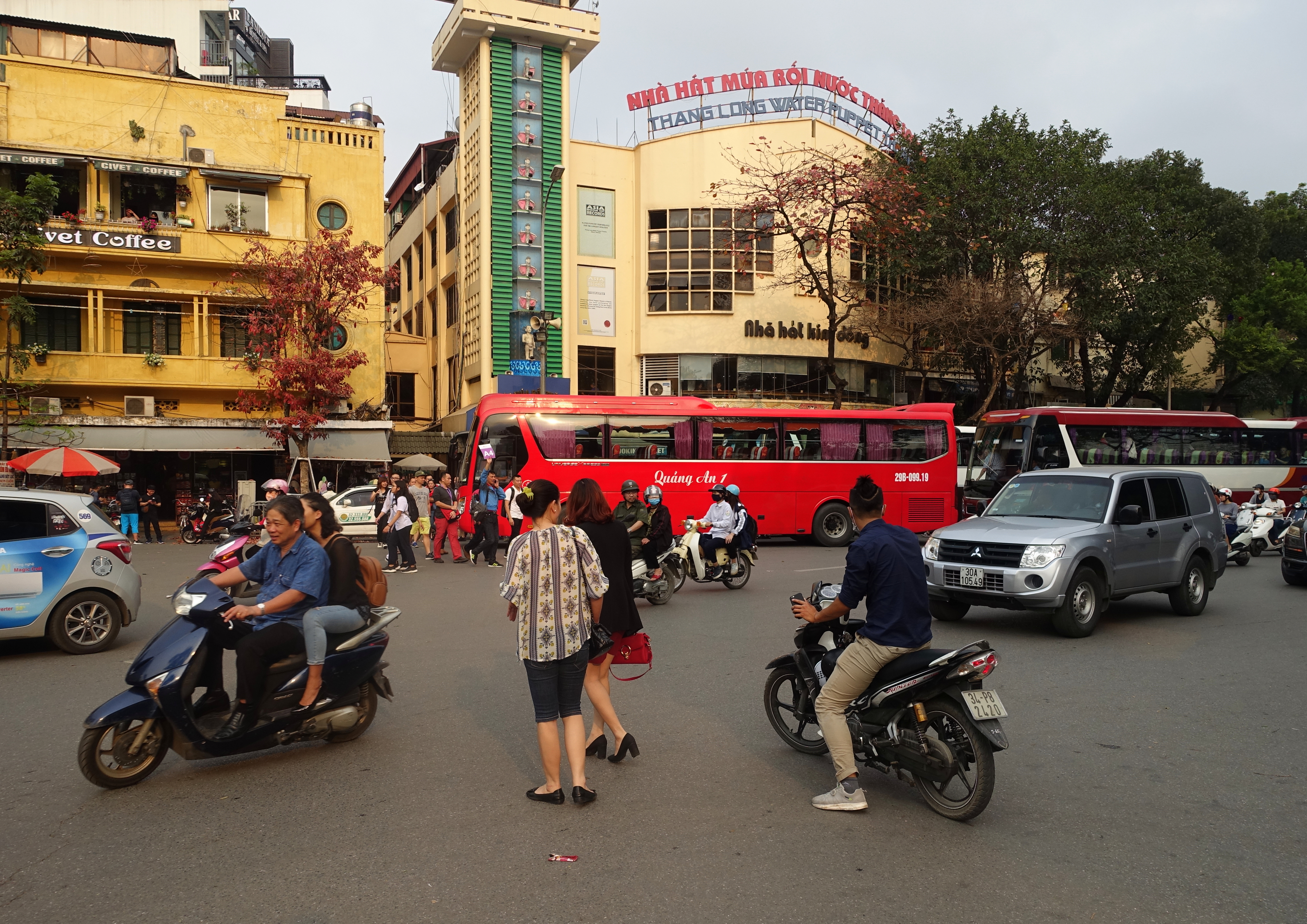
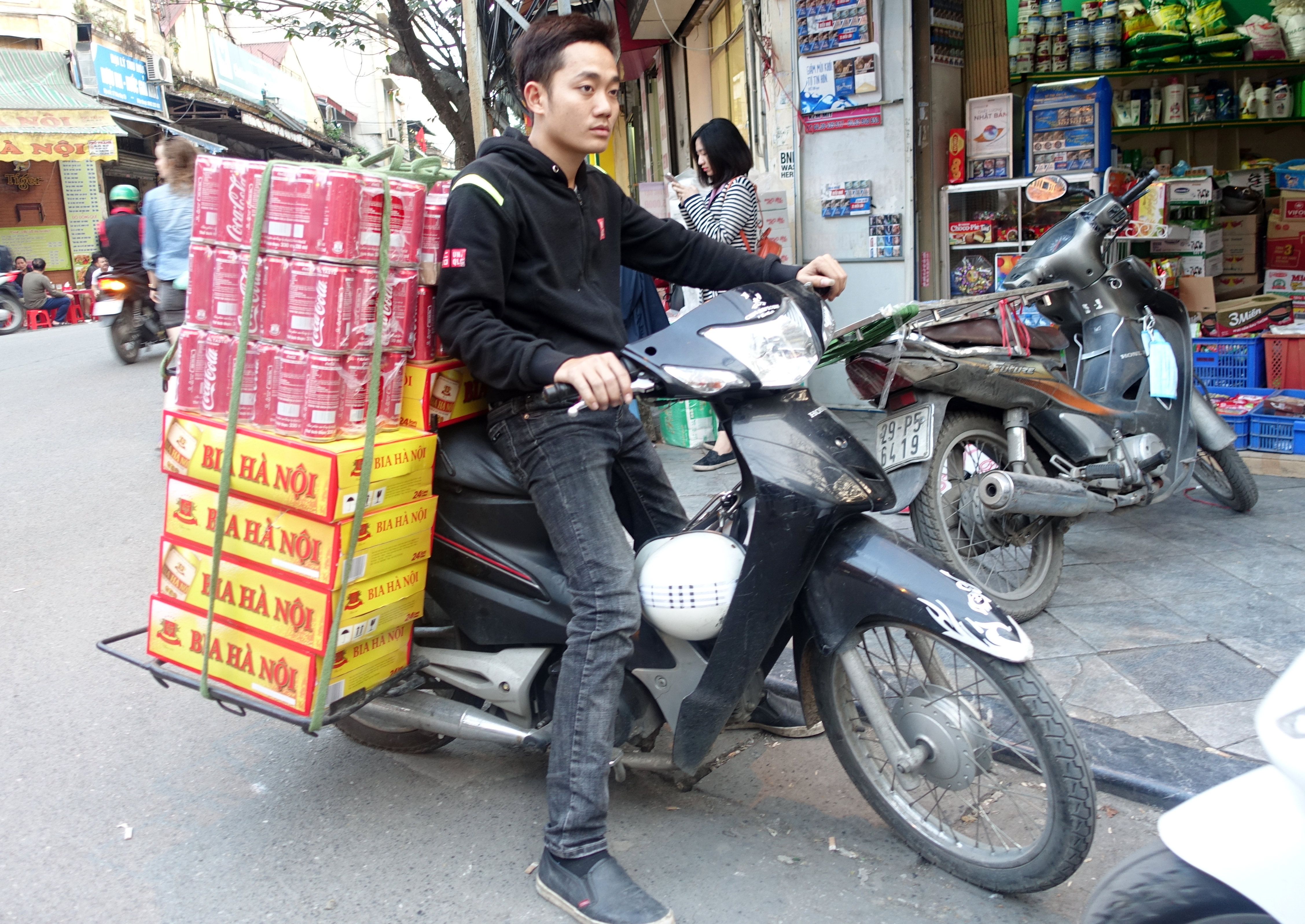
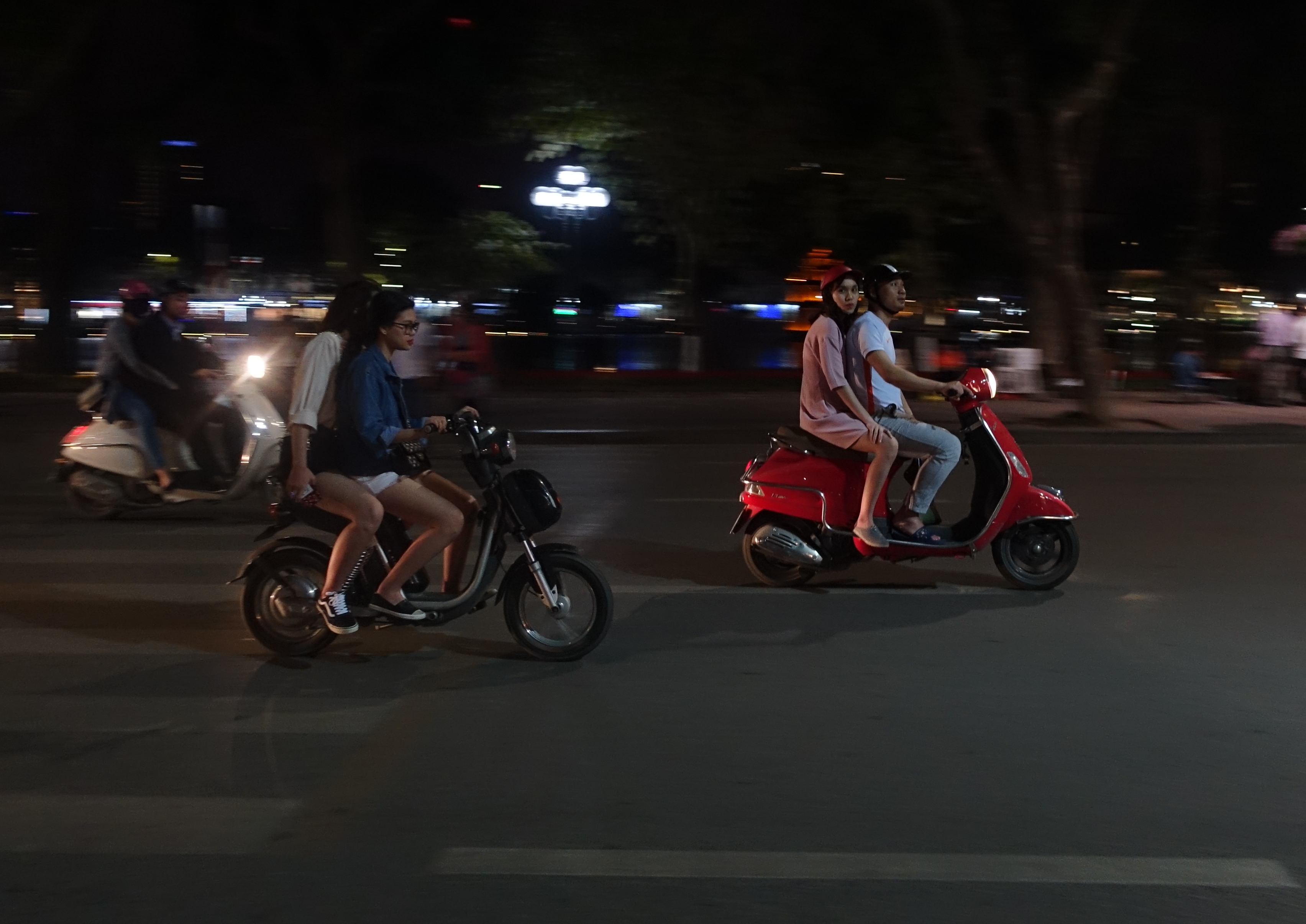
Arriving in Hanoi and stepping out on to the city’s streets is to experience a sensual assault which is unlike anything comparable in Europe. The most obvious difference is the overwhelming number of motorcycles. It is estimated that between them, Vietnam’s two major cities, Hanoi and Ho Chi Minh, have approxiamtely 12 million motorcycles. They are a formidable sight, especially when trying to cross the road, not least because they don’t slow down or stop for pedestrians, and rarely follow any lane discipline (including riding the wrong way on ‘one way streets’ and frequently mounting the pavement to avoid the traffic jams)

DSCF8683DSC00489

In Hue city the motorcyle wave appeared a little more orderly

DSC01031DSC00505

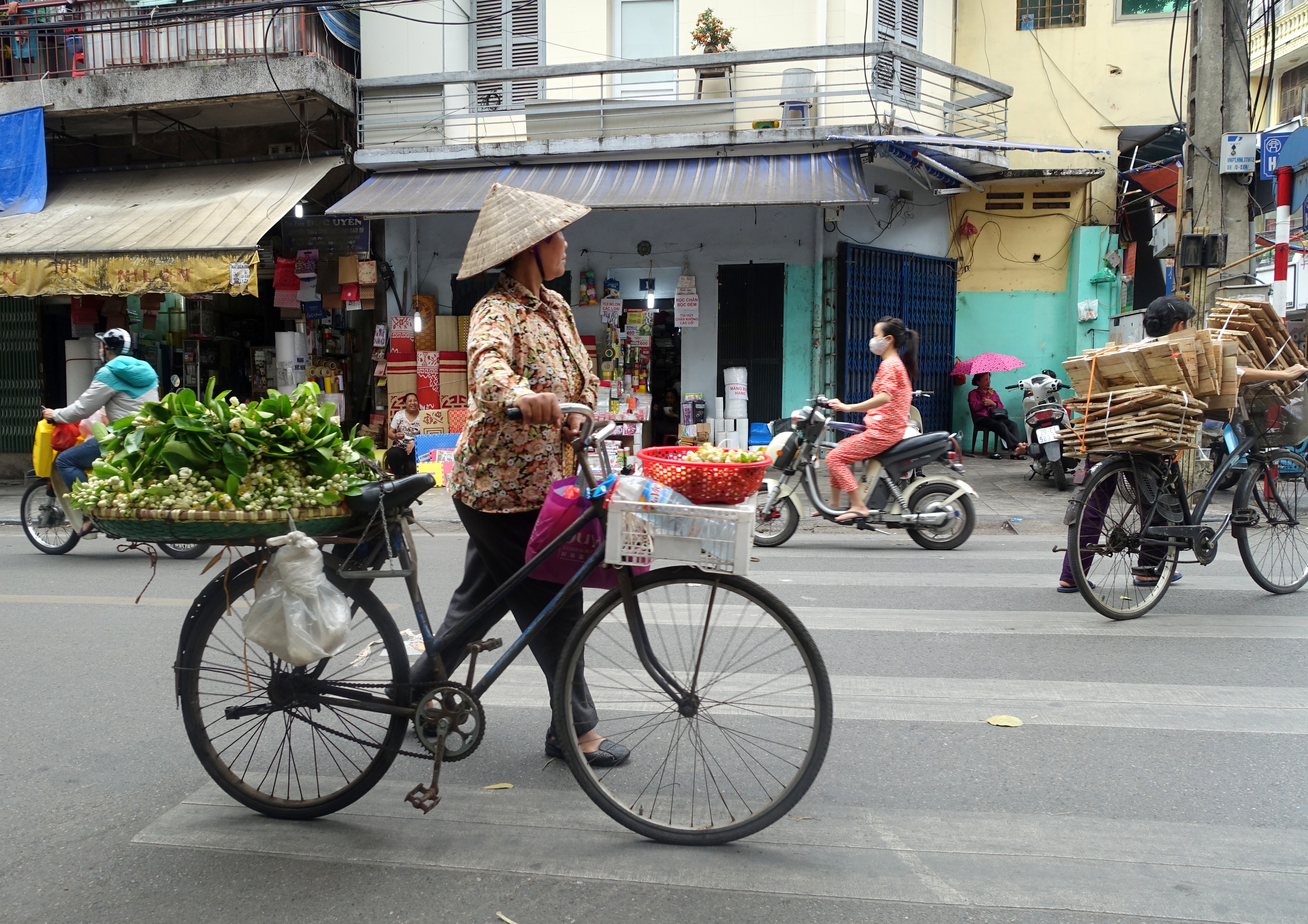
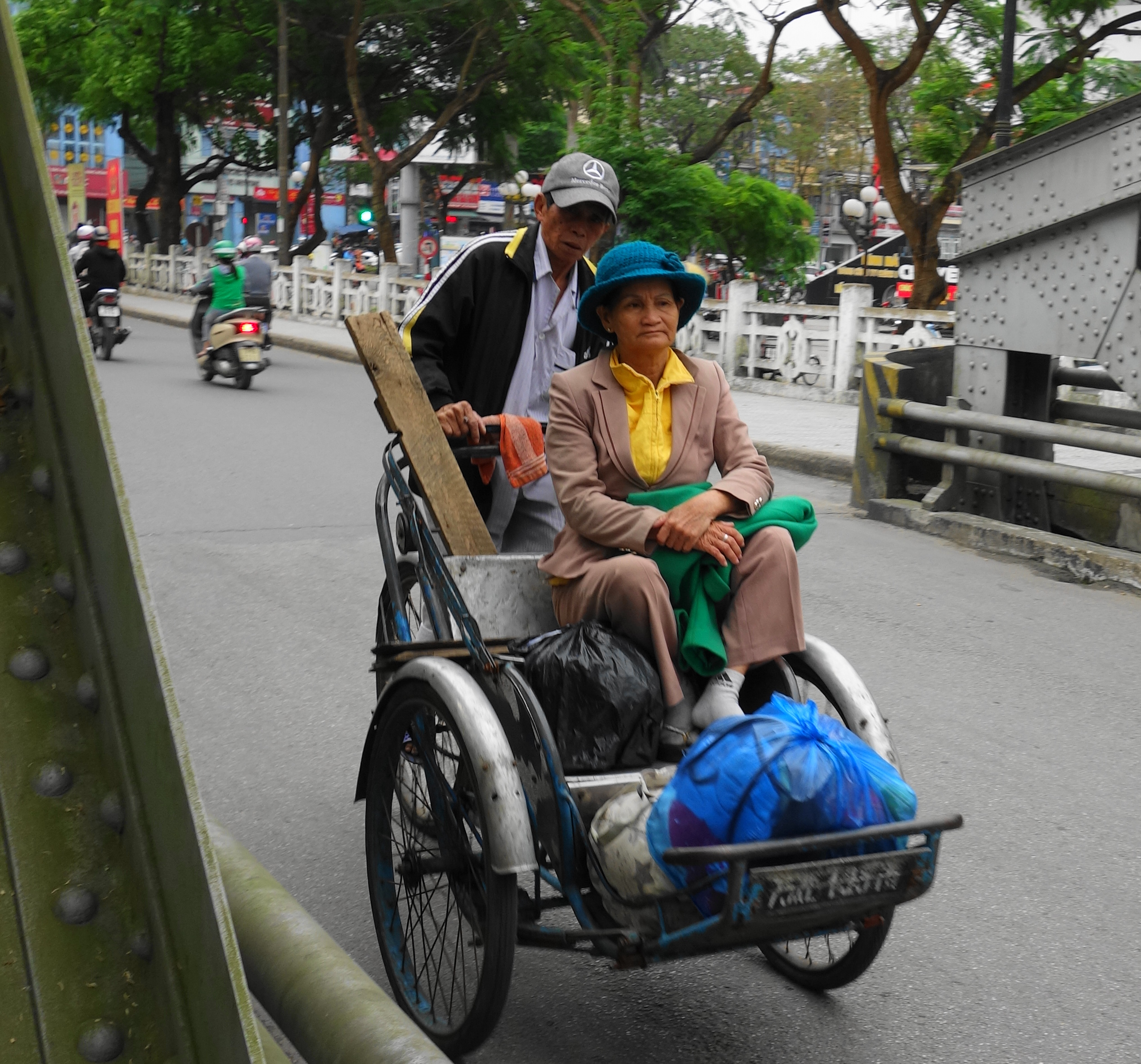
Every available space seems to be occupied by parked motor cycles. Until the 1990’s the bicycle was the main means of transport. There are still a few brave, often elderly, cyclists and pedestrians trying to navigate the streets alongside a growing number of cars.

DSC00507DSC00866

When attempting to cross the road, the key advice is not to stop or run as this will not be anticipated by the oncoming motorcycles and cars – just keep walking at a steady pace and the traffic will magically weave its way around you

DSC00710

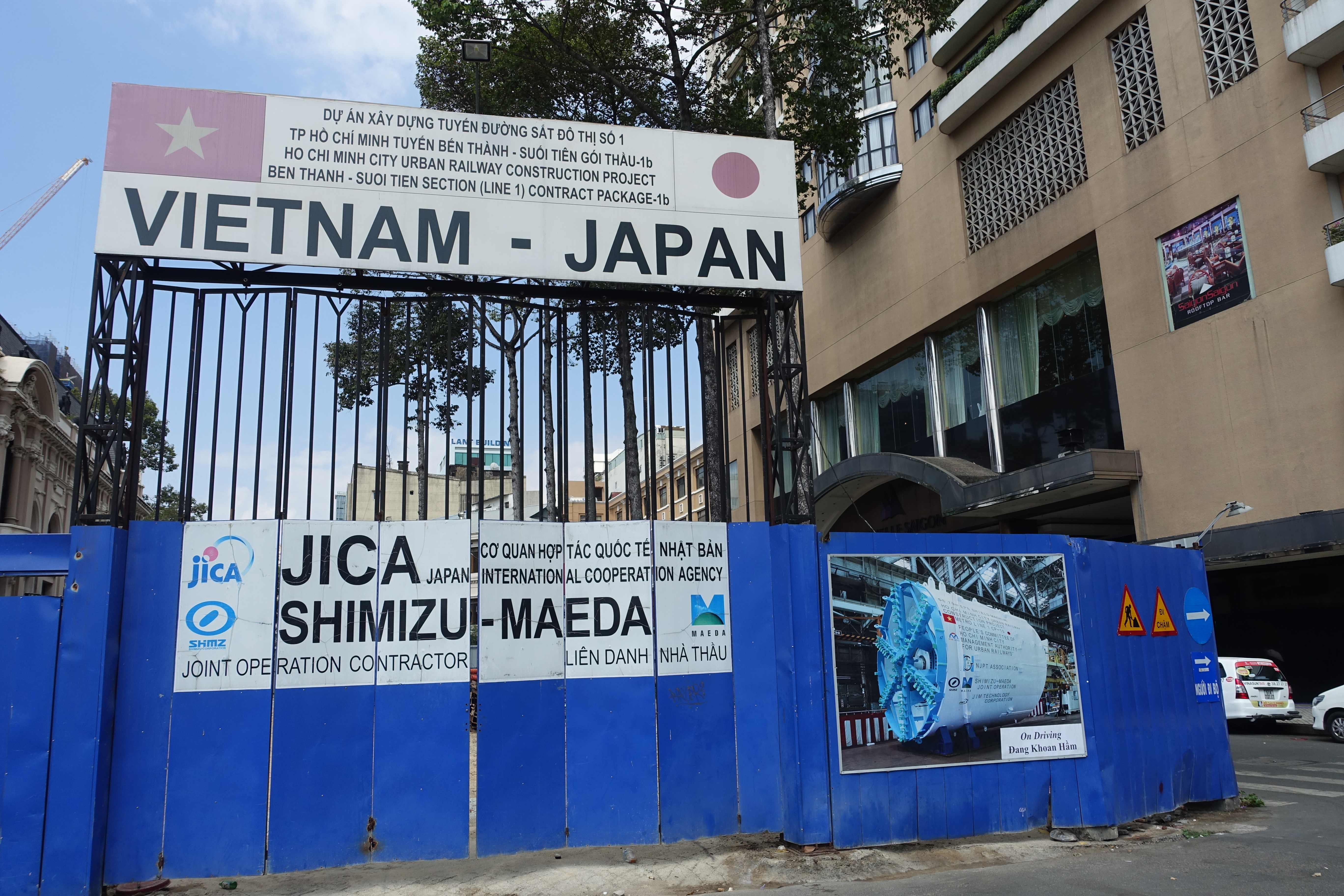
The (tourist) buses in the above picture are not a common site. Public tranpsort is severly lacking, although the authorities have woken up to the serious problem of poor air quality in the cities, and begun to invest heavily in a city metro service. The most ambitious scheme in Ho Chi Minh city was due to start service in 2014, but this has now been postponed to 2020.

DSC01293

Constructing the new metro on Ho Chi Minh city

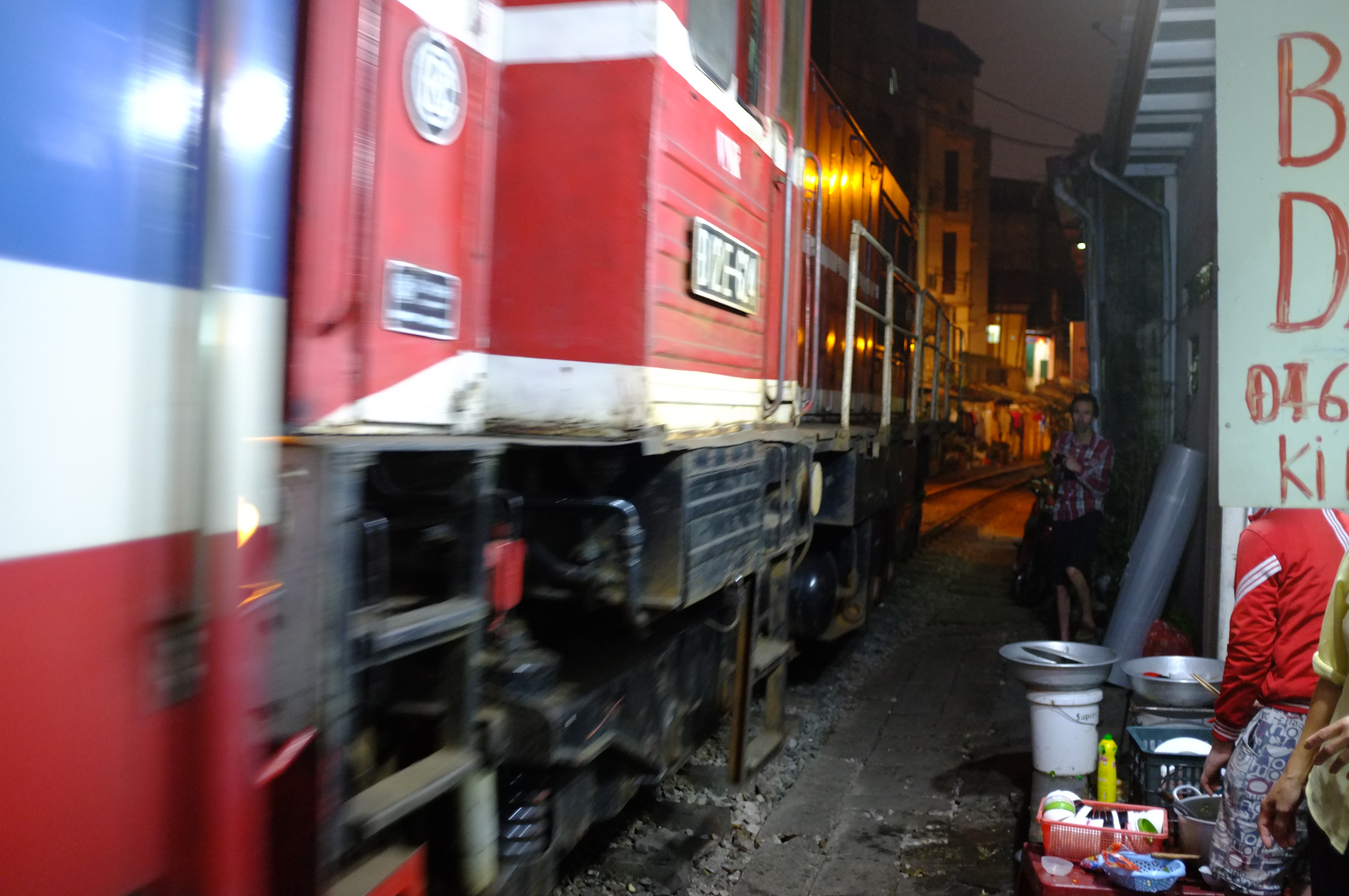
In Hanoi, the railway is an option for a few destinations. One of the main lines travels alongside the front doors of houses where the local residents can be seen brewing coffee and tending to chickens

DSC00584

DSC00925

A couple of minutes later, the evening express passes through

DSCF7859

It is possible to travel overnight from Hanoi in the north to Ho Chi Minh in the south – the so-called Reunification Express, a distance of over 1000 miles. We sampled it between Hue and Da Nang

DSC01067

DSC01065

Street Life

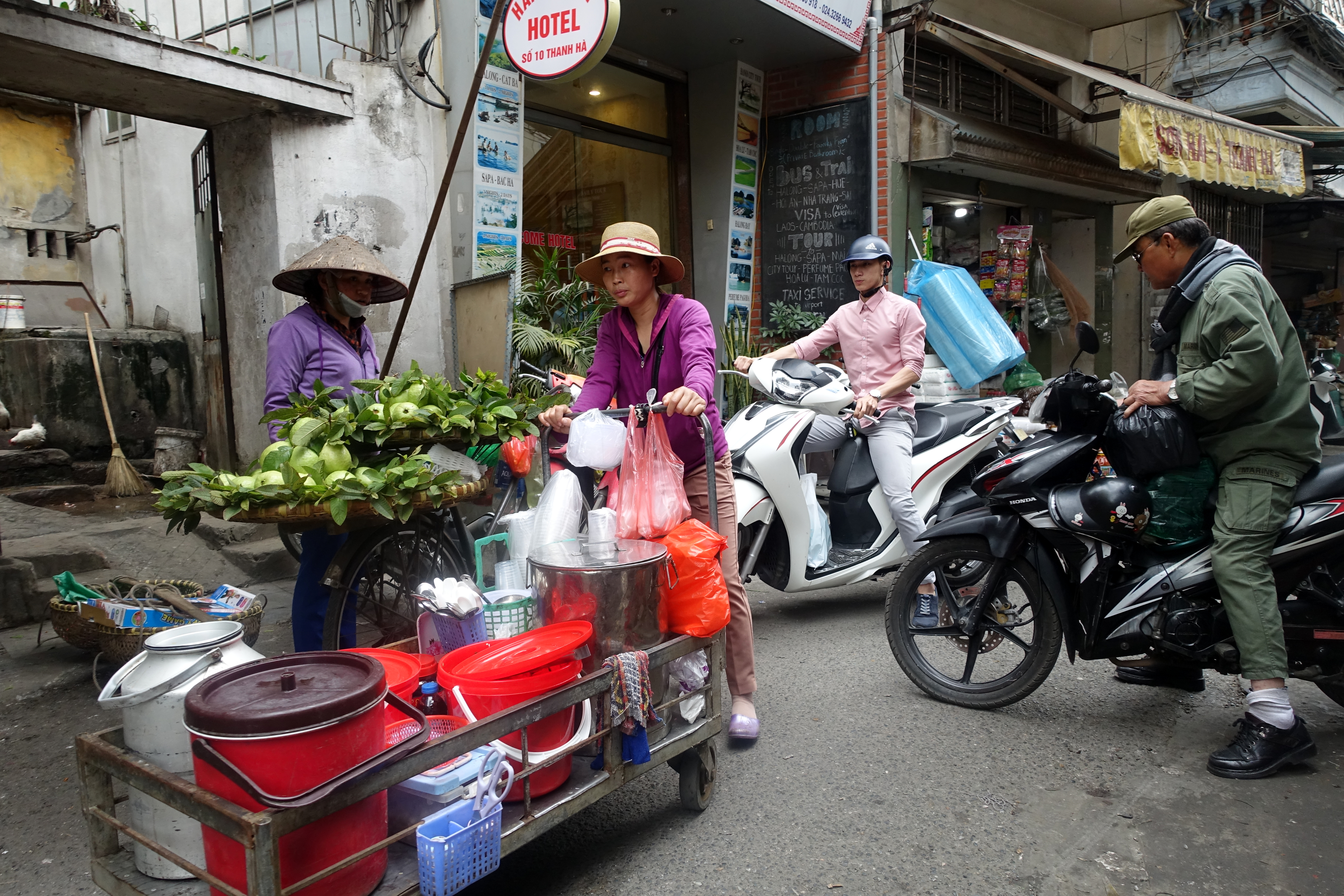
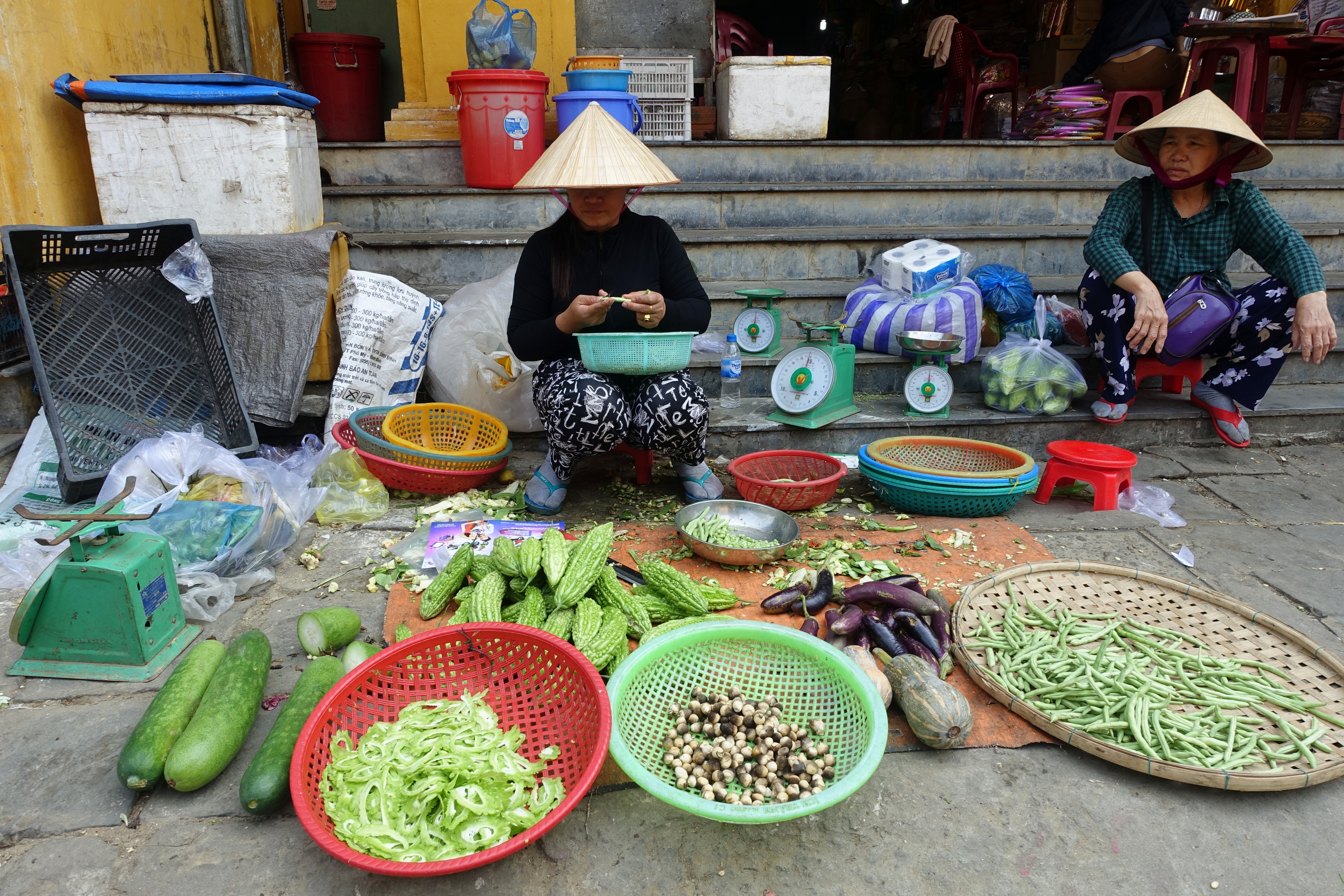
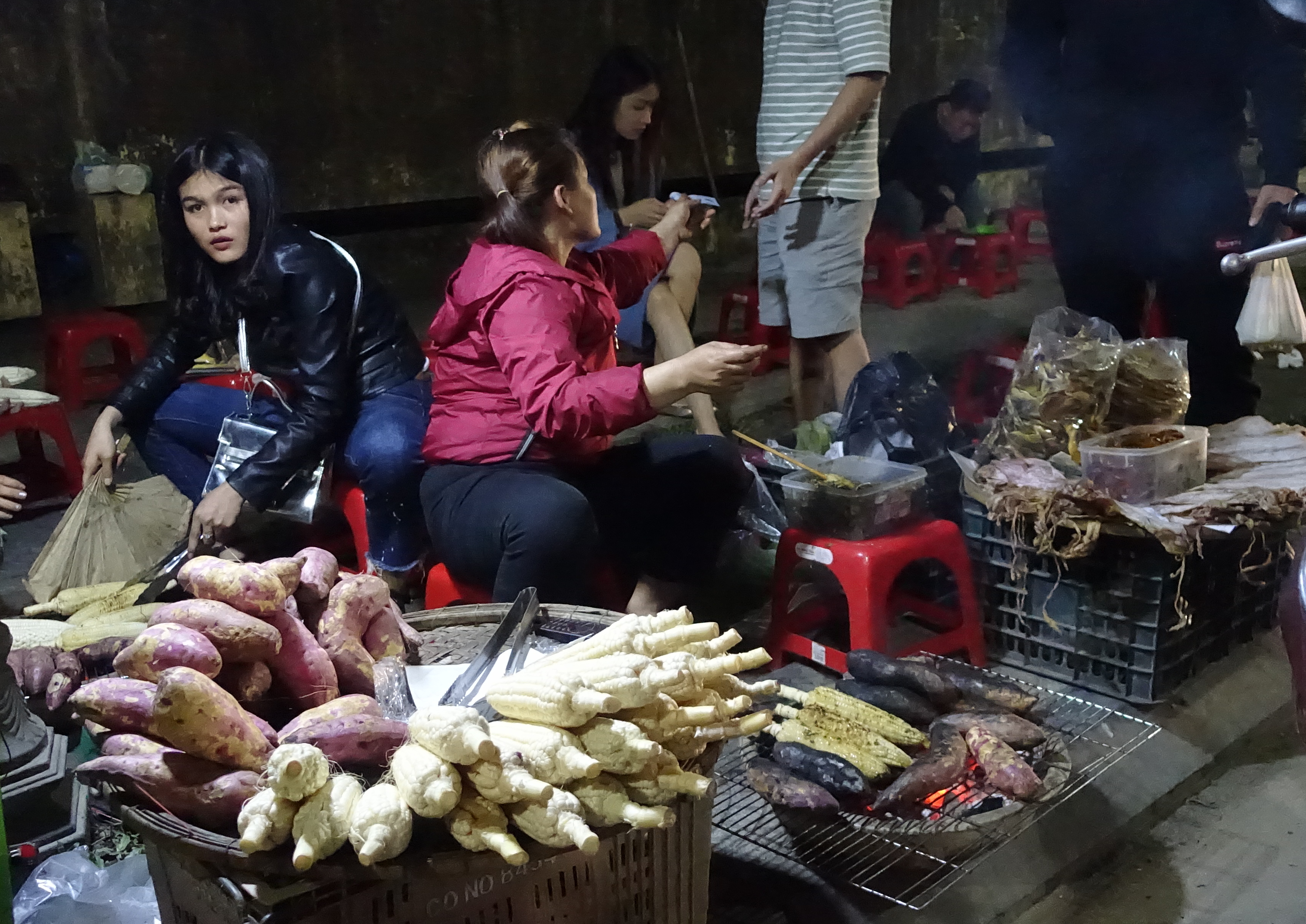
Vietnam is undergoing a period of rapid urbanisation – doubling from 20 to 40% of the population in the past twenty years. Many of its cities’ streets seem to replicate village life with families openly cooking, socialising  and trading. Indeed, there seems to be a constant stream of agricultural produce being transported along the streets by individual vendors or people delivering produce to the street markets, food stores and cafes/restaurants.

DSC00499DSC00518DSC00517DSC01111

DSC00859

Street markets can be found in every city and village.

DSC01411DSC01143DSC01050

DSC00491

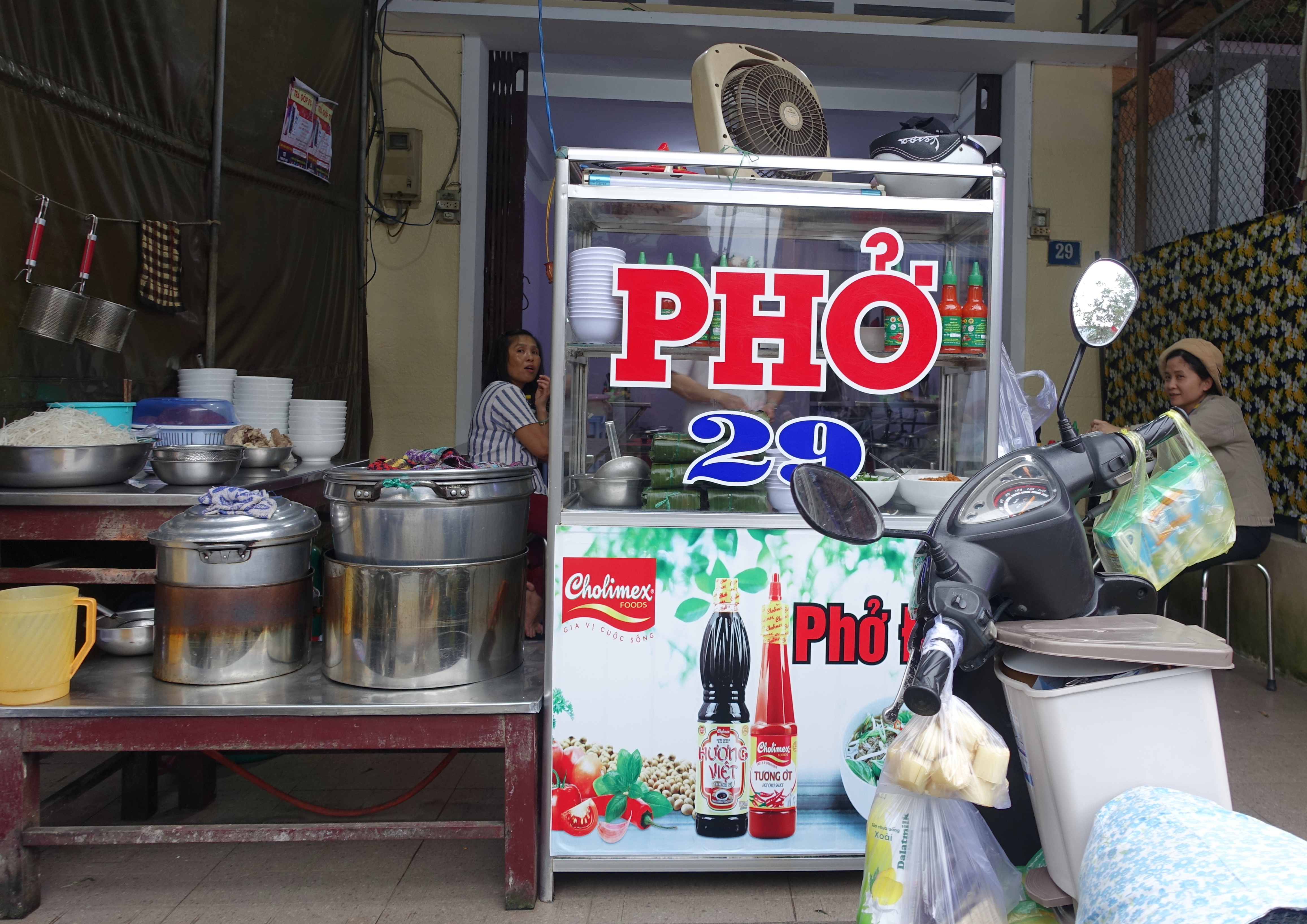
Of the many food vendors, the most common sight is Pho – a rice noodle soup with various meat and herbs added. It is eaten round the clock by the Vietnamese.

DSC01174

Aside from food, there are a range of personal services available including hair dressers who offer to clean your ears (of wax) as well as cut your hair

DSC01154

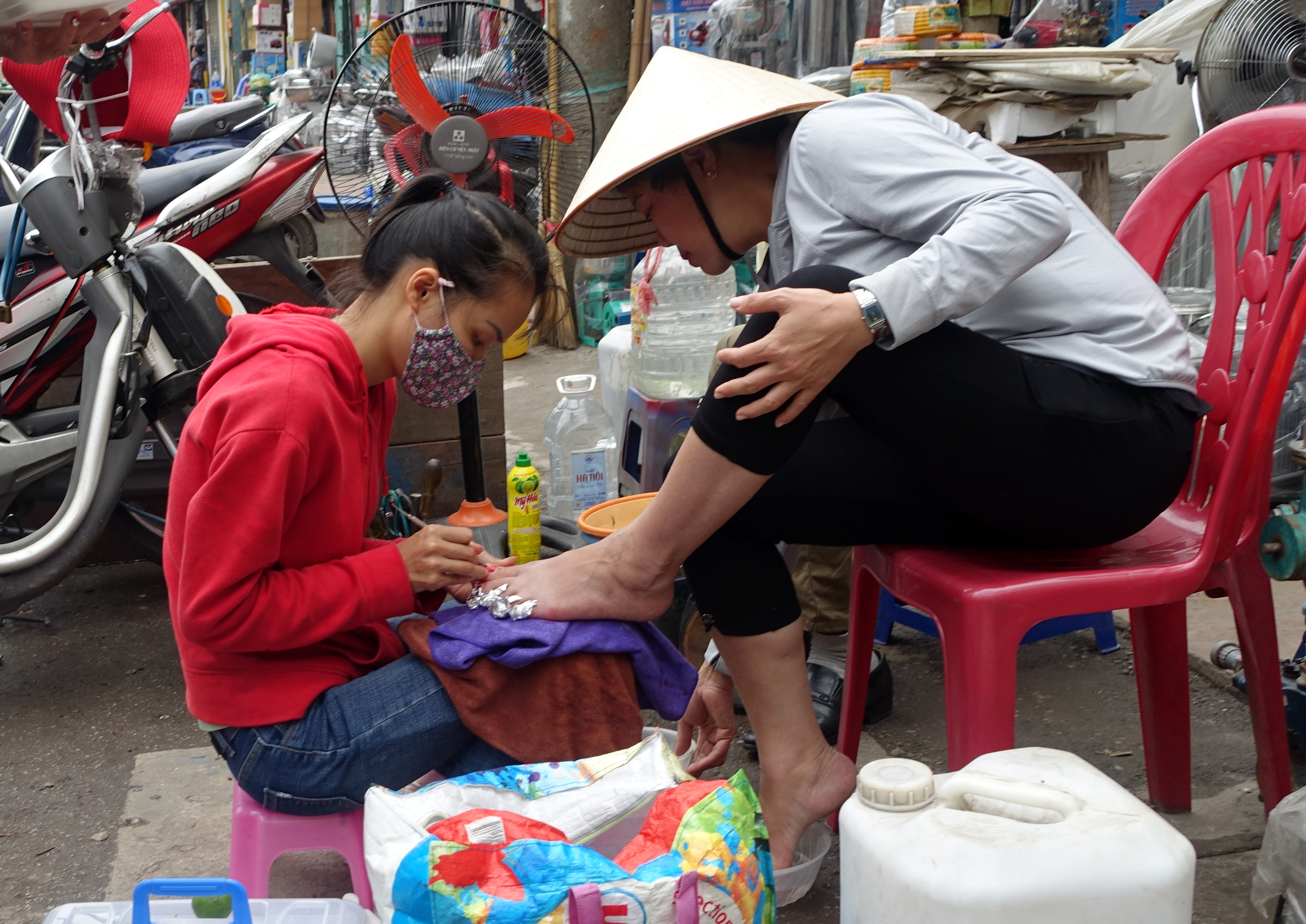
Personal massage services proliferate – the treatment of feet seems to be very popular

DSC01269

DSC00678

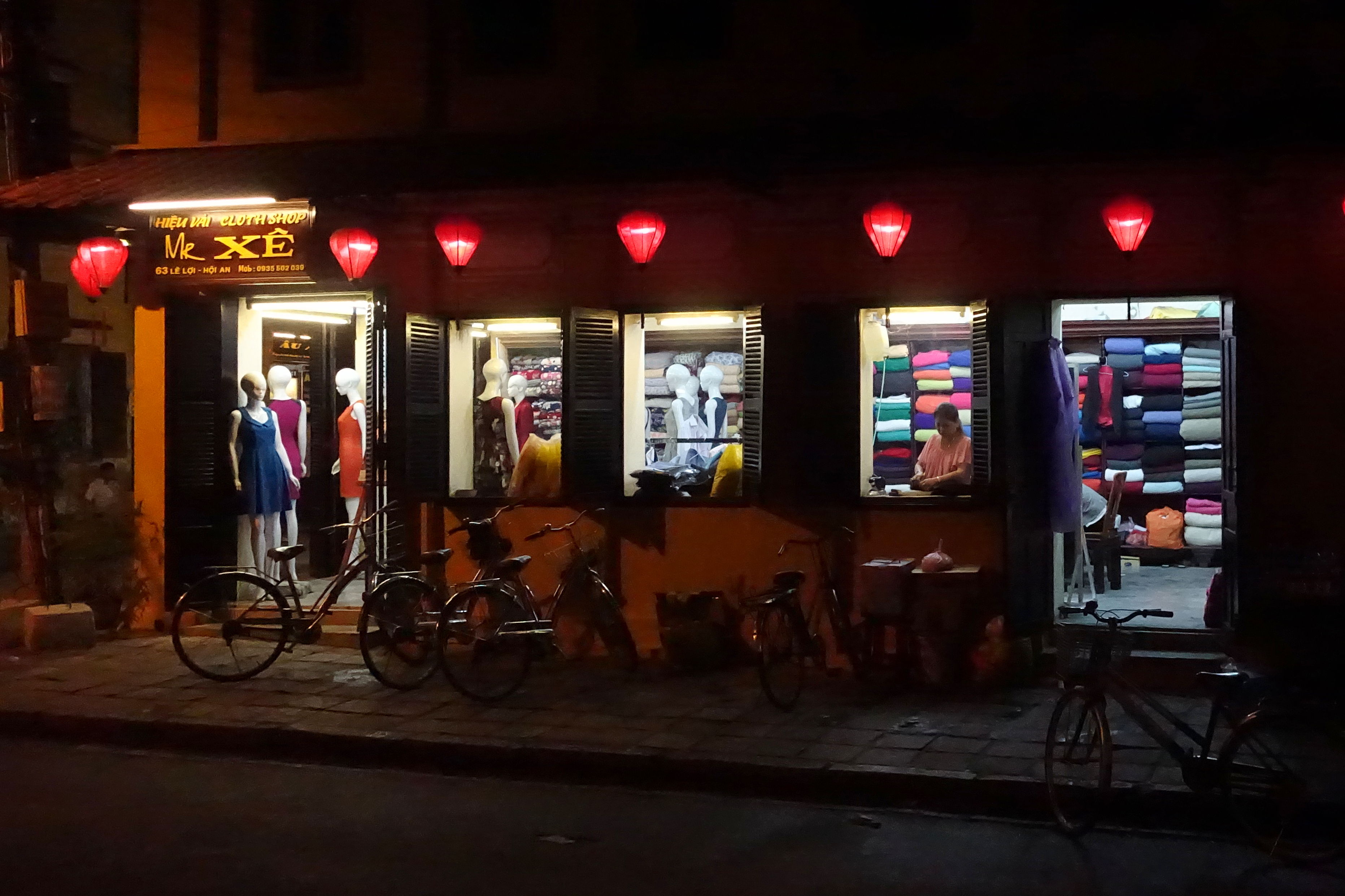
As with many Asian countries, hand made clothes is a thriving industry, especially in tourist cities like Hoi An

DSC00611

DSC01198

What is very clear from walking the streets in Vietnam is that its people are very industrious – working very long hours, and despite officially having a communist economic system, there is an irrepressible DIY entrepreneurial spirit.

DSC01160

Politics and history

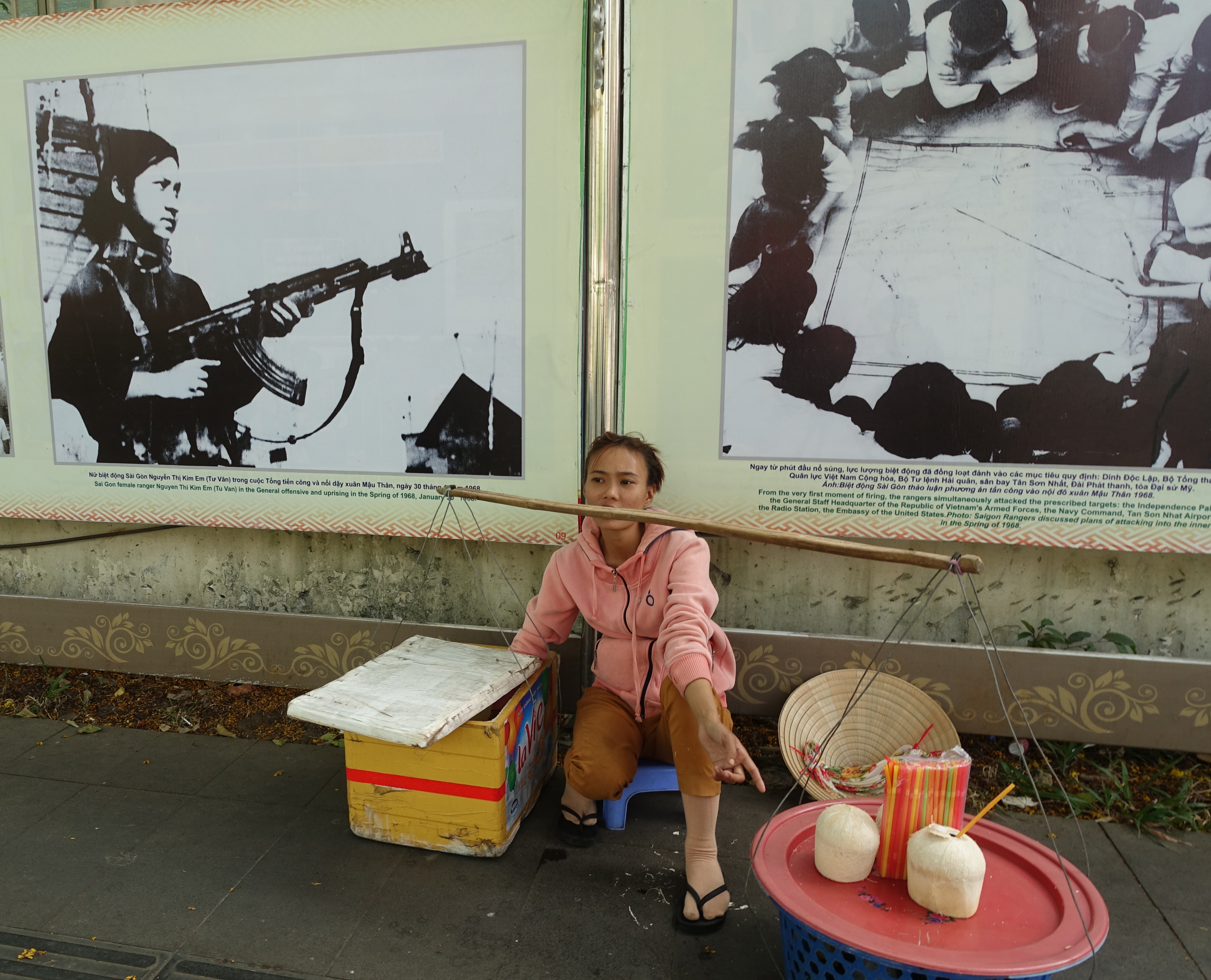
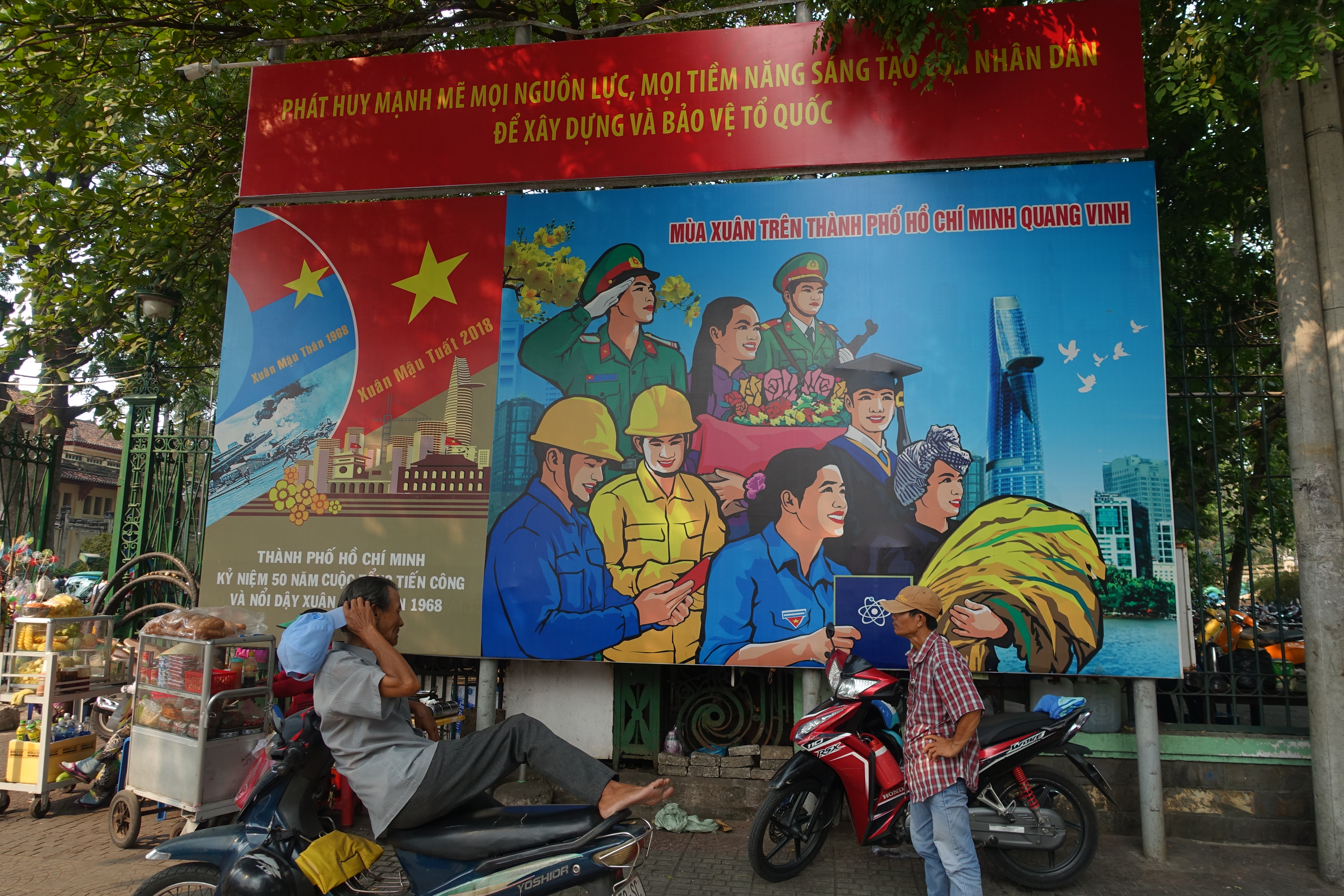
Whilst Vietnam is rapidly modernising with many of the outward signs of a global capitalist economy, it is still apparent that the Communist Party holds sway. 2018 is being marked as the 50th annivserary of the Tet Offensive when the Communist north launched a huge offensive against the south which many see as the key turning point of what the Vietnamese call the American War of 1964-75.

DSC01262

DSC01304

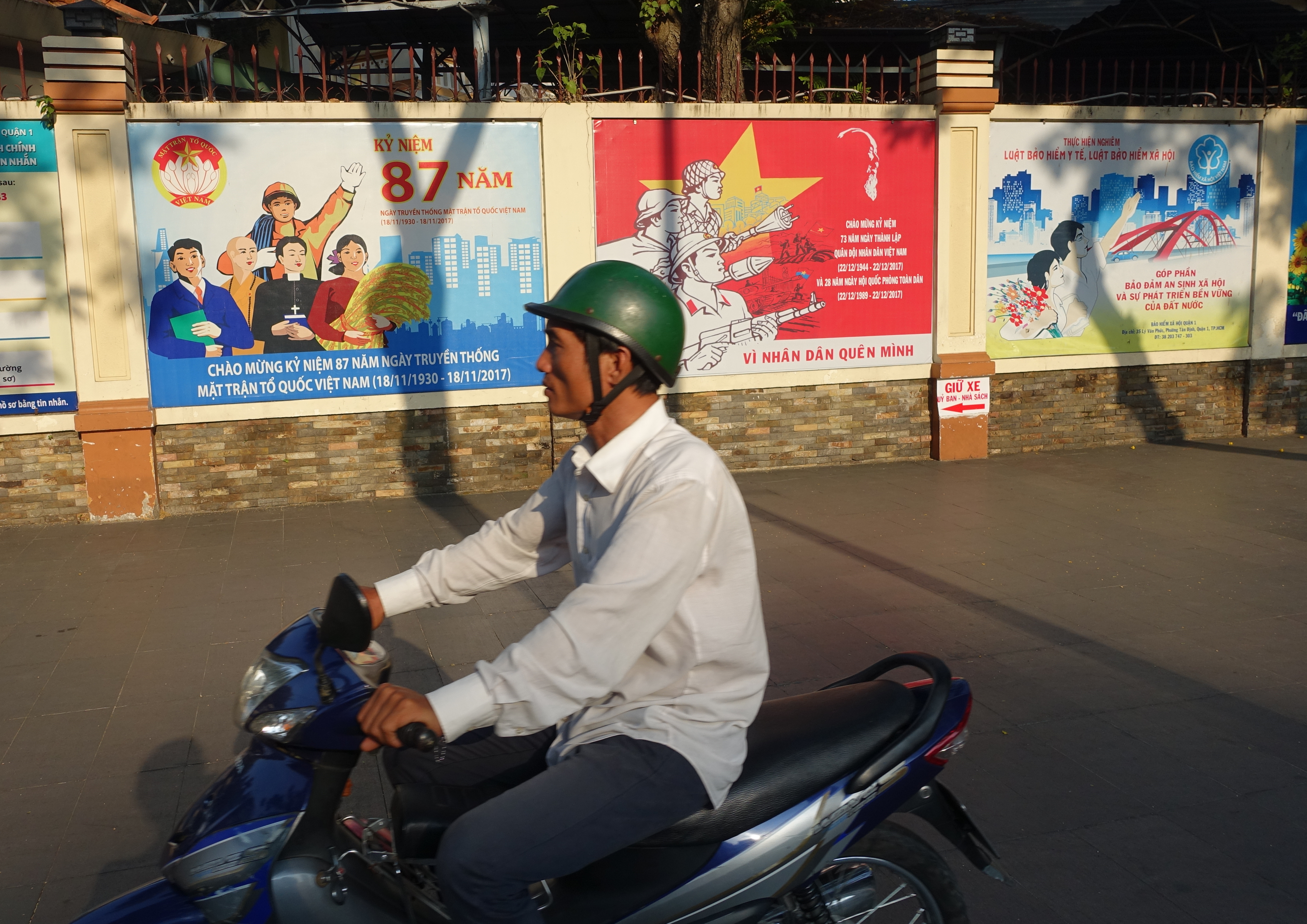
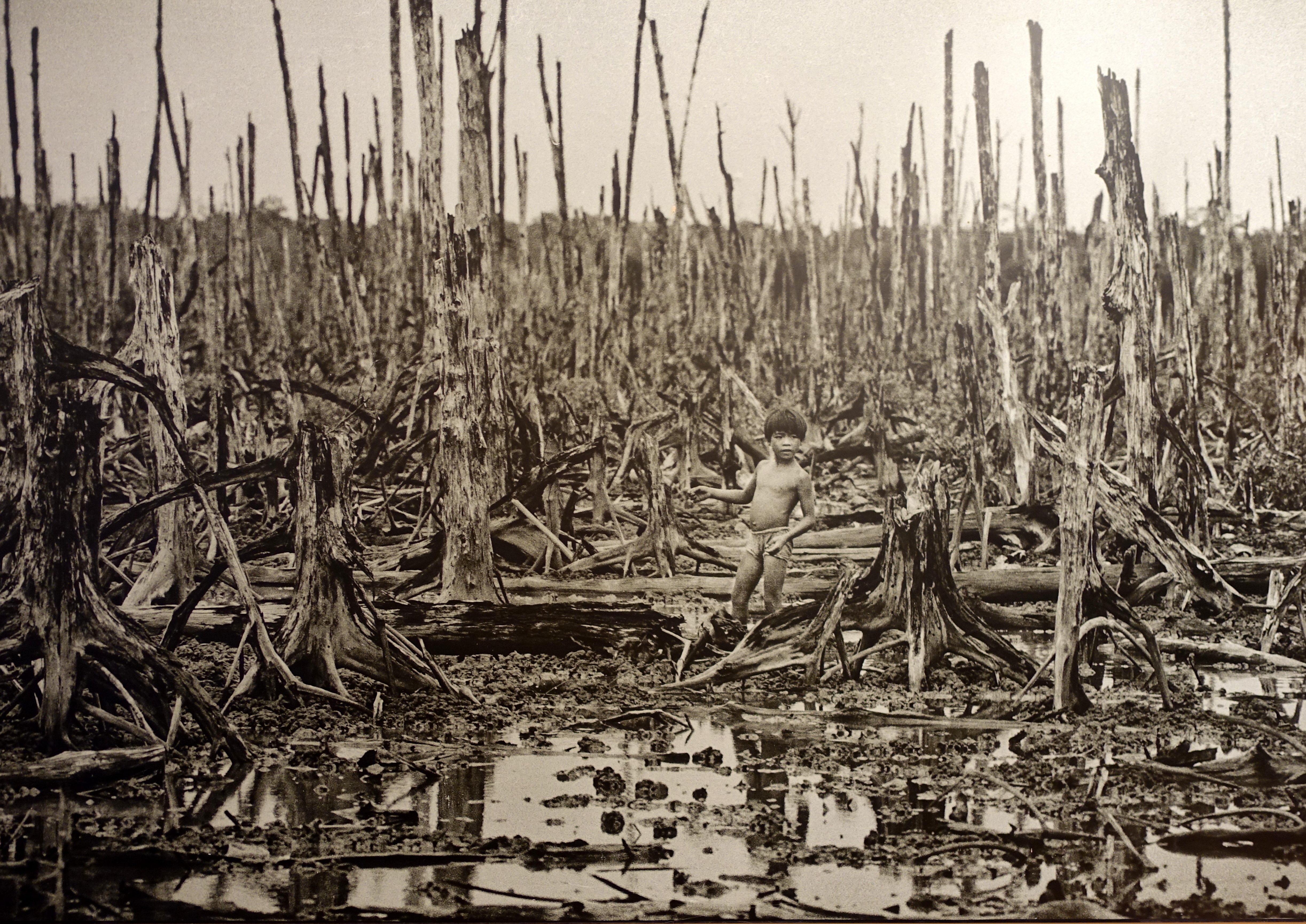
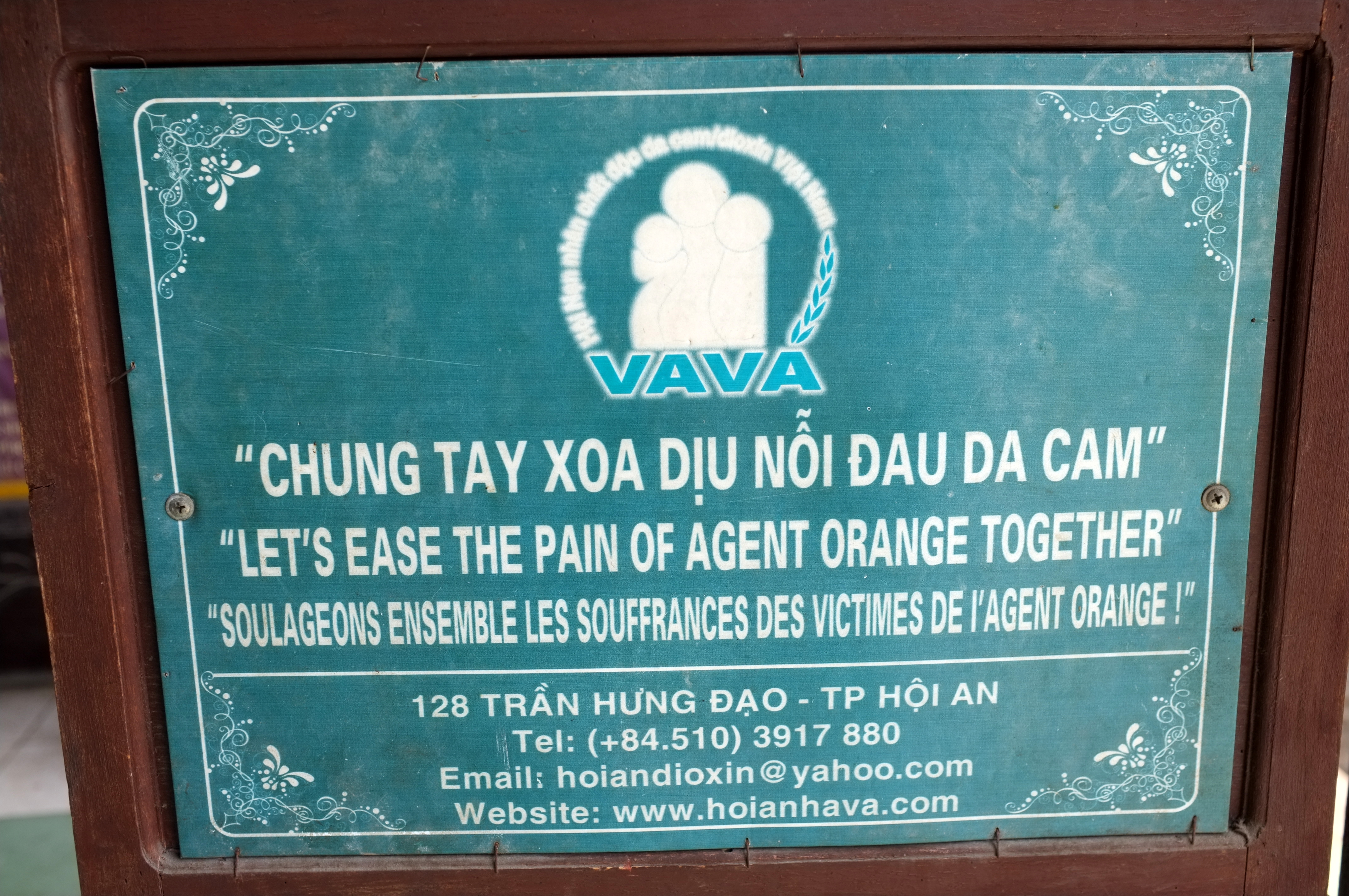
Memories of the occupation of Vietnam by both France and the USA are very much kept alive throughout the country. For example, there is the War Remnants Museum in Ho Chi Minh City, still known locally by its former name of Saigon, which contains a special exhibition of the devestation of the country caused by chemical weapons such as Agent Orange

DSC01217

DSCF8267

In Hanoi, Maison Centrale houses the prison built by the French to incarcerate local rebels, and then later employed by the Communists to house American POWs (nicknamed the ‘Hanoi Hilton’) such as future presidential candidate John McCain

DSC00682

Depicting the French torture of Vietnamese

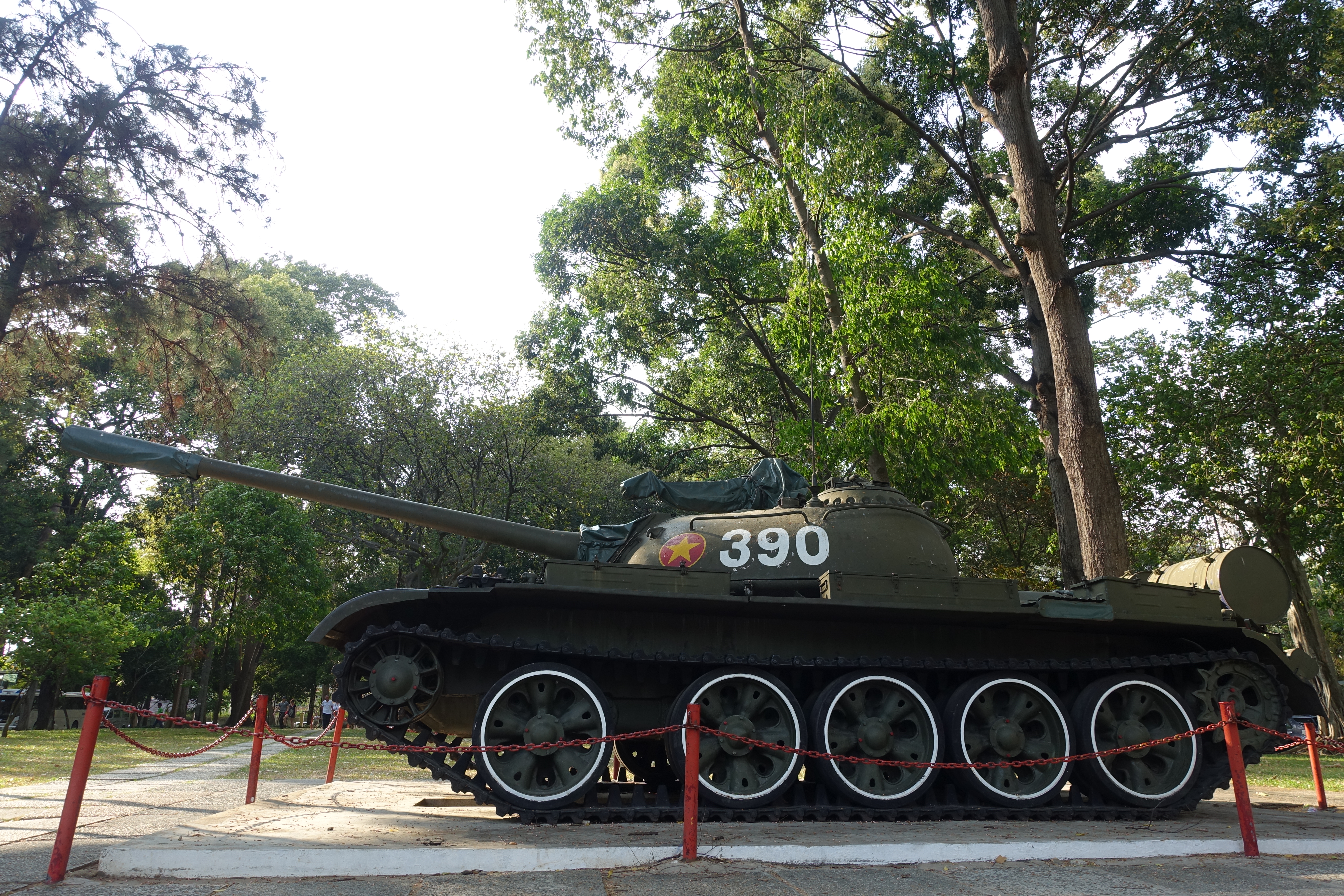
In Ho Chi Minh City, the old presidential palace, now renamed the Independence or Reunification Palace, has been preserved so vistors can see the opulence in which the doomed South Vietnamese President Van Thieu resided, before North Vietnam forces eventually triumphed in April 1975 – the tank which broke through the gates of the Palace still resides within the Palace grounds.

DSC01247

The Presidential Palace cinema – The ‘Green Berets’ was reputedly the President’s favourite film

DSC01249

The tank that smashed through the palace gates

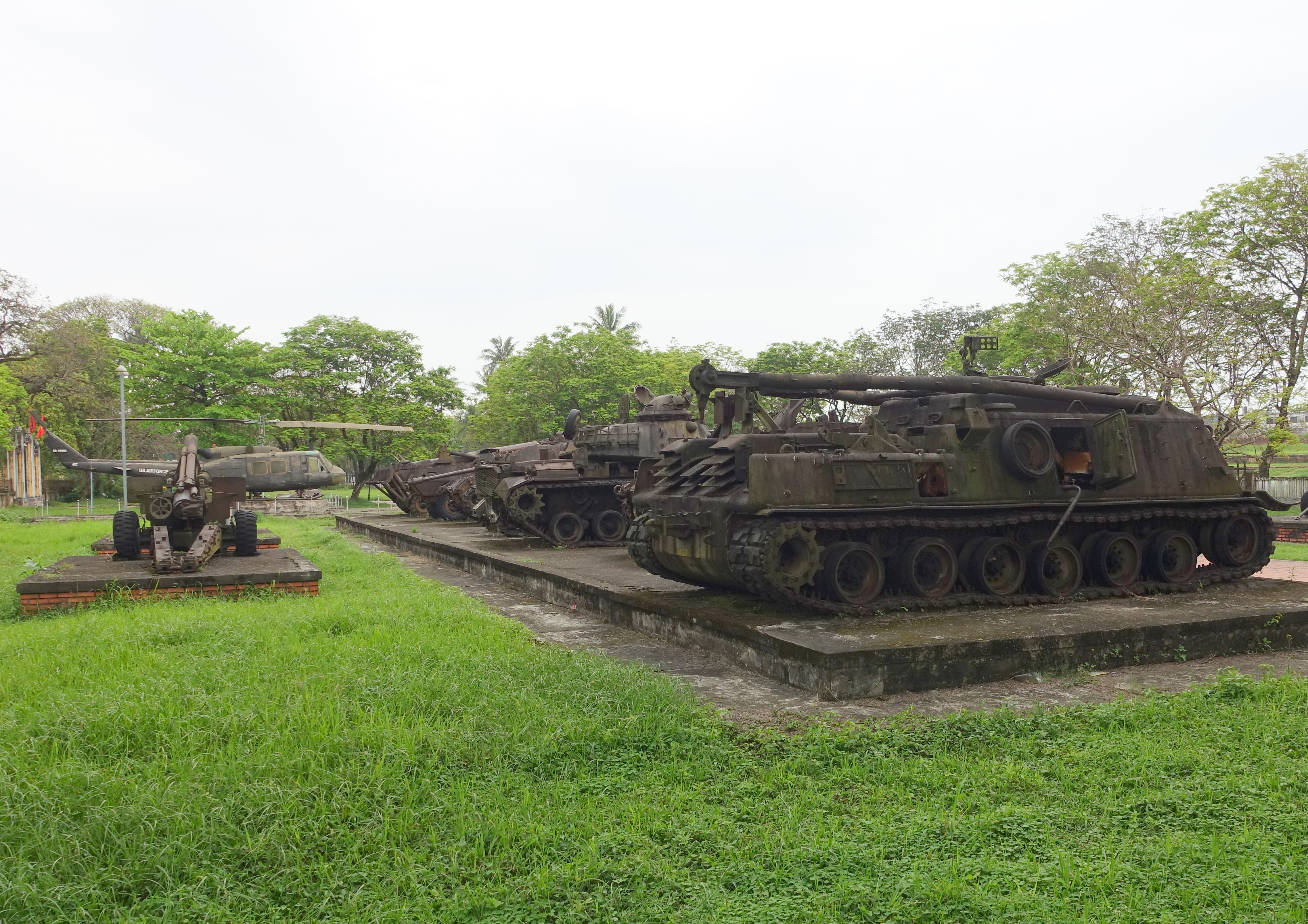
Elsewhere, in Hue you can still see the rusting remains of American military hardware. To the north of the historic city (which was largely destroyed in 1968) there are a number of battlefields such as Hamburger Hill, which can only be toured with guides (to avoid being injured or killed by the large number of unexploded bombs which still blight many parts of Vietnam)

DSC01017

Hue

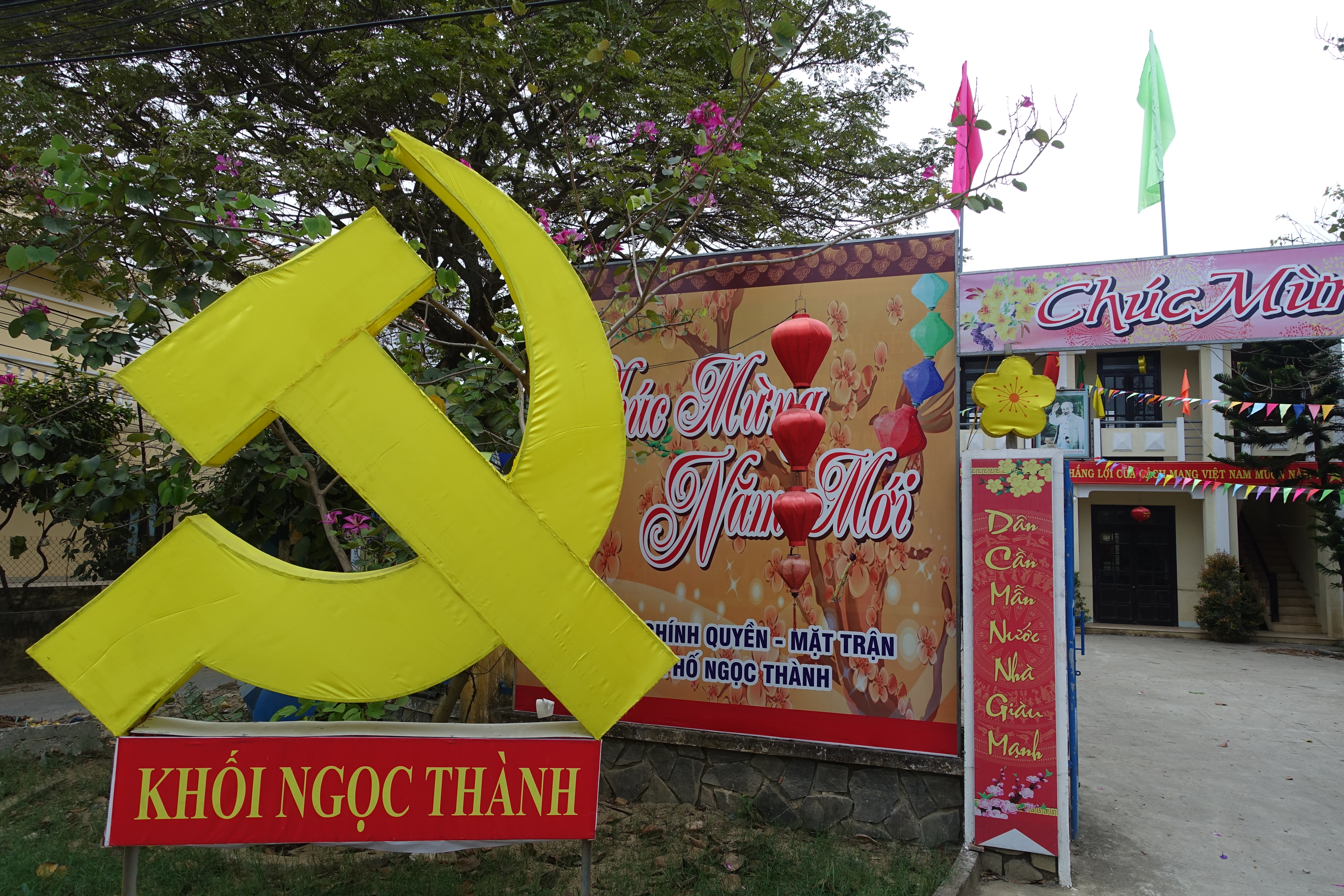
Vietnam is a one party (Communist) state and there are plenty of signs of the party’s role in administering the country

DSC01171

DSC01468

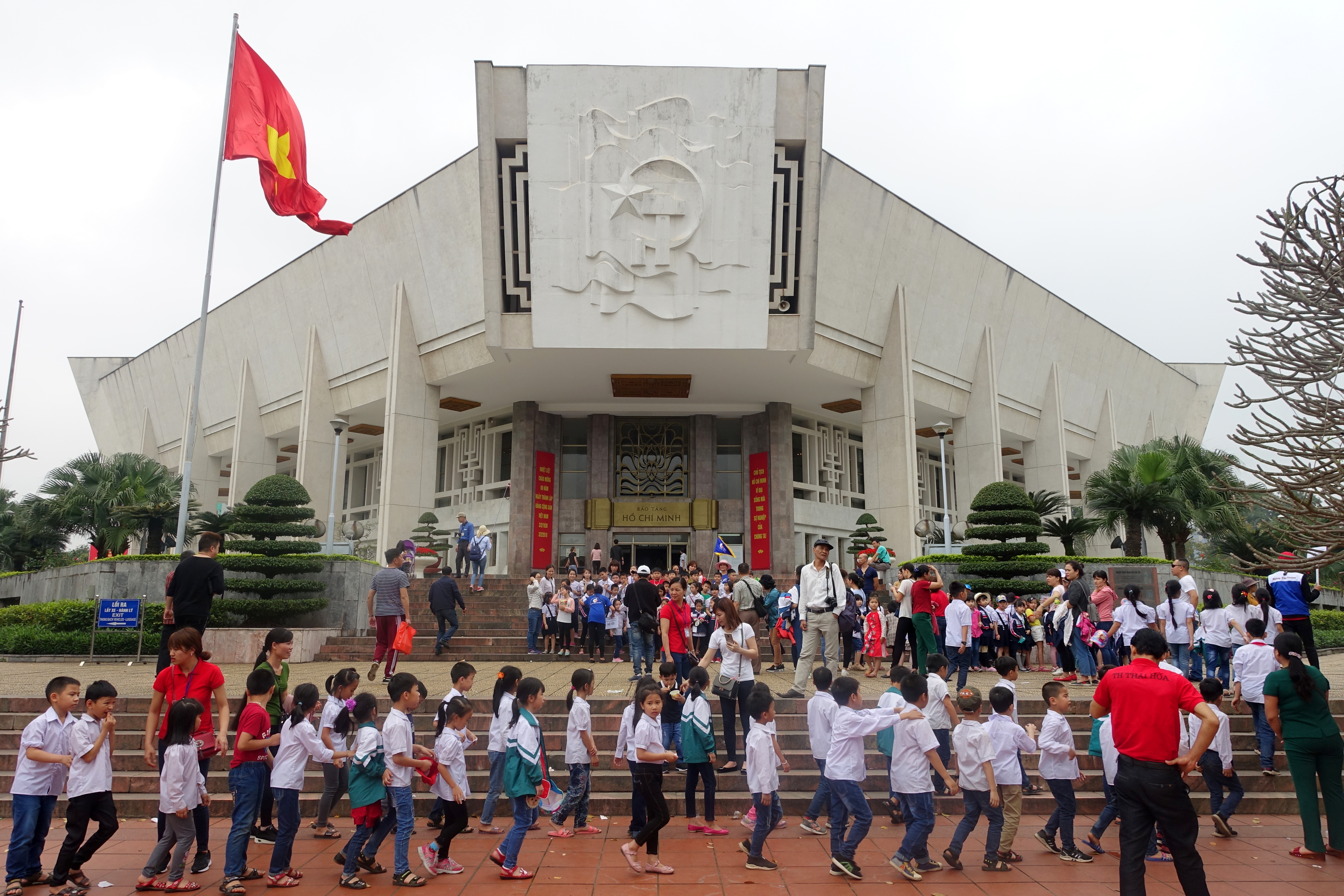
The ex- leader who is most venerated is (‘Uncle’) Ho Chi Minh. In Hanoi there are always long queues to visit his mausoleum where his embalmed body can be seen. There is a constant stream of school parties brought along to learn about their heroic leader.

DSC00661

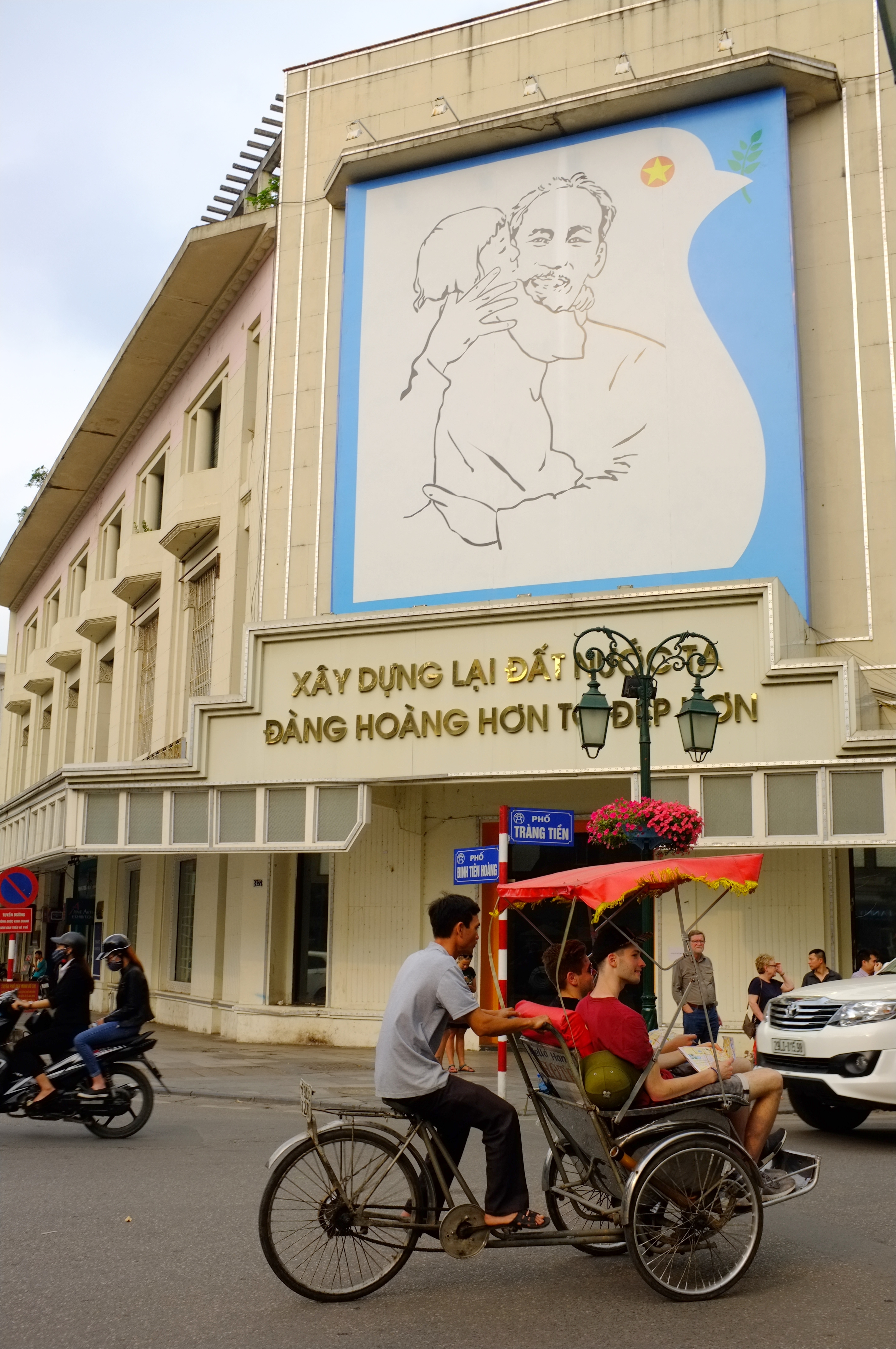
Elsewhere, Ho Chi Minh’s avuncular image is ubiquitous

DSC01257

Ho Chi Minh City’s splendid Central Post Office

DSCF7852

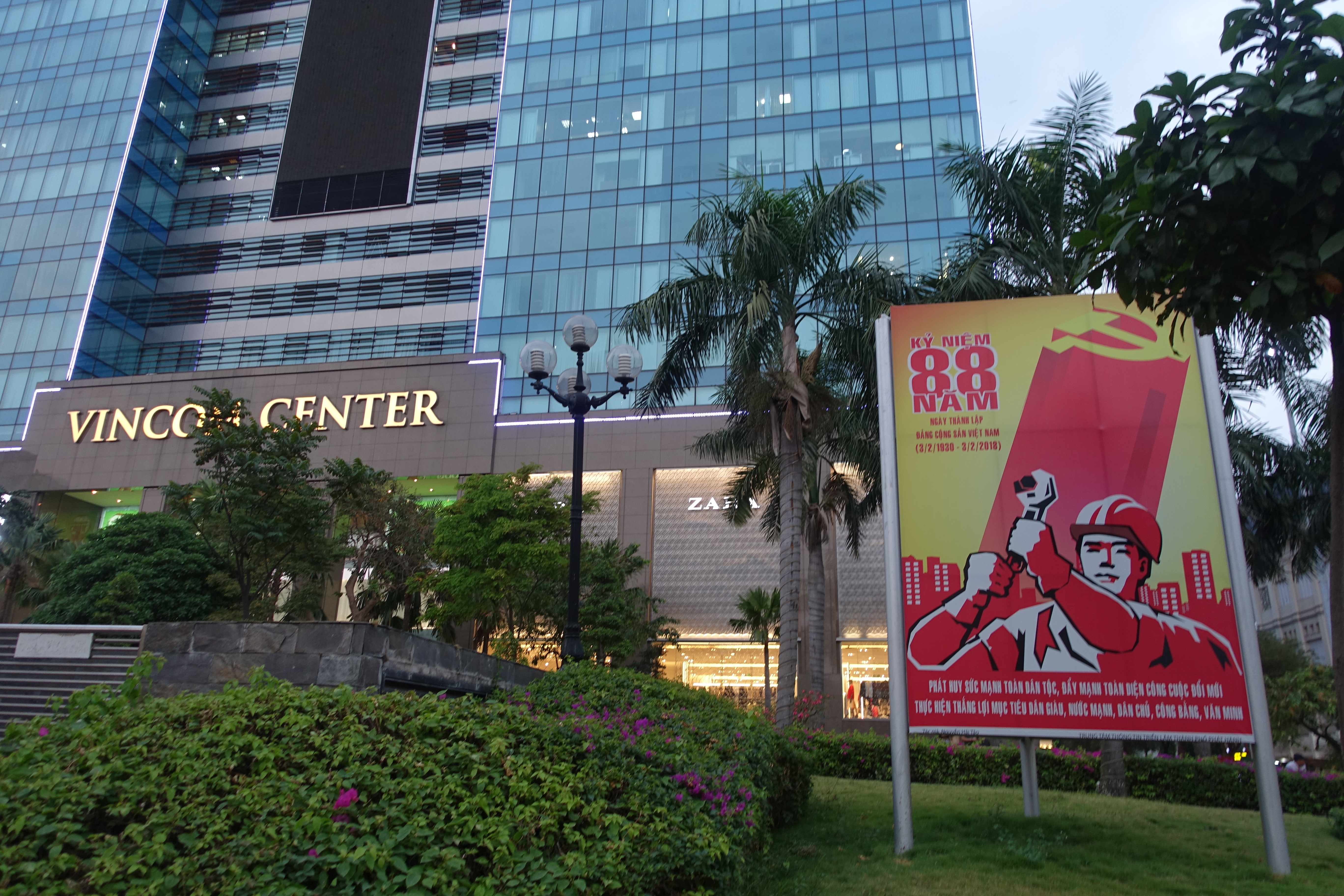
The Communist Party’s presence is inescapable. In both city and country there are daily announcements relayed via loudspeakers to inform and educate the people. Sometimes, the images of the Party sit uneasily alongside those of capitalist enterprises such as the Vincon retail shopping centre in Ho Chi Minh city.

DSC01479

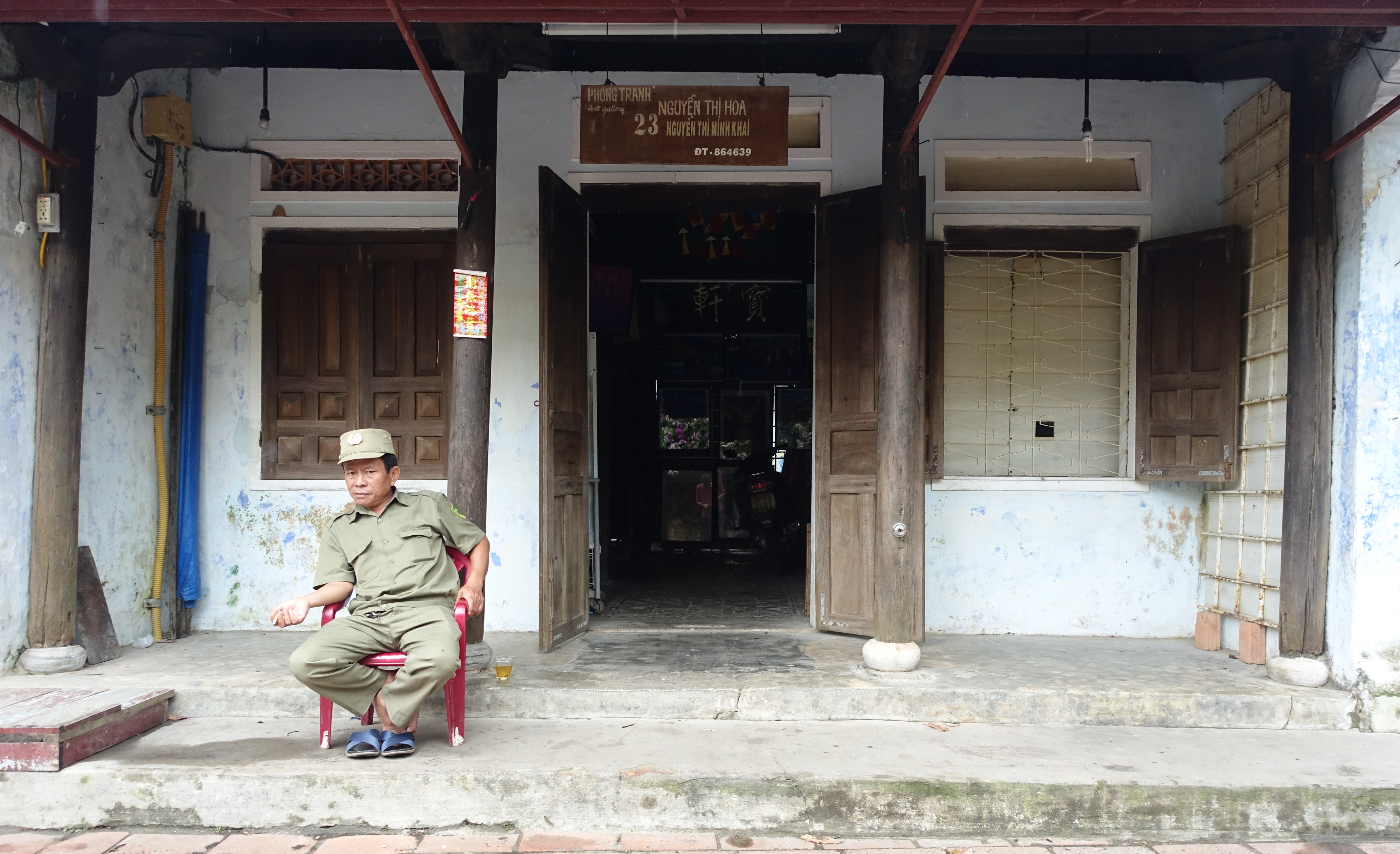
Despite the authoritarian political system, Vietnam does not feel to be in the grip of any kind of police state. The local police have a low key presence

DSCF7522DSC01208

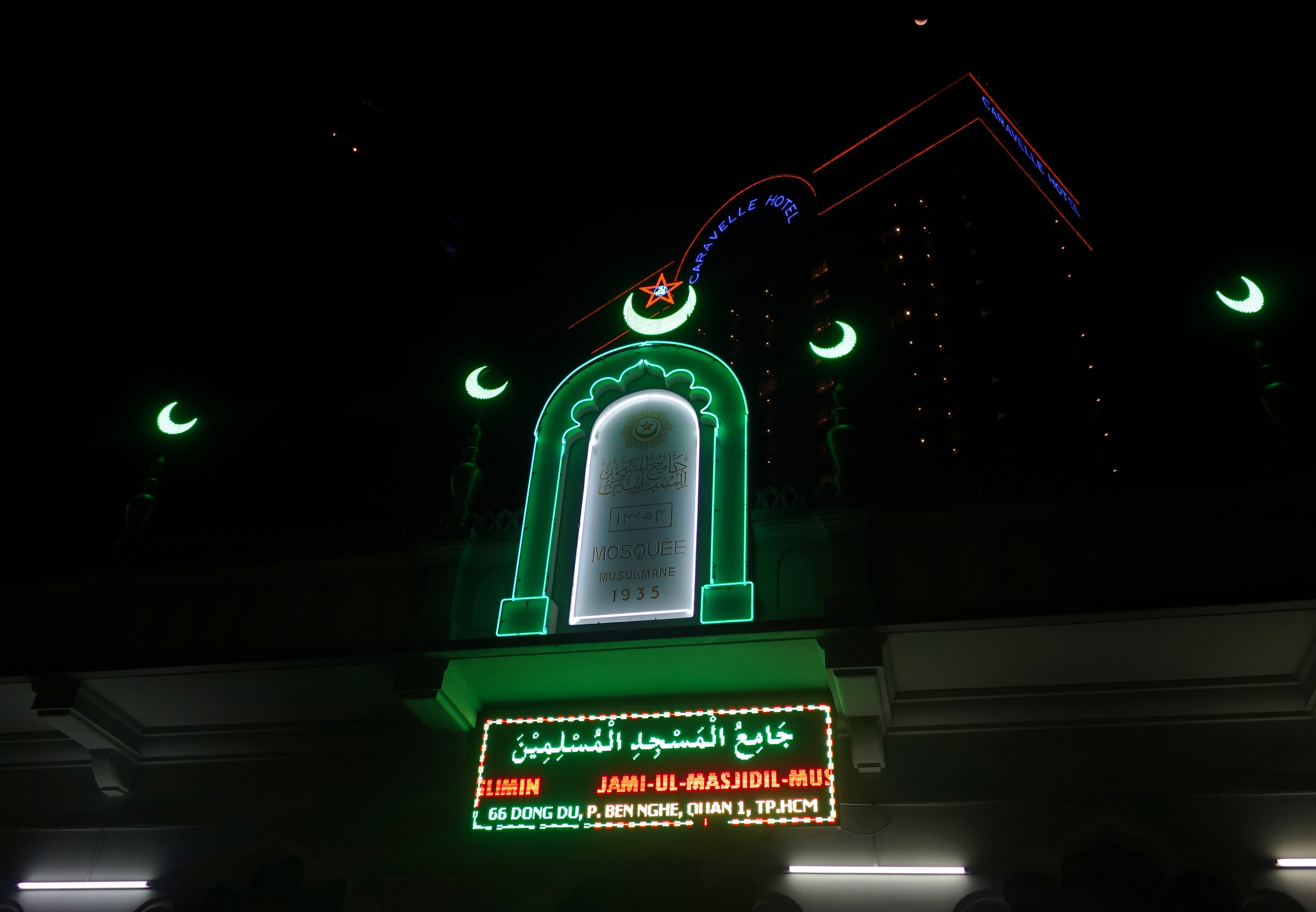
Although there is no tolerance of any political oppostion, there is religious tolerance. Ho Chi Minh city houses a large Catholic cathedral,  Hindu temple and mosque dating from 1935

DSC01493

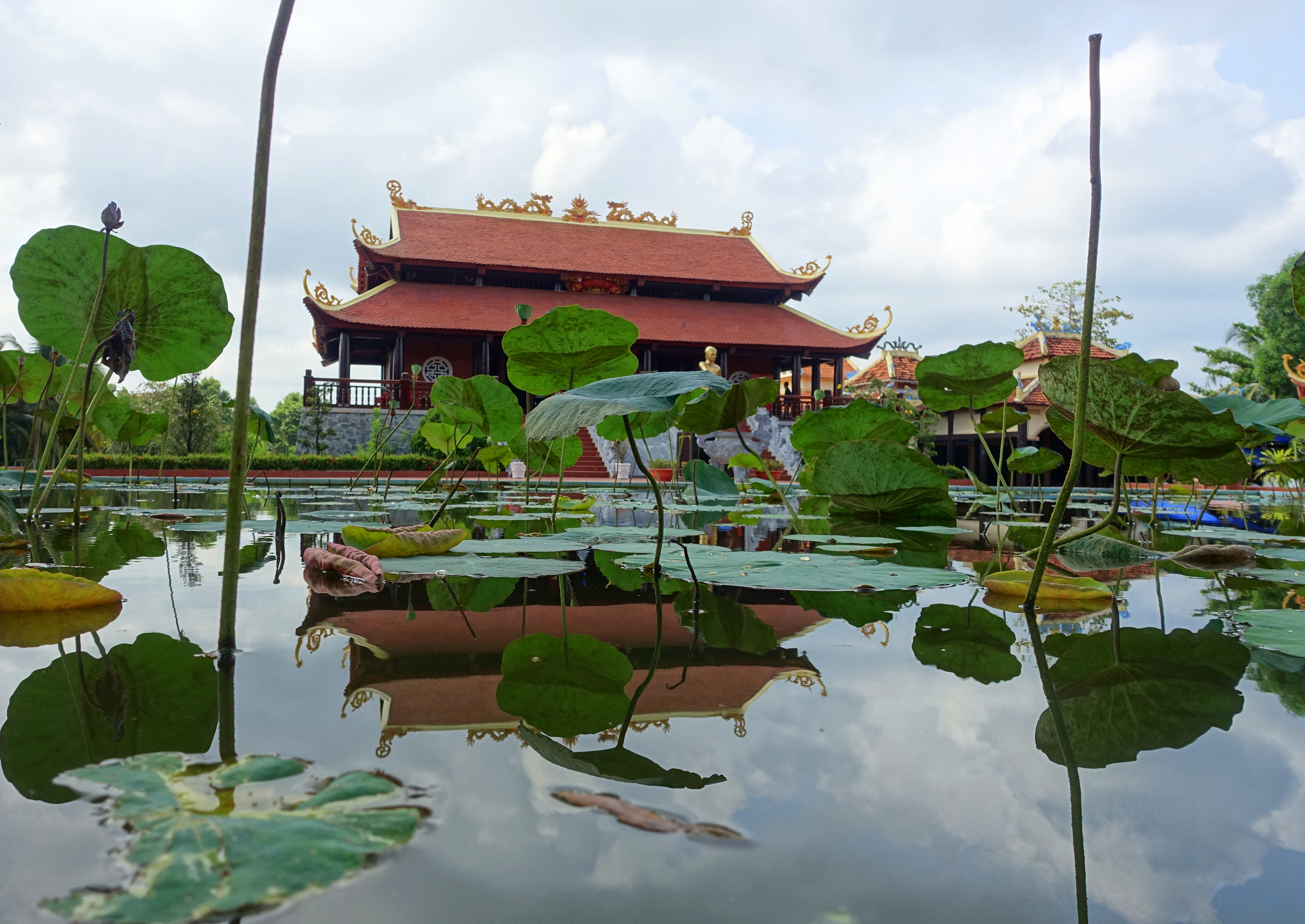
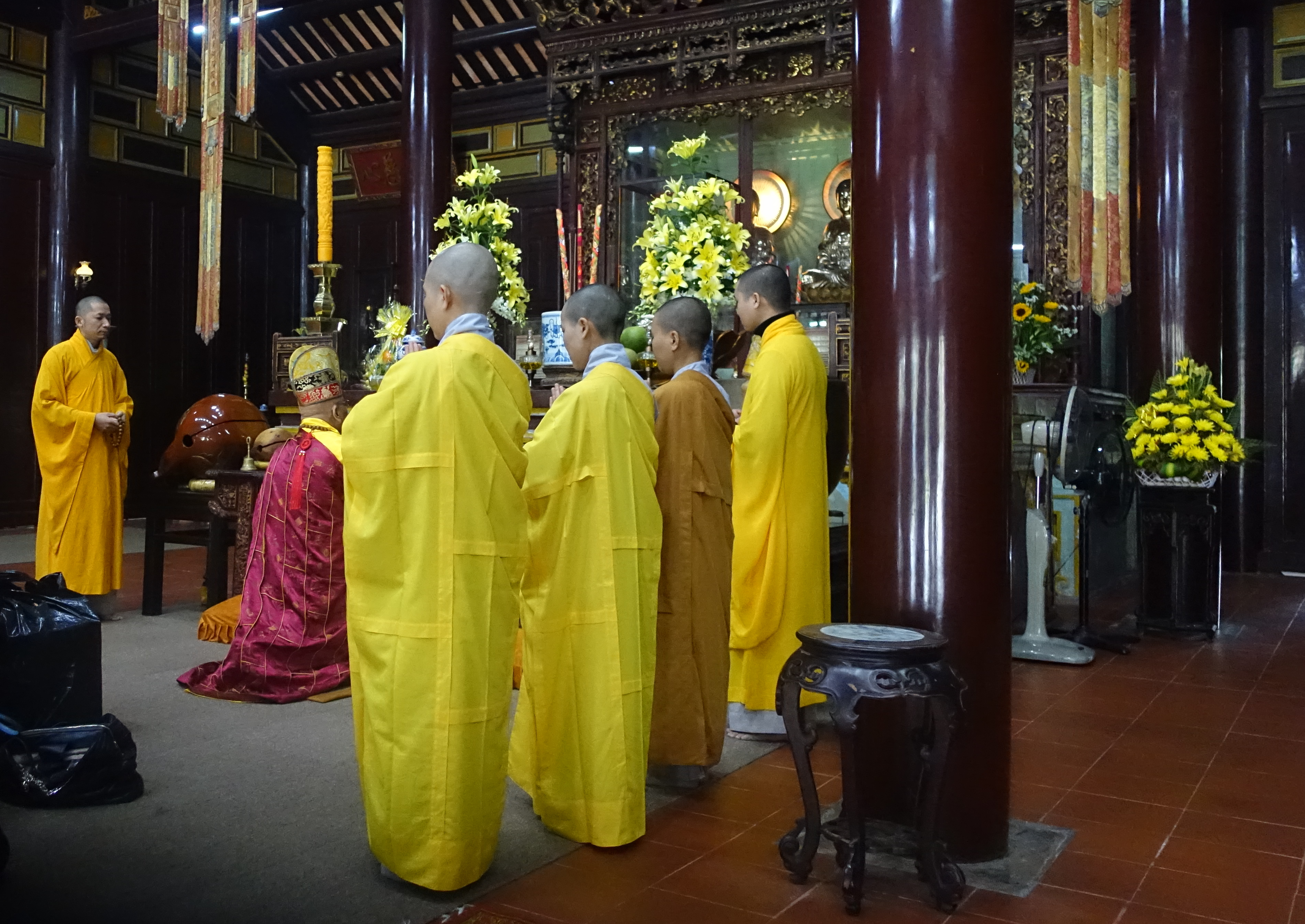
However, it is the Buddhist religion which has a very strong presence throughout the country. We came across many beautiful historic pagodas during our visit

DSC01360

Ganh dau Pagoda, Phu Quoc

DSC00974

Thien Mu Pagoda, Hue

DSC00460

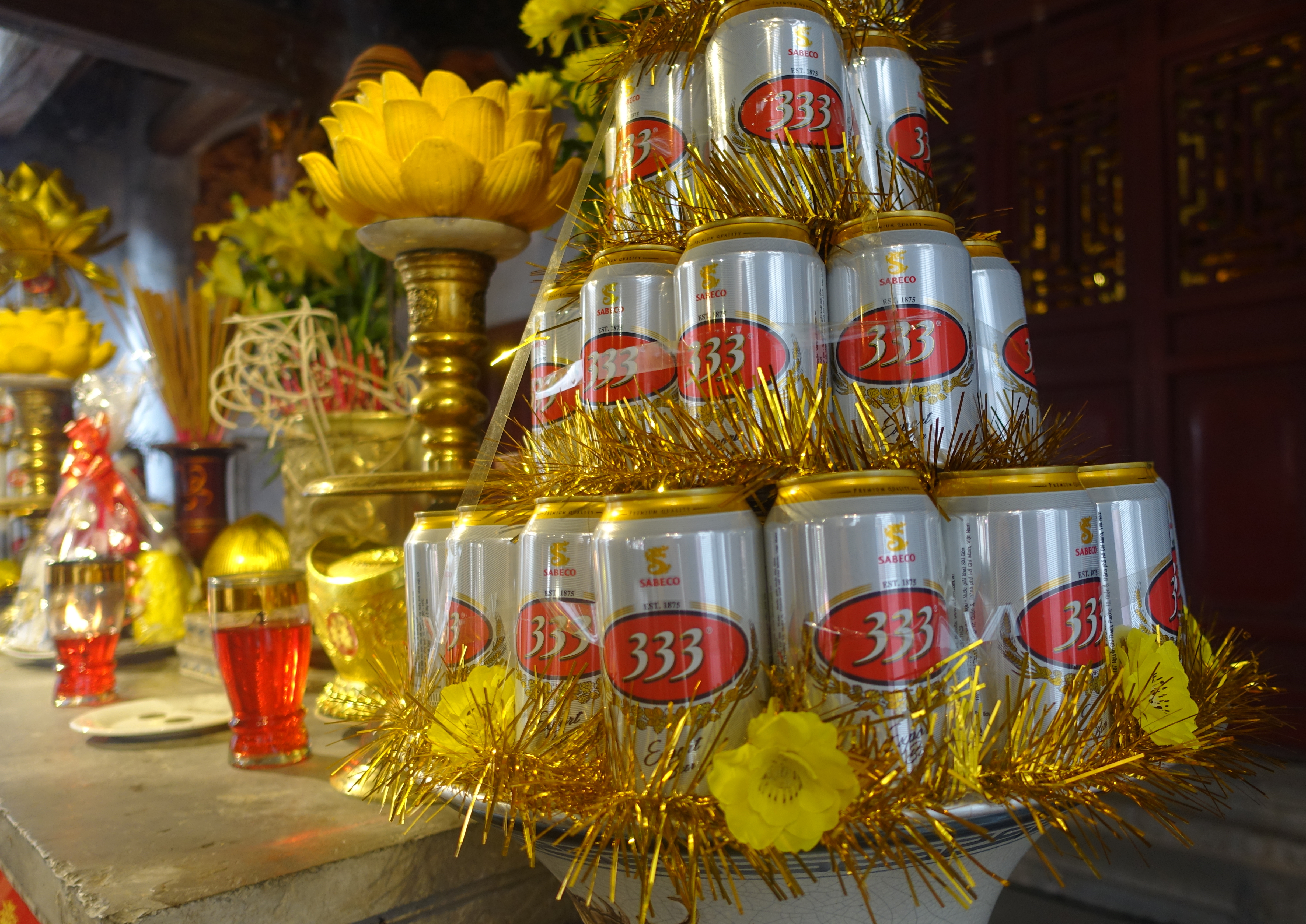
All kinds of gifts are offered in temples apart from incense

Environmental Costs

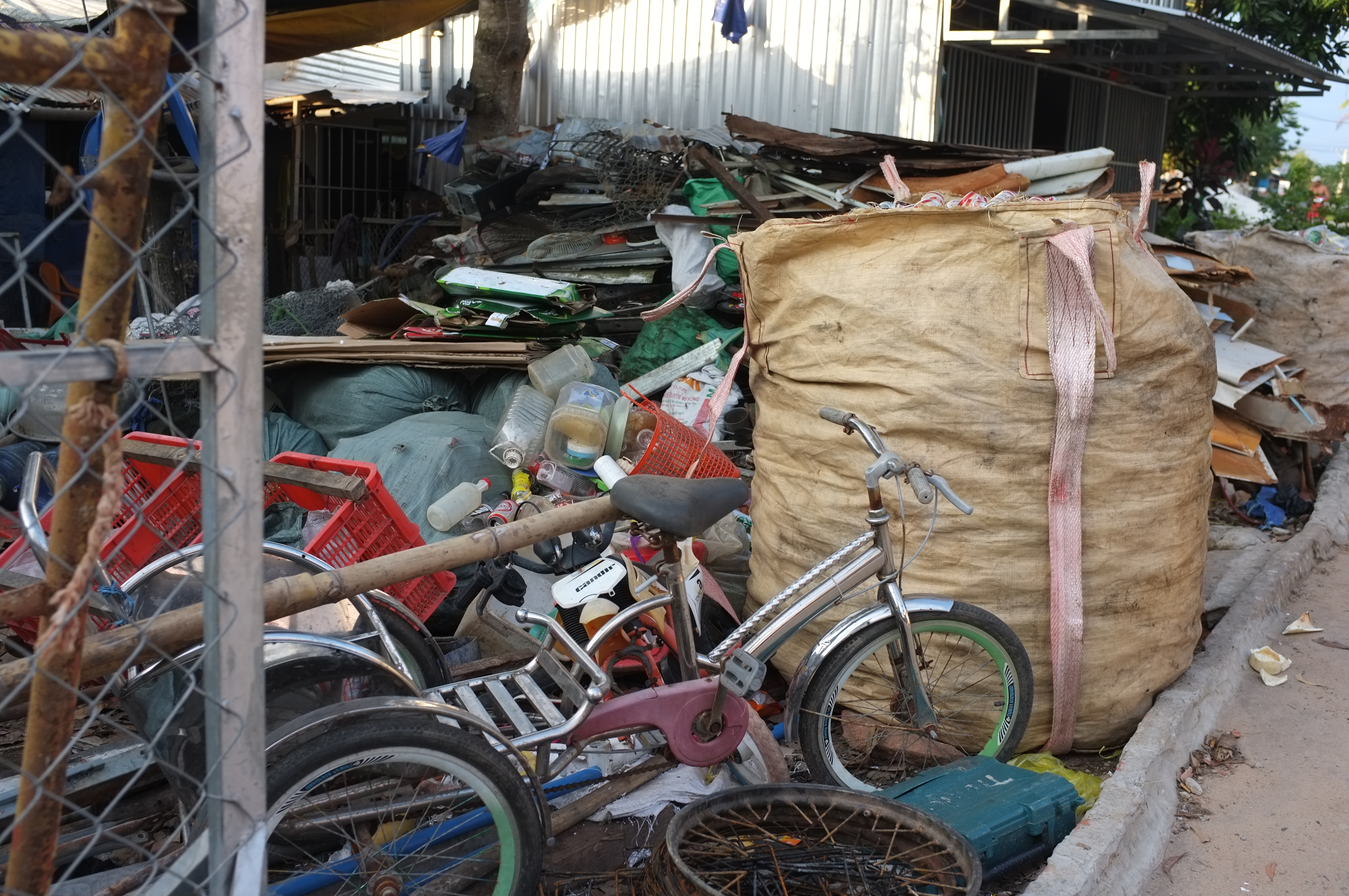
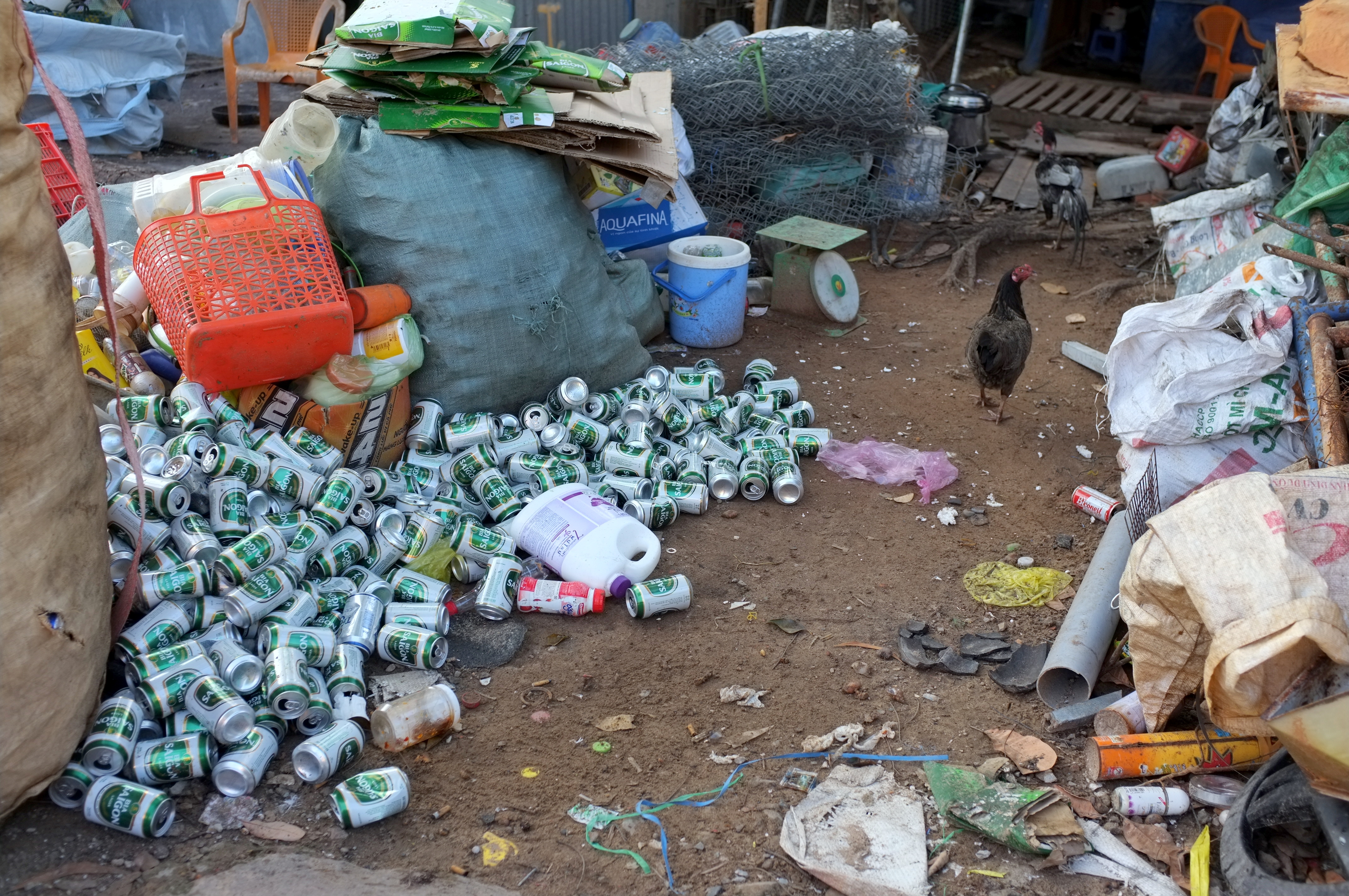
Unsurprisingly, given the breakneck speed at which Vietnam is modernising, environmental damage is all too evident. Apart from the obvious problem of air pollution in the cities, tourist areas are also suffering from lack of adequate environmental regulation. Phu Quoc Island, with its huge tropical forest and wonderful beaches, is being developed as a tourist centre without there seemingly being any systematic means of disposing of rubbish.

DSCF8662DSCF8663

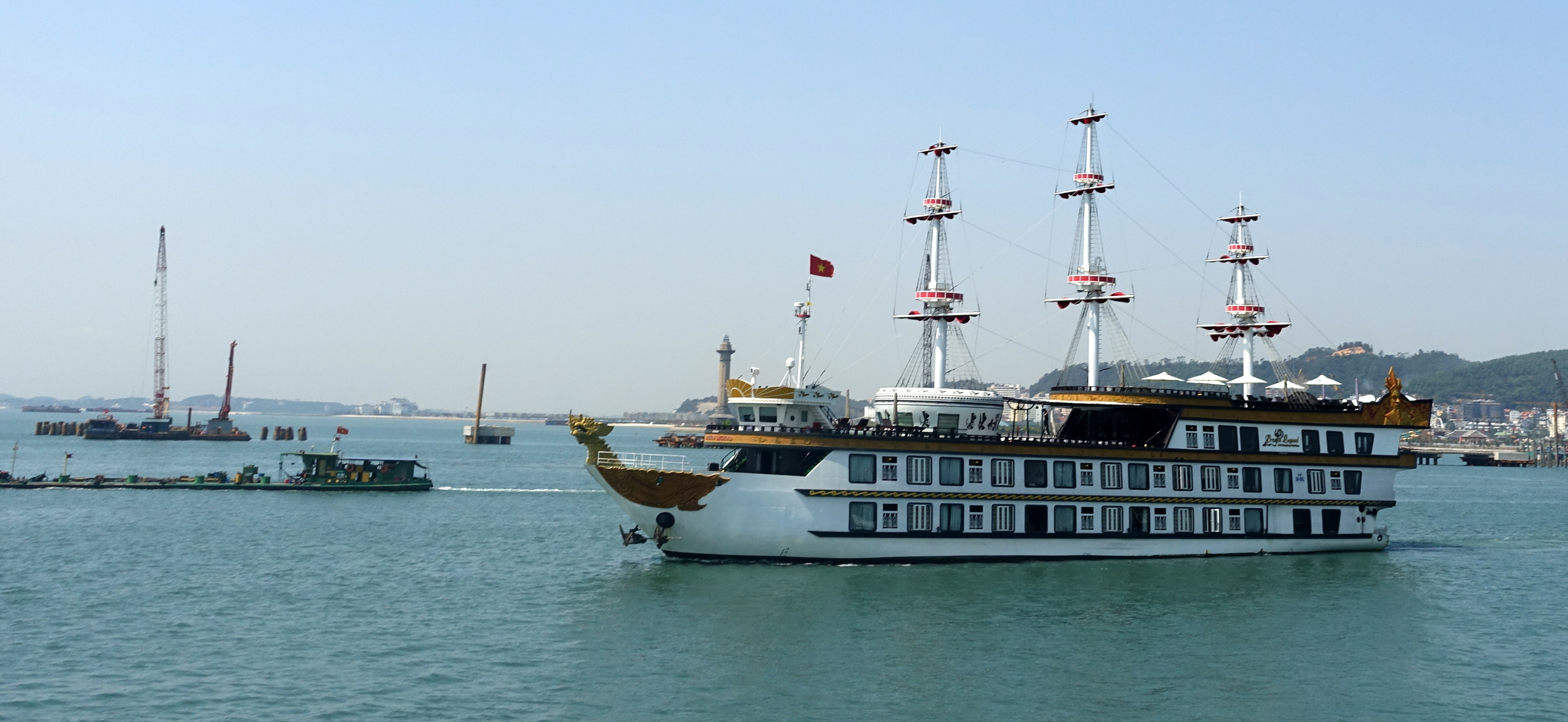
The jewel in Vietnam’s tourist crown is the Unesco World Heritage Site, Halong Bay. However, the popularity of experiencing the unique beauty of the Bay and the local fishing communities has been threatened by a failure to restrict the numbers of cruise ships touring the area and the building of huge hotels, and finally, there is the damage wreaked by pollution from nearby coal mines.

DSC00817

DSC00821

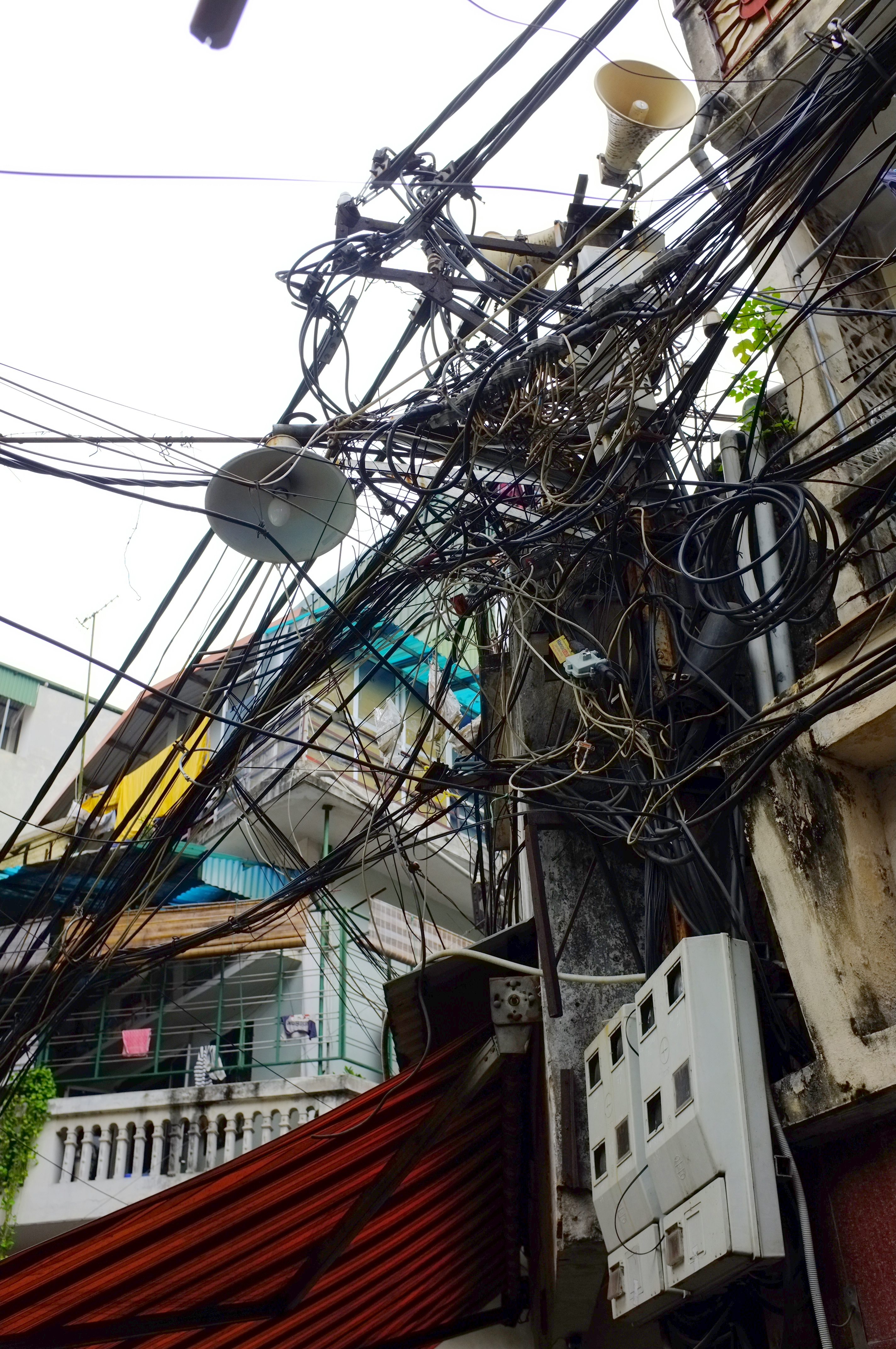
On a more mundane level, health and safety often seems quite rudimentary. Walking the streets of Hanoi often necessitates ducking under hanging electricity wires. The wiring pictured below is typical of neighbourhoods in Hanoi’s Old Town (note the loudspeakers used to provide daily public briefings)

DSCF7583

Hoi An: Struggling to retain its charm

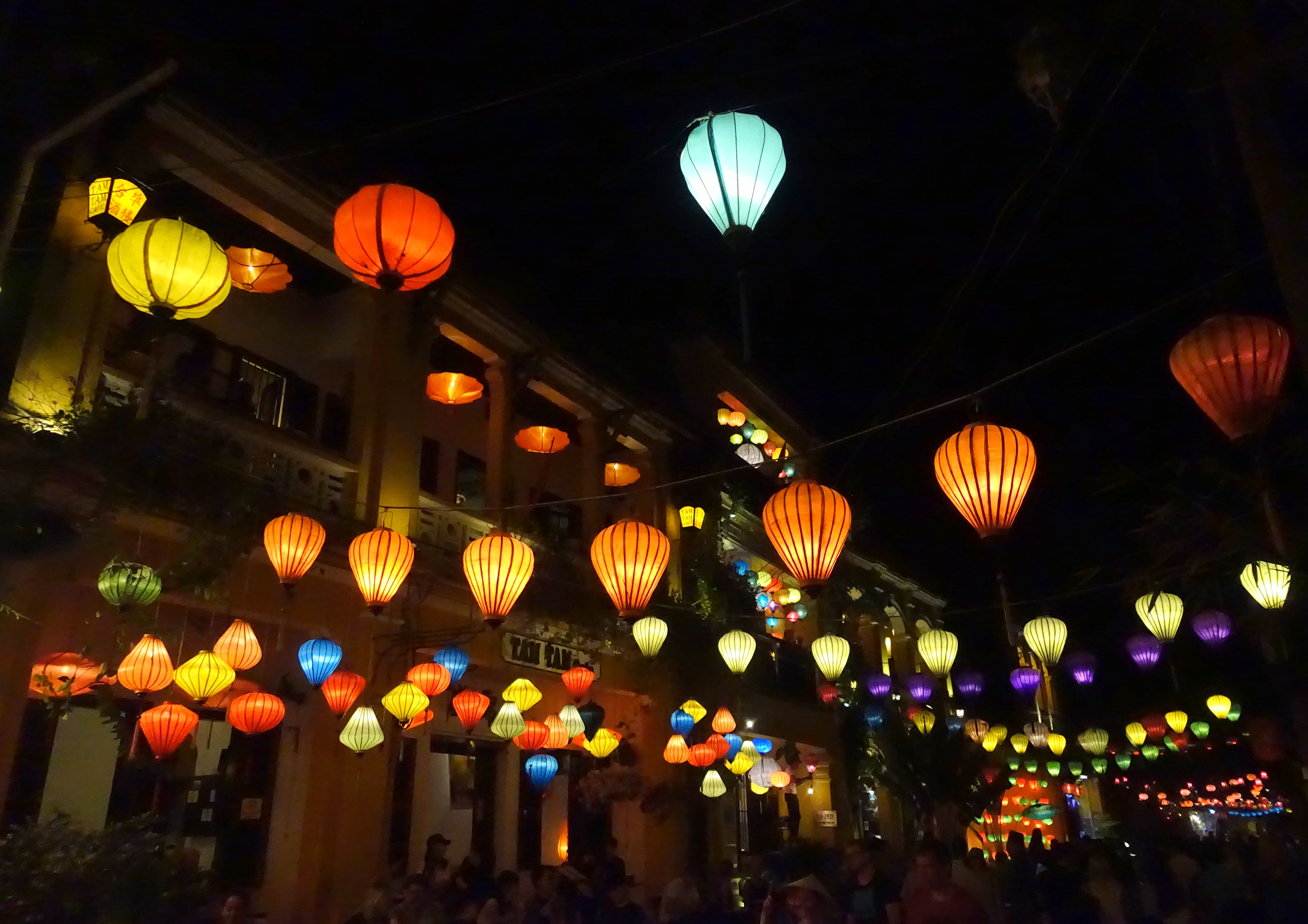
Granted World Heritage Ancient Town status by Unesco, Hoi An is undoubtedly a beautifully preserved and captivating town. However, because of its magnetic appeal, it is in danger of becoming a form of Vietnamese Disneyland. The town’s colourful lanterns, ancient buildings and laid back charm are very enticing, especially at night, but unfortunately it struggles to preserve its charm in the face of busloads of tourists

DSC01136DSC01132

DSC01192

Artistic expression

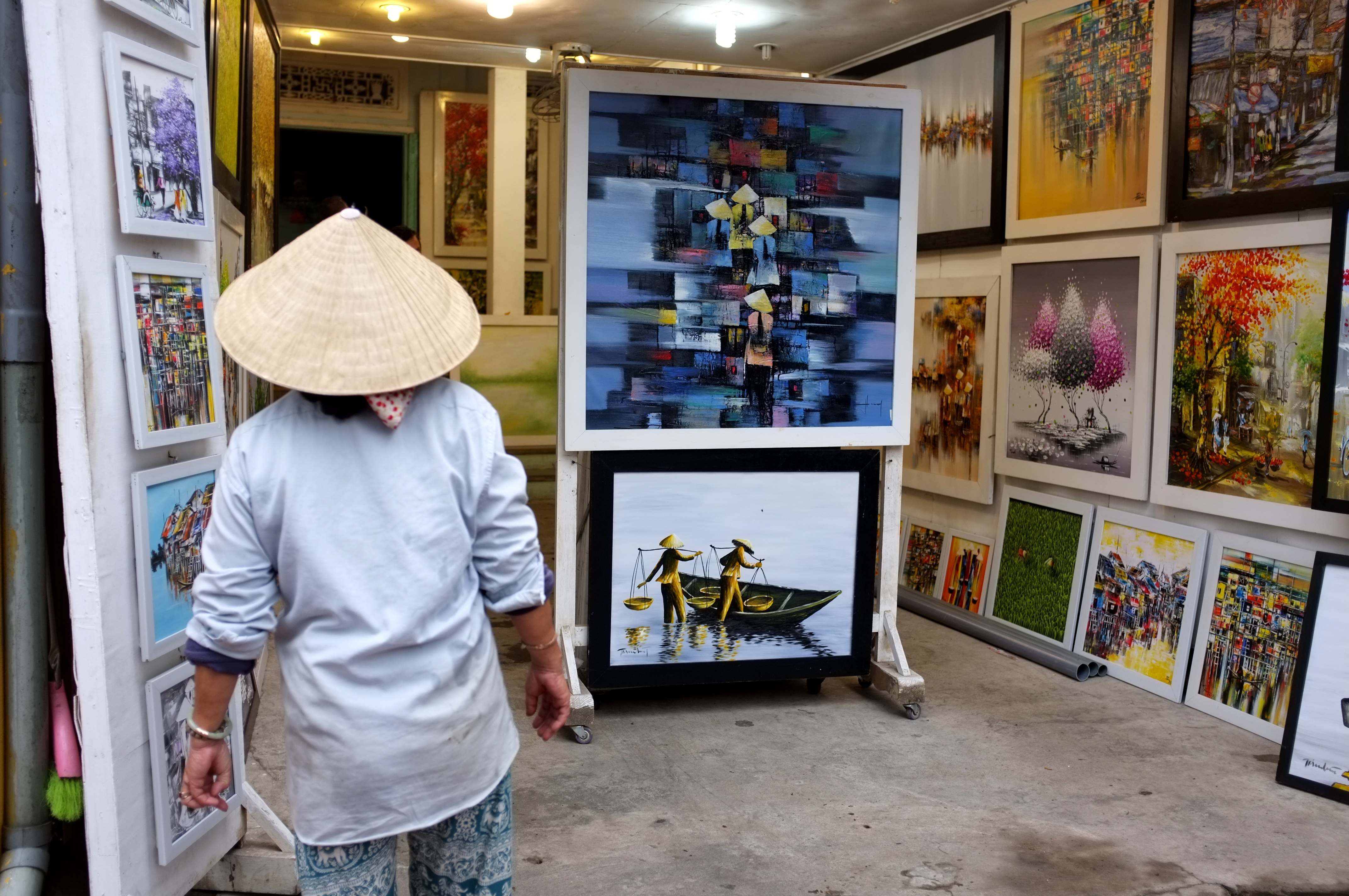
Art is alive and well in Vietnam. Most typically it can be found in the tourist oriented galleries which combine traditional images with more modern abstraction

DSCF8374

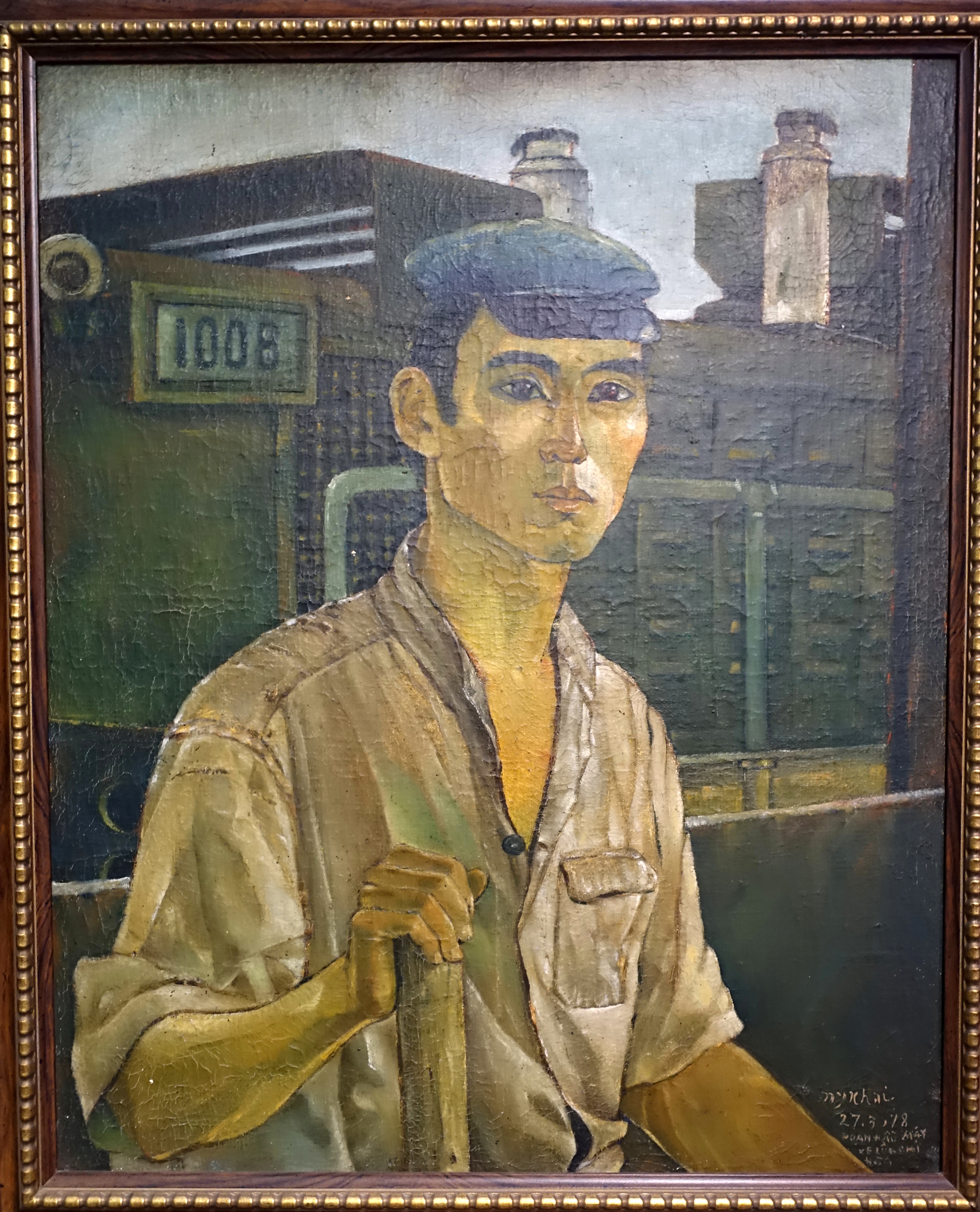
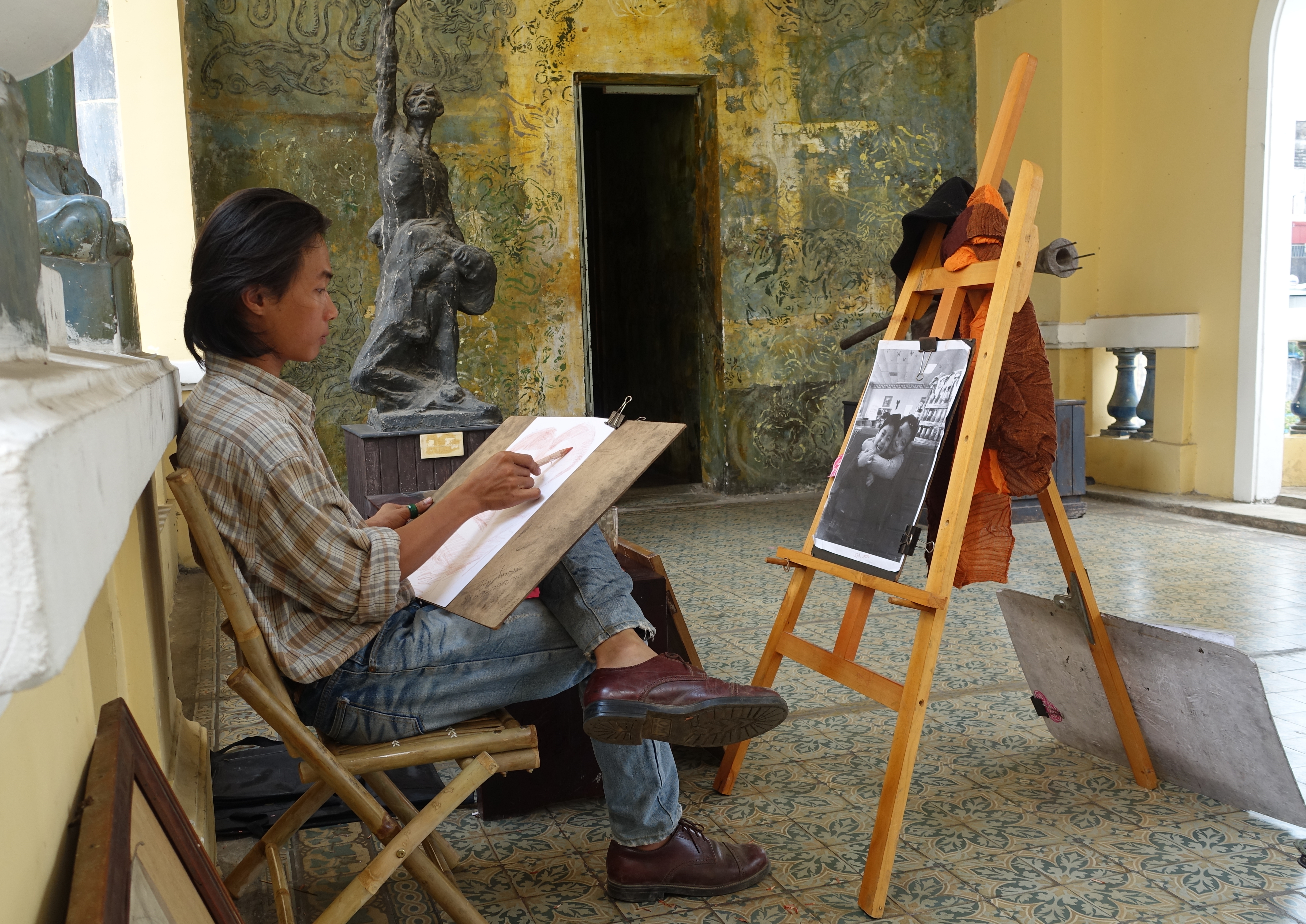
Ho Chi Minh City has the elegant old Fine Arts Museum dating from 1929 which houses some of the best known 20th century Vietnamese artists as well as inspiring some live artists.

DSC01275

Nyguen KhanHoi An’s

DSC01284

Hoi An’s Couleurs d’Asie Gallery houses the work of French photographer Réhahn who has photograhed most of Vietnam’s 54 ethnic minorities

DSC01081

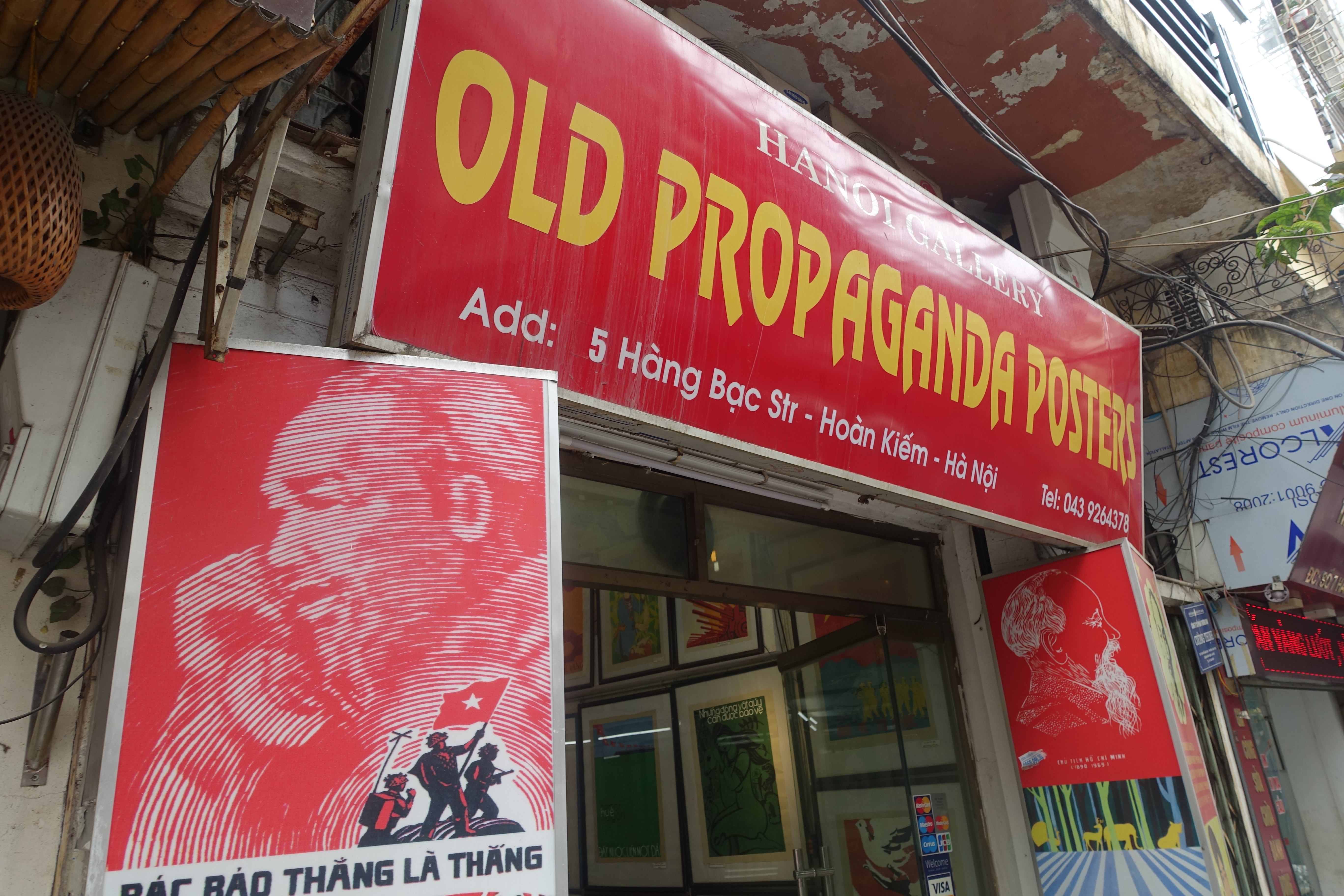
Finally, there is a buoyant market for recycled old propaganda posters from the American/Vietnam war (largely aimed at western tourists). Whilst some of the striking political images seem inspired by soviet Russian propaganda art, others have a very original Vietnamese style.

DSC00532

Ca Phe Culture

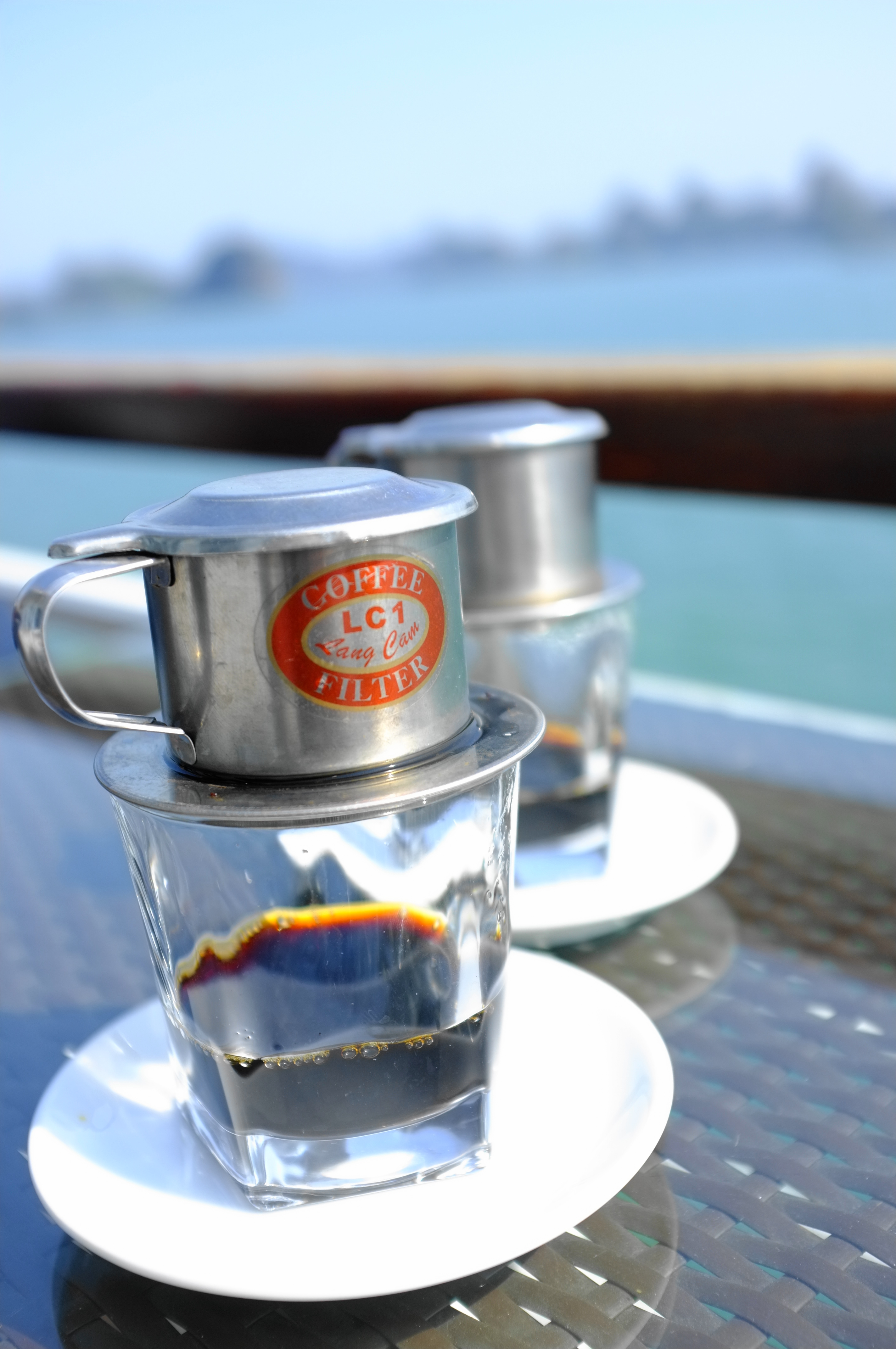
Whilst the French occupation of Vietnam was imperialist in nature, the French were responsible for introducing the country to coffee. It is estimated that Vietnam cities have more cafes per head of population than anywhere else in the world. Vietnamese grow their own coffee beans (second only to Brazil in global production) . The roasted beans are put into a crude drip filter called a phin and the outcome is invariably a very enjoyable cup of coffee with its unique distinctive taste.

DSC01152

DSCF8034

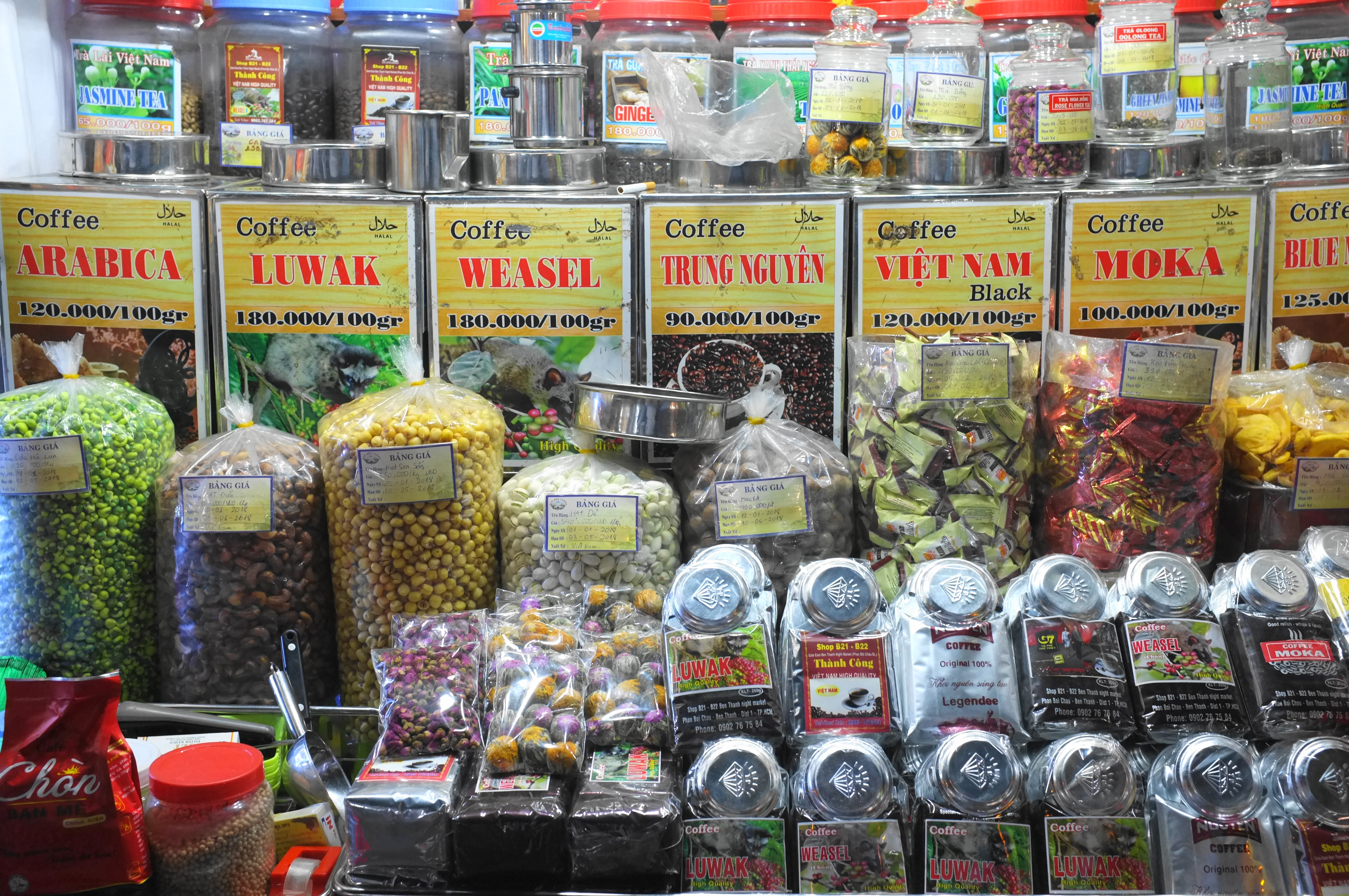
For coffee afficianados, there are a range of different styles depending upon the beans. Being a generally hot country, the majority of locals prefer iced to hot coffee, and in Hanoi you can also enjoy the delights of egg coffee (ca phe trung) – a sort of Vietnamese version of tiramisu, as well as coconut coffee and other unique combinations. The smooth sweetness of the drink is created by adding Vietnam’s own form of condensed milk.

DSCF8396

The Changing face of Vietnam

Vietnam has a very young population – over 70% population are under 40. With memories of the war fading fast, and rapid urbanisation/modernisation, it really feels like the traditional ways of living are fast disappearing.

Below are some images which reflect some of these social, economic and cultural changes.

DSC00833DSC01165DSC02605DSCF8548

DSCF7625

DSC01265

Ho Chi Minh city’s changing skyline

DSC00536

Hanoi’s old town

DSC01320

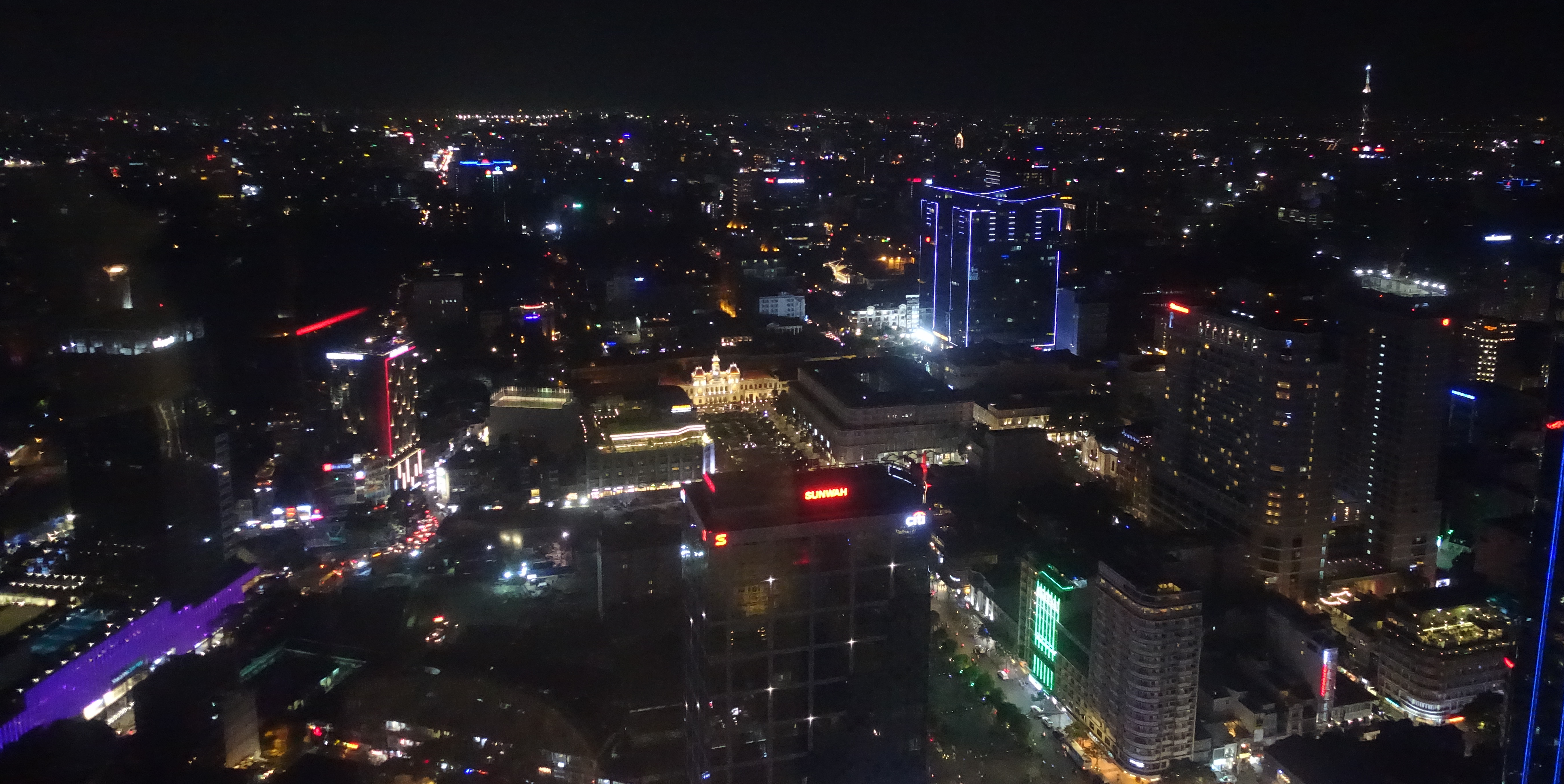
The view from the Bitexco Financial Tower in Ho Chi Minh city

DSC02531DSC00625

DSCF7709

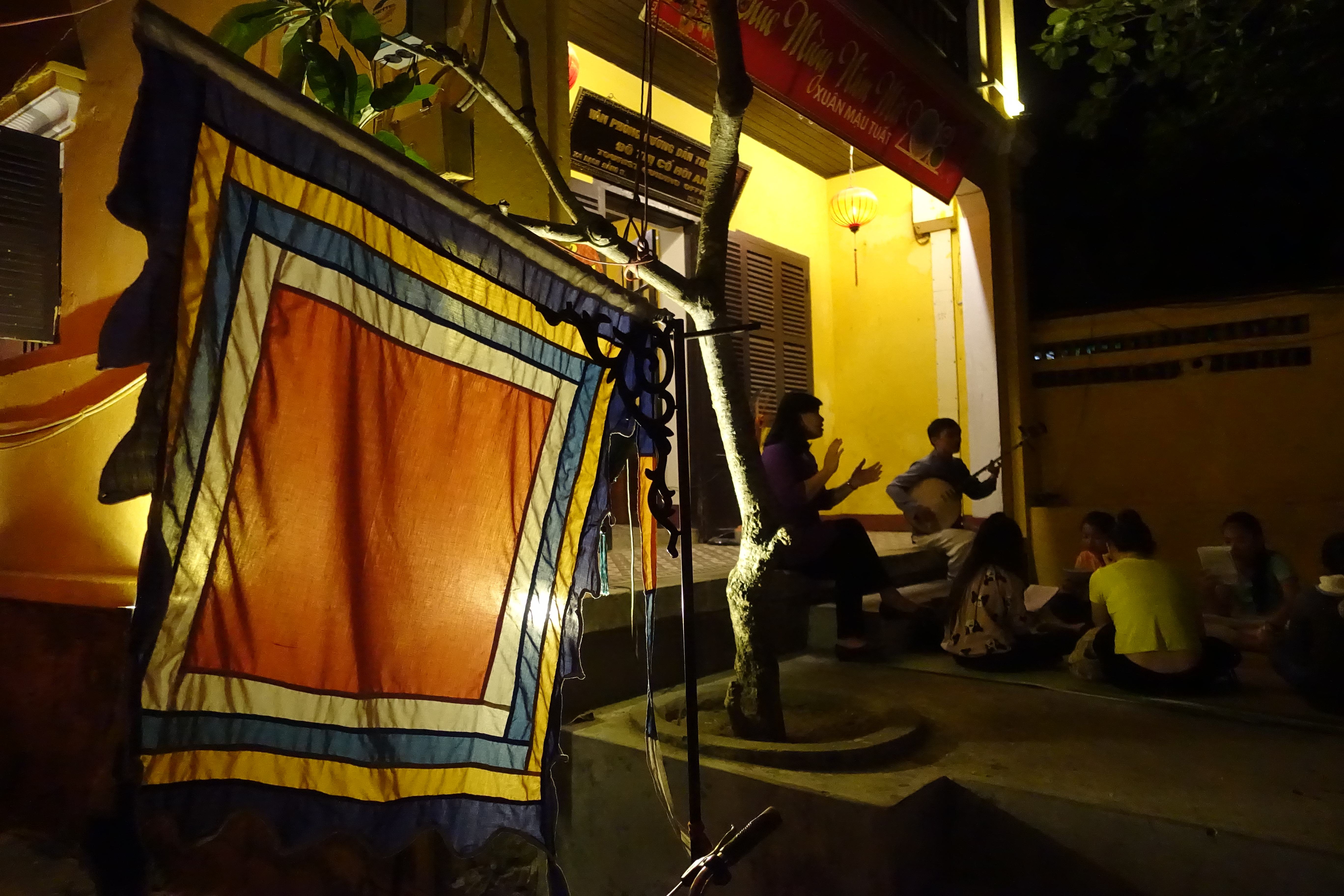
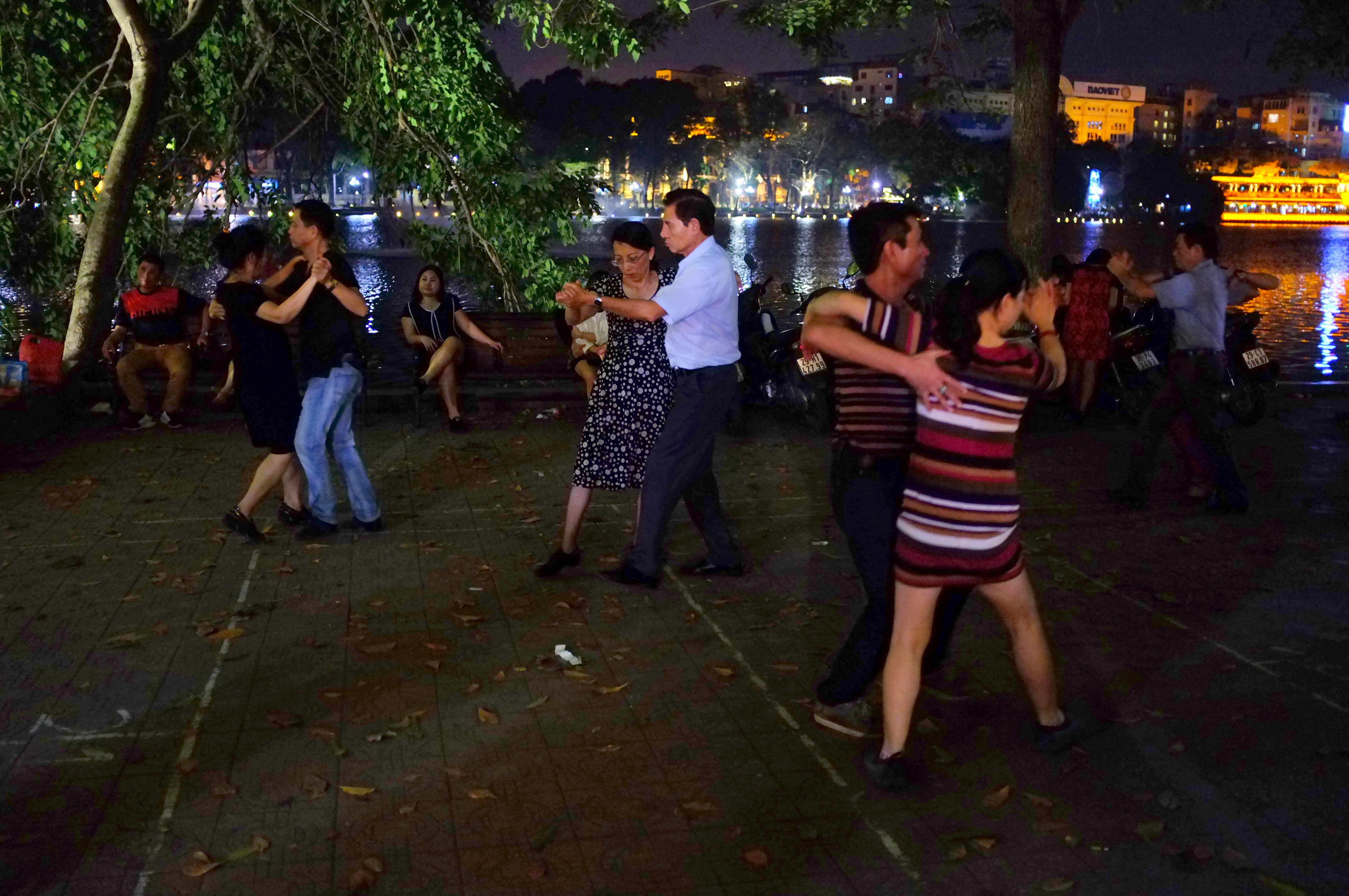
Latin dancing by Hanoi’s Hoan Kiem Lake

DSCF7751

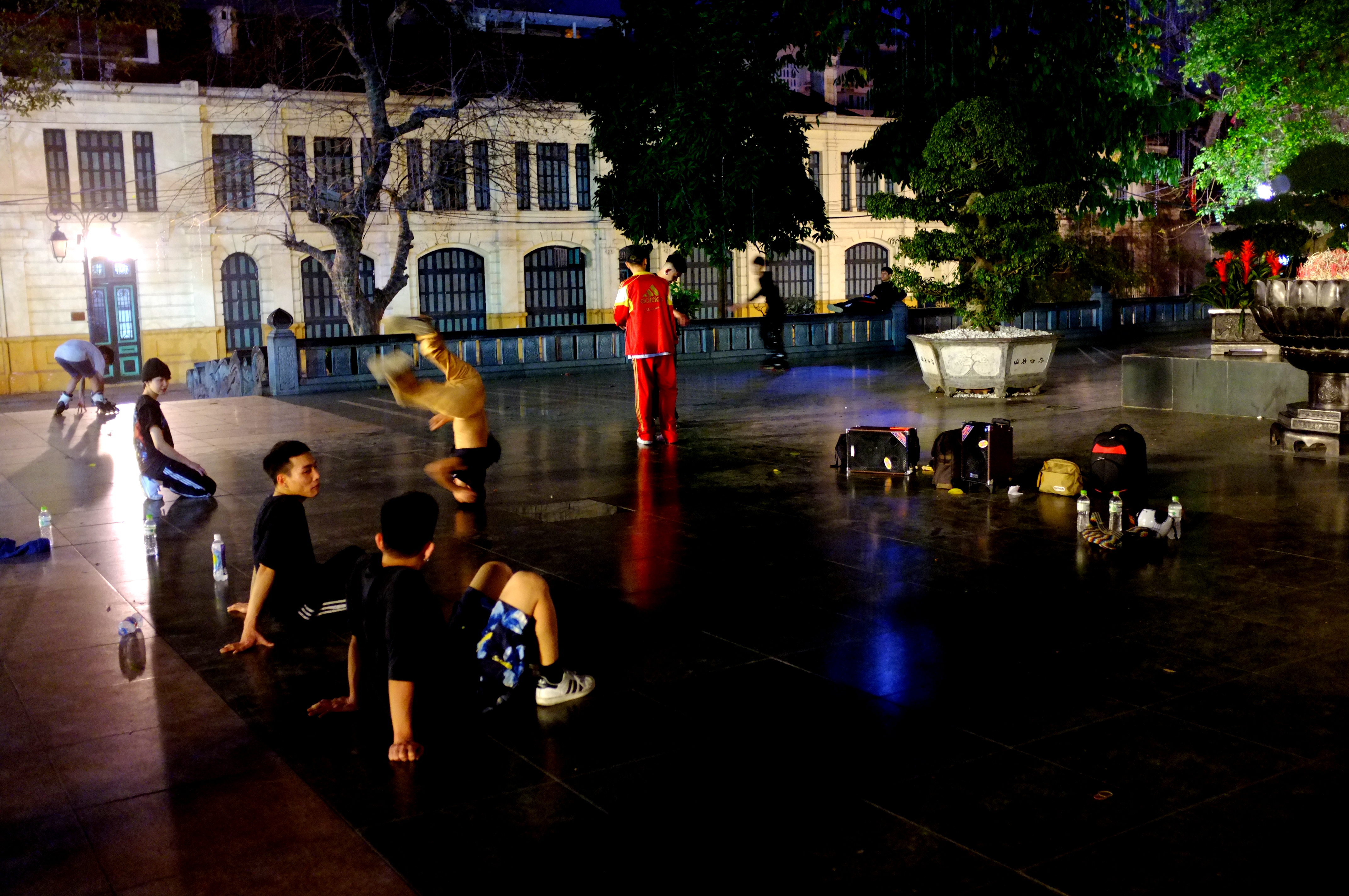
Break dancing in Hanoi

DSCF8136

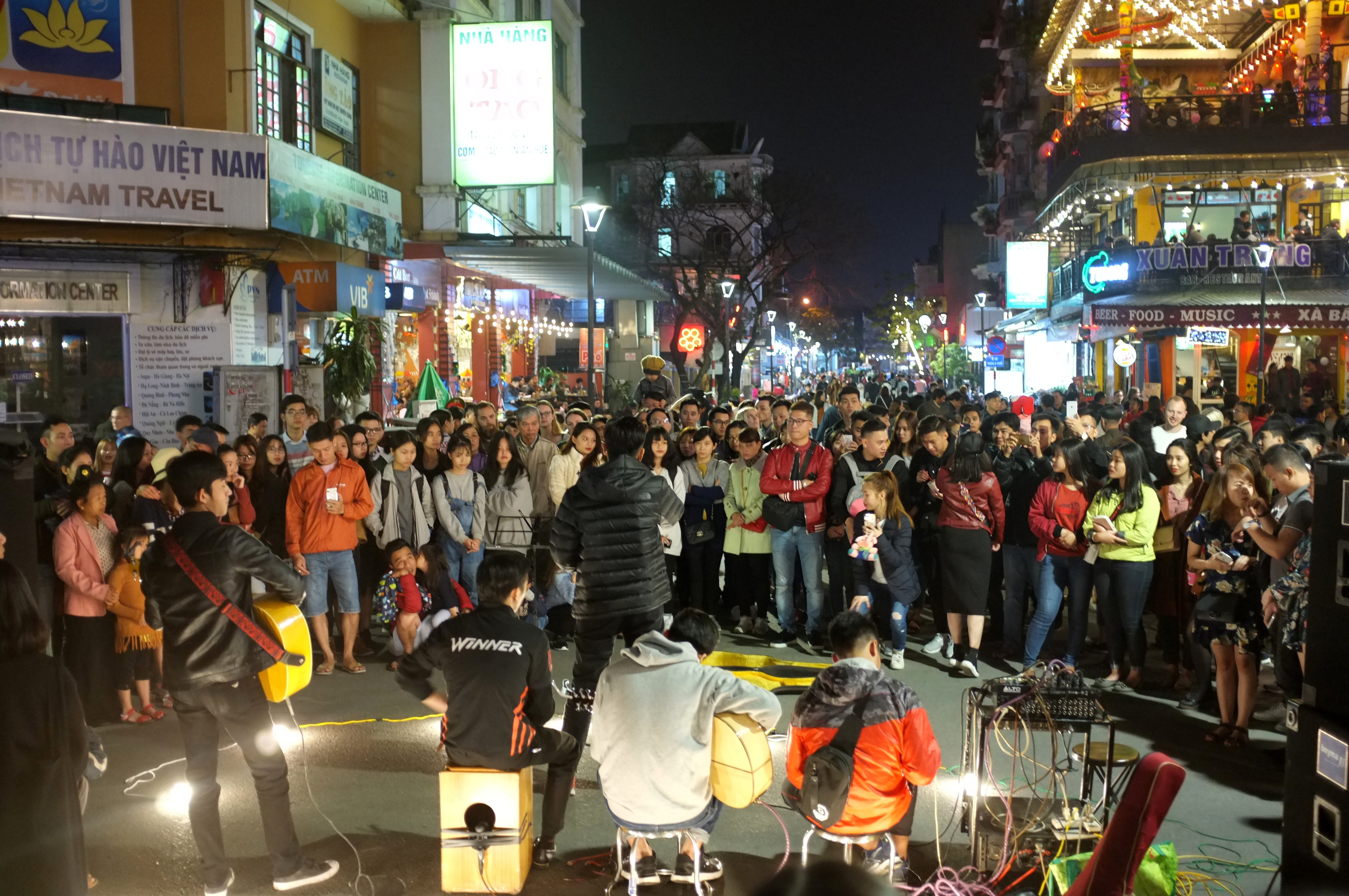
A street concert in Hue

DSC00966

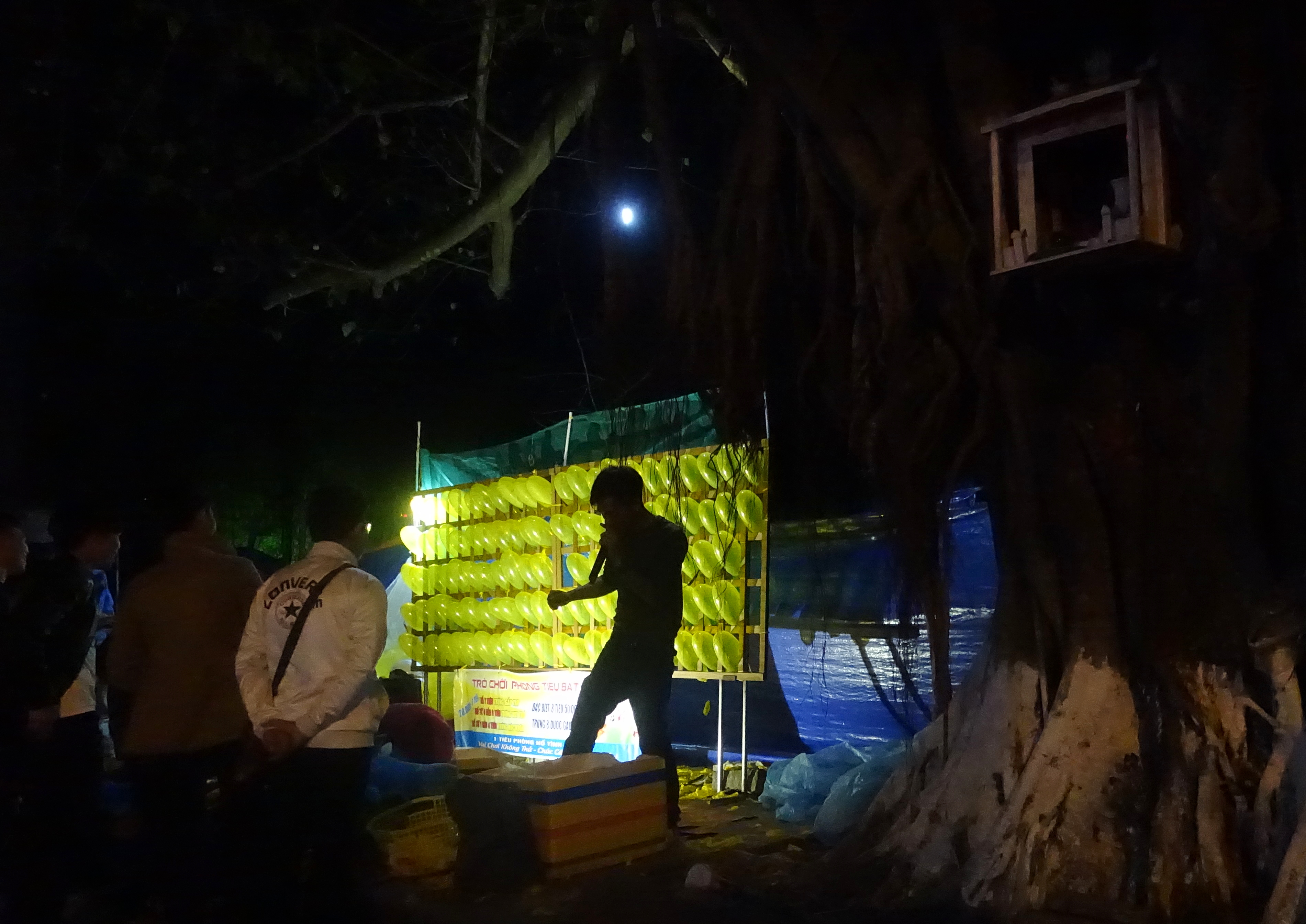
Karaoke is hugely popular (if usually off key)

DSC00607

DSC00905

DSC01476

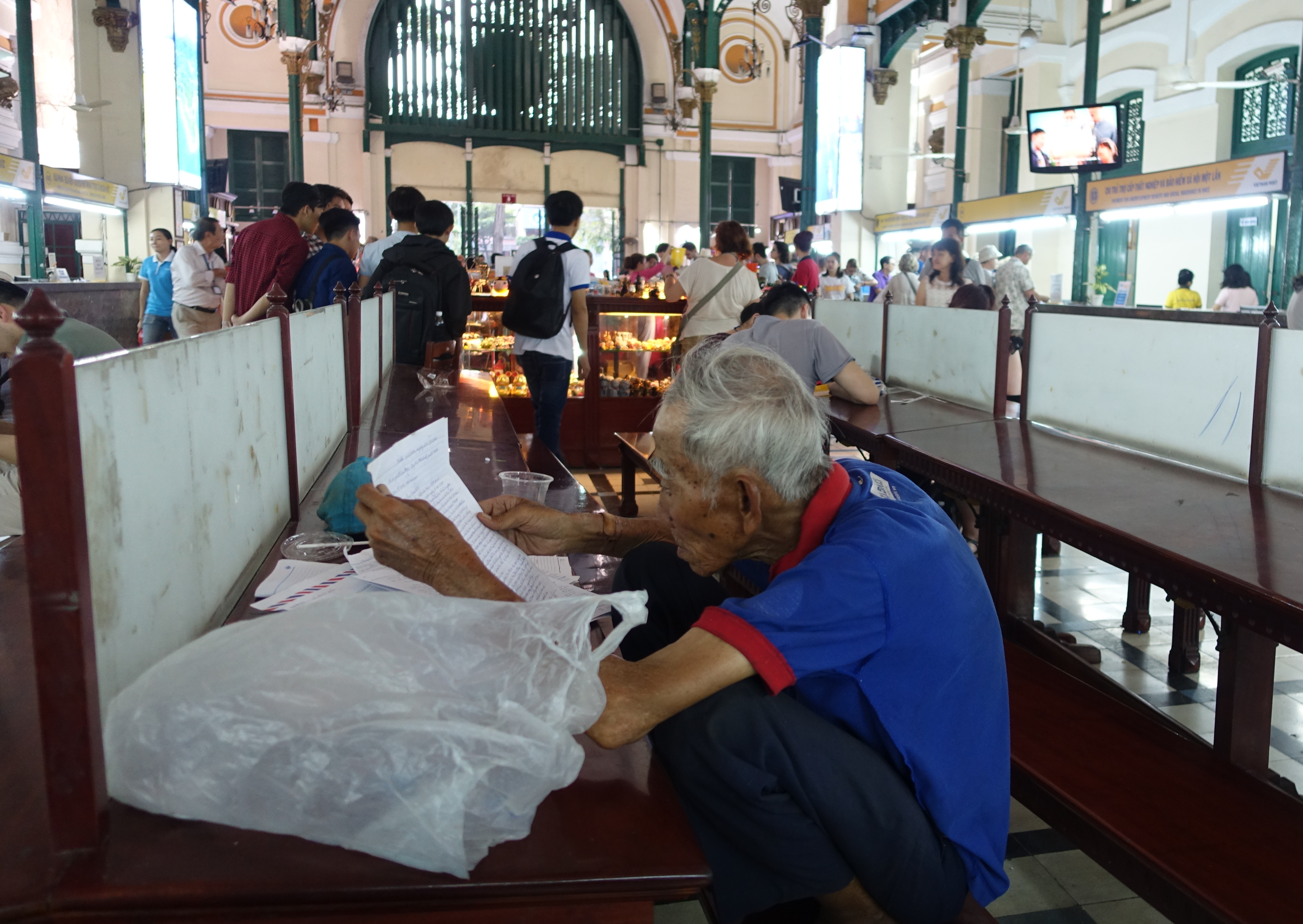
The old man has just begun reading a long letter in Saigon’s Central Post Office

DSC01294

Posing for a photo outside the Louis Vuitton store in Saigon

DSC01434

Children enjoying Springtime flowers

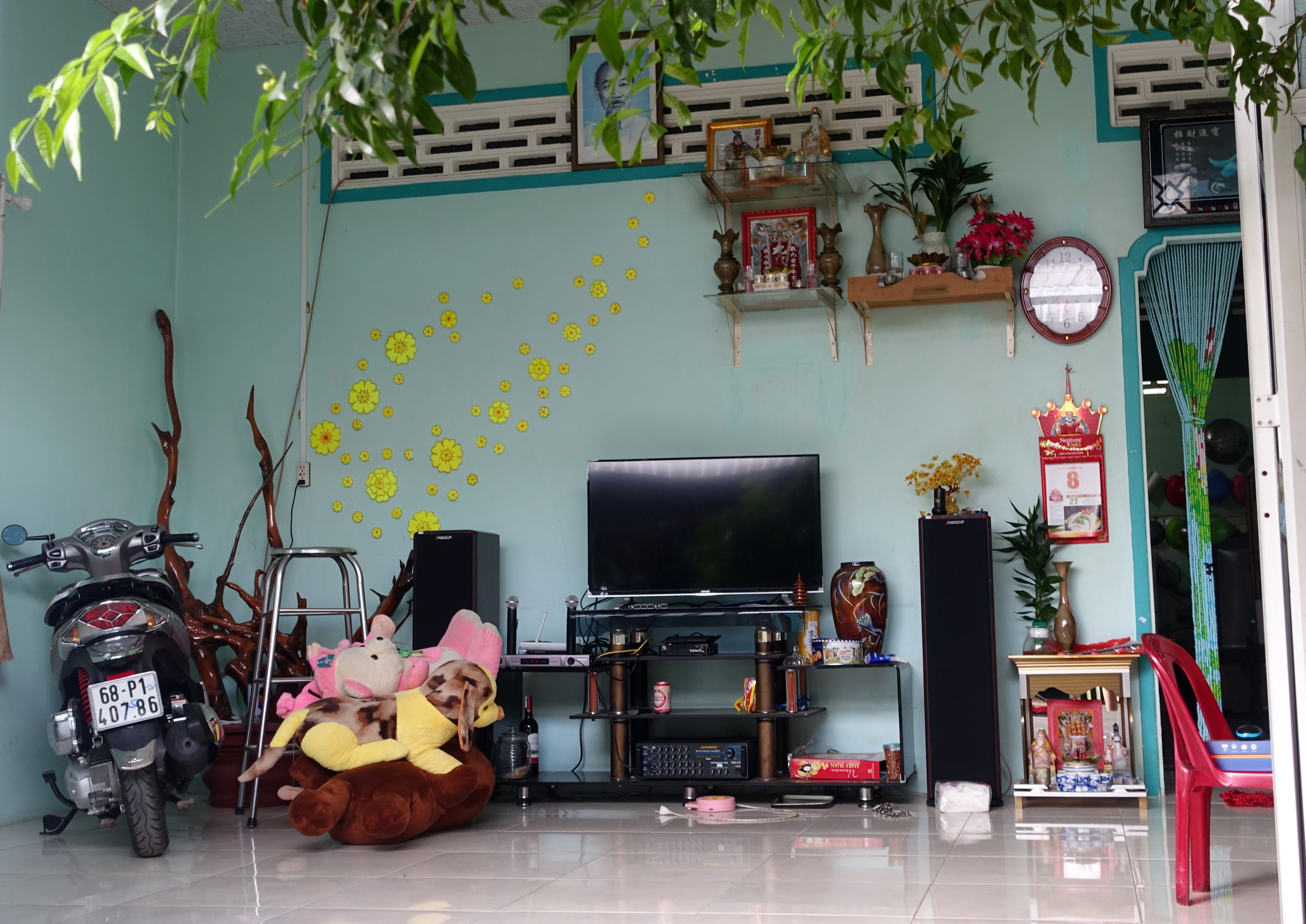
The last picture of a family’s open front room (in Ganh Dau village, Phu Quoc) seems to epitomise many aspects of contemporary Vietnam – the motor cycle, televison and music centre, a Buddhist religious ‘shrine’ with symbolic offerings, the portrait of Ho Chi Minh, and the children’s fluffy toys combined with the openness of the room to the outside (neighbours and passers by) world.

DSC01350

For further reading about how Vietnam’s development from the 1990’s, Bill Hayton’s Rising Dragon is essential reading. The website Everyday Life  provides a useful concise summary of how the country is changing

Miami Beach – art deco paradise

Travel blog

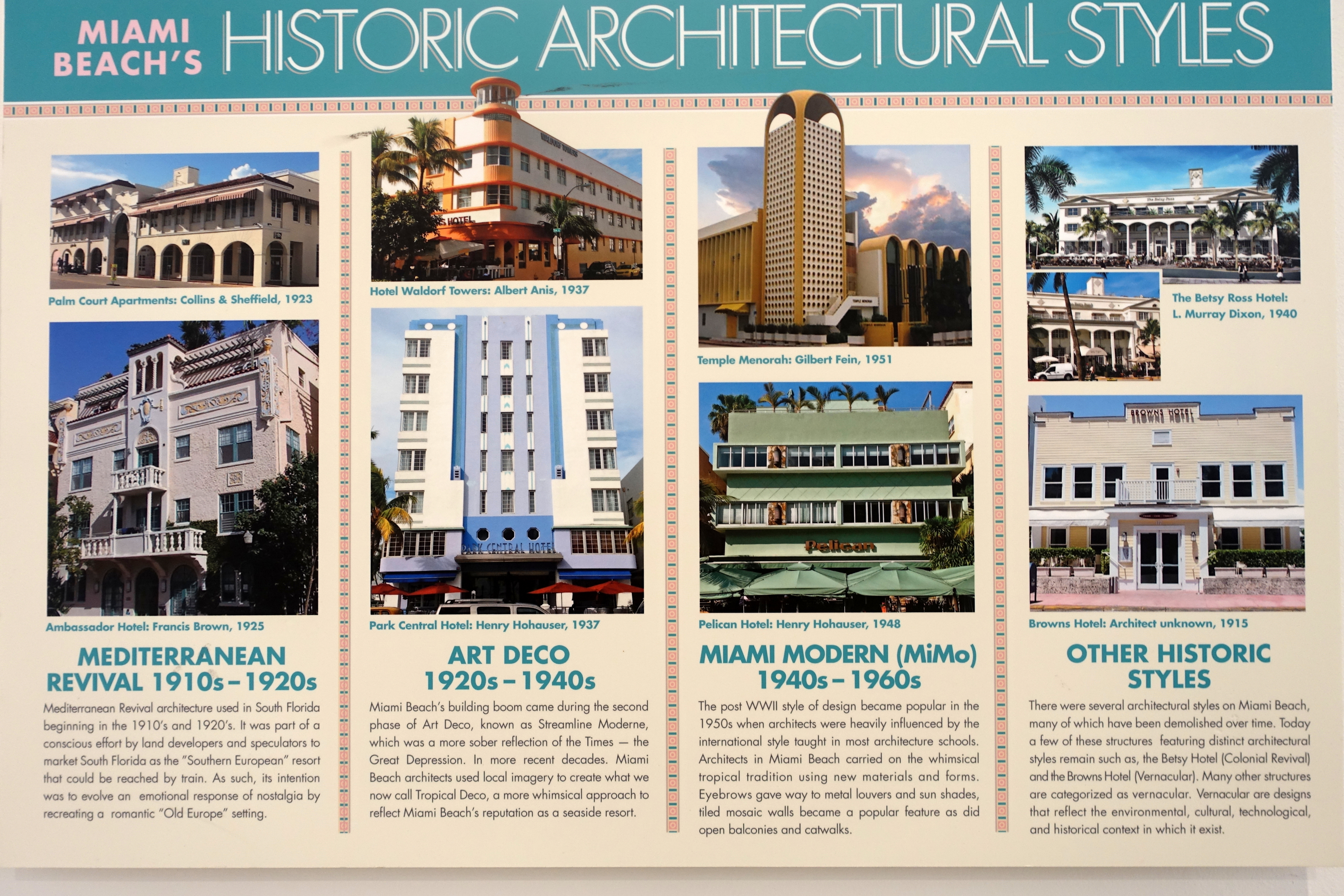
Miami Beach was developed as a luxury tourist resort in the early 20th century and the heyday of building was in the late 1920s and early 1930s during which the dominant design was arte moderne, or art deco, as it came to be known. Unlike in most of the USA, the buildings from that era have largely been preserved. They are concentrated in an area of South Miami Beach which is now known as the Miami Beach Architectural District – the area is in fact characterised by several architectural styles

DSC09667

courtesy of the Art Deco Welcome Centre

However, the predominant syle is art deco

DSC09668

The fact that so many of the original buildings have survived is mainly due to the efforts of the late Barbara Capitman who was instrumental in forming the Miami Design Preservation League in 1976. They led the fight against plans to demolish the historic buildings which made South Miami Beach so unique

DSC09867

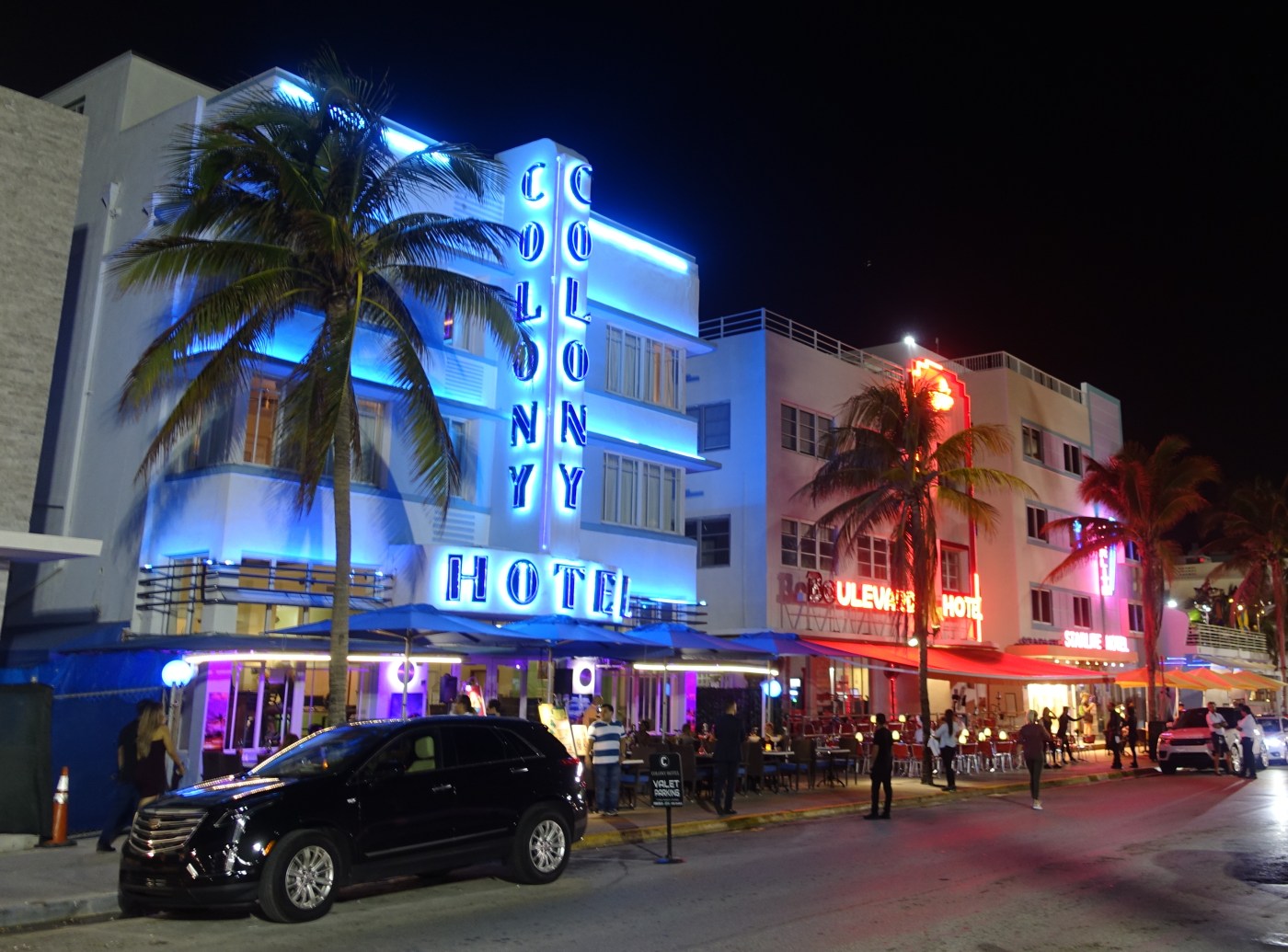
The stylish design and seductive colour of these buldings, especially the hotels, makes for a stunning sight as you stroll along Ocean Drive and Collins Avenue and beyond.

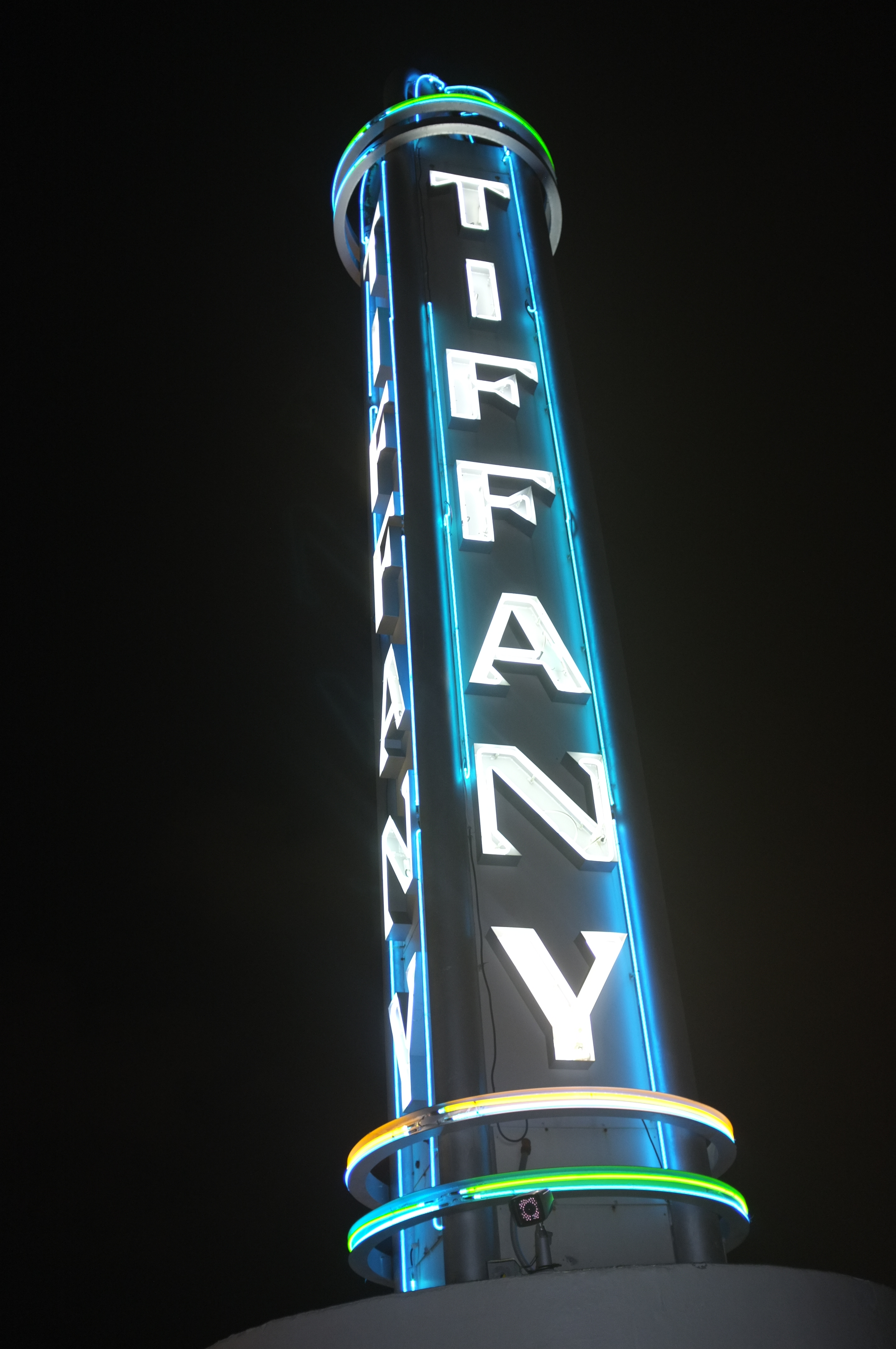
We stayed at the Hotel of South Beach, formerly known as Tiffany, which is illustrated in the above poster. The Tiffany tower still beams out at night

DSCF6858

DSC09804

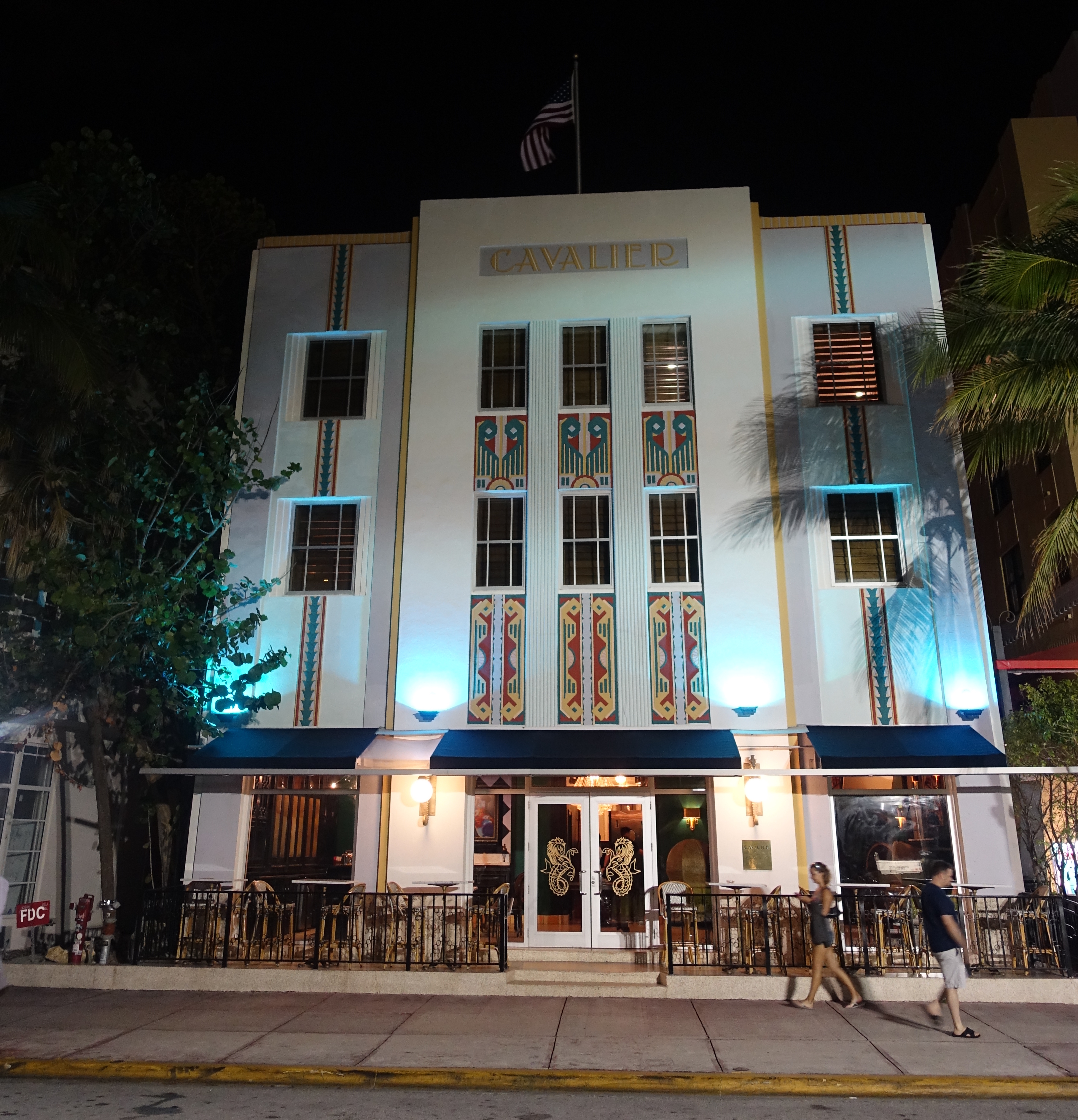
Here is a sample of some of the hotels we encountered whilst strolling through the district

DSC09706

DSC09705

IMG_4342

Hotel Delano

DSC09702

Hotel National Bar

DSC09875DSC09870DSC09864DSC09732DSC09656

DSC09863

sunrise at the Beacon

DSC09846DSC09862DSC09648DSC09651

DSC09654

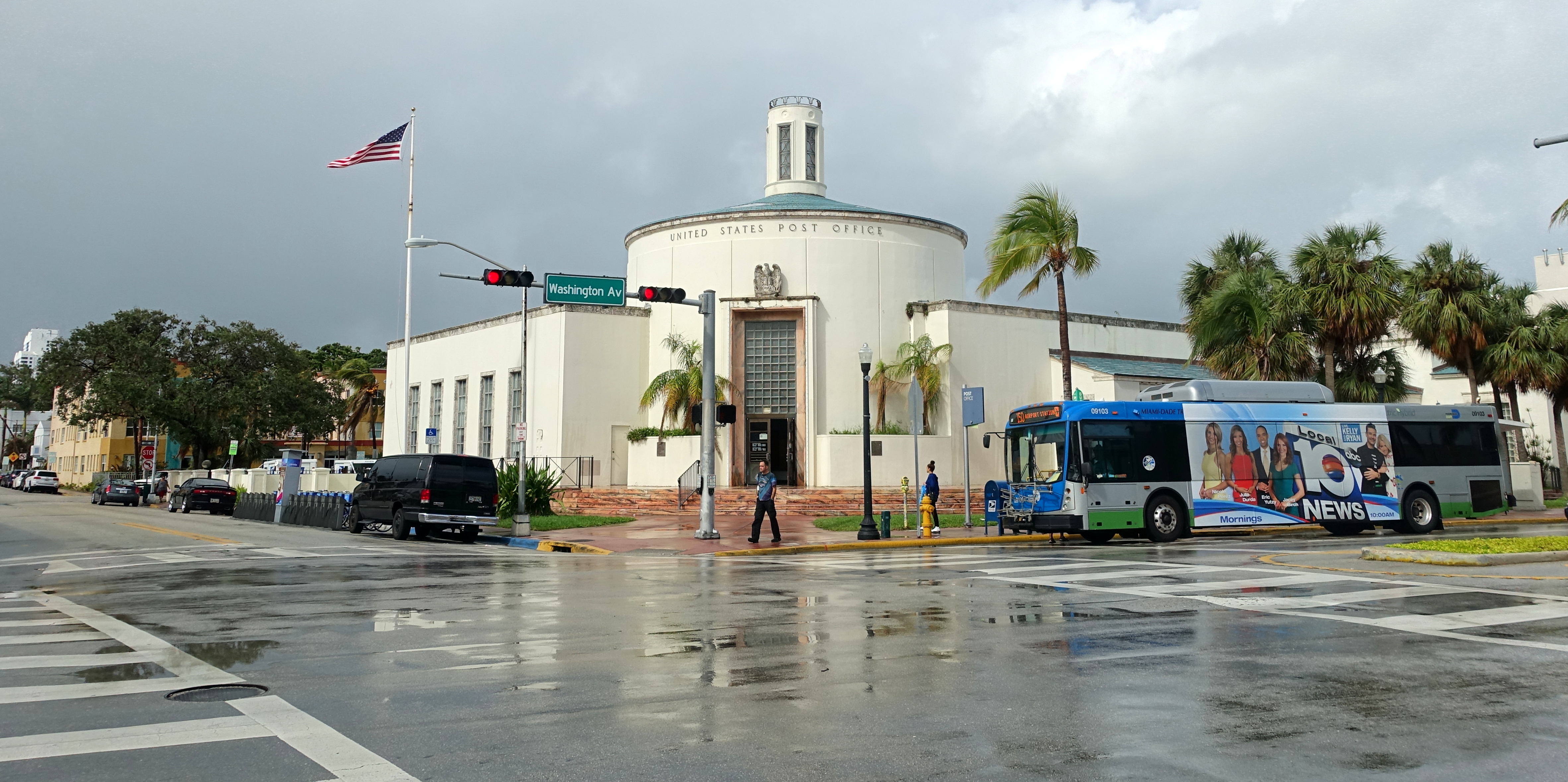
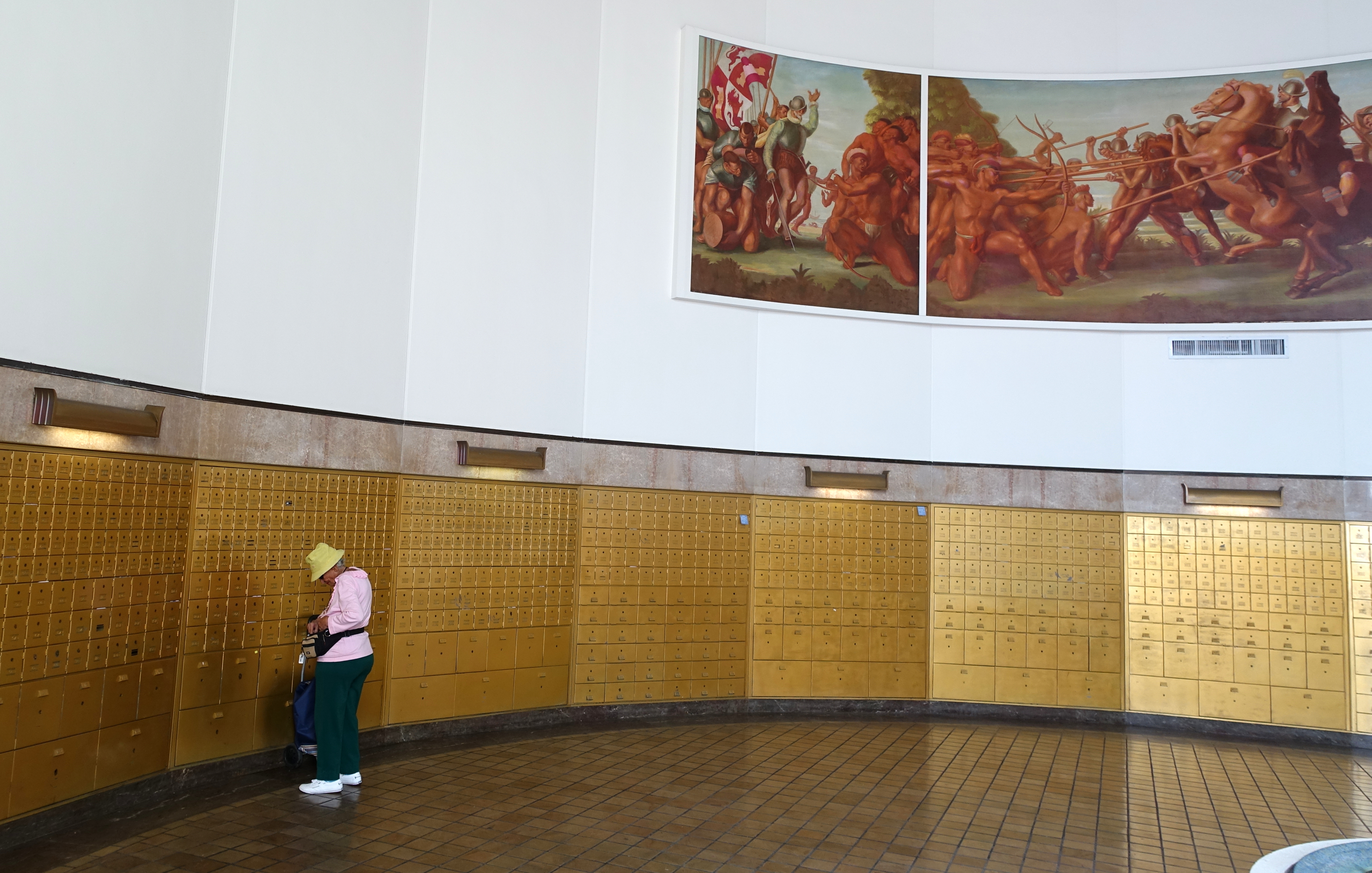
Apart from the hotels and houses, the style even extended to the post office with its beautiful interior

DSC09674DSC09675DSCF6930

DSC09879

Close by is what used to be Hoffman’s Cafeteria but is now Senor Frogs, a Mexican restaurant

DSC09640

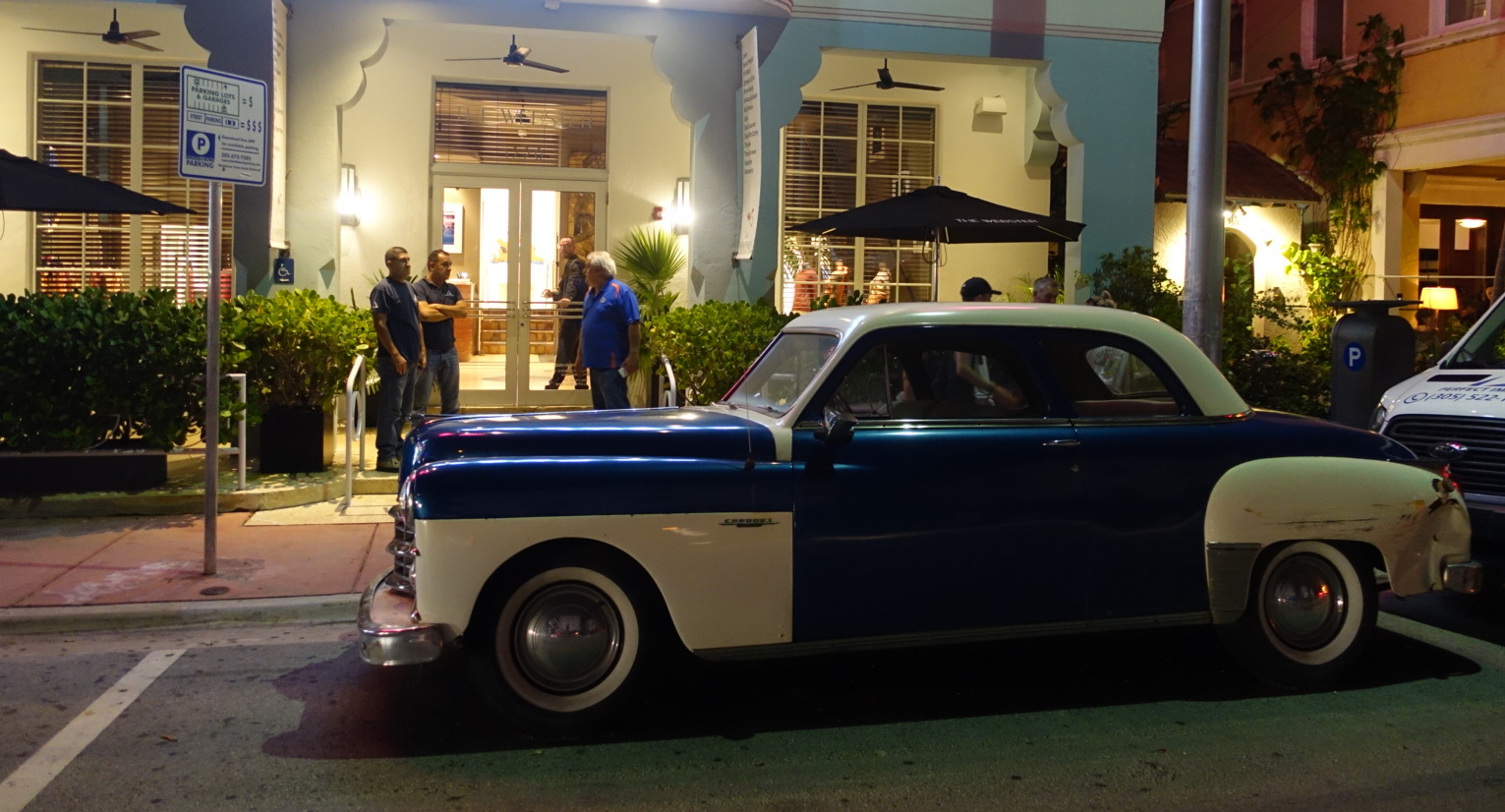
To add to the period charm of the area, a few classic American cars from the 1950s can be found at various locations

DSC09666

DSCF6877

GLOU1258

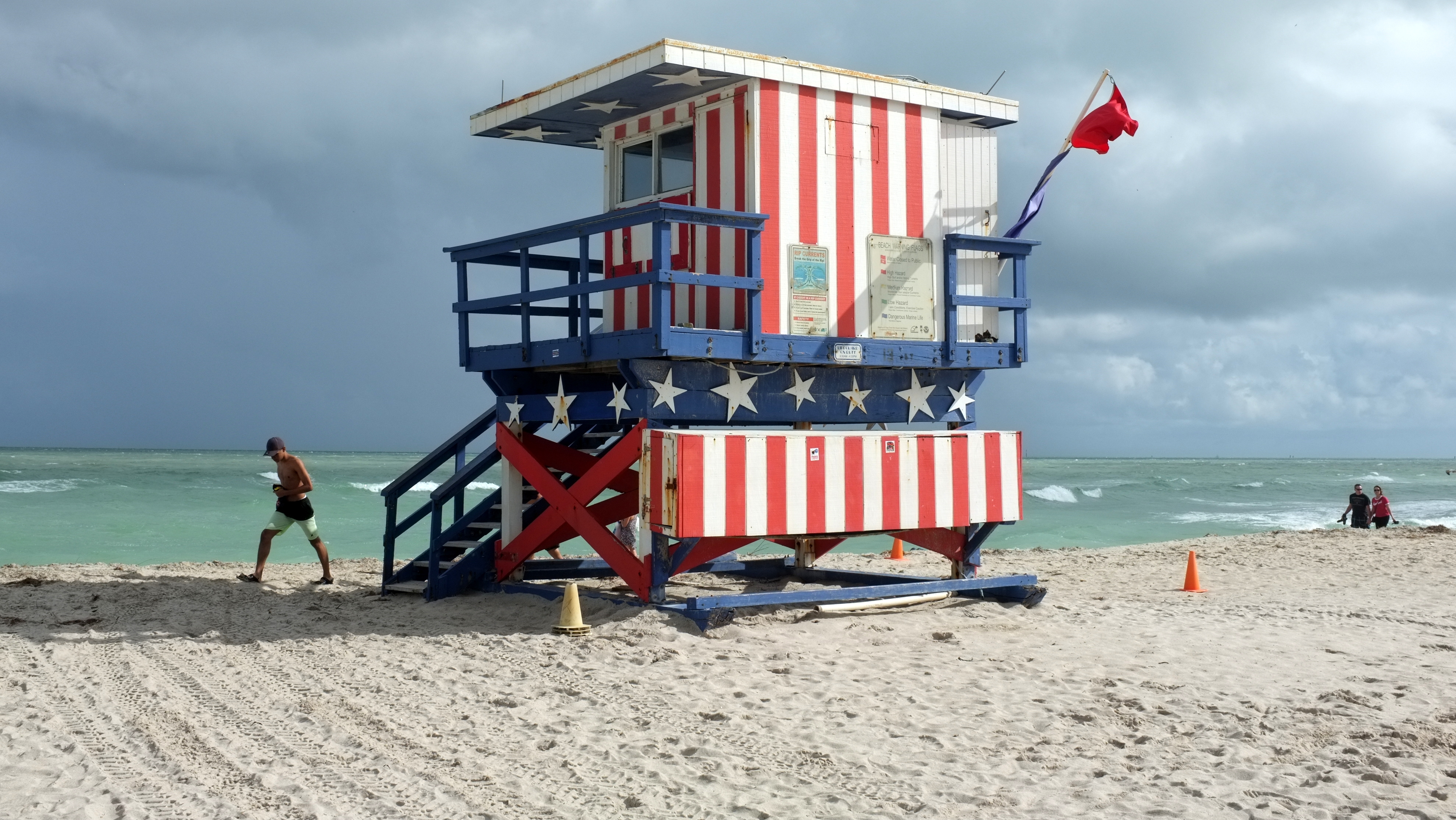
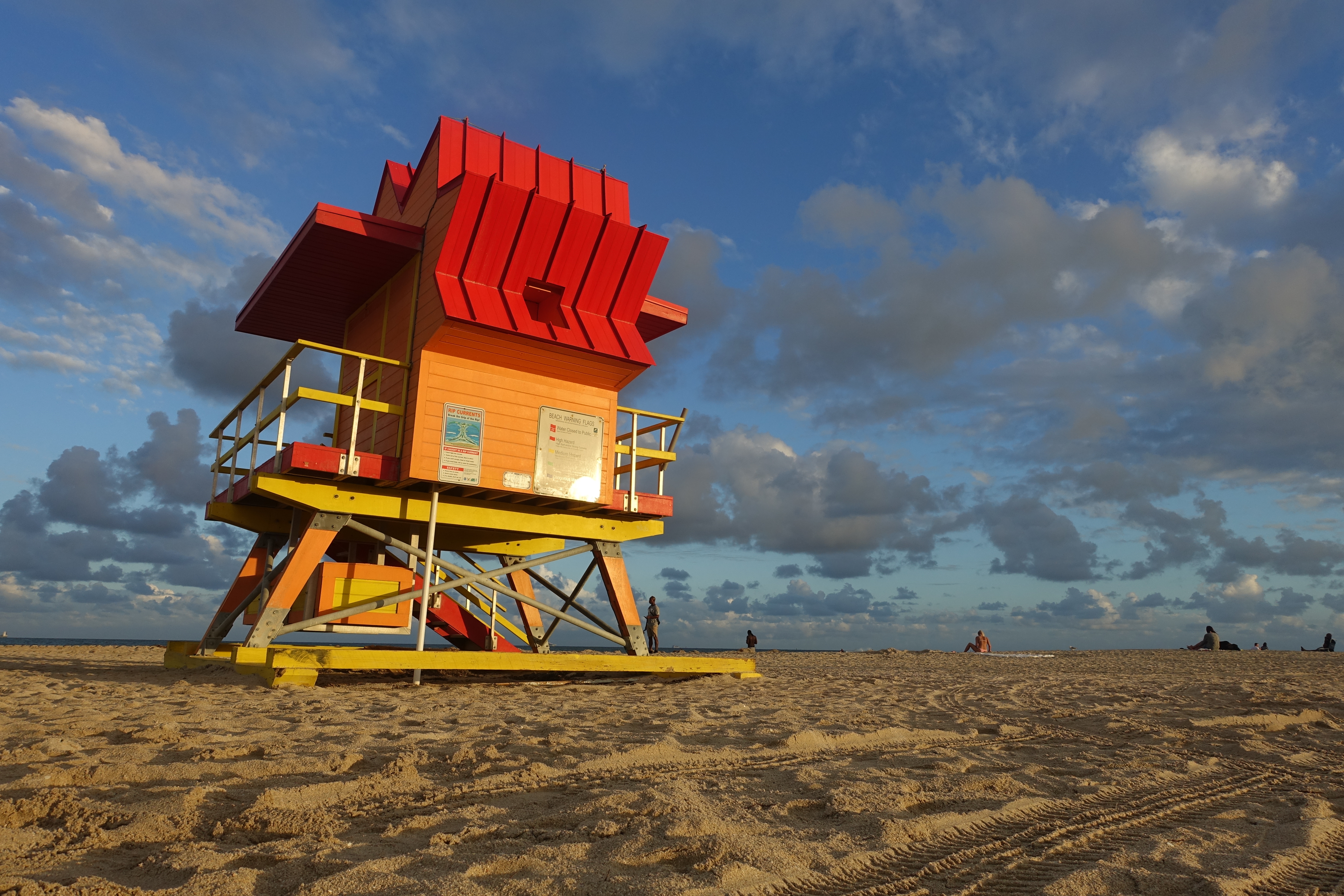
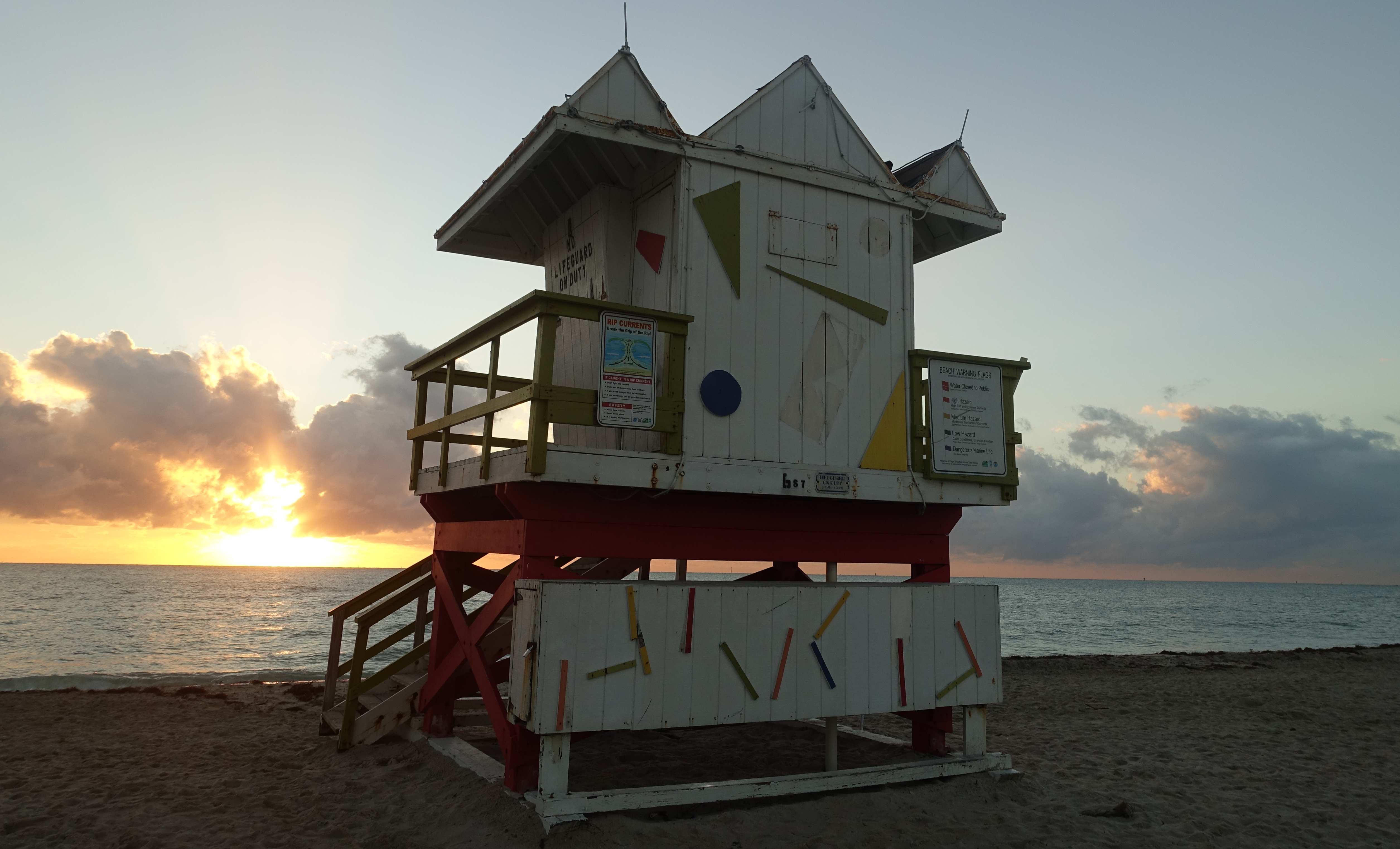
Along the beach itself are a stream of lifeguard towers that were introduced following Hurricane Andrew in 1992 which had destroyed all the existing towers. These have an appealing quirky design which adds a vibrant colour to the beach scene

DSCF6969DSCF6977DSC09816DSC09847

DSC09888

Towers receiving a new lick of paint

DSCF7032

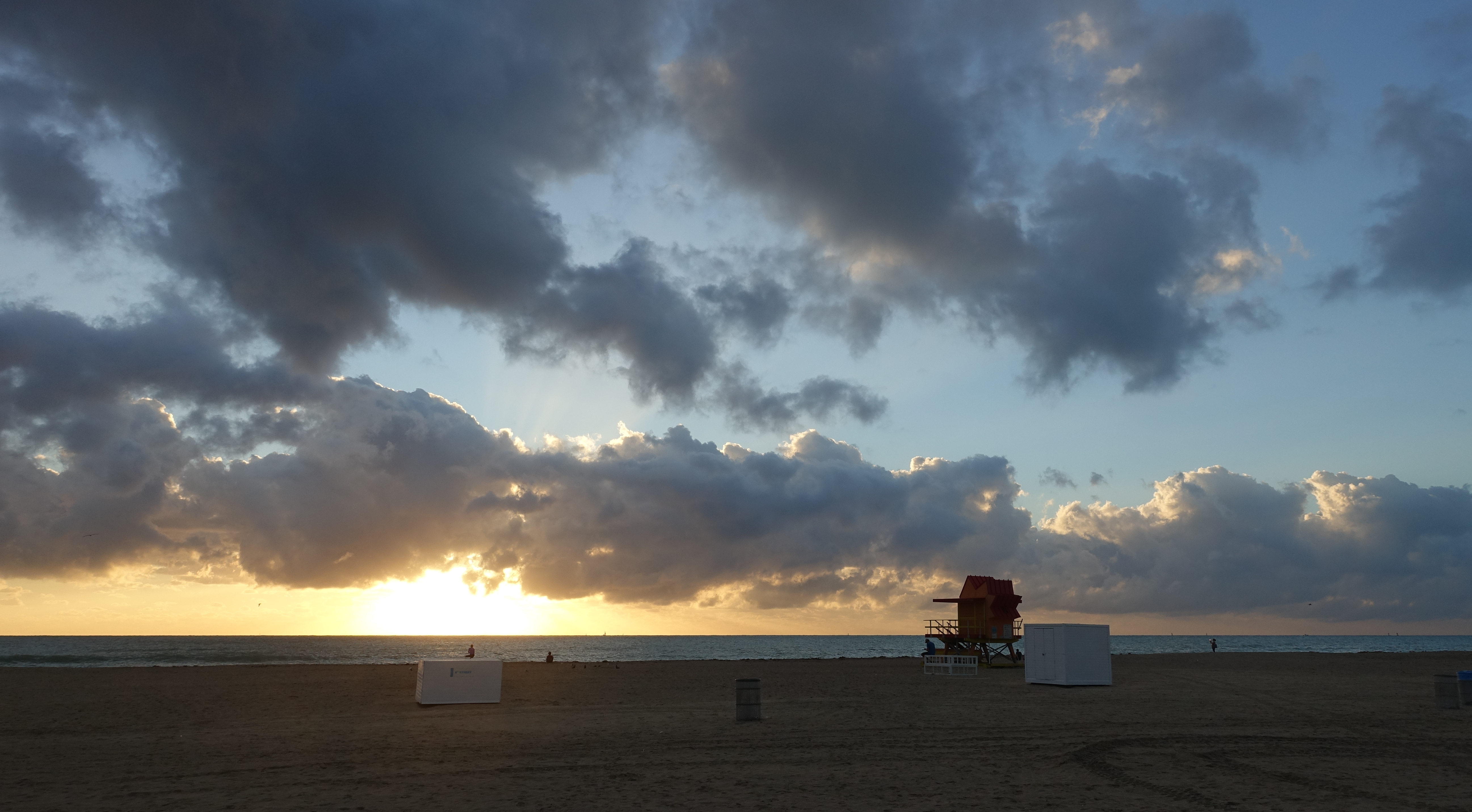
Facing east across the Atlantic Ocean, Miami Beach is the perfect place from which to view the sunrise

DSC09744

DSC09743DSC09852IMG_4431

DSC09747

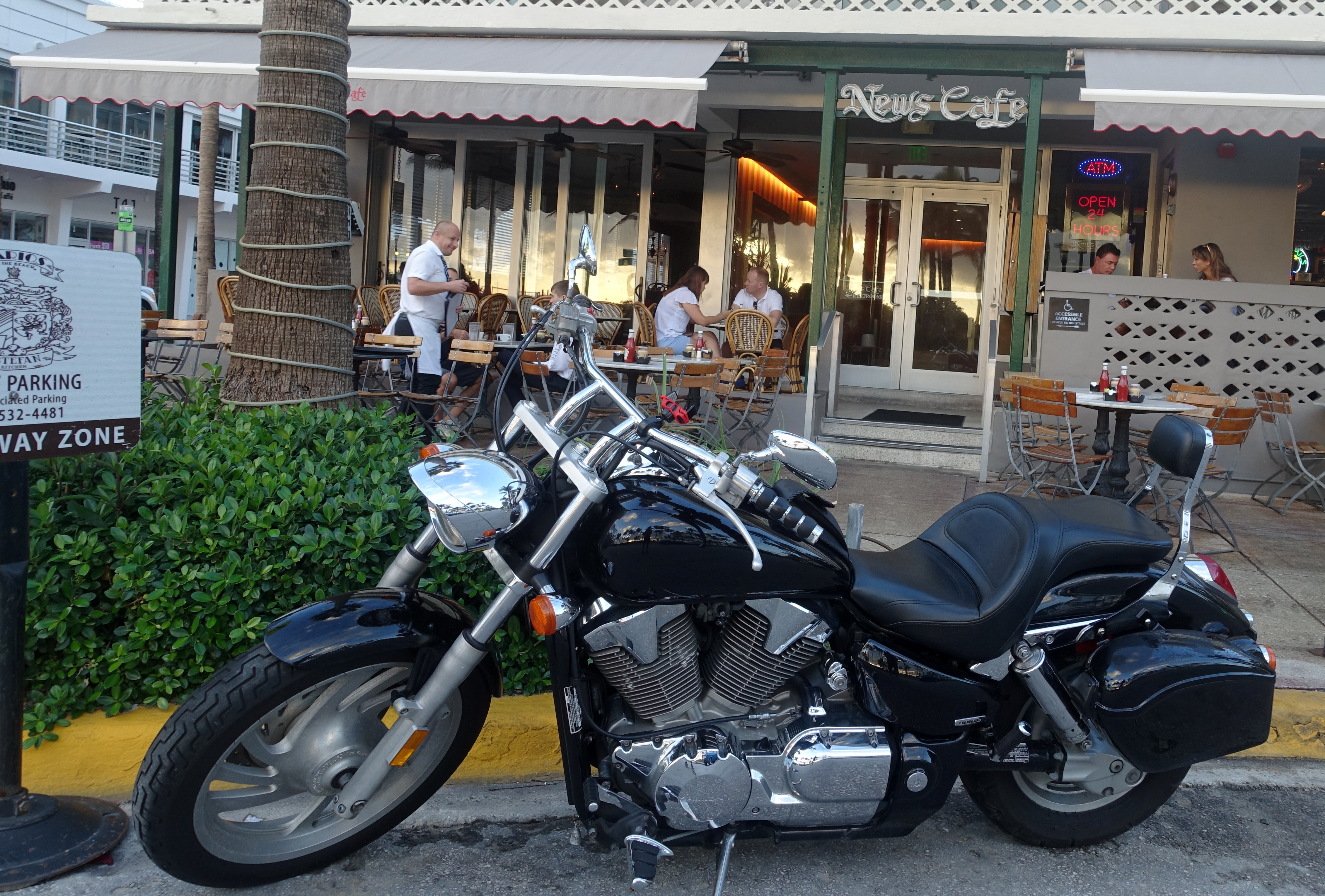
At which point it is time to take breakfast at the News Cafe, where to the backdrop of classical music, you can read the morning paper and enjoy Ocean Drive coming to life.

DSC09861

Sadly, this was the last place visited by Gianni Versace, who after collecting his morning papers, was gunned down on the steps of his nearby mansion  in July 1997.

New Orleans – jazz and oysters

Travel Blog

The musical heritage

Known locally as NOLA or by a wider audience as the Big Easy, New Orleans is probably best known for its musical heritage, most notably jazz. It is considered to be the birthplace of what has come to be known as traditional or dixieland jazz.

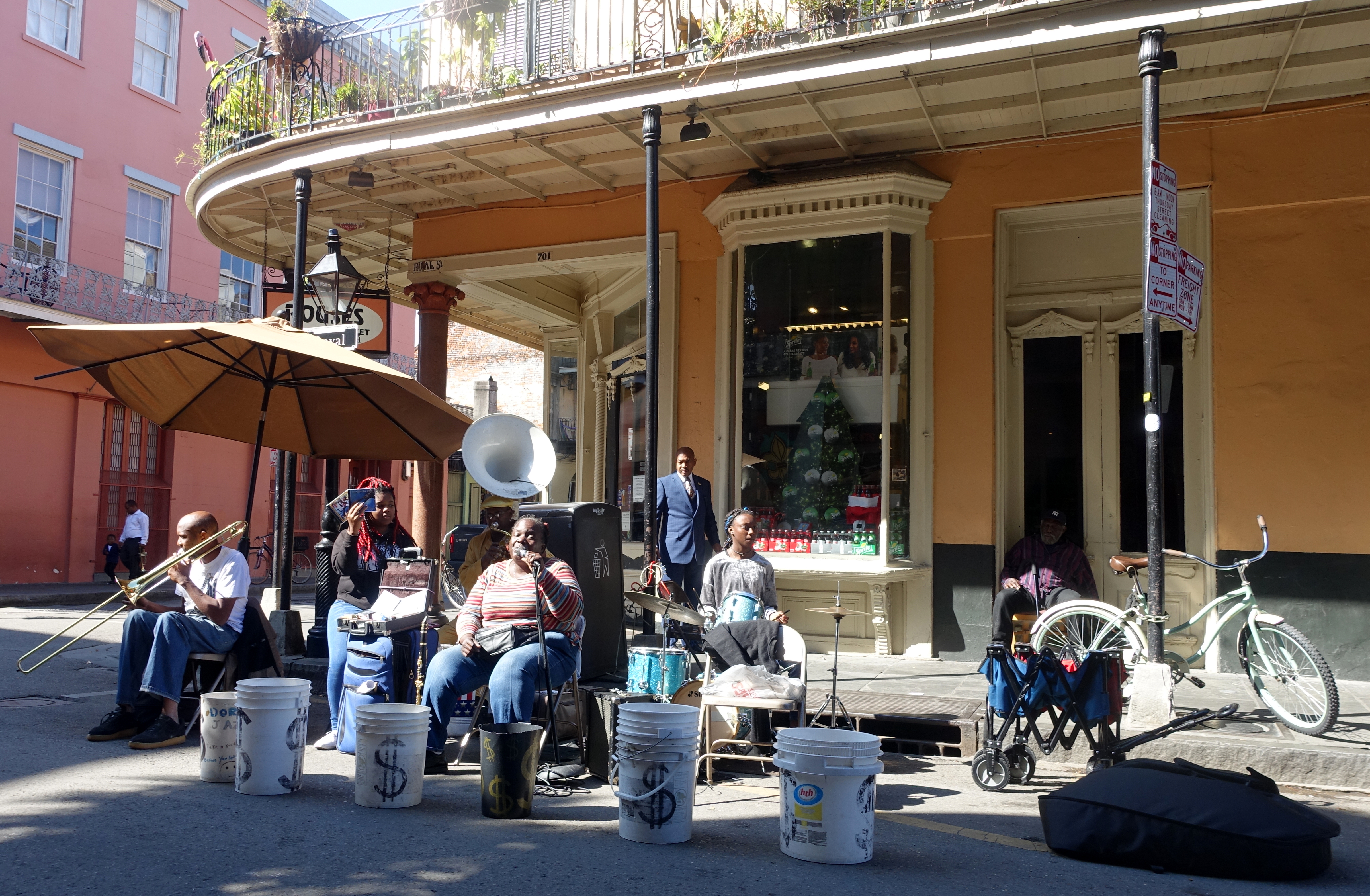
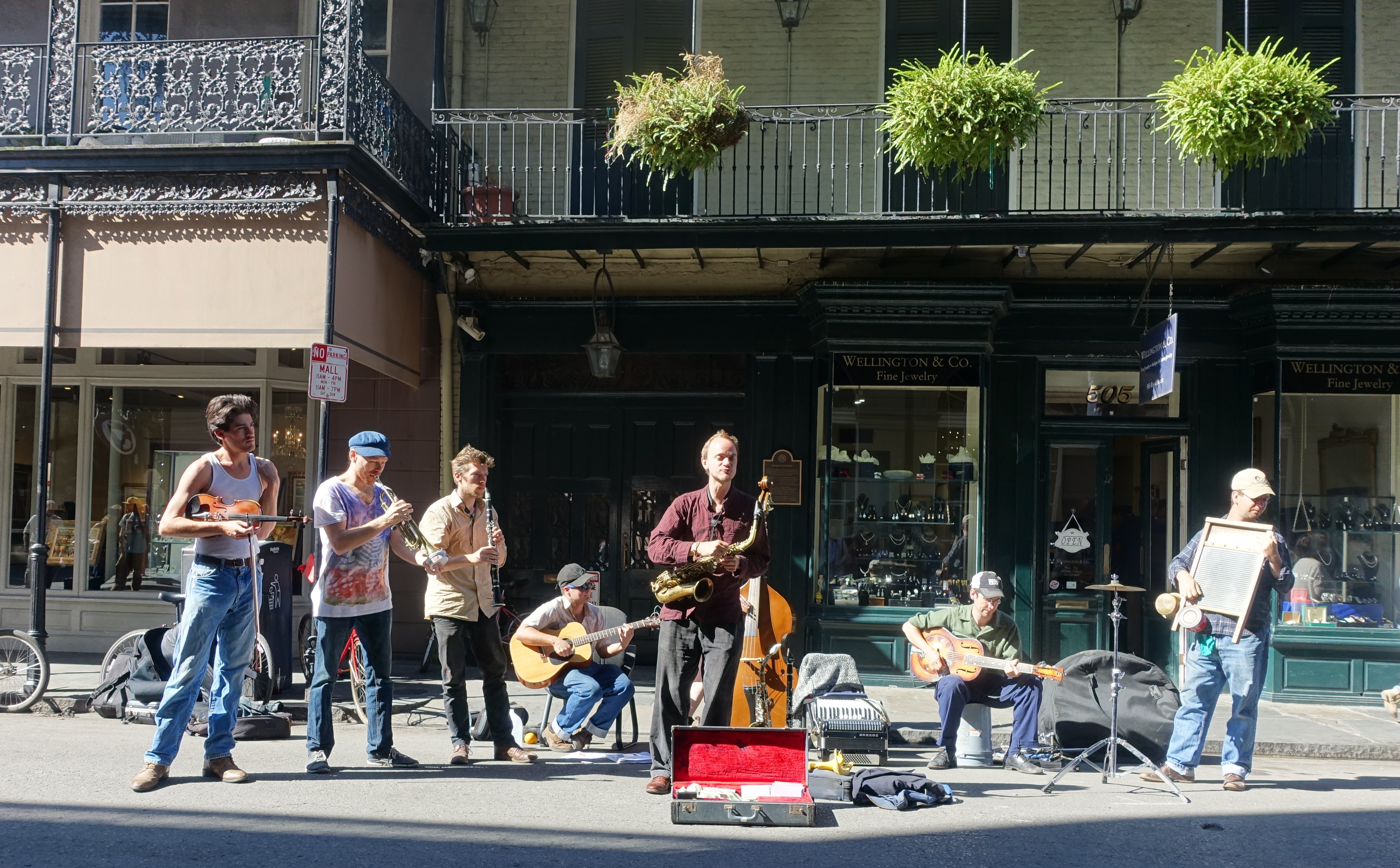
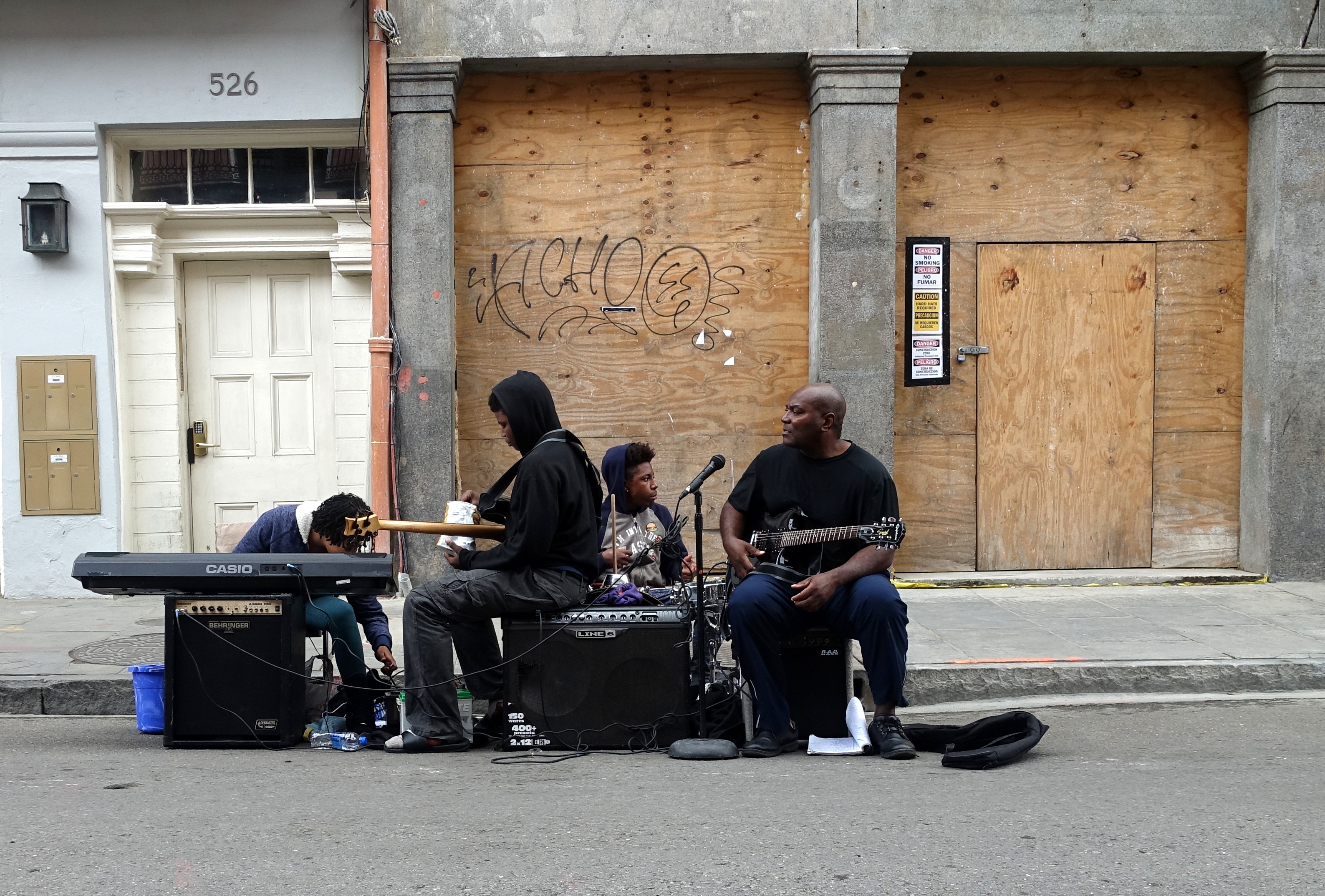
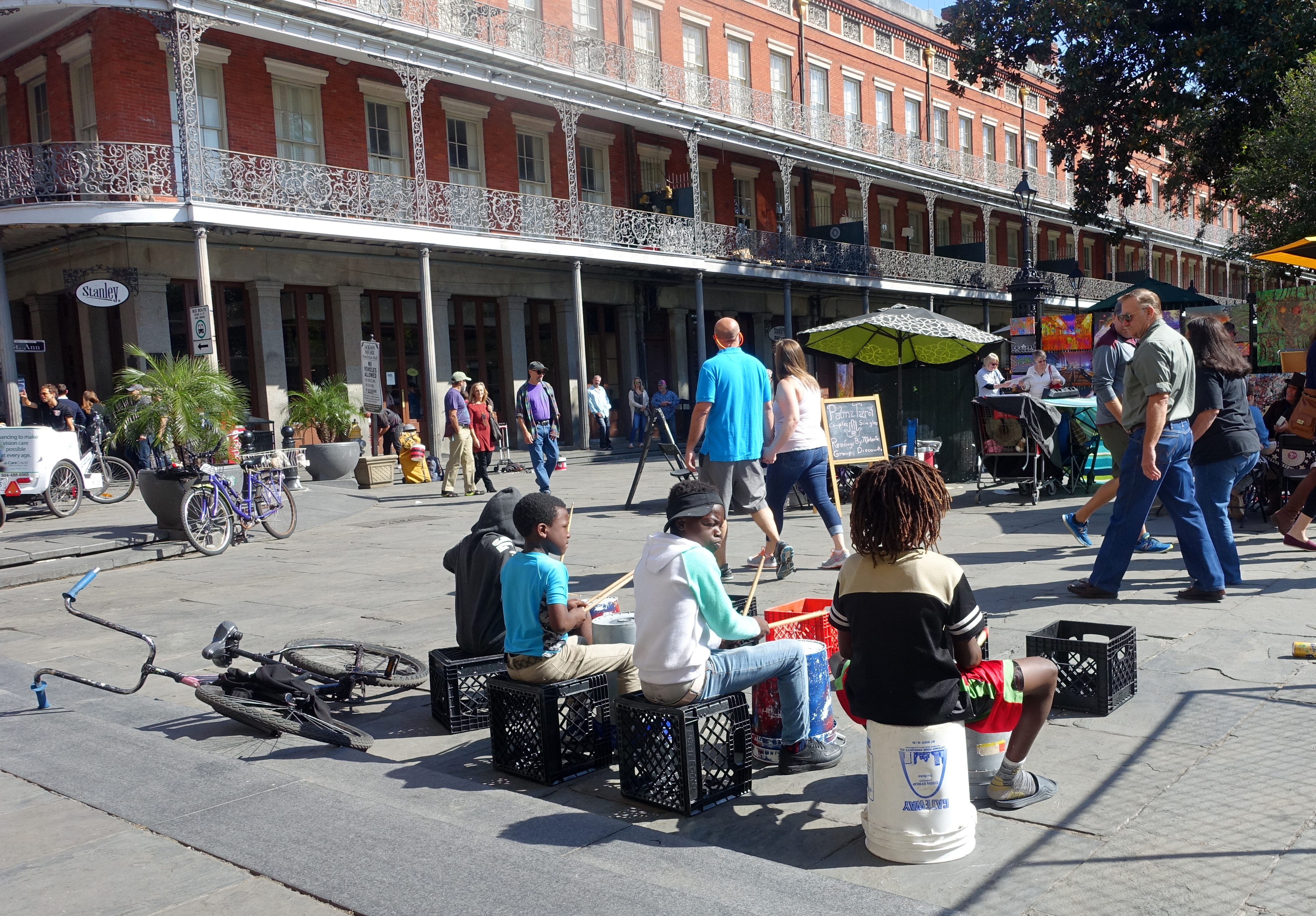
Wandering the streets of the French Quarter, jazz music seems to be alive and well alongside the blues and even DIY percussion

DSC09447

DSC09586

DSC09453

DSC09445

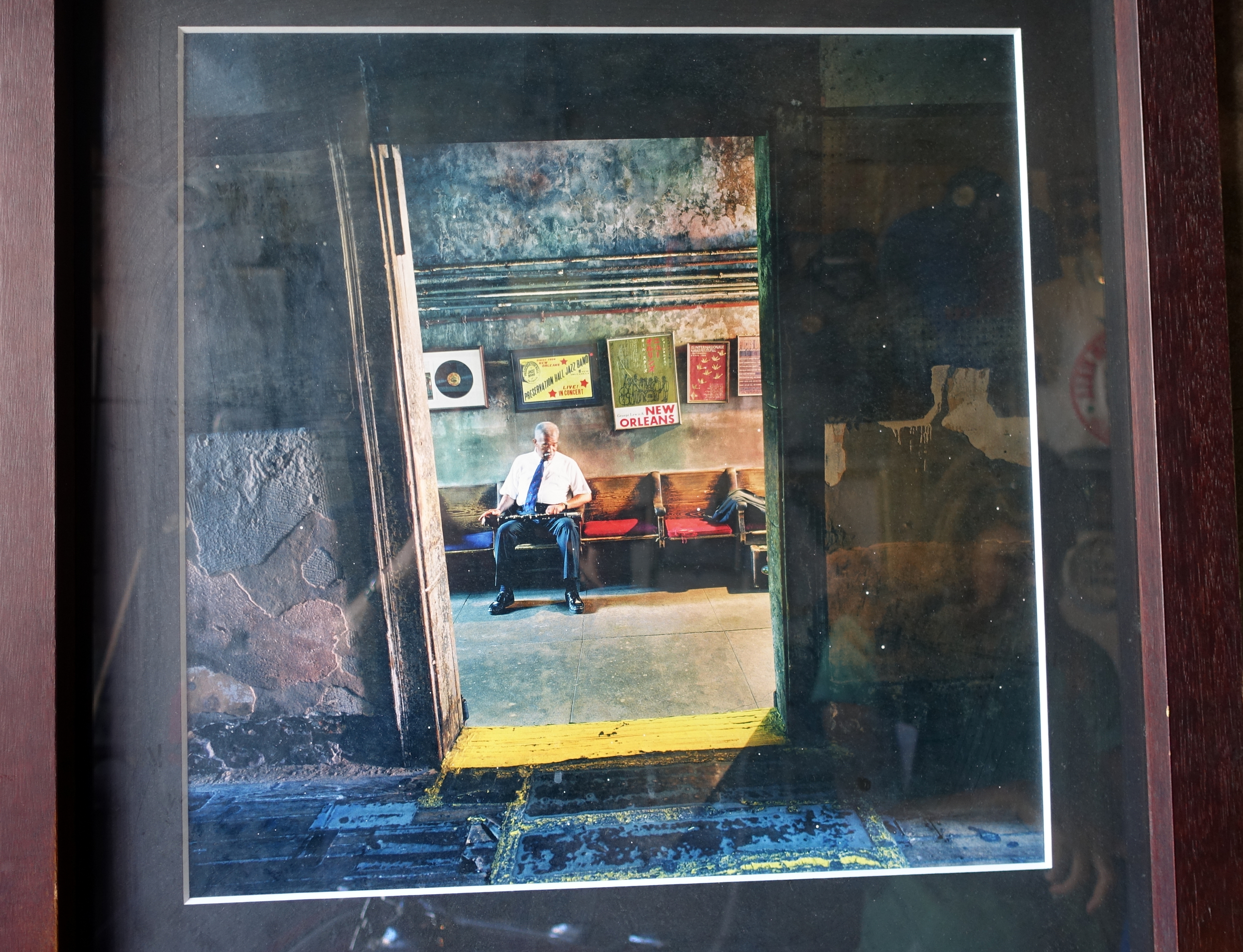
Dedicated to keeping the jazz traditions of NOLA alive is Preservation Hall in which there are daily concerts celebrating the music

DSC09578

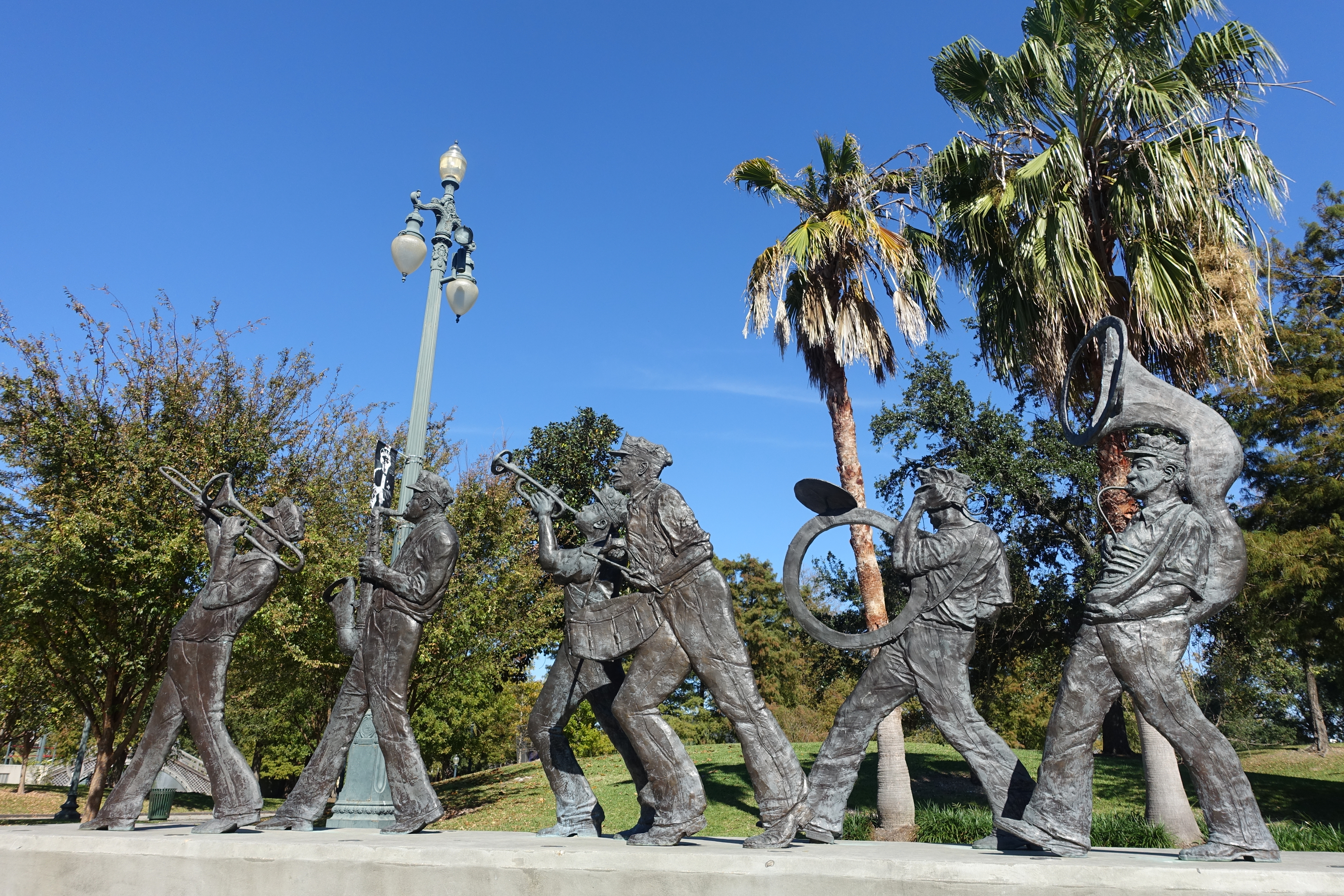
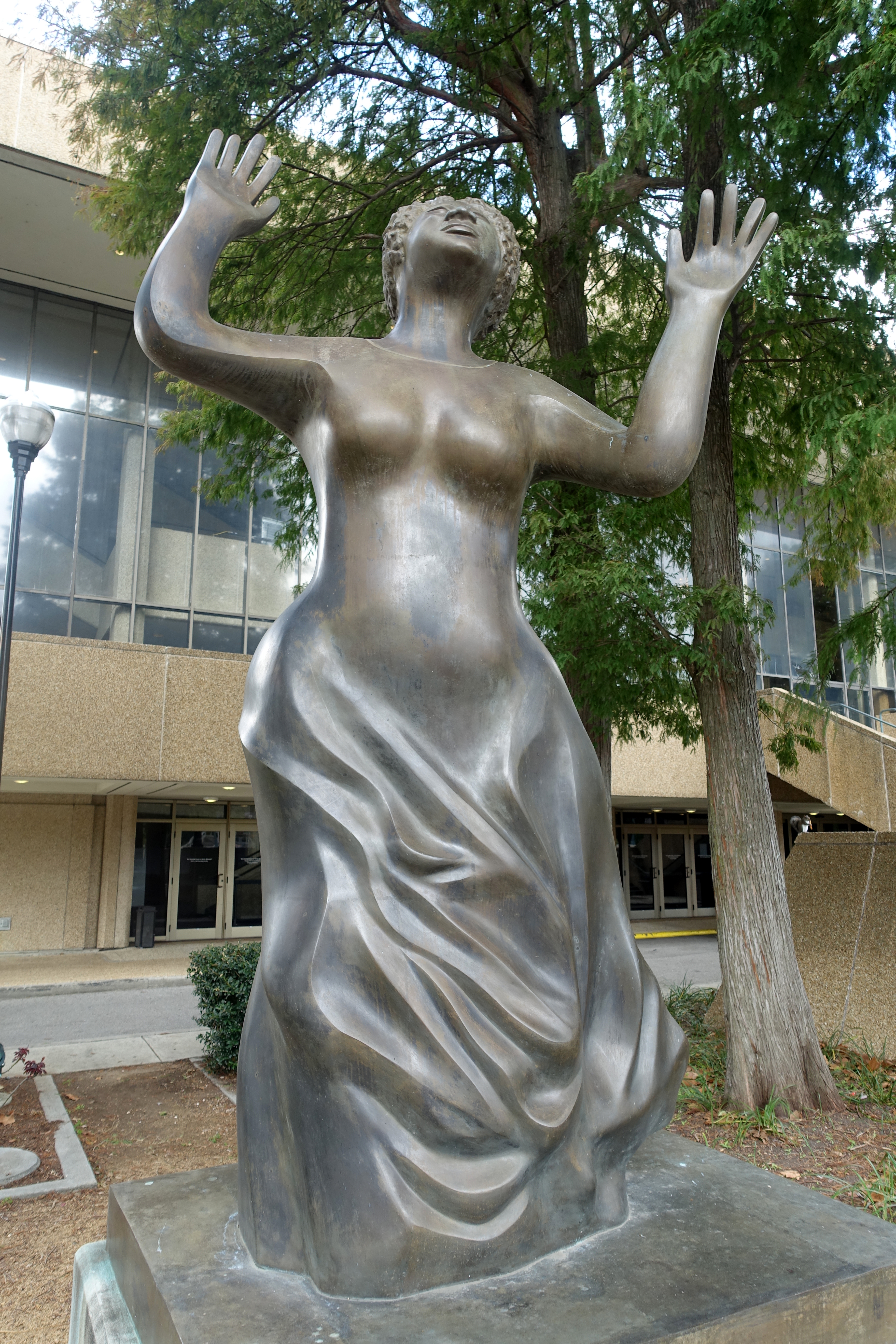
Nearby in Treme is the Louis Armstrong Park, named after the most famous of the city’s jazz musicians, but which also includes the Mahalia Jackson Theatre. Like Armstrong the great gospel singer was born in New Orleans

DSC09575

DSC09456

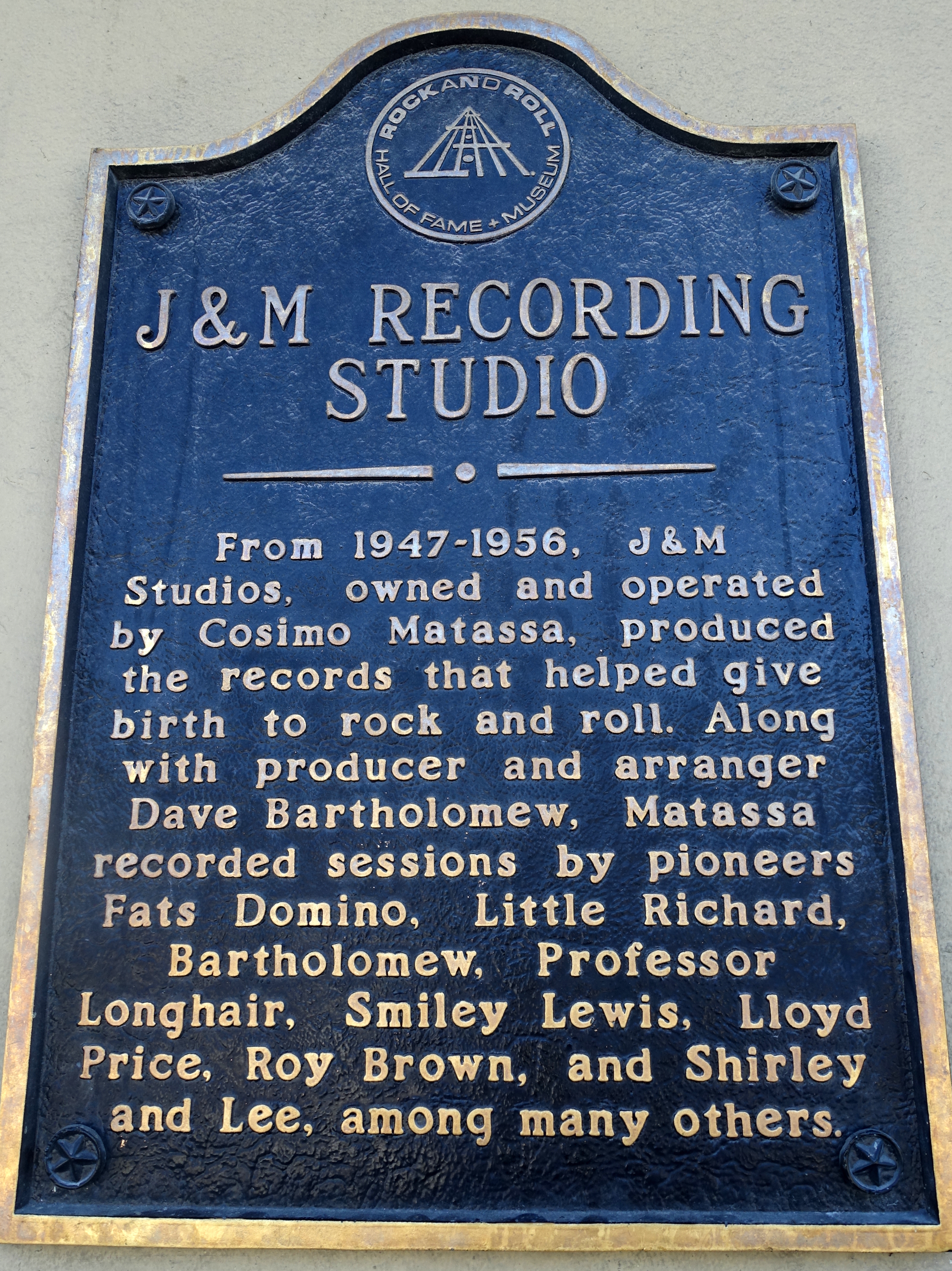
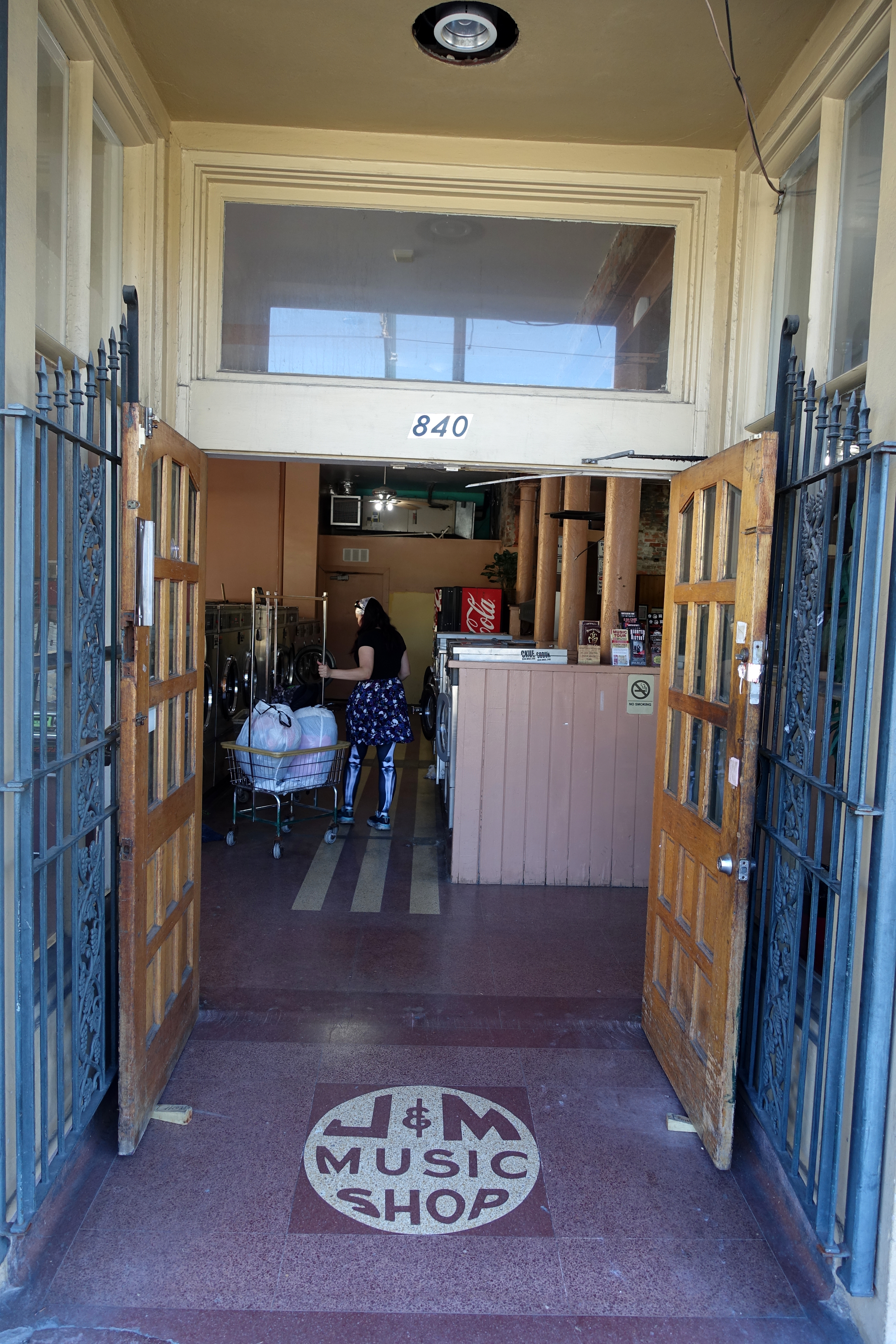
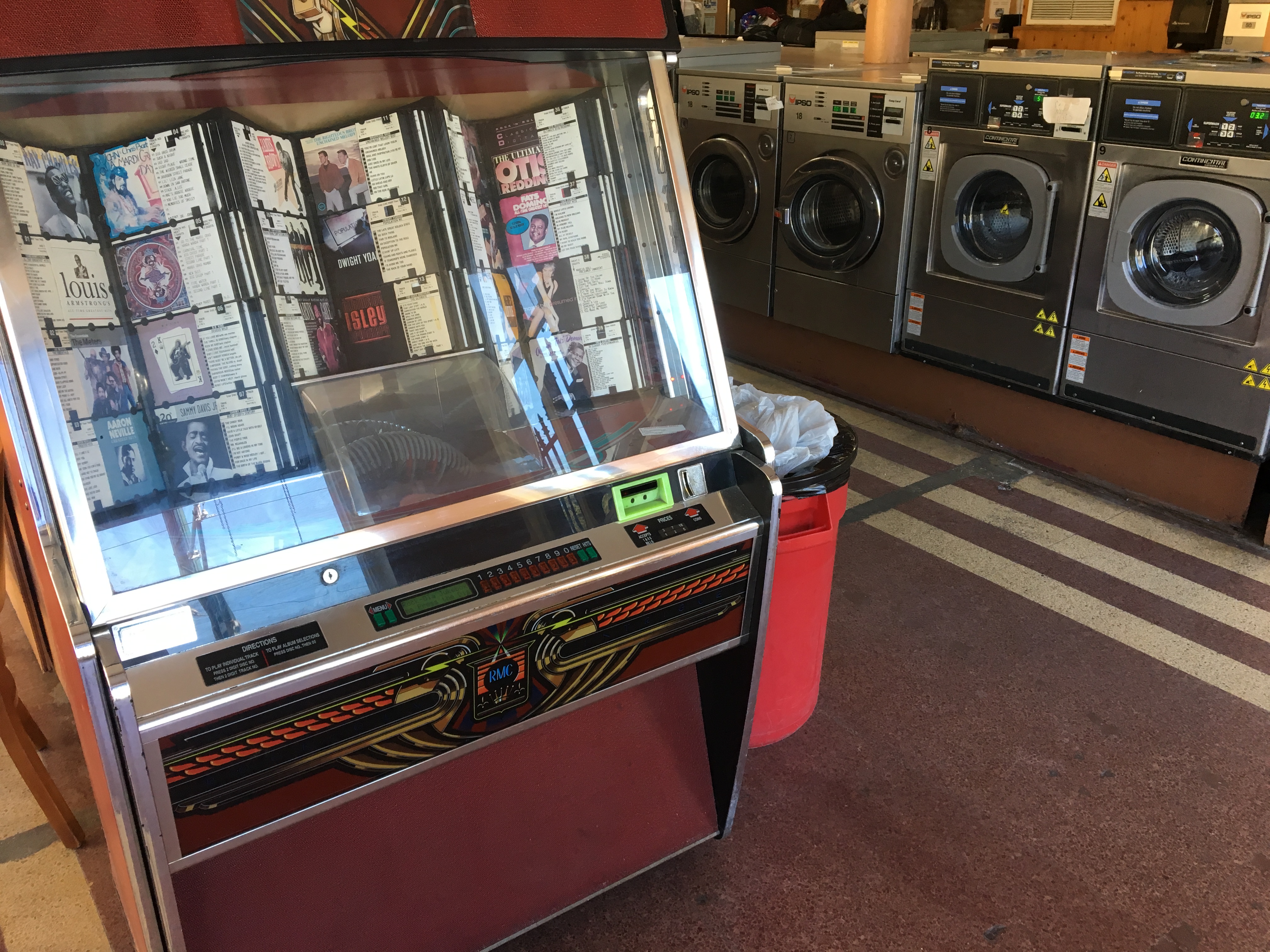
Just across the road from the park is the site of the old J & M recording studio which many see as the birthplace of rock n roll. It is now a laundrette –  a cool place to wash your clothes.

DSC09558DSC09557IMG_4260

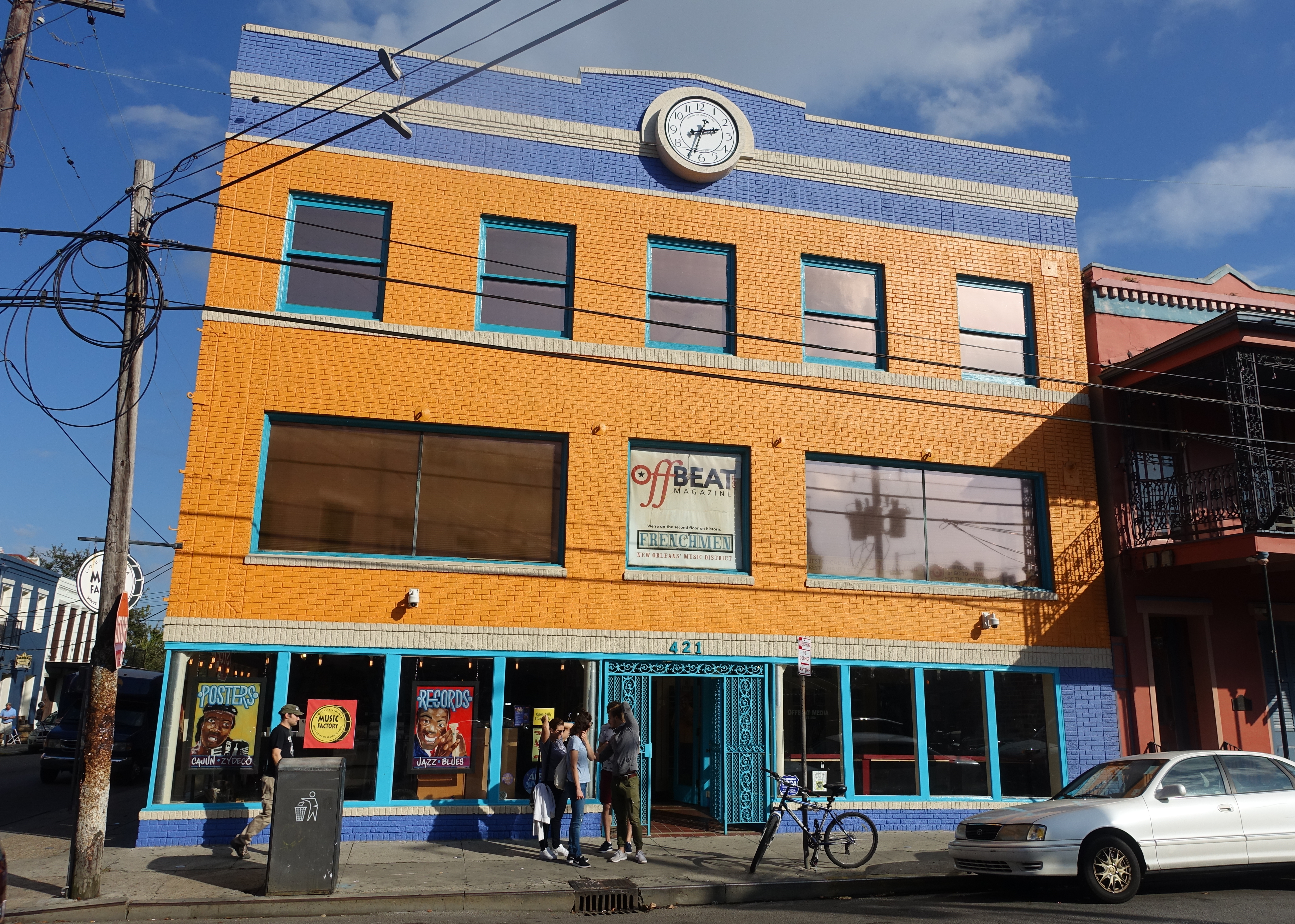
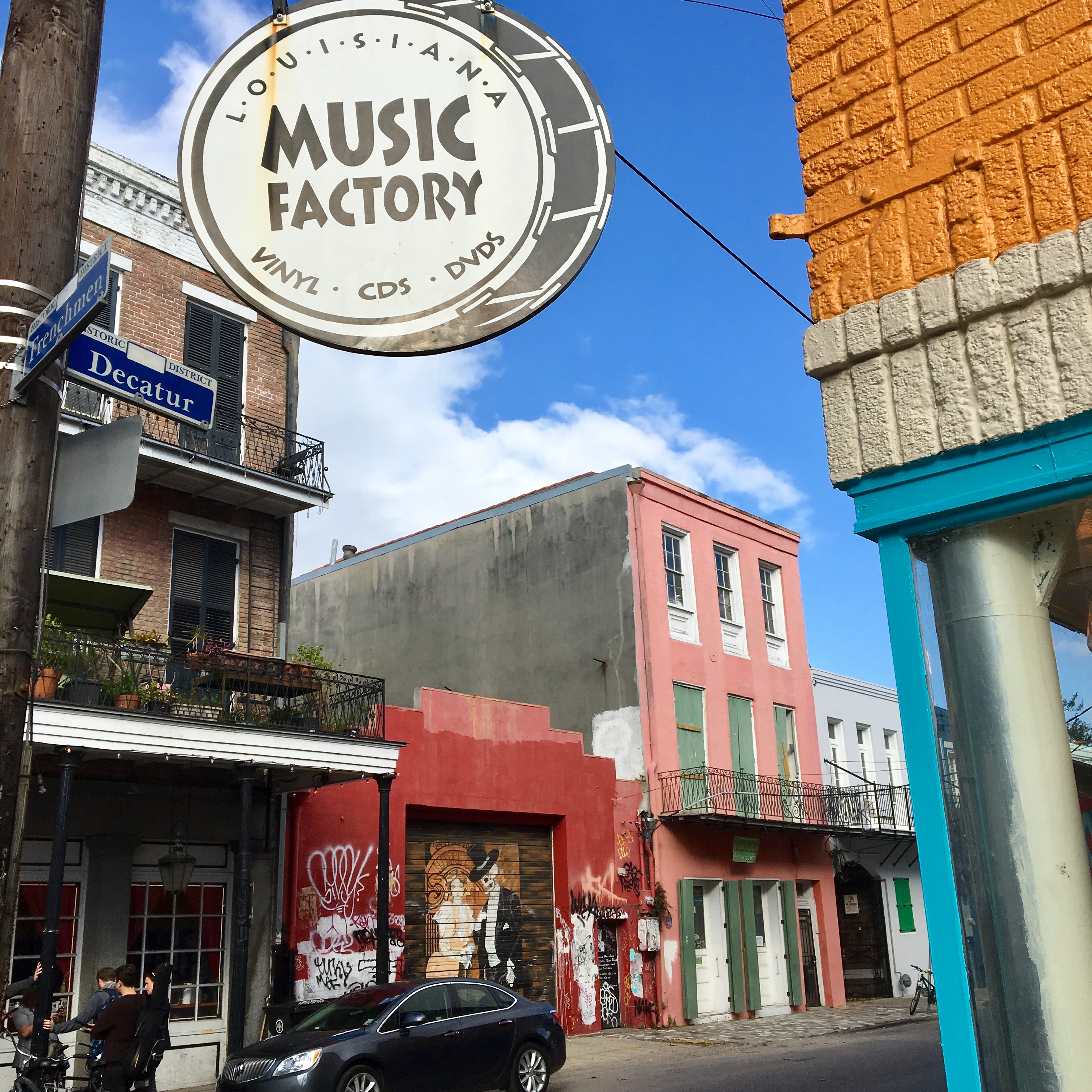
The best live jazz and blues music in New Orleans can be found in Frenchman Street at the end of which lies the New Orleans Music Factory, an impressive music store

DSC09462IMG_4101

The French Quarter

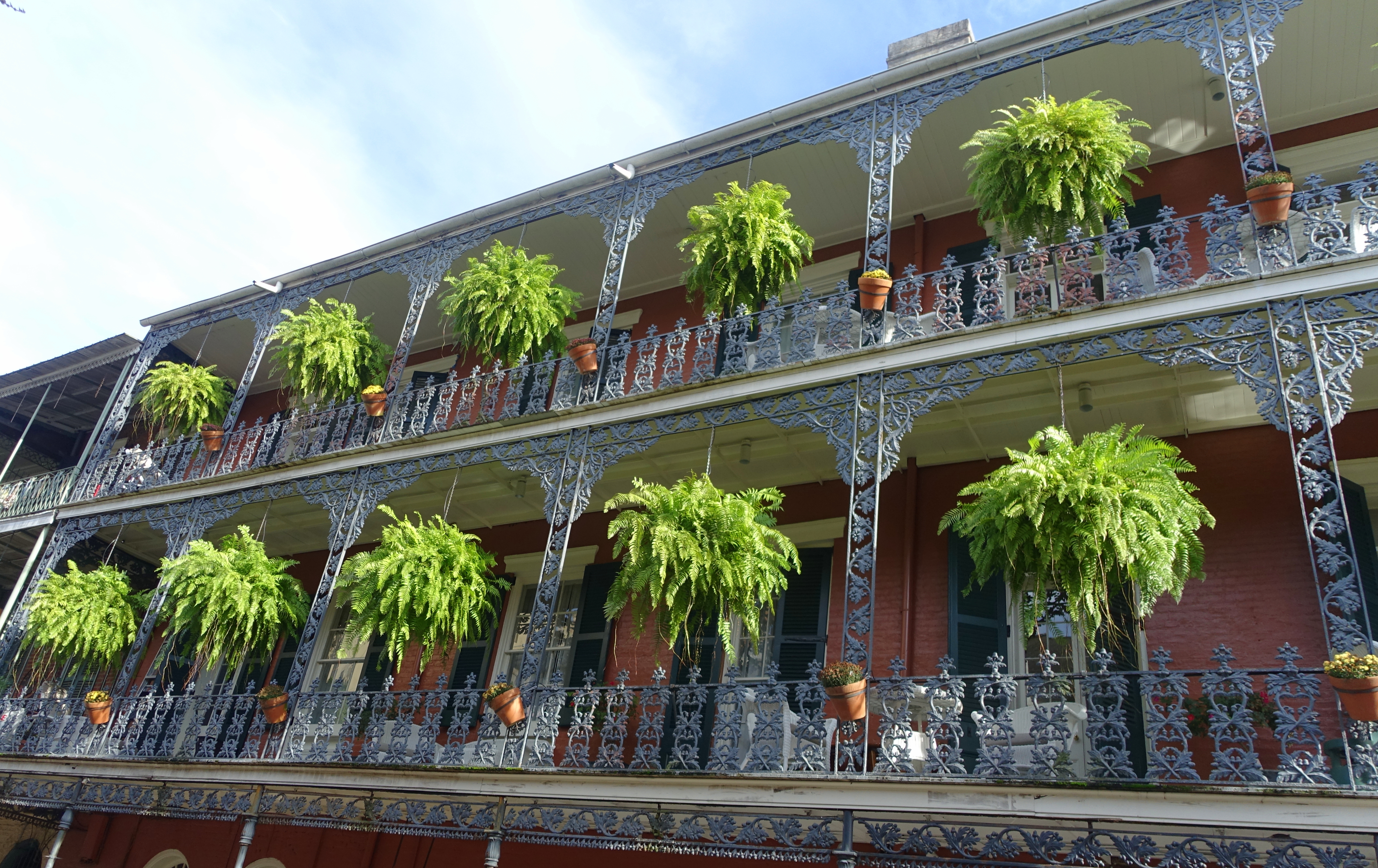
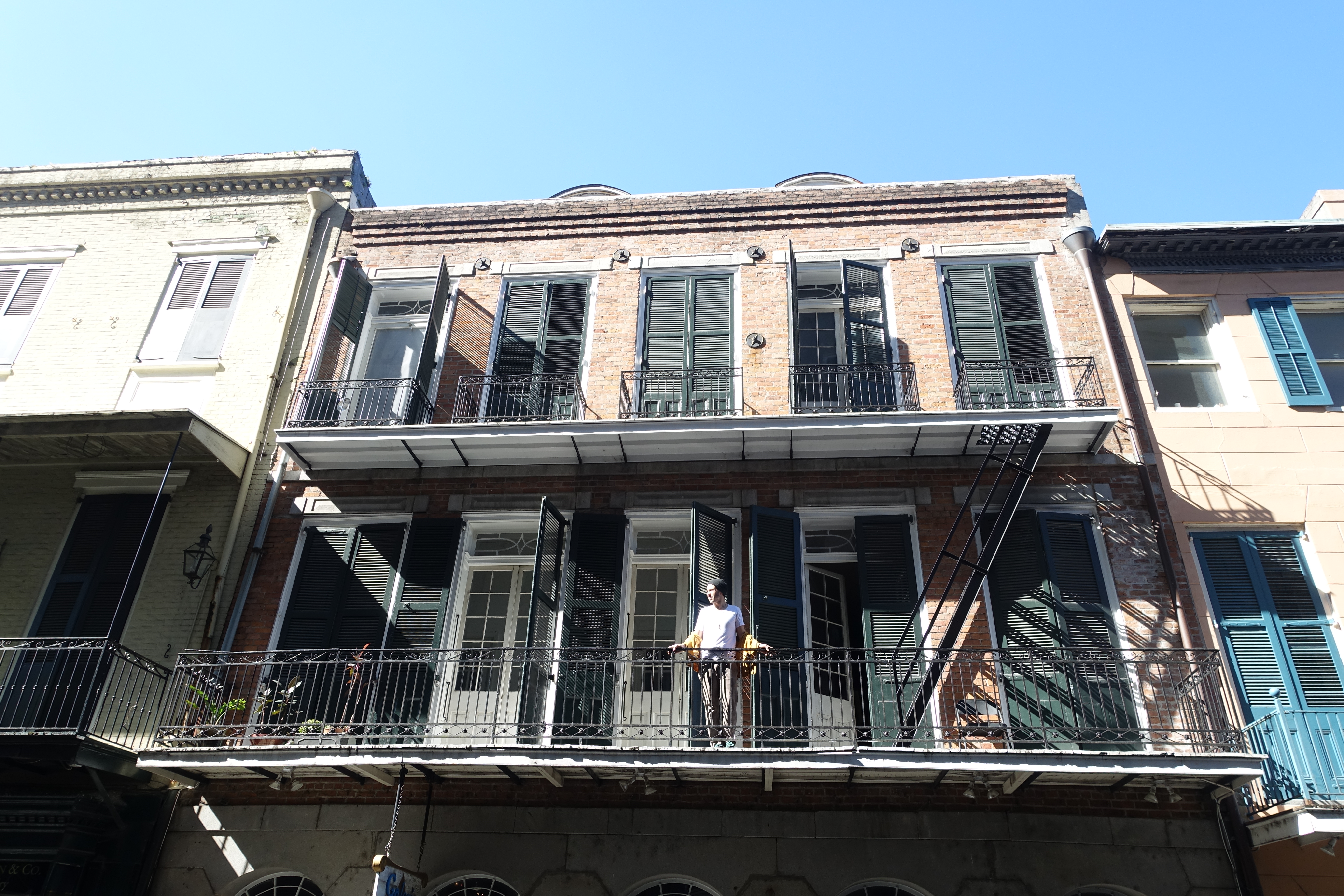
The most famous district of New Orleans is the historical French Quarter to which tourists flock in their thousands. Whilst little remains from the original architecture of the French colonial period of the 18th century, there is is still a distinctive architectural style which can be summed up as creole plus greek revival – complete with iron balconies.

DSC09461DSC09500DSC09585

DSC09501

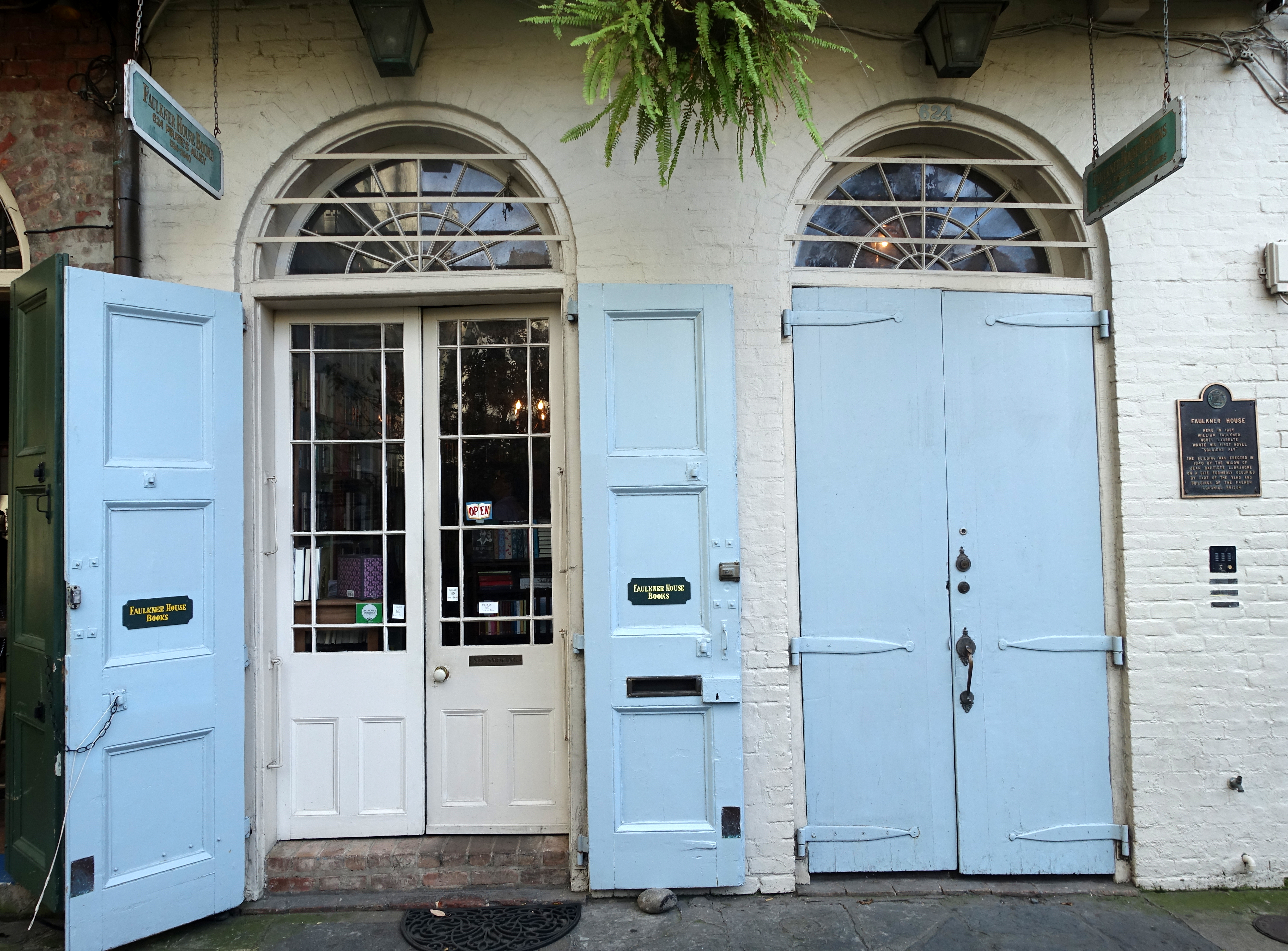
Faulkner House – where the novelist William Faulkner once lived (now a bookshop)

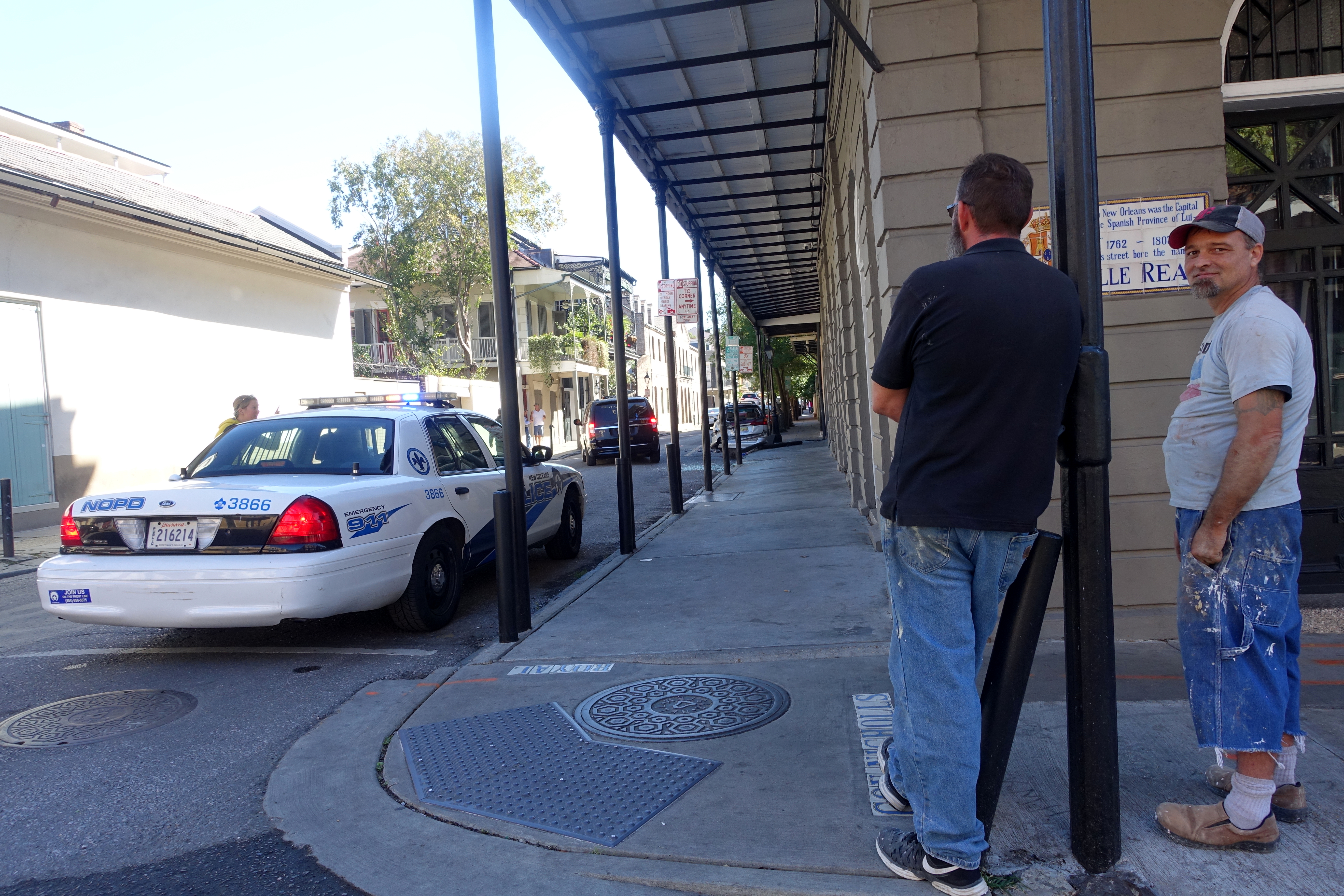
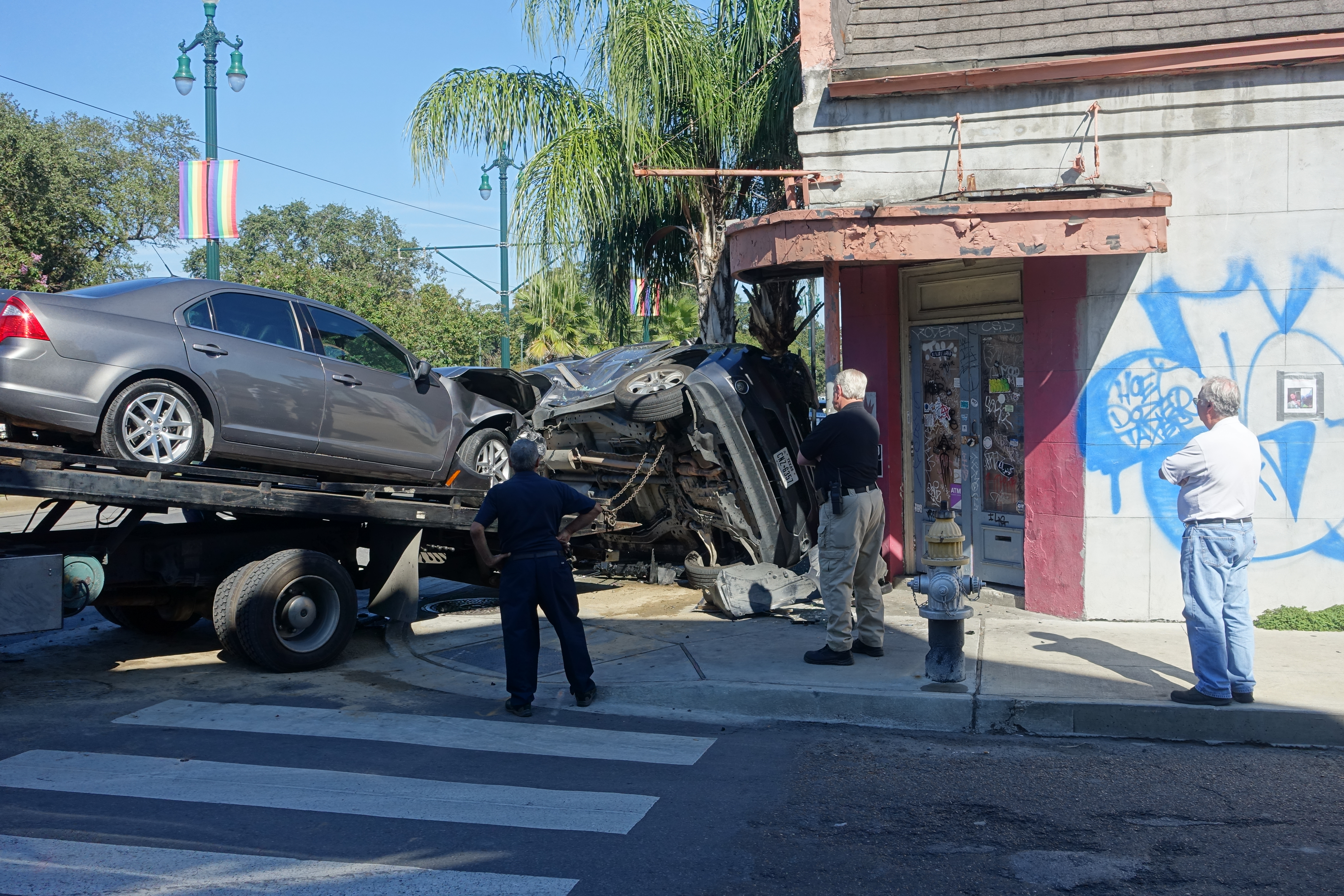
Despite the mainly easy going atmosphere of the local streets, we happened upon the aftermath of two separate car accidents in the space of an hour – much to the bemusement of the locals.

DSC09555

DSC09569

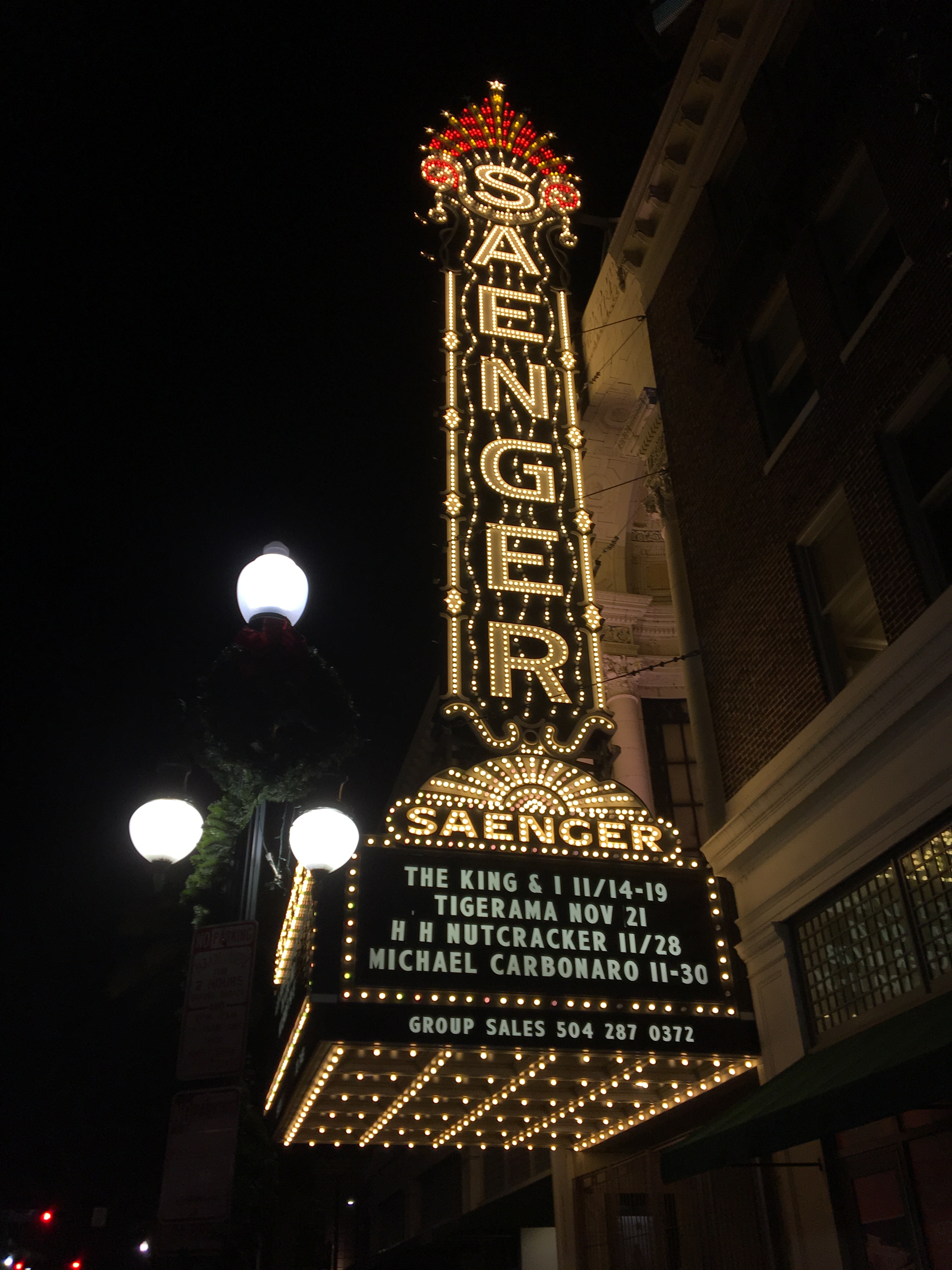
Bordering on the French Quarter is Canal St. Among its buildings  is the magnificent Saeger Theatre which opened in 1927. At the time of its construction it cost $2.5 million and seated over 4000 people. It recently re-opened after being extensively damaged by Hurricane Katrina.

IMG_4211 

A complex history

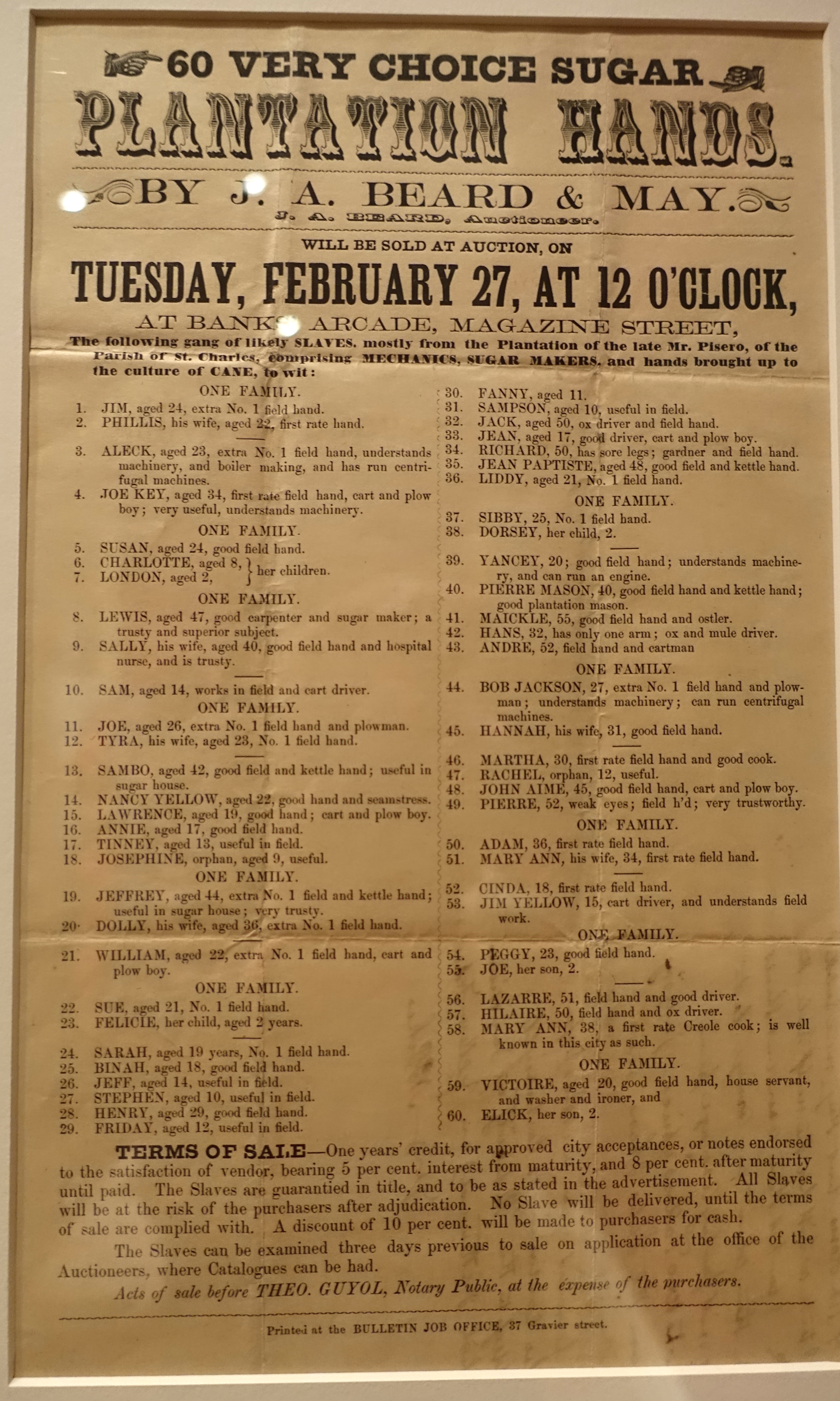
The history of new Orleans is long and complex but suffice to say that colonialism and slavery are at the heart of it.

DSC09449

A poster for a slave auction from the 1850s – New Orleans Museum

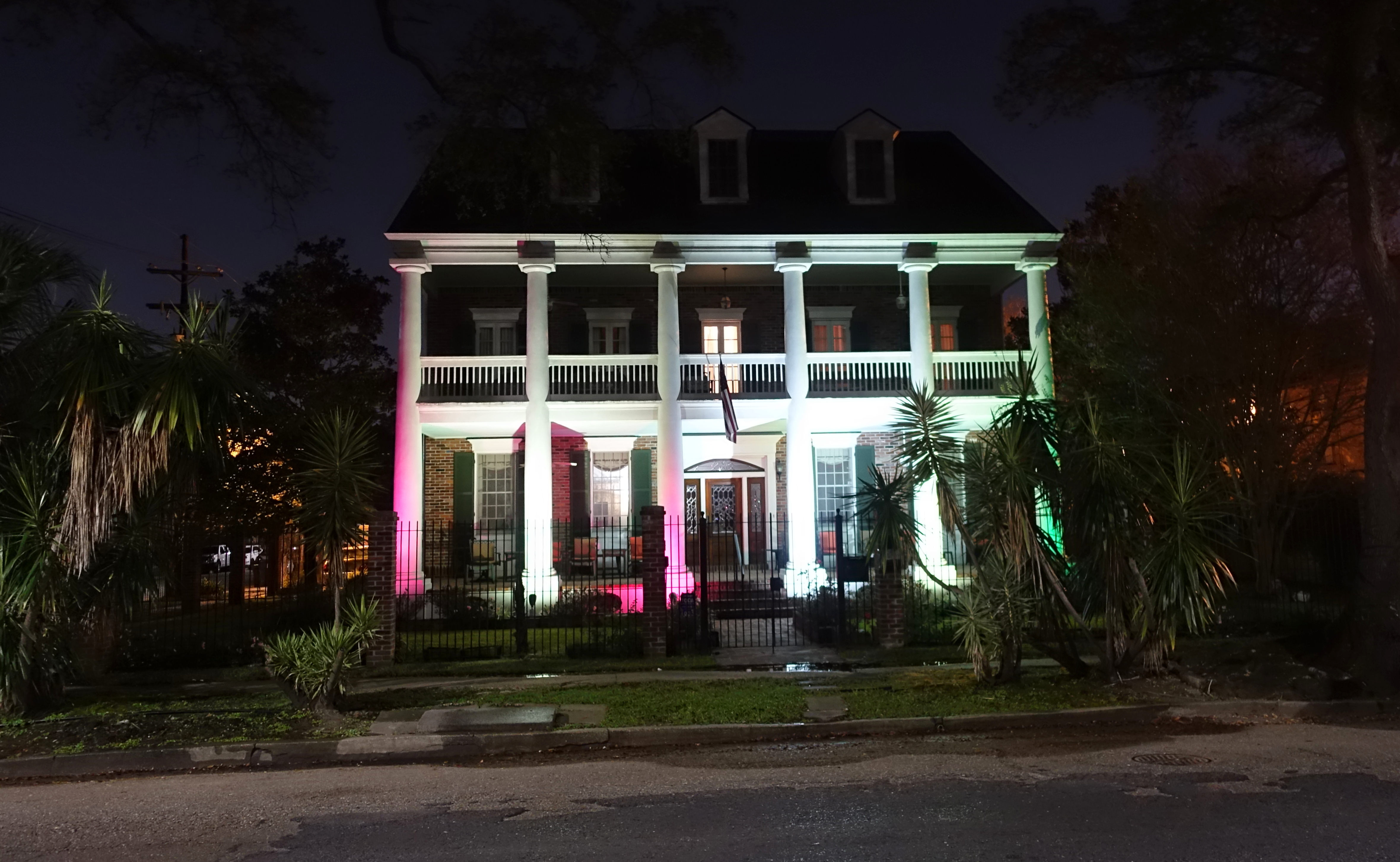
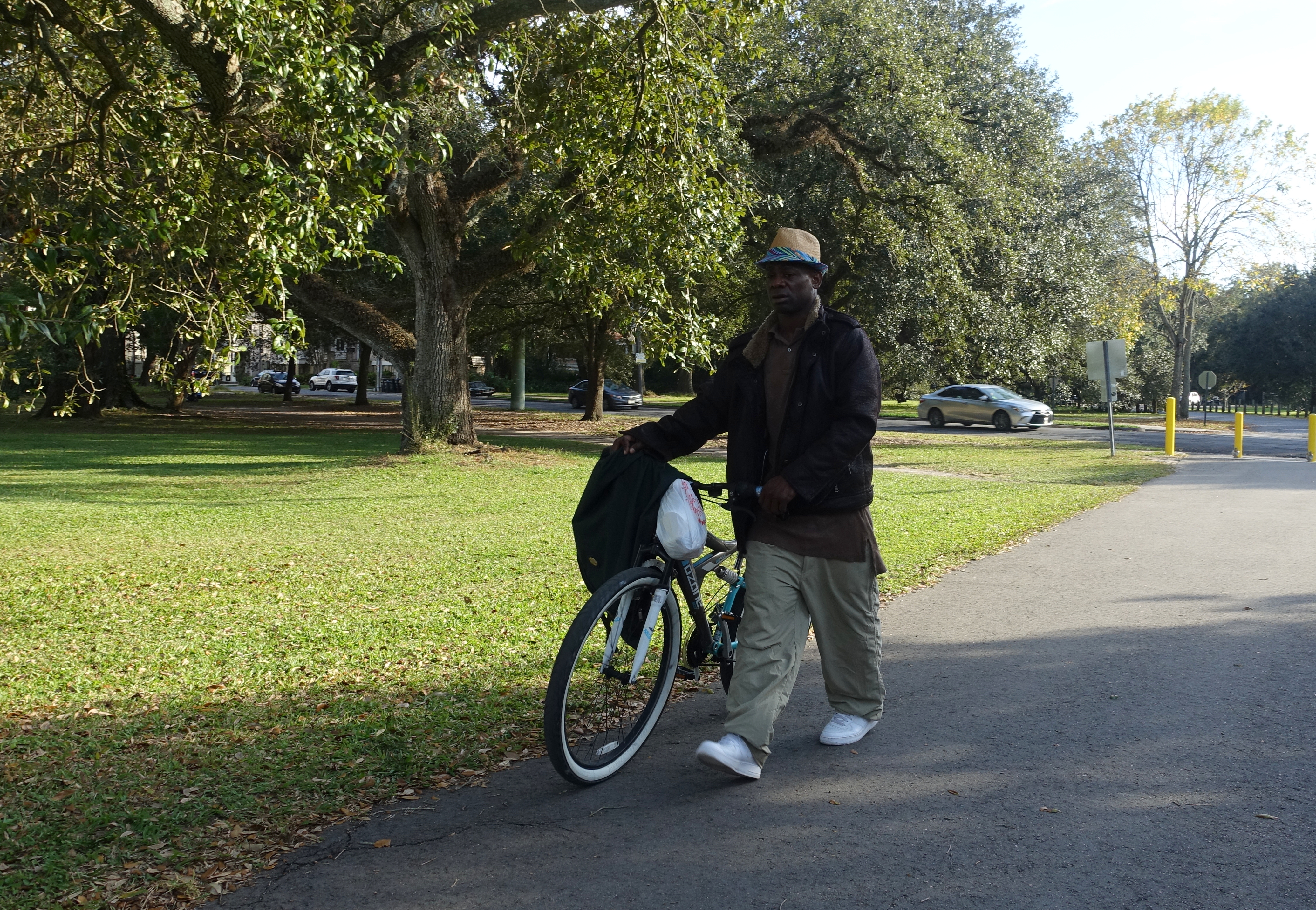
Staying in the Garden District with its miles of leafy 19th century mansions, it is hard not to contrast it with other parts of the city where poverty is all too apparent. The few black faces we came across in the area only seemed to reinforce traditional racial roles – with a maid acting as nanny to white children, a man passed by with his bicycle….

DSC09617

DSC09604

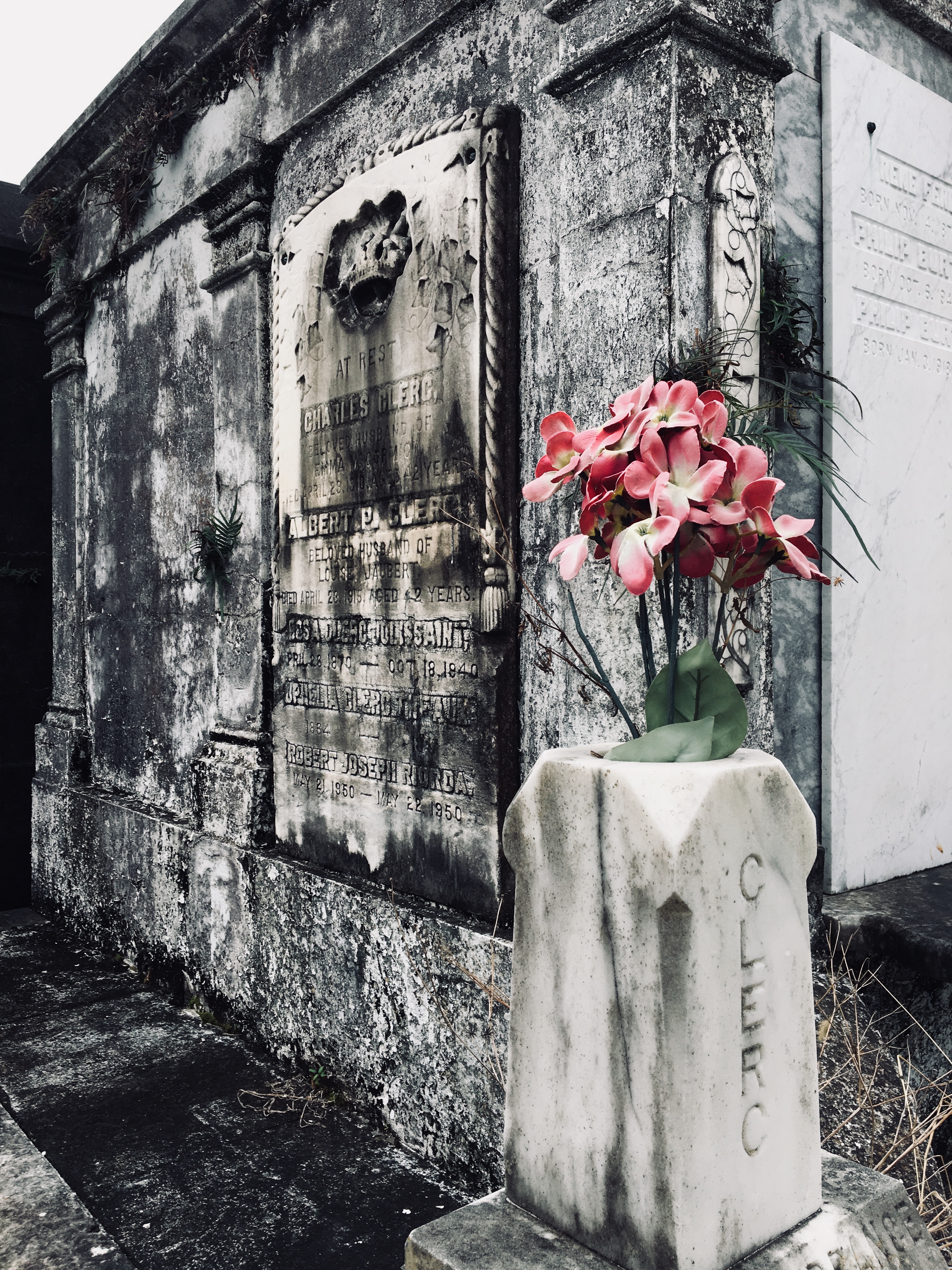
Also of note are the historic public cemeteries including Lafyaette no 1 which was the inspiration for Anne Rice’s vampire novels

IMG_4189

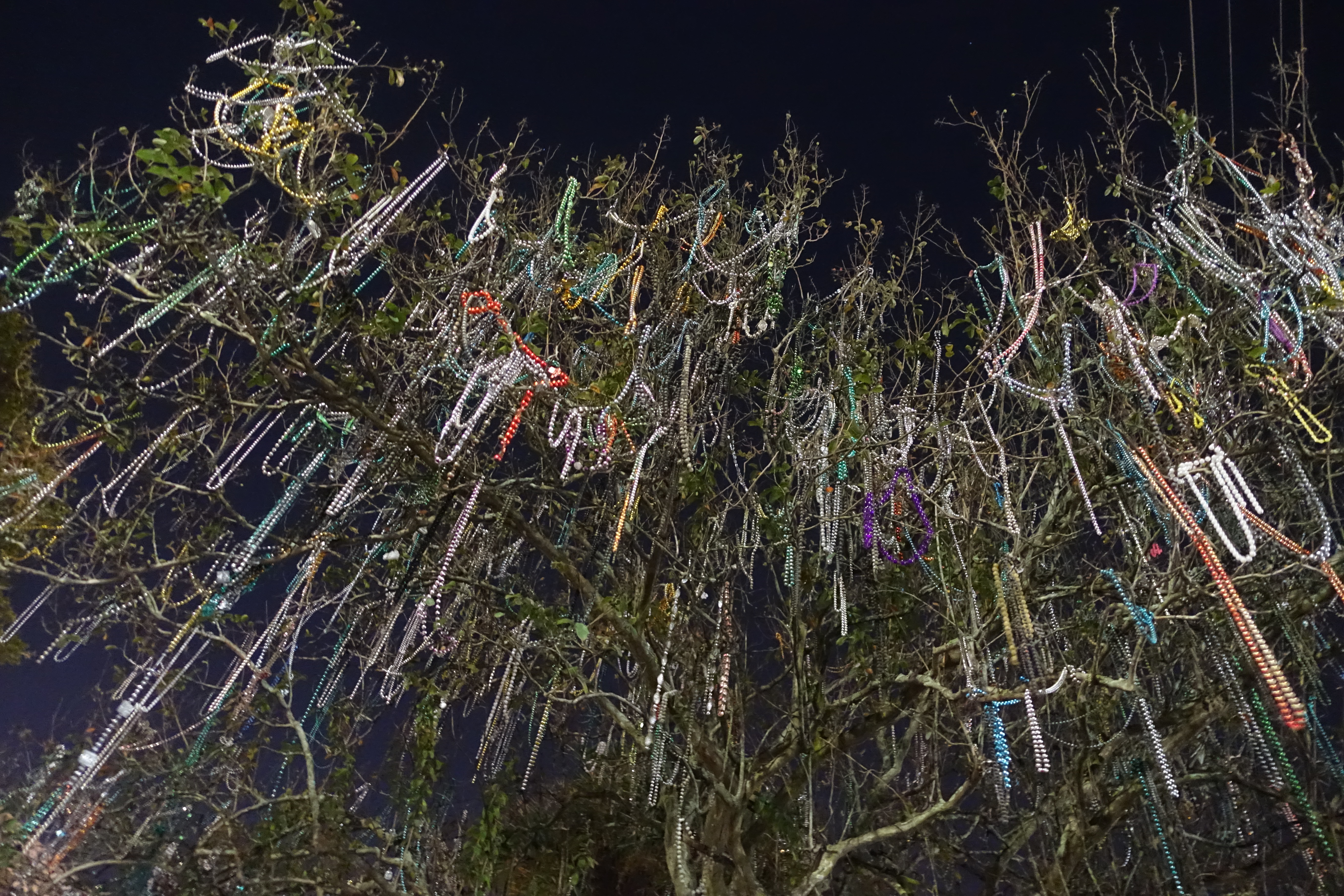
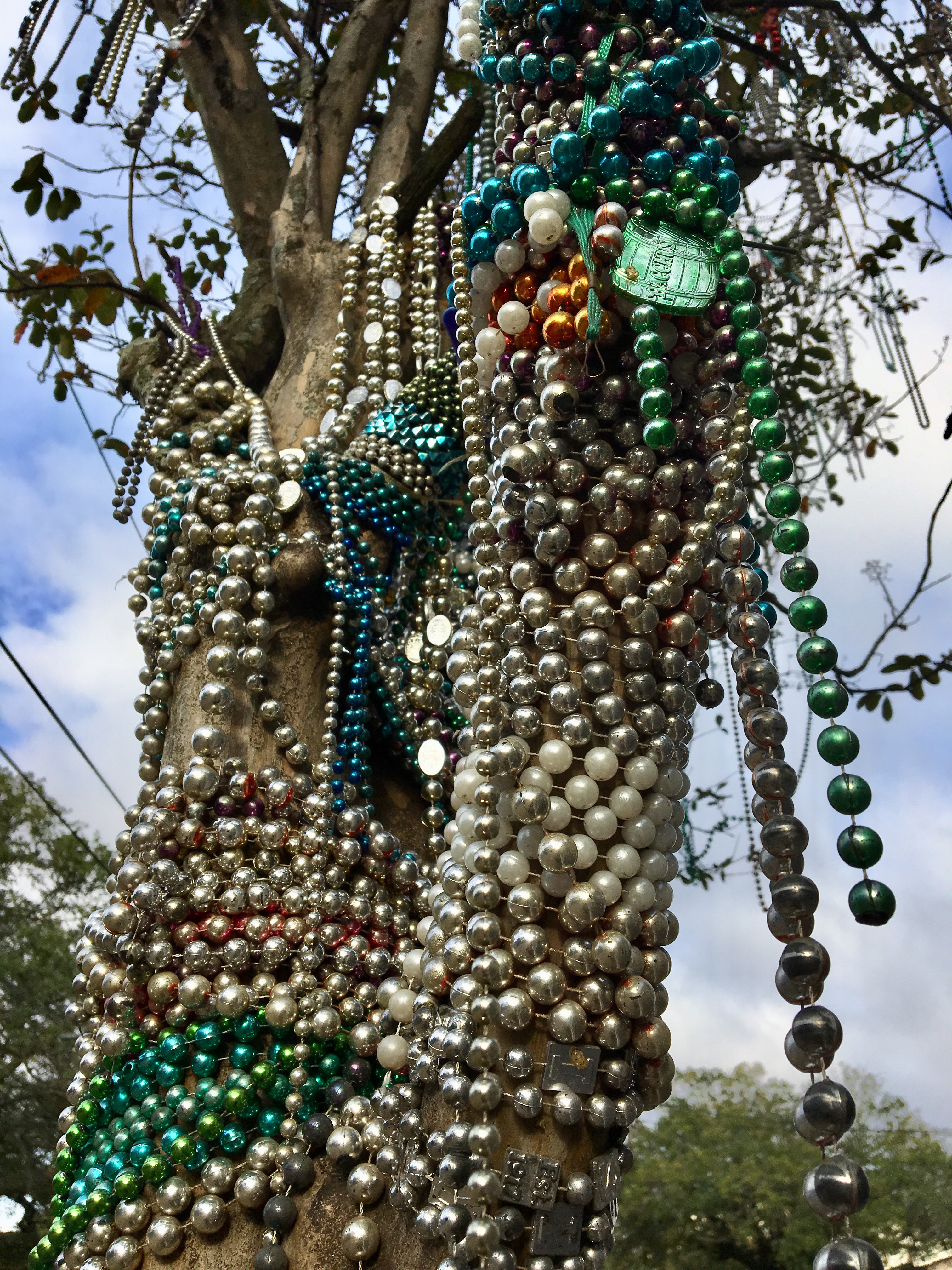
Two notable historic traditions of New Orleans are Mardi Gras and voodoo. Mardi Gras celebrations on Shrove Tuesday, which date from the 18th century, are evident all year round via the beads strung up in trees whch seemingly never get removed

DSC09620

IMG_4186

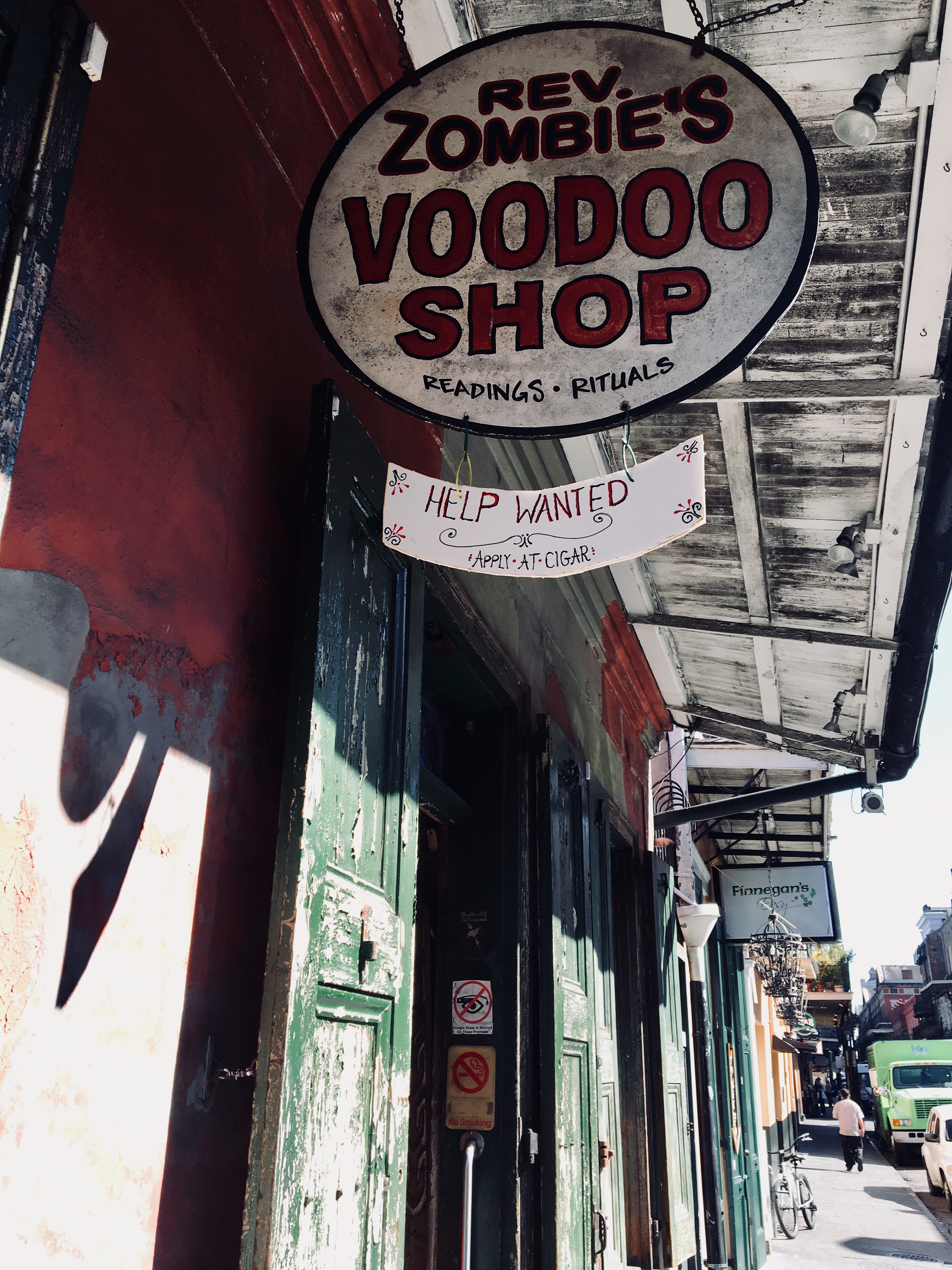
Meanwhile, Voodoo  has its roots in Afro-American religion, but has now become heavily commercialised for the tourist trade

IMG_4281

Streetcars

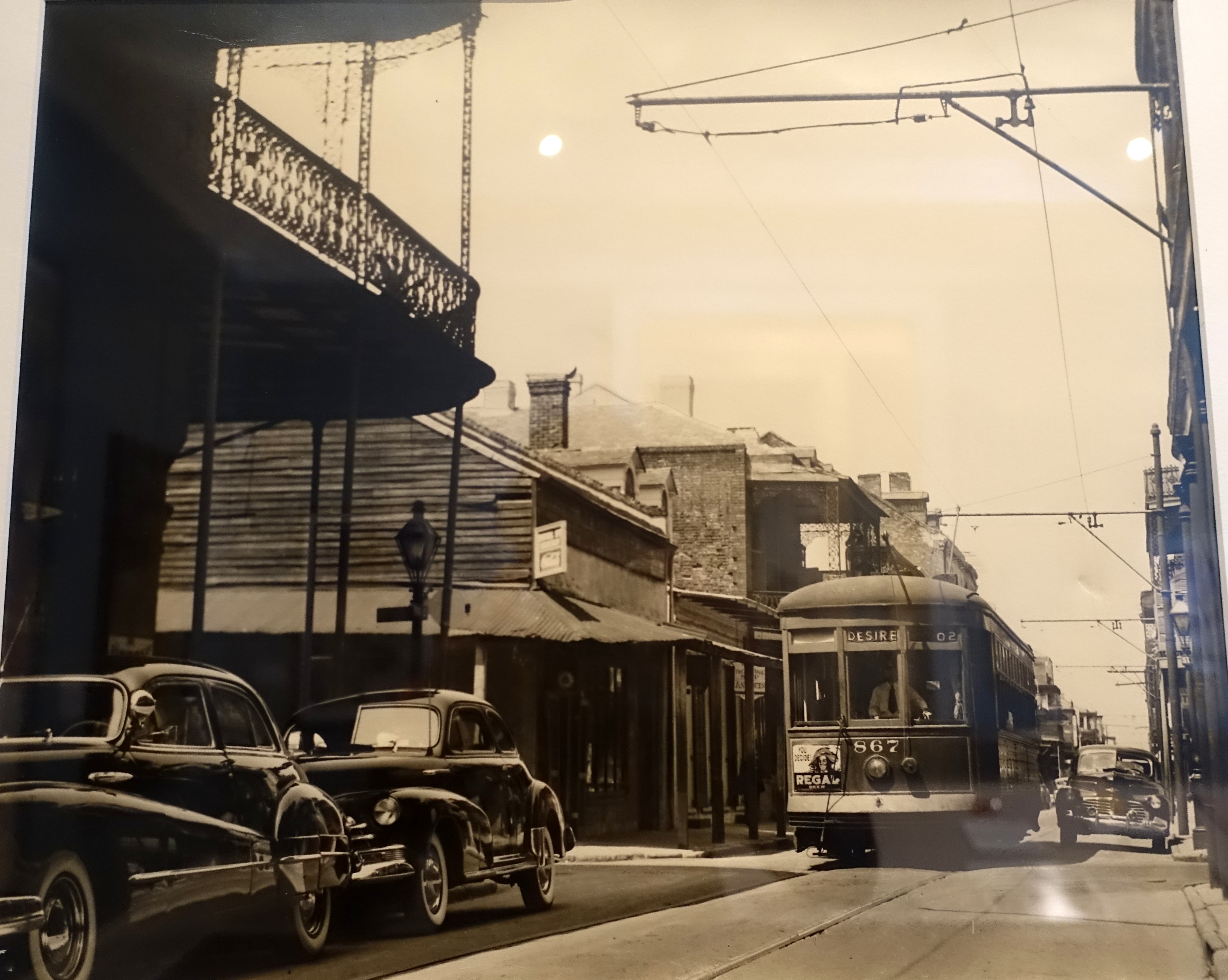
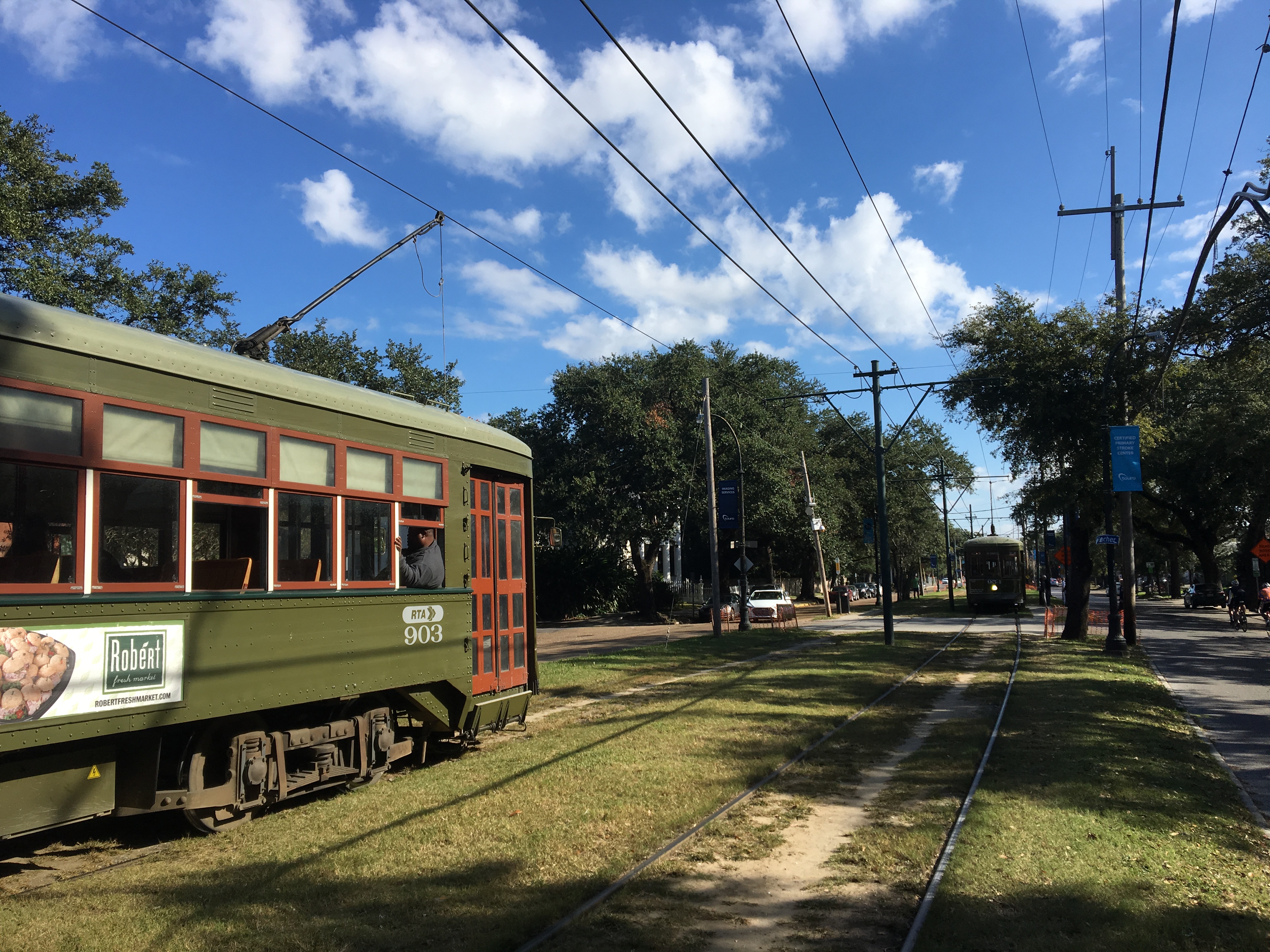
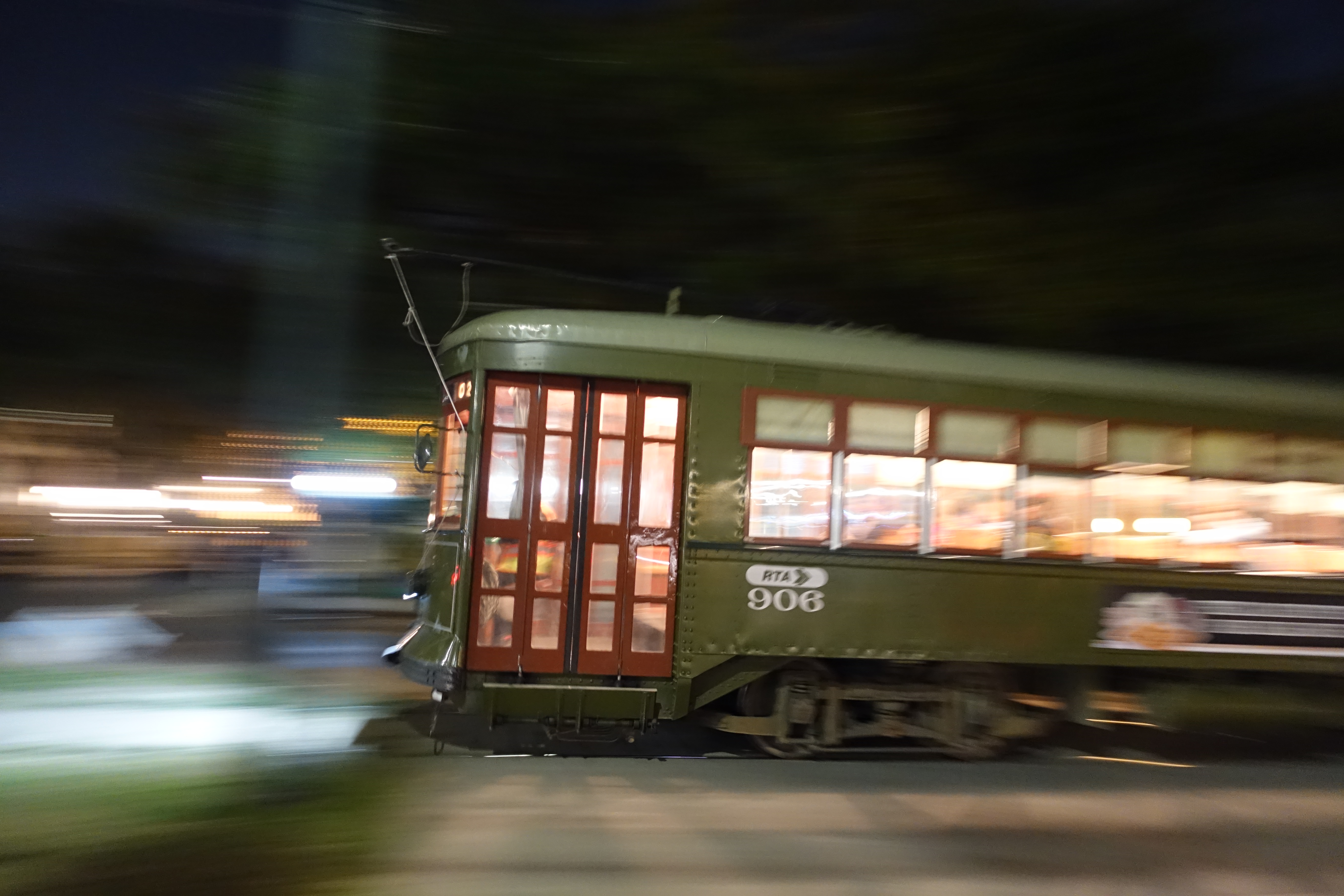
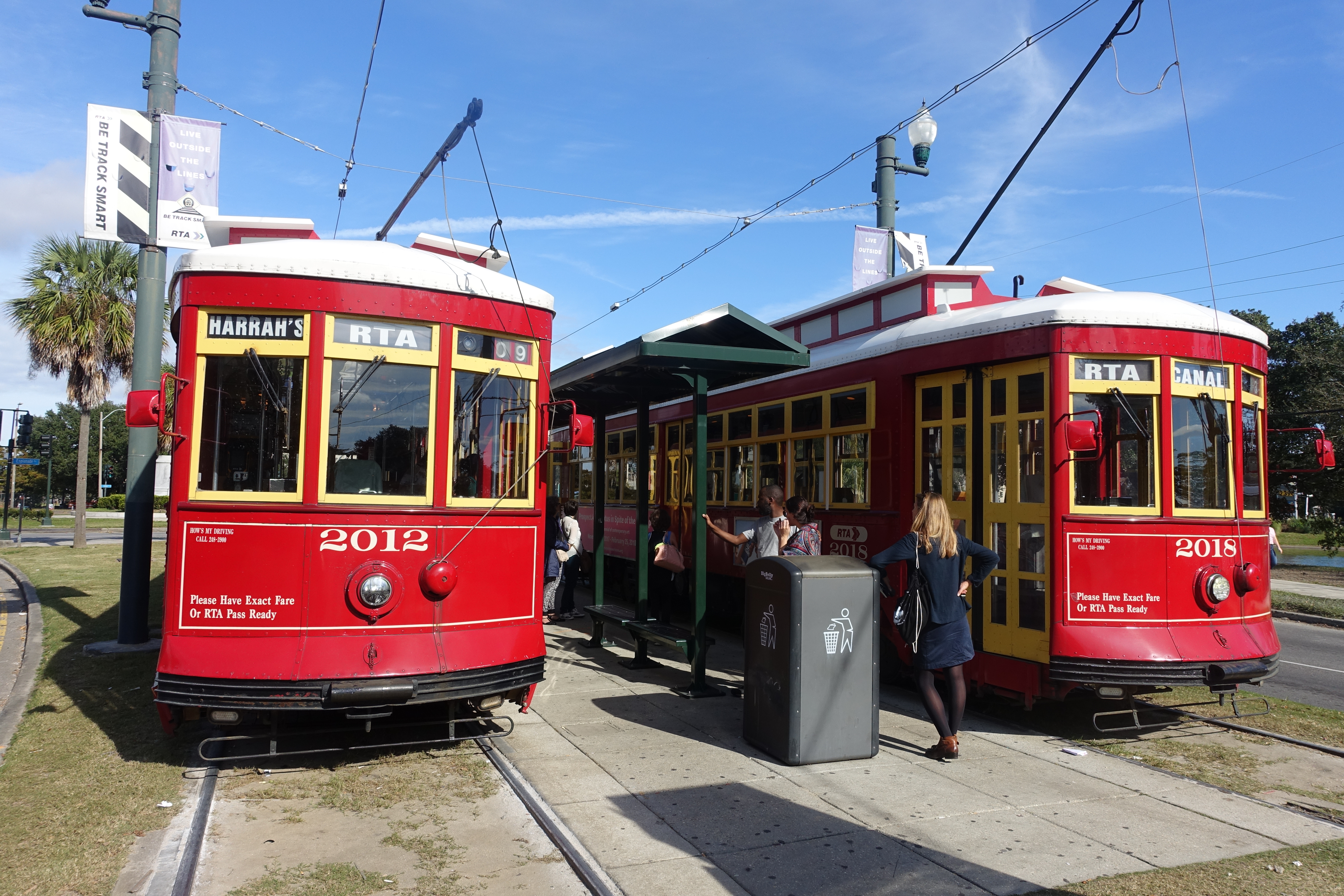
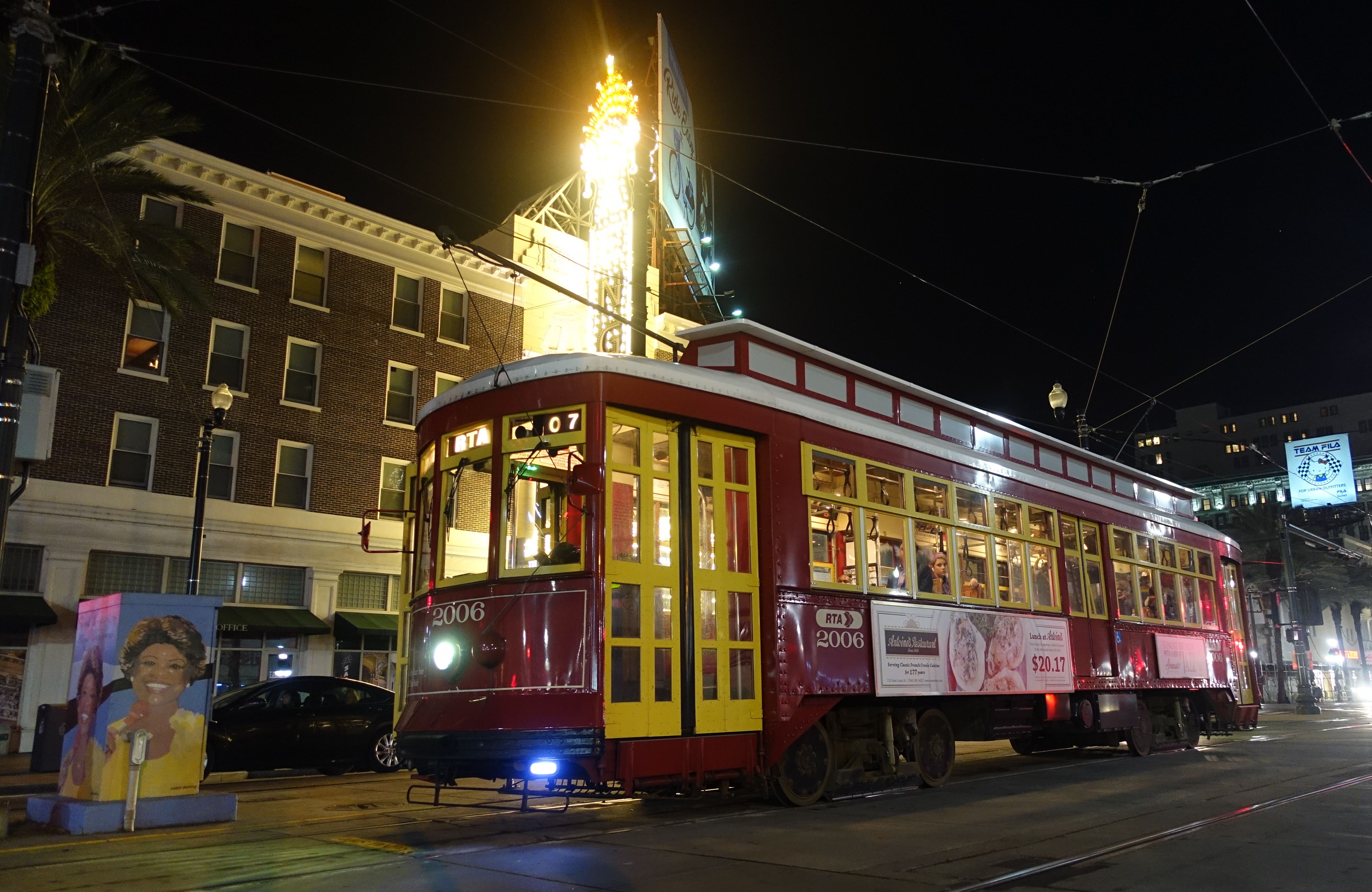
Despite the rather poor local public transport infrastructure (a car is essential for many journeys in the city), New Orleans boasts the oldest tram (or streetcar system) in America – the Charles St line which has run continuously since 1835. The current trams date from the 1920s and operate round the clock, if a little unreliably at times. More recently, the tram system has been partially restored after decades of closure (including the famous Desire destination of Tennessee Williams fame)

DSC09450

The Desire line closed in 1948

IMG_4072

A Charles Street tram

DSC09618

DSC09496

Two trams at City park terminus

DSC09535

Canal St tram

Creole cuisine

New Orleans is renowned for its distinctive cuisine – a fusion of creole, cajun and soul food. Seafood is to the fore, especially oysters, which are served up in multifarious ways at amazingly low prices (compared to Europe)

DSC09469DSC09590DSC09475

DSC09517The above picture features the Bourbon House restaurant which specialises in oysters and bourbon whisky. It is also home to the New Orleans Bourbon Society (aka as NOBS)
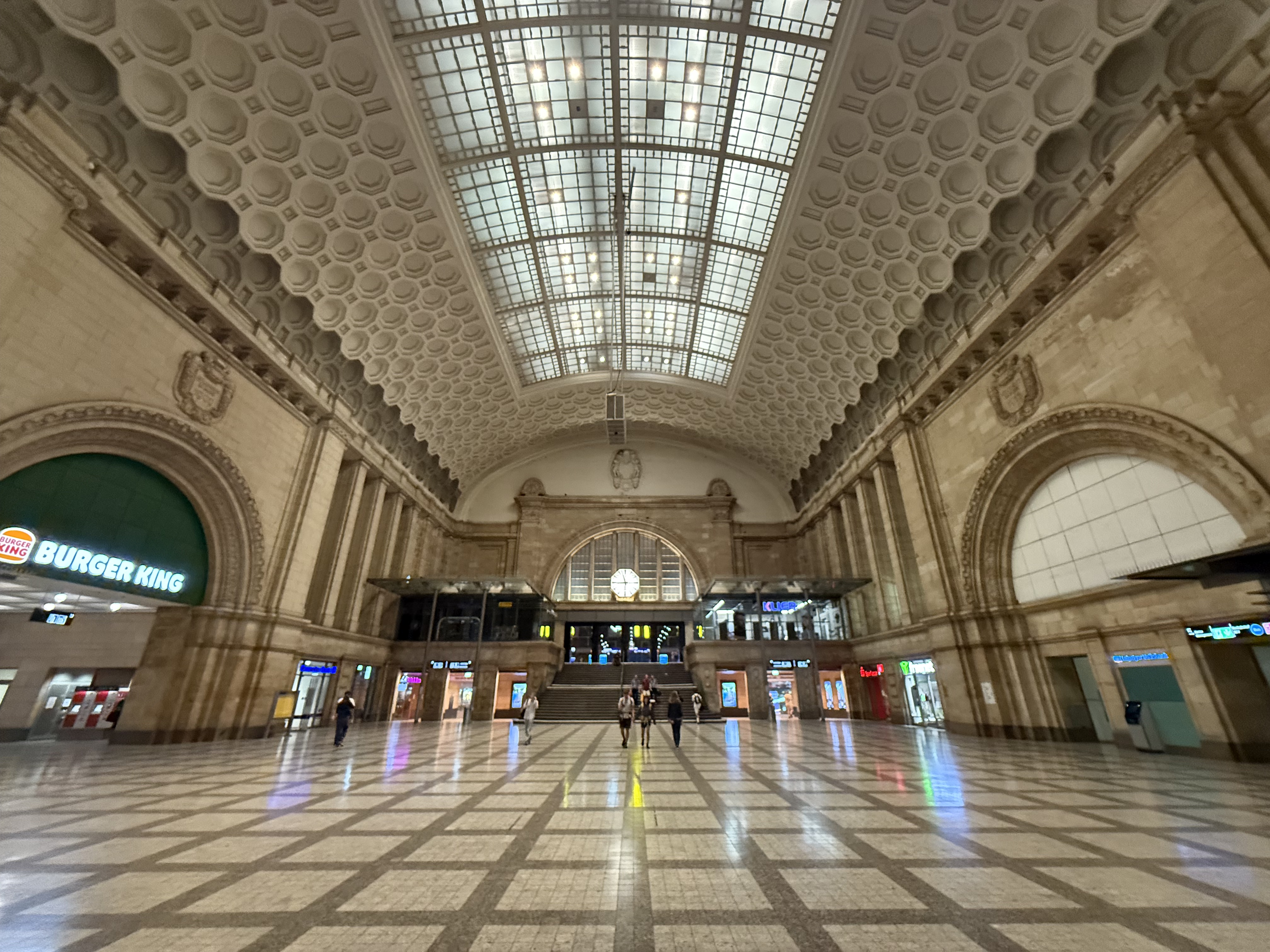
A more basic food tradition is the po’boy (derived from poor boy) – a thick sandwich containing meat or seafood

DSC09595

IMG_4180

A prominent local food company is Zatarain’s as highlighted in this colourful advertisement which fuses music and food, the lifeblood of the city
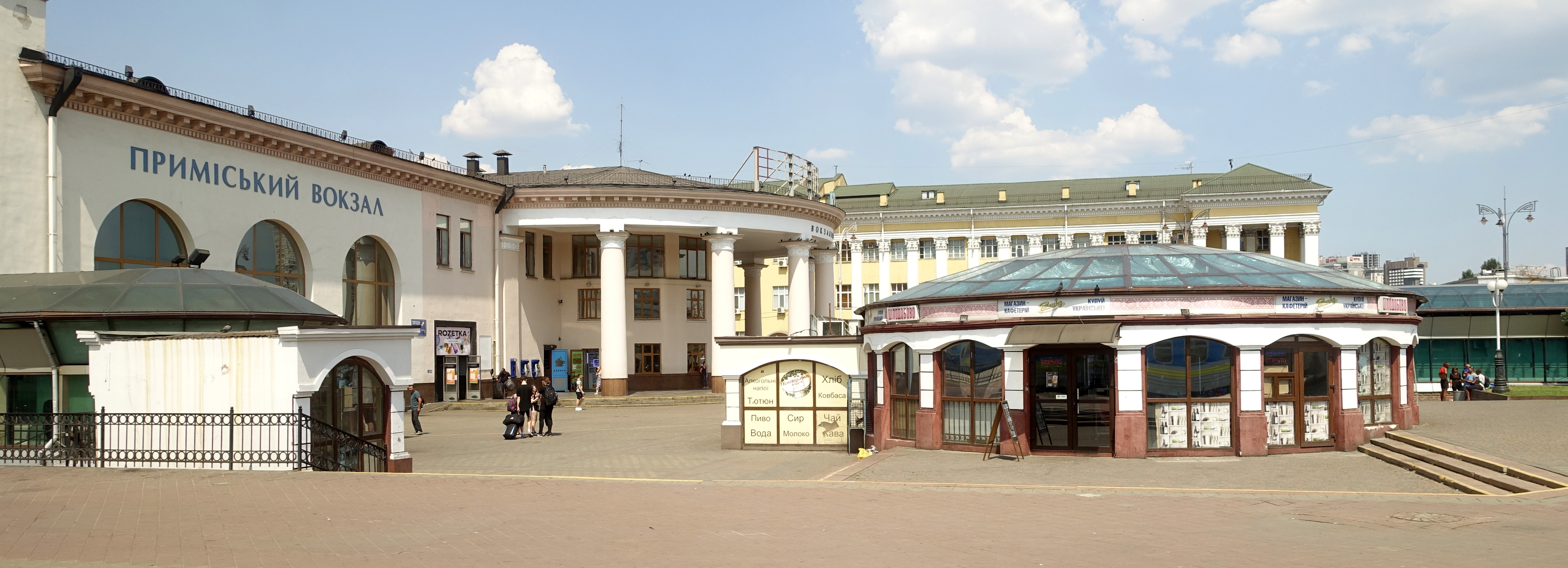
DSC09548