

Our Springtime journey northwards through France had two main aims: – to experience one of France’s great railway lines whose days seems numbered, and also to pay a visit to Vichy, a city famous for its spas, but also synonymous with an infamous period of French history, being the home of the wartime government which collaborated with Nazi Germany.
The ‘Causses’ or ‘L’Aubrac’ railway is France’s longest single track line running from Beziers on the Mediterranean coast up through the Massif Central to Neurssagues, where you can change trains and continue northwards towards Clermont Ferrand and on to Paris. Its future is very much in doubt due to high maintenance costs and few (heavily subsidised) passengers.
Driving in parallel to the rail line along the A75 motorway normally takes less than 90 minutes, whereas the rail journey takes just under five hours – truly meriting the label ‘slow train’ (some sections have a 30mph speed limit). Upon reaching Neurssagues, we then progressed to Clermont Ferrand and Vichy.
Beziers
A few miles inland from the sea, Beziers is dominated by its cathedral, Saint-Nazaire, from which the bell tower provides a superb view of the surrounding area.
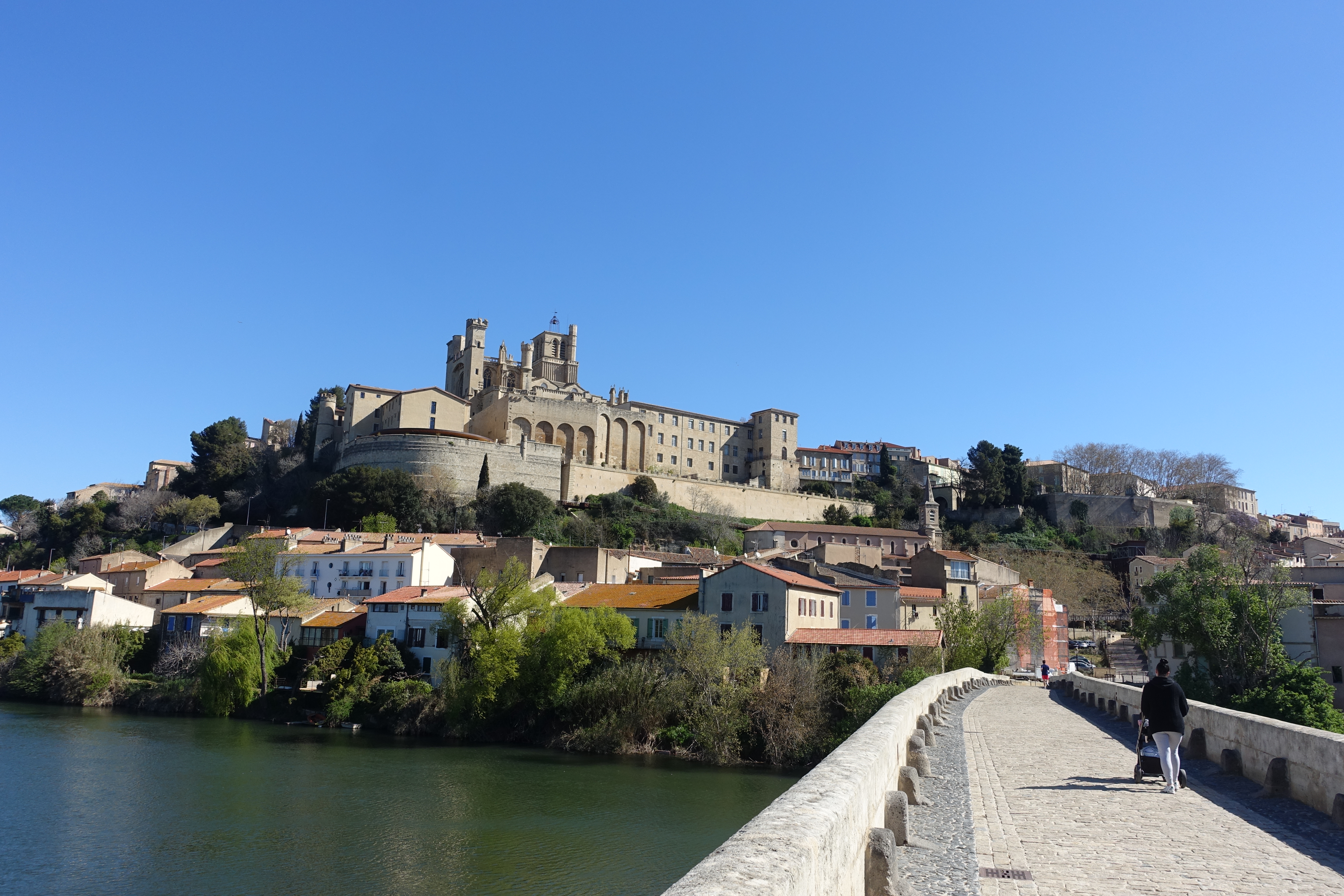
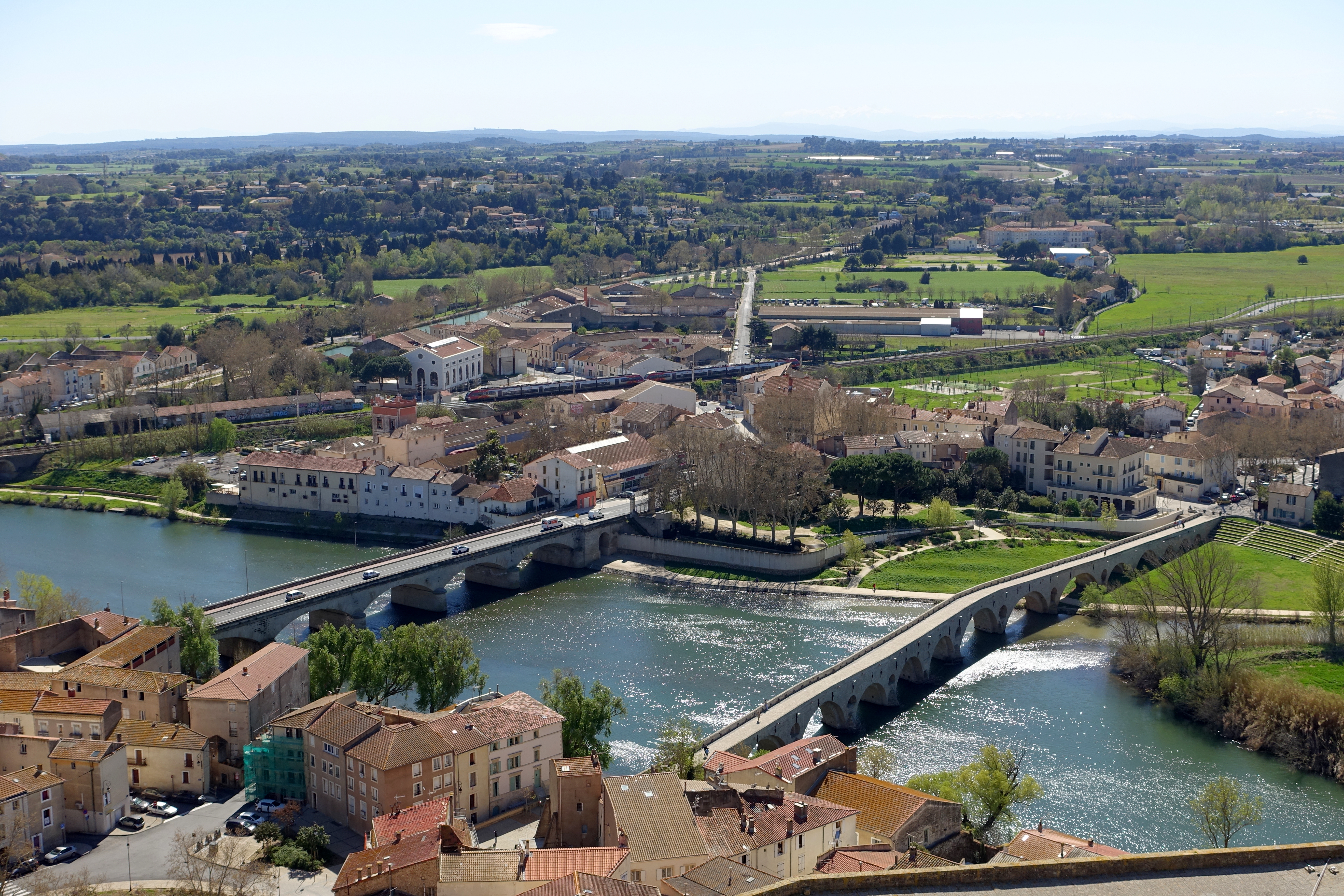
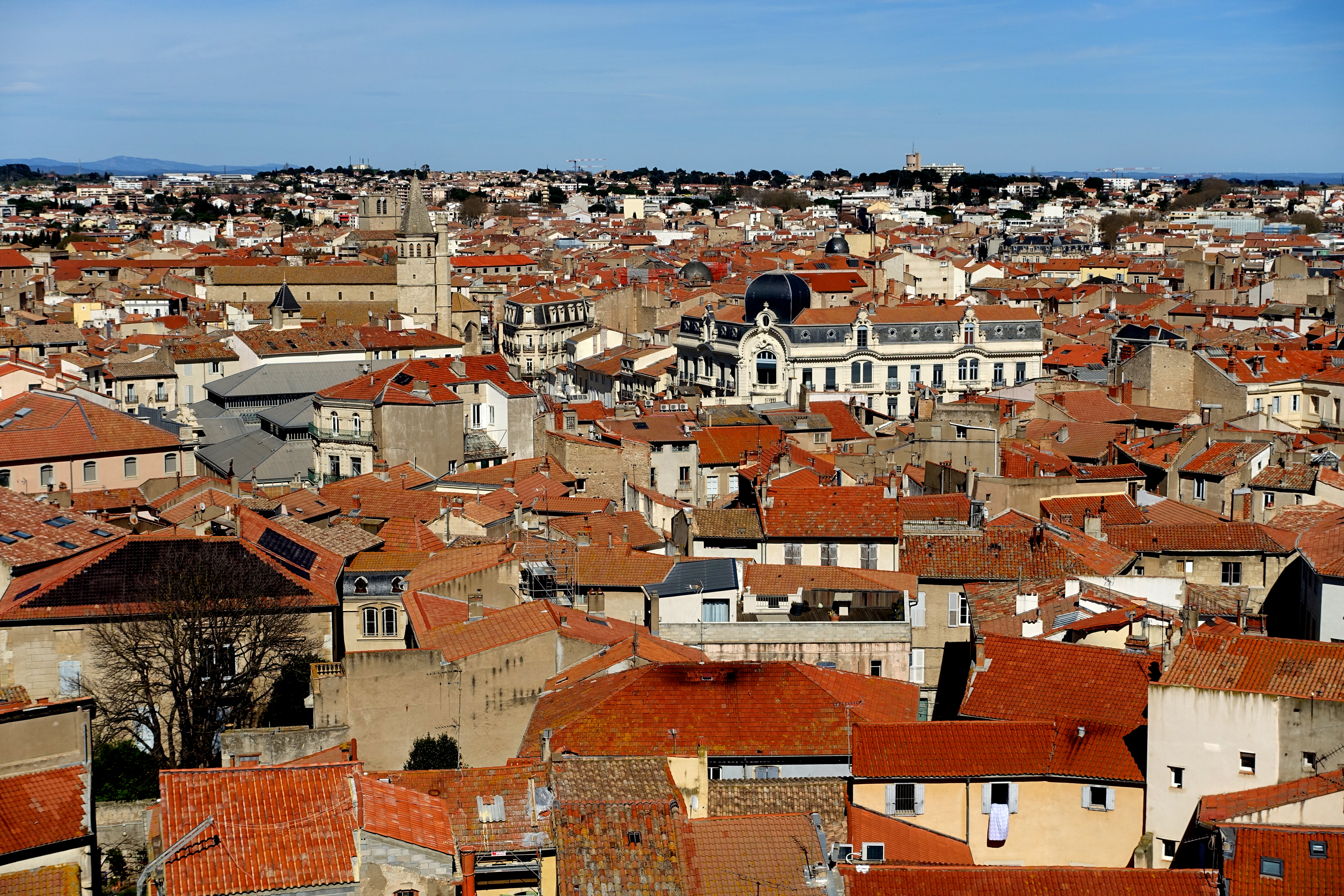
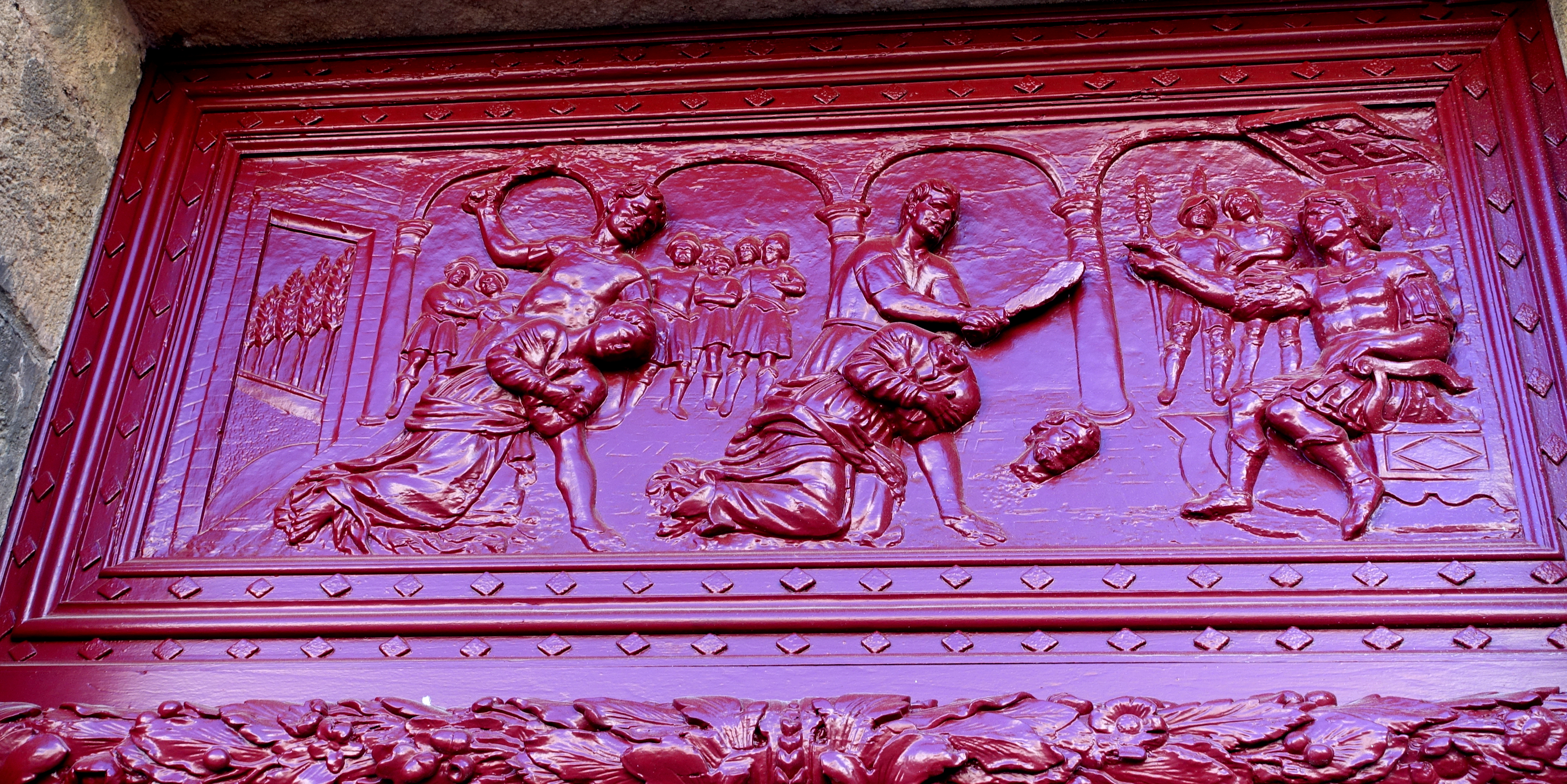
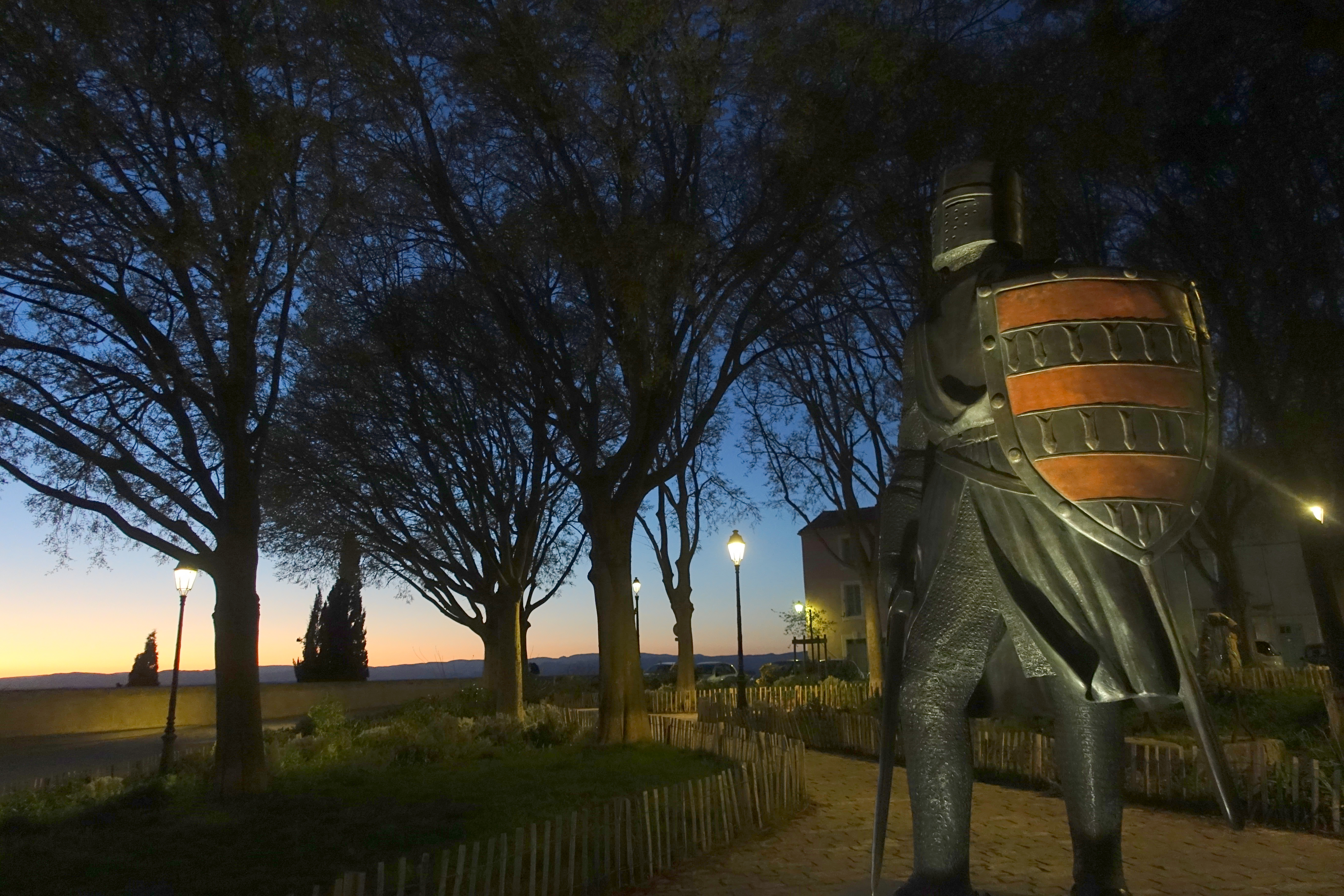
The city suffered an infamous massacre in 1209 by the hands of a Crusader army seeking out heretics. The event is illustrated on the cathedral door, as well as a a statue of Raymond Trencavel, a defending local hero
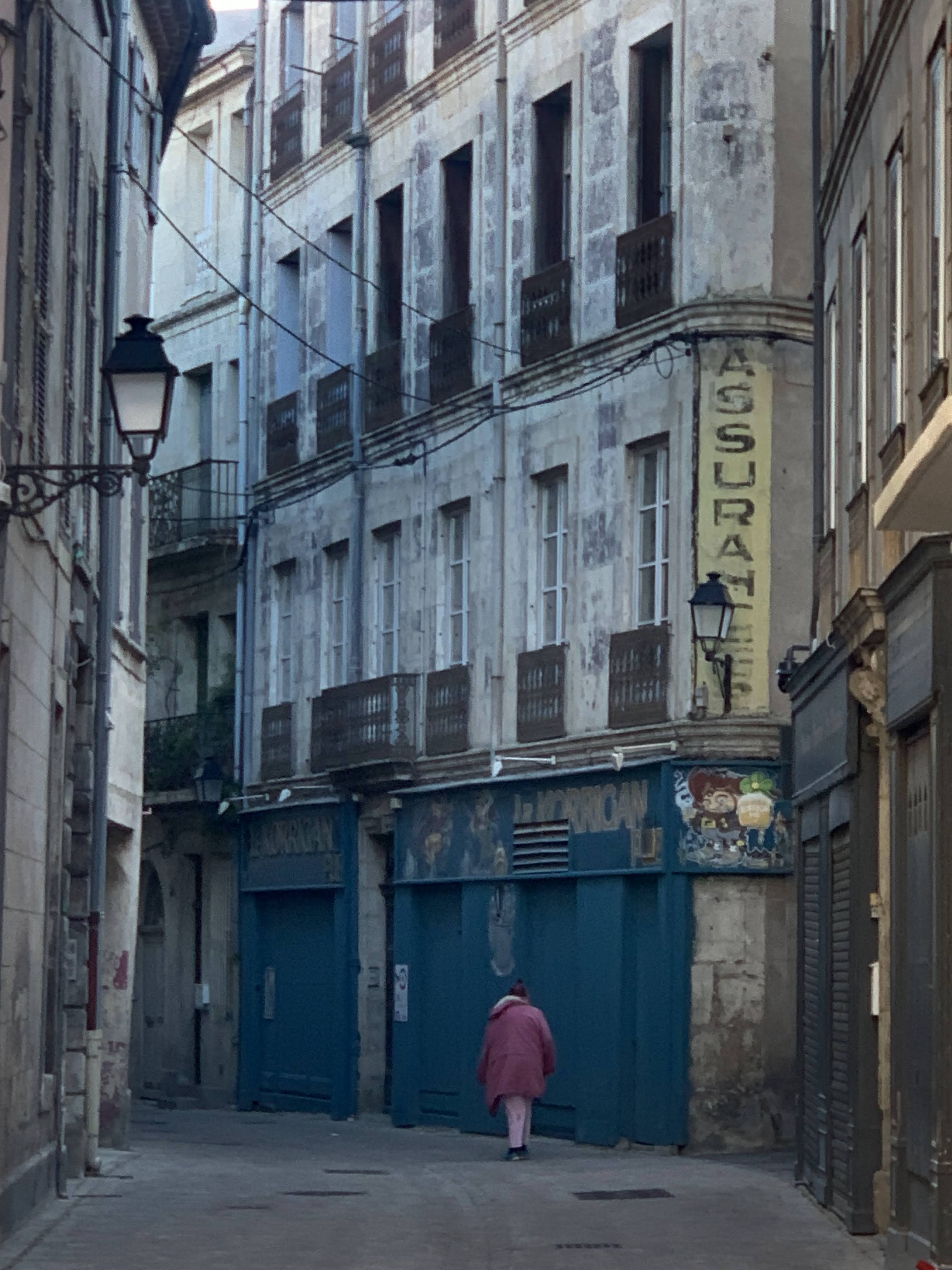
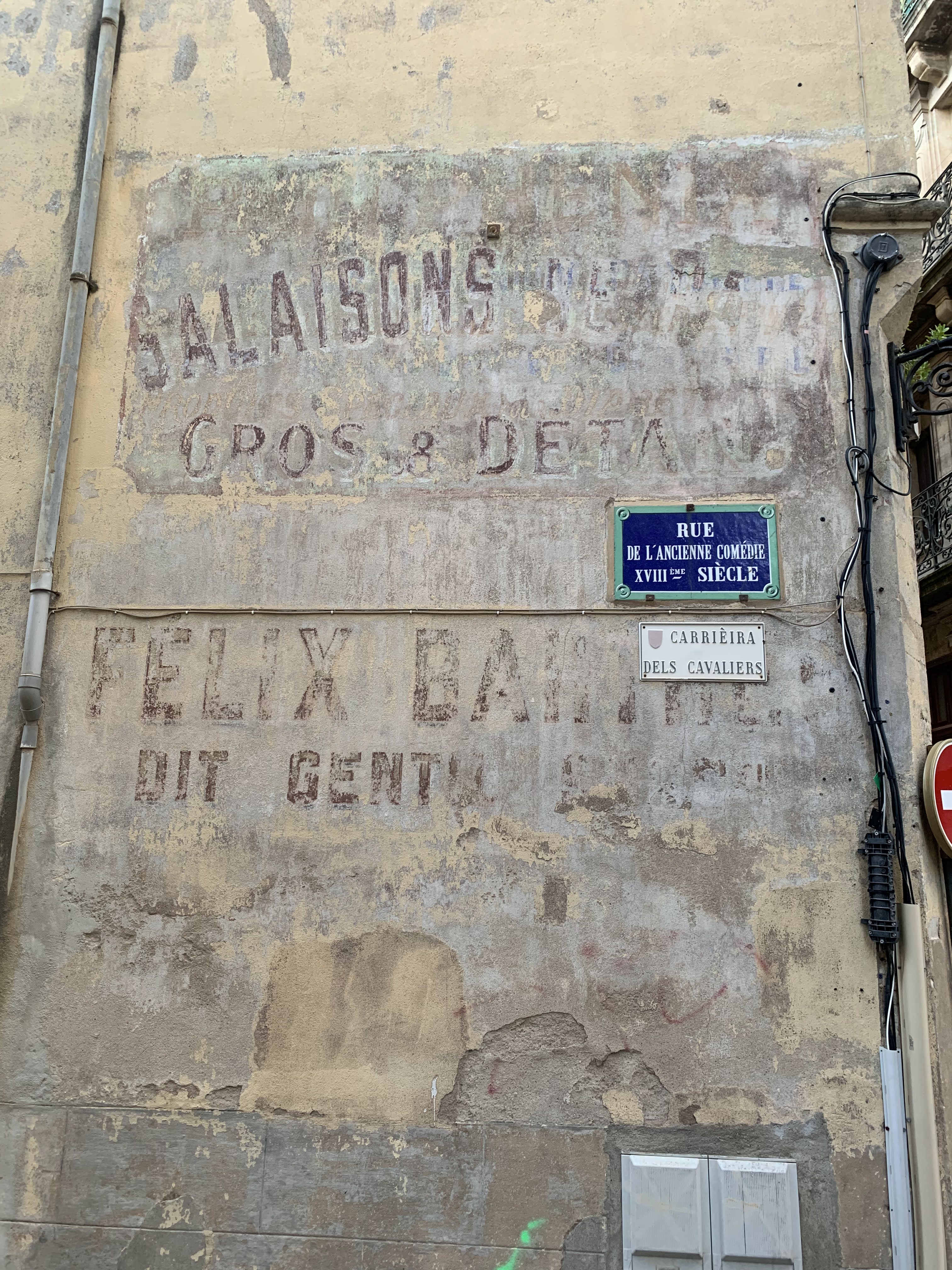
Ghost signs
Beziers has a well preserved city centre, but like other compact historical cities, many of the traditional businesses have relocated to a nearby shopping centre or beyond, leaving only ghost signs as evidence of a bygone age of local shops and services.



Aboard the ‘La ligne de L’Aubrac’
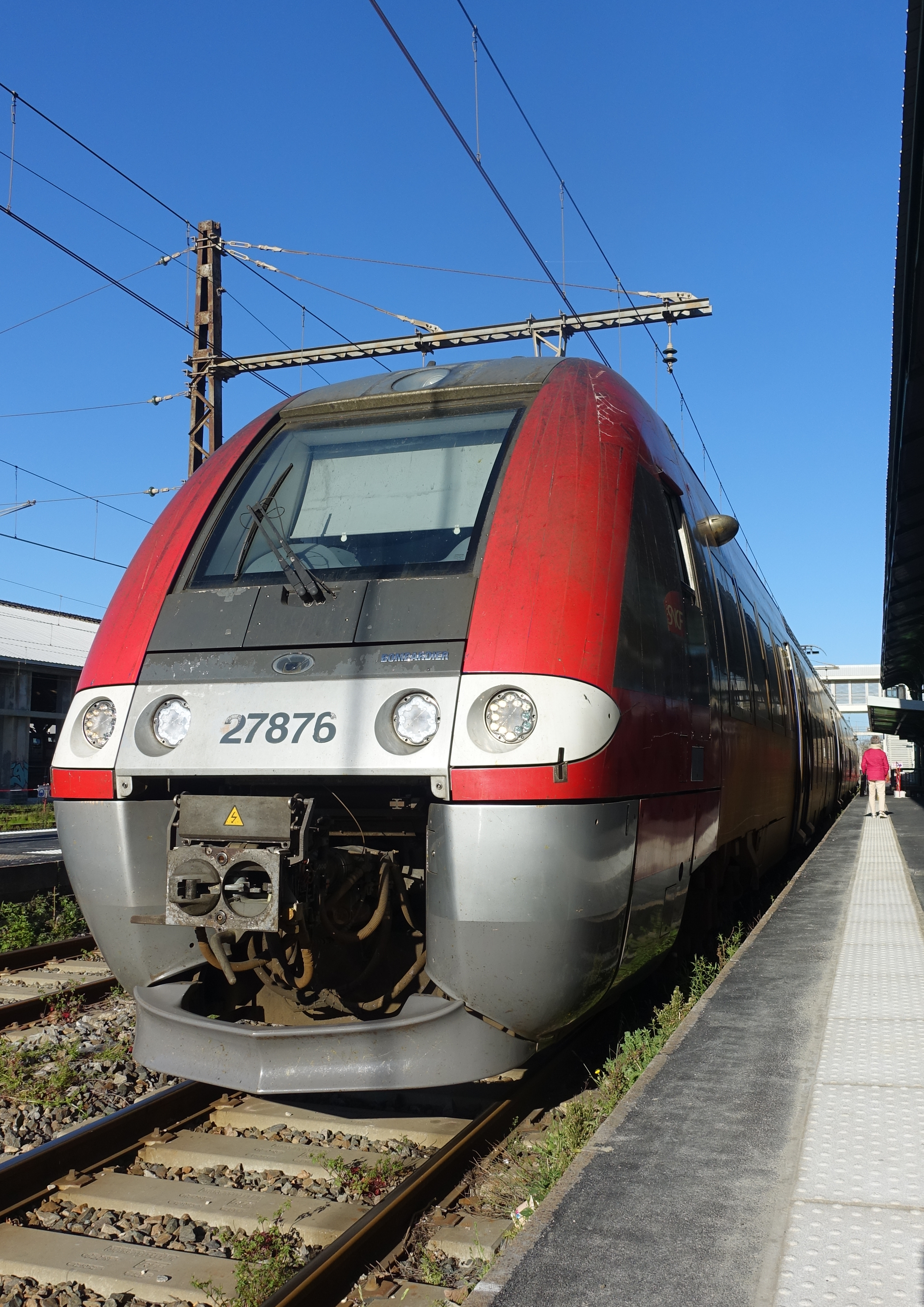
As recently as 2003, it was possible to board a sleeper train from Paris to Beziers on the Aubrac line, but now in 2025, there is only one scheduled train a day which terminates at Clermont Ferrand (including a change at Neussagues). The line was built between 1858-1888, and then to gain an advantage over its rival parallel line (the Cevennes), was electrified during the 1930s. However, since then, it has suffered periods of neglect, and despite being labelled ‘inter-city’, it is definitely not one of the most modern SNCF (French National Railways) trains. The upholstery was worn and badly stained, and the windows had clearly not been cleaned for some time.

Fortunately, we had a better view on our side of the carriage.
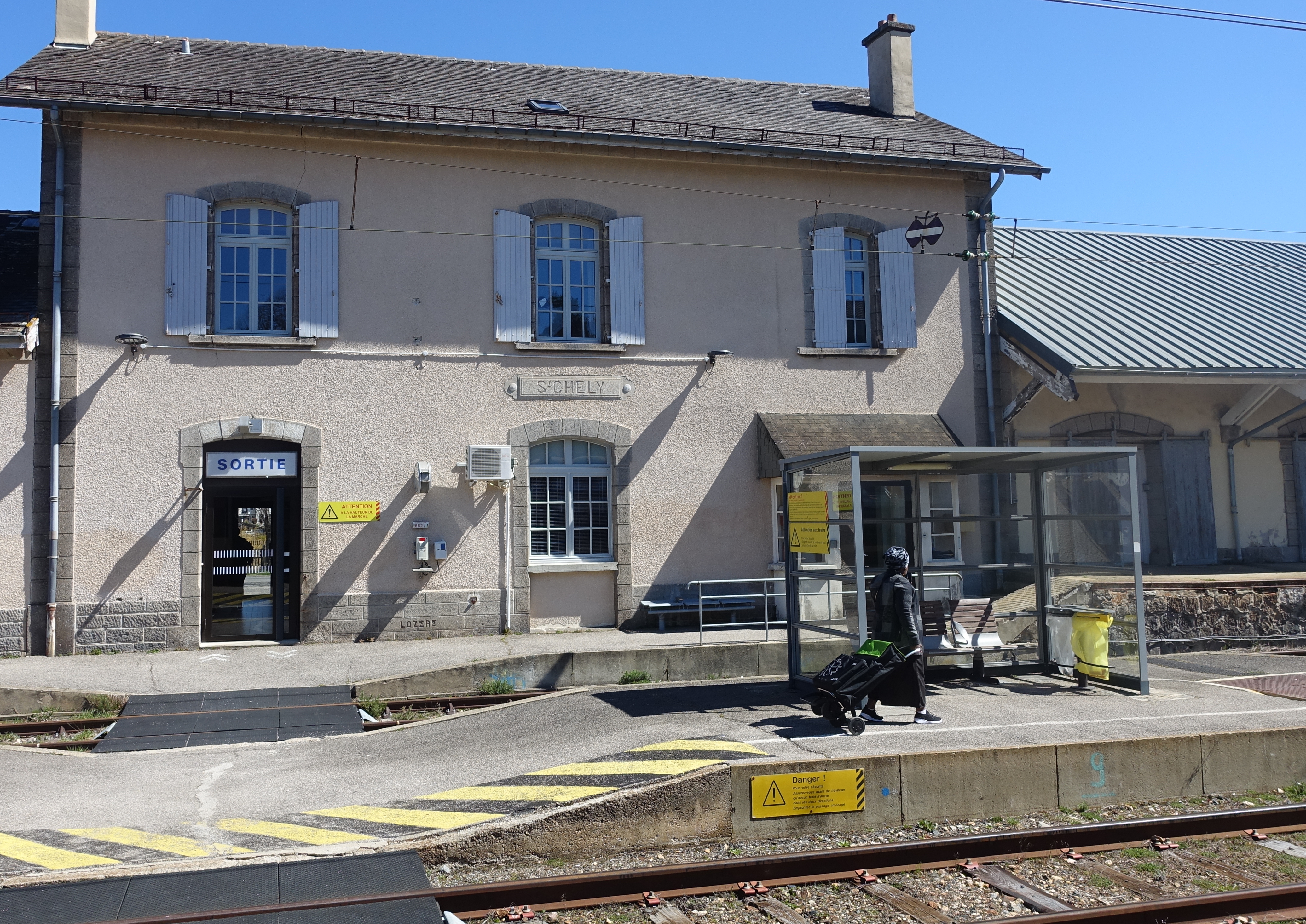
Being a slow train did enable us to appreciate the very picturesque scenery. The train climbs over 1000 metres through the Massif Central, which can often be snow bound in Winter, and descends into valleys with a number of unmanned train stations visited along the way, including Roquefort, from where the famous cheese originates

There seemed to be round about a dozen passengers on the train at any one time, and only occasionally did anyone get on or off the train

Along the way we passed under the Millau viaduct, the tallest bridge in the world, whose opening in 2004, virtually made the railway line redundant, because of how quickly the equivalent journey could now be made by car.

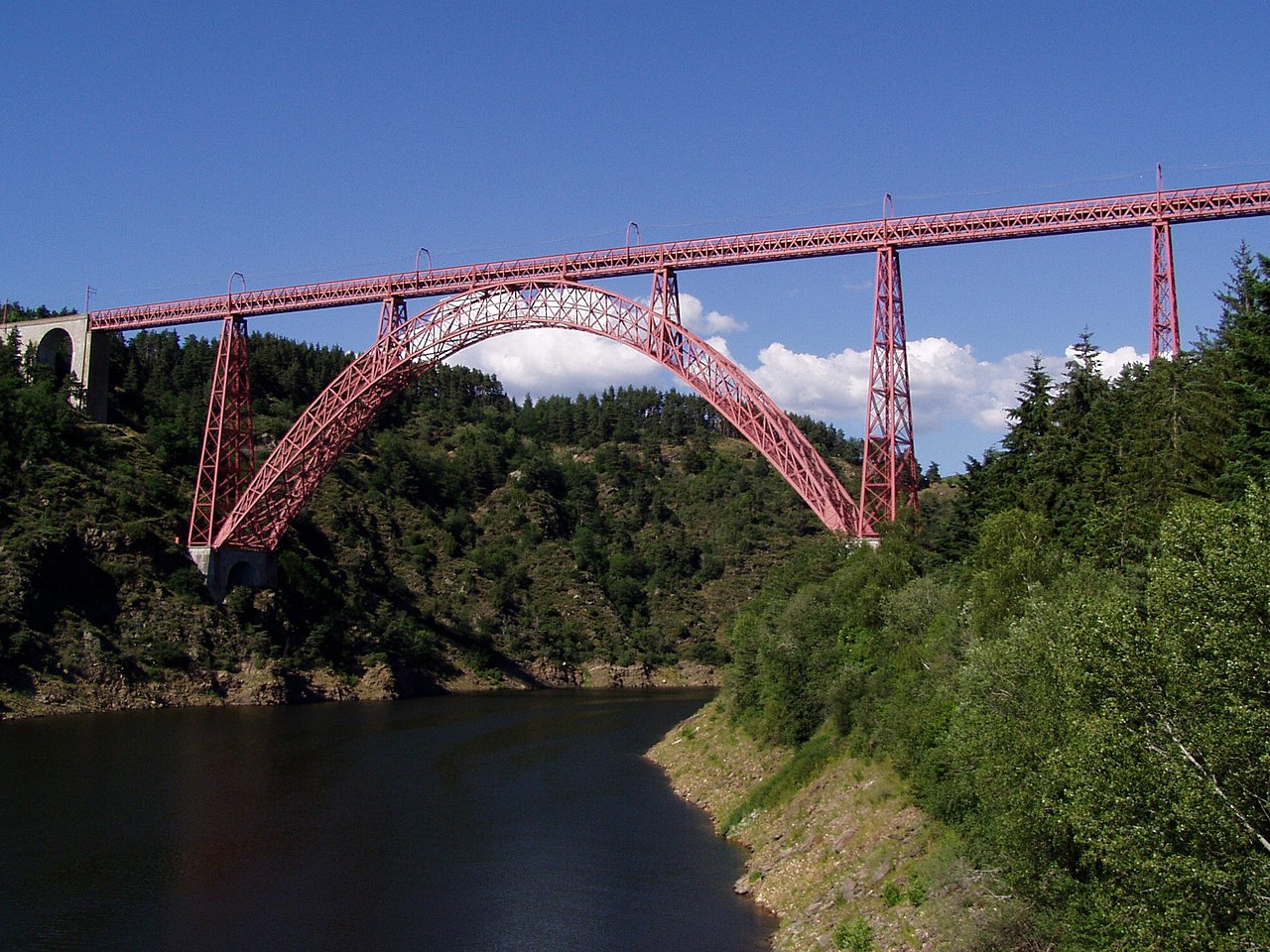
Another famous, if somewhat older (1885), viaduct on the line is Gustave Eiffel’s Viaduc de Garabit. It is still an impressive construction, although obviously best enjoyed from below

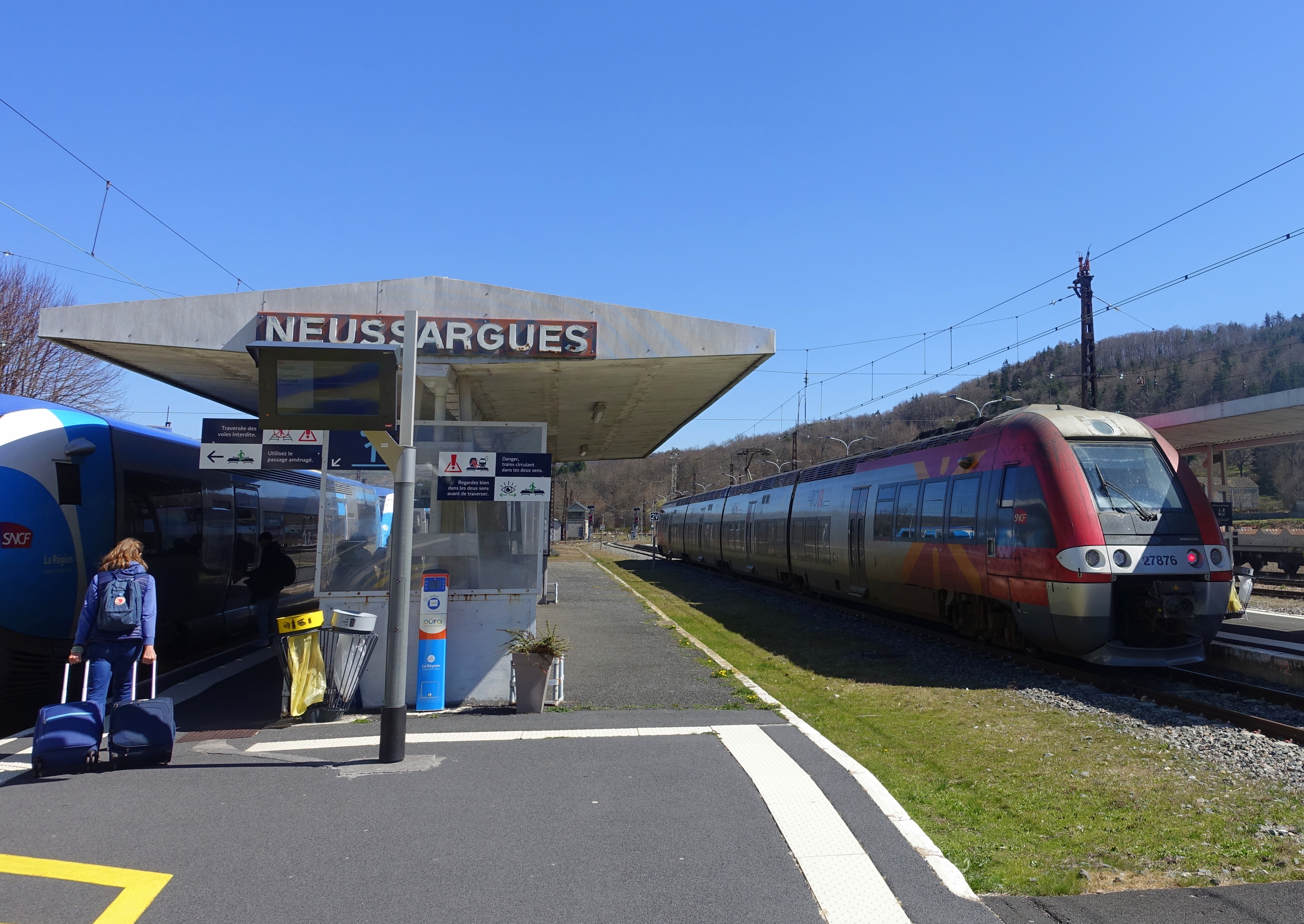
Nearly five hours after leaving Beziers, we reached Neussargues where we changed trains for the final leg of our journey to Clermont Ferrand. The overall impression gained from the journey was of a line which is almost caught in a time capsule, and which without huge investment, seems destined to close in the near future.
Clermont Ferrand
Situated among a chain of volcanoes in the Auvergne region, Clermont Ferrand, like Beziers, is one of France’s oldest cities. The city’s skyline is dominated by its towering Gothic cathedral and the Puy de Dome, a nearby dormant volcano (4806 feet). both could be clearly seen from our hotel room

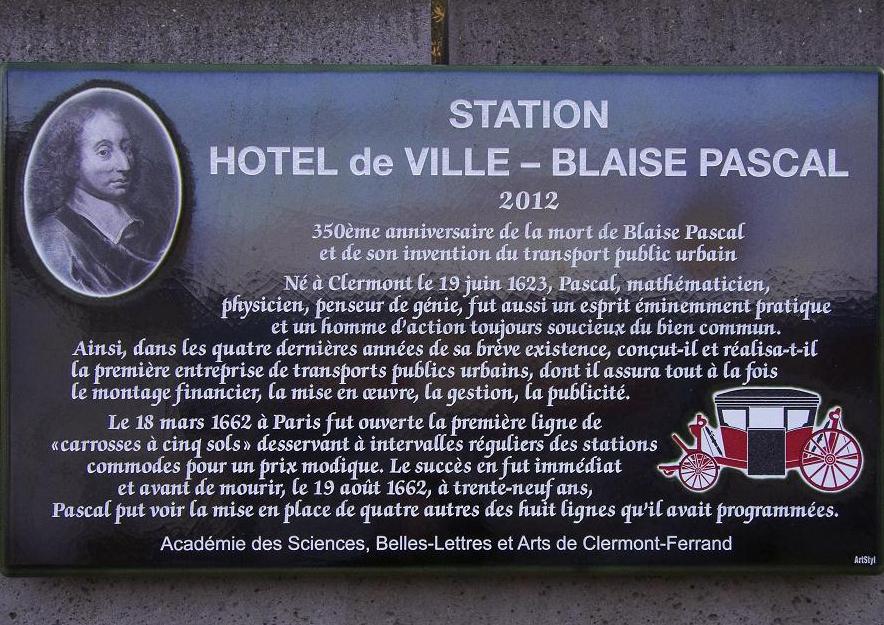
One of the city’s most famous citizens is the pioneering 17th century scientist, Blaise Pascal, who amongst other achievements, is credited with inventing the world’s first public transport system in Paris in 1662 (Carrosses à cinq sols) as credited in this plaque.
Pascal also features on the city’s pavements

Despite being quite an industrial city, Clermont Ferrand’s old town centre still contains some very stylish shop fronts as well as ghost signs of bygone establishments
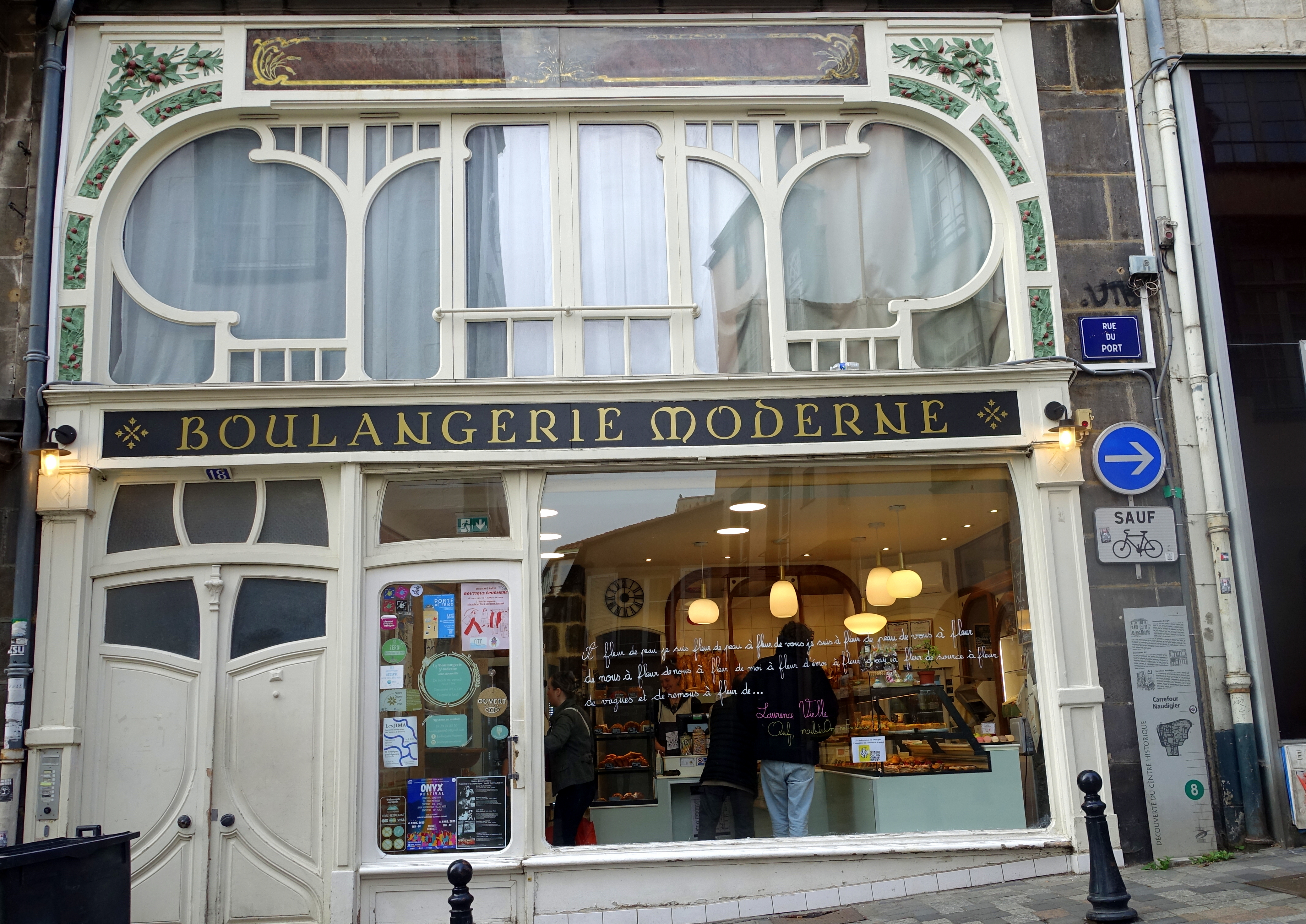


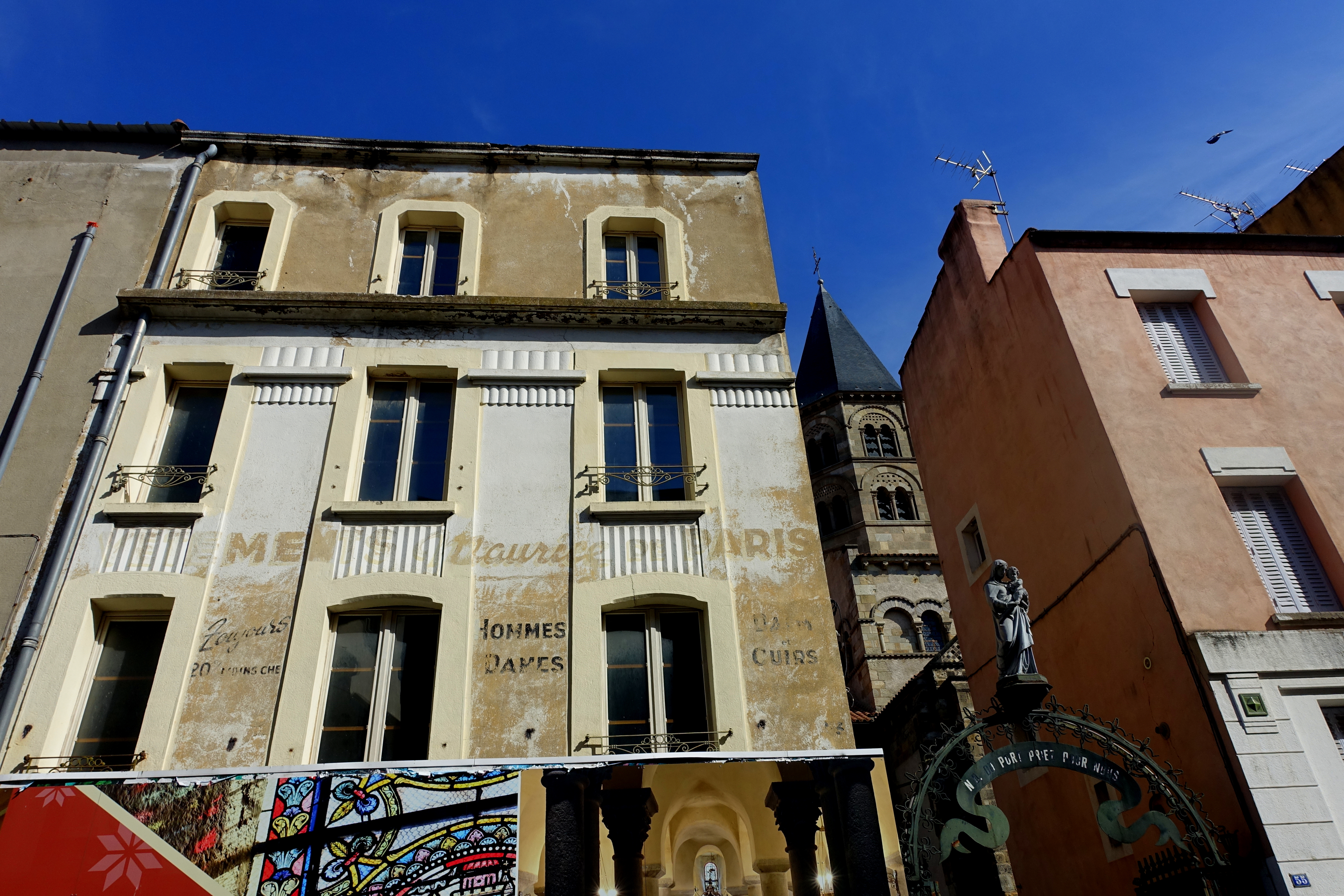
Vichy

For centuries, Vichy was best known for its thermal waters, and by the nineteenth century had become a fashionable spa town. Its reputation dramatically changed in 1940 when, following the defeat of the French Army by the Nazis, Vichy became the seat of the new French State under the leadership of Marshall Petain, a revered first World War general. The new Government ruled over the ‘Free Zone’, a large (approximately 40%) unoccupied area of France. Although officially independent and neutral, the Vichy regime adopted a policy of collaboration with Germany, which intensified between 1942-1944 when the Germans moved to occupy the whole of France.

Petain and the Vichy Government were initially very popular in France- largely because it had spared the country from a complete loss of freedom, as well as the death and destruction suffered by other European countries invaded by Germany. However, Petain and his Prime minister, Laval, increasingly applied an authoritarian approach In 1942, Vichy became a centre for both the Gestapo and Milice (French military police) who oversaw a policy of terror and repression.

An estimated 76,000 Jews were deported to the concentration camps from France. Following the Allied invasion of June 1944, the Vichy regime soon collapsed, and Petain relocated to Germany. He eventually returned to France in 1945 where he was tried and found guilty of treason. For decades after the War, there was a collective silence about Vichy until in 1995, President Chirac admitted to, and apologised for, France’s complicity in the persecution of the Jews. The Vichy Government has continued to be a hugely controversial episode in French political history and still divides French people to this day.
Visiting Vichy today, the wartime role of the city is so low profile as to be almost erased. The tourist guide includes one mention under a menu of nine possible guided tours. Just next door to the tourist office is the old Hotel Du Parc from where Petain oversaw the Vichy government as well as being his place of residence.
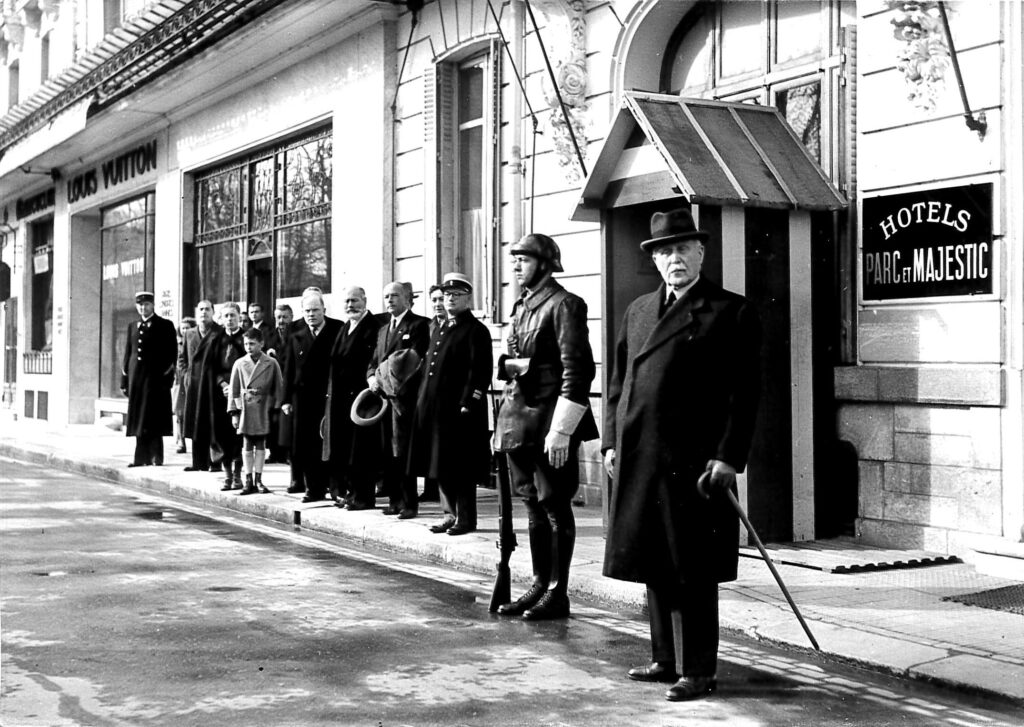

It is now just an apartment block. Petain’s former apartment is owned by the Association for the Defence of the Memory of Marshall Petain (ADMP) , through whom you can apply if you want to pay a visit.
It is still possible to see many of the key buildings and places which featured prominently during the period of the Vichy regime.

The Hotel Seville was the HQ of the French Legion of Combatants, a propaganda organisation for Petain. Francois Mitterand who was to become France’s (Socialist) President between 1981-1995 worked there in 1942, before later joining the French Resistance.

The ‘Villa Marie-Louise’ was built by Napoleon III in the 1860’s. During the War, it housed Le Bar Cintra, which was the focal meeting point for the rich and powerful in Vichy. One of its more notable visitors was Henry Vuitton, head of the Vuitton department store. It finally closed in the 1970’s.

The synagogue from that time still stands in Vichy, discreetly nestled away off the main street, and catering to the town’s few remaining Jews. The number of Jews in Vichy decreased by 70% between 1941-1943. Initially, it was just foreign Jews who were expelled – 3000 in 1940, but it wasn’t long before French Jews were being rounded up and deported. Serge Klarsfeld, the French historian and Nazi hunter, placed a plaque in memory of Vichy’s expelled Jews inside the Hotel du Parc in 1990. The residents objected and removed the plaque. Eventually, in 2001, Klarsfeld got permission from the authorities to install a more permanent plaque opposite Le Parc, although that often suffers from defacement.
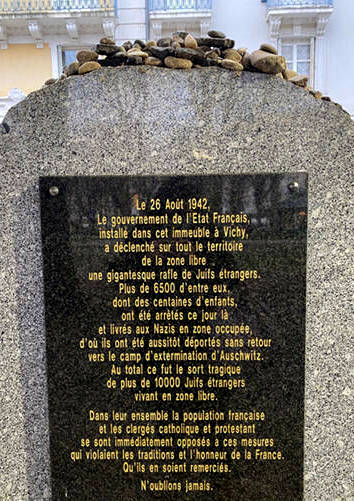
More prominent in Vichy is the celebration of the resistance movement. After liberation in 1944 and the ascendancy of General De Gaulle, the predominant narrative in the aftermath of the war was of a nation of resistors in contrast to a minority of collaborators who were subjected to a post-war purge (l’epuration‘)

The last sentence reads, ‘The courage and sacrifice of resistance fighters and residents allowed France to to be among the victors in 1945’
For an illustrated guide of wartime Vichy, see https://vichy1939-1945.com/en/home/
A final symbolic image of Vichy is of an old defunct laundry business we came across on one of its side streets which was in stark contrast to its plethora of surviving stylish buildings in the ‘Queen of Spas’

 Culturescapes
About the author BJD
-
August 10, 2024
-

November 17, 2023
-
December 6, 2022
All posts by BJD →Northern Ireland: A Contested History
Ten of Europe’s most beautiful train stations
Hamburg to Bratislava via Interrail